

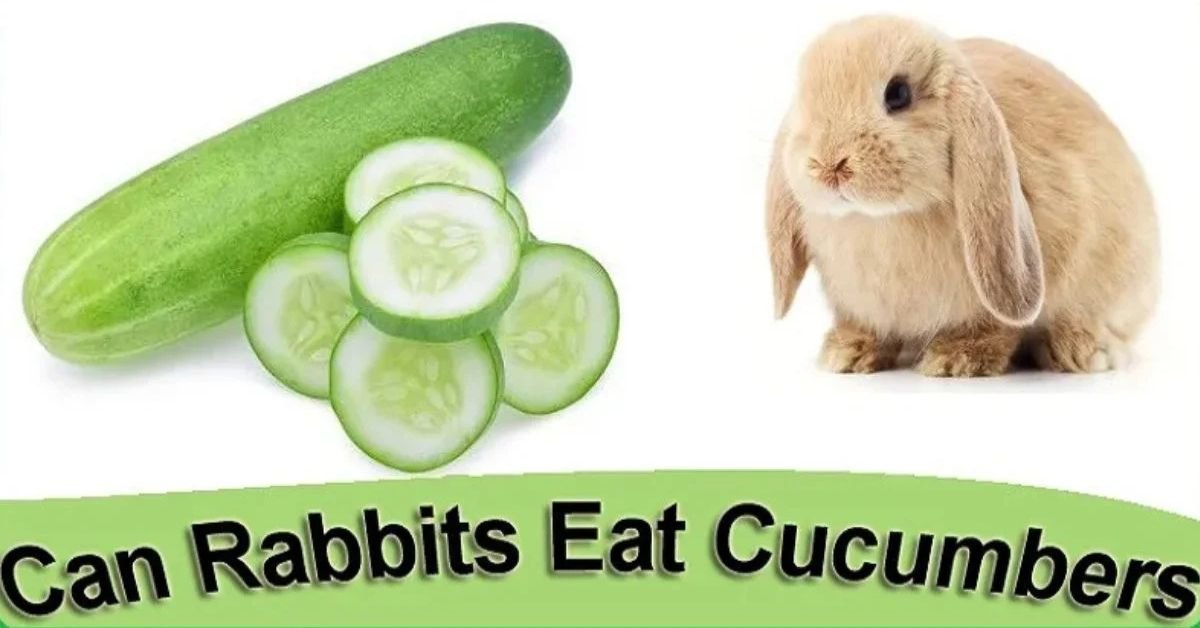
Yes, can rabbits have cucumbers is a question with a positive answer when done correctly. Rabbits can enjoy cucumbers as a refreshing occasional treat. These crunchy vegetables provide hydration and a fun snack for your bunny. However, cucumbers should never replace the main parts of your rabbit’s diet. Your pet needs unlimited hay, fresh leafy greens, and limited pellets daily.
The high water content in cucumbers makes them special among rabbit treats. Cucumbers contain about ninety-five percent water with minimal calories and sugar. This makes them different from sugary fruits that carry more risks. Many rabbit owners use cucumbers as cooling treats during hot summer months. The crisp texture appeals to most bunnies who enjoy variety in their meals.
Understanding can rabbits have cucumbers safely requires knowing proper portions and frequency. Too much cucumber causes digestive problems despite being non-toxic. Your rabbit’s delicate digestive system needs careful management. Small amounts of cucumber provide benefits without overwhelming their gut bacteria. Learning the right way to feed cucumbers protects your bunny from unnecessary health issues.
Understanding Rabbit Dietary Needs
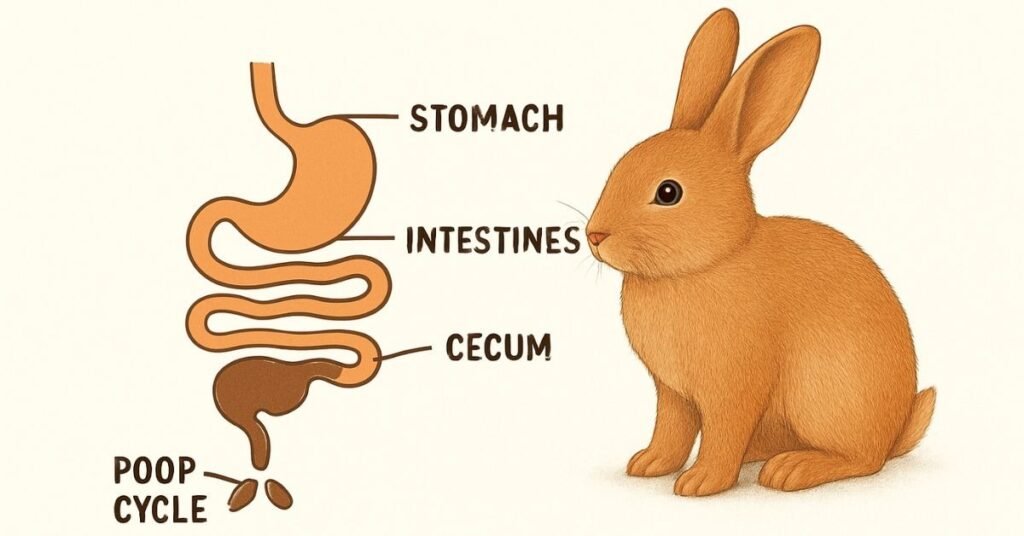
Rabbits are herbivores with very specific nutritional requirements for optimal health. Their digestive systems evolved to process high-fiber plant material continuously. Hay should comprise eighty to ninety percent of everything your rabbit eats daily. Timothy hay works best for adult rabbits because it provides essential fiber. This fiber keeps their gut bacteria healthy and their digestive system moving properly.
Fresh vegetables should make up ten to fifteen percent of your rabbit’s diet. Choose leafy greens like romaine lettuce, cilantro, parsley, and basil. These vegetables provide vitamins and minerals without excessive sugar or calories. Your rabbit needs variety in their vegetables to get balanced nutrition throughout the week. Pellets should only be a small supplement based on body weight.
Treats like cucumbers fall into the smallest category of rabbit nutrition. They should never exceed five percent of your rabbit’s total food intake. When you understand can rabbits have cucumbers in this dietary context, portion control becomes clear. Your bunny’s health depends on maintaining the right balance between hay, vegetables, pellets, and occasional treats. This foundation prevents obesity, dental problems, and digestive complications.
Nutritional Content of Cucumbers
Cucumbers offer impressive hydration with their ninety-five percent water content. This high water level makes them incredibly refreshing but low in calories. One cup of sliced cucumber contains only sixteen calories total. The remaining five percent includes small amounts of vitamins and minerals. Cucumbers provide vitamin K, vitamin C, potassium, and magnesium in modest quantities.
Vitamin K supports healthy blood clotting and bone strength in rabbits. Antioxidants such as vitamin C protect cells from damage. While rabbits produce their own vitamin C, extra amounts during stress can help.Muscle function and fluid balance are maintained by potassium. These nutrients benefit your rabbit when cucumbers are fed appropriately.
The fiber content in cucumbers remains relatively low compared to hay. Cucumbers cannot provide the dietary fiber your rabbit needs for healthy digestion. This explains whycan rabbits have cucumbers as a daily food gets a negative answer. The benefits don’t outweigh the risks of replacing more nutritious foods. Cucumbers work best as occasional supplements to a hay-based diet rather than regular staples.
Health Benefits of Cucumbers for Rabbits
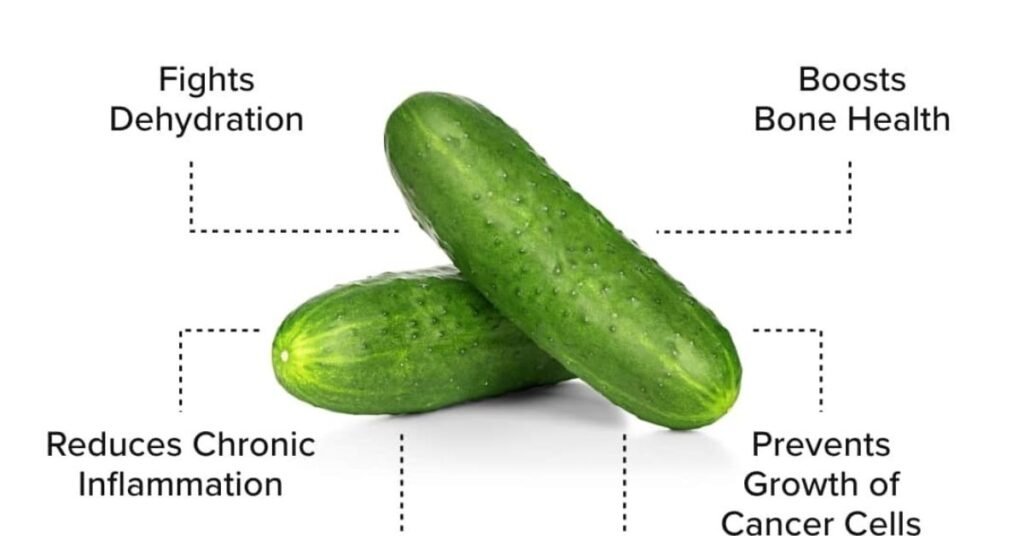
The primary benefit when asking can rabbits have cucumbers involves hydration support. The high water content helps keep your rabbit hydrated, especially during hot weather. Some rabbits don’t drink enough water from their bowls daily. Offering cucumber slices provides supplemental hydration through food. This proves particularly helpful for outdoor rabbits in warm climates.
Cucumbers offer low-calorie treats that don’t contribute to obesity. Unlike sugary fruits, cucumbers contain minimal natural sugars. Your rabbit can enjoy the taste without consuming excessive calories. This makes cucumbers suitable for overweight rabbits needing to lose weight. The crunchy texture satisfies their desire to chew without adding pounds.
The cooling effect of cucumbers provides comfort during summer heat. Rabbits cannot sweat and struggle to regulate body temperature in warmth. Cool cucumber slices help prevent heat stress in susceptible bunnies. Many rabbit owners use cucumbers as part of summer cooling strategies. The mild flavor appeals to most rabbits without overwhelming their sensitive taste buds.
Risks of Feeding Too Many Cucumbers
The biggest risk when considering can rabbits have cucumbers involves their digestive system. Too much cucumber causes diarrhea and soft stools in rabbits. The excessive water content disrupts the delicate balance of gut bacteria. Your rabbit needs high-fiber foods to maintain firm, healthy droppings. Watery vegetables like cucumber upset this crucial balance quickly.
Overfeeding cucumbers can lead to weight loss and malnutrition over time. If your rabbit fills up on cucumber, they eat less hay and vegetables. These nutrient-dense foods provide the vitamins and minerals rabbits need. Cucumbers simply cannot replace the nutritional value of proper rabbit food. Long-term cucumber overfeeding causes serious health deficiencies.
Bloating and gas sometimes develop from excessive cucumber consumption. The water dilutes stomach contents and interferes with normal digestion. Your rabbit may show discomfort through hunched posture or reduced activity. Severe cases require veterinary intervention to prevent life-threatening complications. Prevention through proper portions works better than treating problems after they develop.
Proper Portion Sizes for Cucumbers
The correct amount when asking can rabbits have cucumbers safely is remarkably small. Adult rabbits should receive one to two thin slices of cucumber maximum. These slices should measure about one-quarter inch thick each. Feed cucumber only two to three times per week at most. Never offer cucumber daily or multiple times in one day.
Smaller rabbit breeds need even less cucumber than larger breeds. A dwarf rabbit should only get one thin slice per serving. Giant breeds can handle closer to two slices safely. Always adjust portions based on your individual rabbit’s size and weight. Monitor their reaction to gauge if the amount is appropriate.
Baby rabbits under six months old should never receive cucumbers or any vegetables. Their immature digestive systems cannot handle the complexity of vegetable digestion. Young rabbits need primarily hay and pellets to support proper growth. Wait until your rabbit reaches full adulthood before introducing any cucumber. Starting too early can cause serious digestive complications in developing bunnies.
How to Prepare Cucumbers for Rabbits
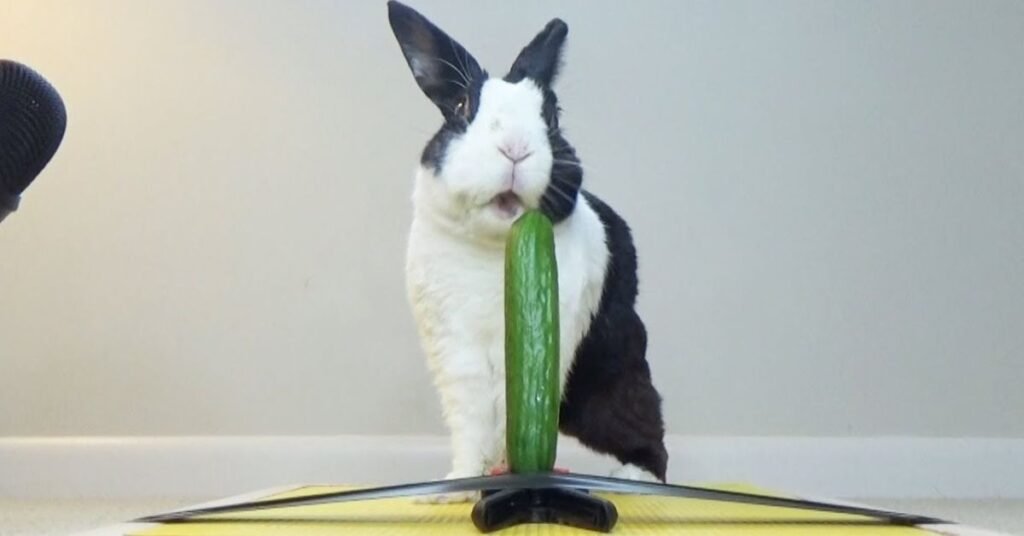
Start by selecting fresh, firm cucumbers without soft spots or discoloration. Organic cucumbers are the best choice to avoid pesticide exposure. If organic isn’t available, wash regular cucumbers thoroughly under running water. Use a vegetable brush to scrub the skin and remove chemical residues. Never feed unwashed cucumbers to your rabbit.
Leave the skin on when preparing cucumber for your bunny. The dark green skin contains the most nutrients and fiber available. Your rabbit can safely eat cucumber skin without any problems. Cut the cucumber into thin slices about one-quarter inch thick. Remove any seeds if you prefer, though they’re generally safe in small amounts.
Serve cucumber pieces at room temperature rather than cold from the refrigerator. Cold food can upset sensitive rabbit stomachs unnecessarily. Mix cucumber with your rabbit’s regular vegetables occasionally for variety. Never cook cucumbers before feeding them to rabbits. Only raw, fresh cucumber maintains nutritional value and stays safe for bunny consumption.
Can Rabbits Have Cucumber Skin and Seeds
Yes, can rabbits have cucumbers including the skin gets a positive answer from veterinarians. The cucumber skin actually contains more nutrients than the watery flesh. Fiber content concentrates in the dark green outer layer. Your rabbit benefits from eating the entire cucumber slice with skin attached.
The white section inside cucumbers holds most of the water content. This flesh tastes mild and refreshing to most rabbits. The seeds scattered throughout the flesh are also safe to eat. Cucumber seeds don’t contain toxic compounds like some other vegetable seeds do. Your rabbit can consume them without special preparation needed.
Many owners worry unnecessarily about cucumber seeds causing problems. These soft seeds digest easily in rabbit systems. Some sources recommend removing seeds as an extra precaution. However, this step isn’t strictly necessary for healthy adult rabbits. Focus your attention on proper portion sizes rather than seed removal for better results.
Signs Your Rabbit Ate Too Much Cucumber
Watch for soft or watery droppings after your rabbit eats cucumber. Normal rabbit poops should be round, firm, and hold their shape. Diarrhea indicates digestive upset that needs immediate attention. Remove all treats and offer only hay and water until droppings normalize. Monitor closely for twenty-four hours.
Your rabbit may show decreased appetite for hay and vegetables after too much cucumber. They might also become less active or seem uncomfortable overall. Gas and bloating cause visible distress including hunched posture. Some rabbits grind their teeth in pain, which sounds different from contentment grinding.
Contact your veterinarian if symptoms persist beyond one day. Severe digestive upset requires professional treatment to prevent life-threatening complications. Never wait to see if symptoms resolve on their own. Your rabbit depends on you to recognize problems early and seek help. Prevention through proper portions works better than emergency treatment later.
Best Practices for Feeding Cucumbers

Following best practices ensures your rabbit enjoys cucumbers safely. Introduce cucumbers very slowly when your rabbit tries them for the first time. Offer just a tiny piece about the size of your fingernail initially. Wait forty-eight hours and monitor for any digestive changes before offering more cucumber.
Never feed cucumbers daily or as a replacement for proper nutrition. Space cucumber treats several days apart to prevent digestive overload. Rotate different types of treats throughout the month for variety. This prevents addiction to any single food while providing different nutrients. Always pair cucumber treats with plenty of fresh hay available.
Use cucumber strategically for training or bonding sessions with your rabbit. The appealing taste makes cucumbers excellent rewards for learning new behaviors. Some owners hide medication in tiny cucumber pieces for easier administration. Always encourage your rabbit to eat hay after receiving treats. Your bunny should always prefer hay over all other foods offered.
Alternative Healthy Treats for Rabbits
Many vegetables make better regular treats than cucumbers when considering can rabbits have cucumbers versus other options. Bell peppers, carrots, and leafy herbs provide more nutrients with less water. These vegetables work well as daily additions to your rabbit’s diet. Rabbits enjoy the variety of flavors from different herbs and greens.
Romaine lettuce, cilantro, parsley, and basil make excellent daily choices. These leafy greens provide nutrition without significant digestive risks. Your rabbit can eat larger amounts of these vegetables safely. Most rabbits enjoy the variety of flavors from different herbs and greens. Rotating several types throughout the week ensures balanced nutrition.
Small amounts of fruit work occasionally as special treats. Strawberries, blueberries, and apple slices contain more sugar than cucumbers. Limit fruits to once or twice weekly in tiny portions. Remove all seeds from apples before feeding them to rabbits. Focus treats on vegetables rather than fruits whenever possible for better health outcomes overall.
Cucumber Feeding Table for Rabbits
| Rabbit Size | Portion Size | Frequency | Water Content | Best Time |
| Dwarf (2-3 lbs) | 1 thin slice | 2x weekly | 95% | Summer months |
| Small (3-5 lbs) | 1-2 thin slices | 2-3x weekly | 95% | Hot weather |
| Medium (5-8 lbs) | 2 thin slices | 2-3x weekly | 95% | As needed |
| Large (8-12 lbs) | 2-3 thin slices | 2-3x weekly | 95% | Warm days |
| Giant (12+ lbs) | 3 thin slices | 2-3x weekly | 95% | Summer treats |
Common Mistakes When Feeding Cucumbers
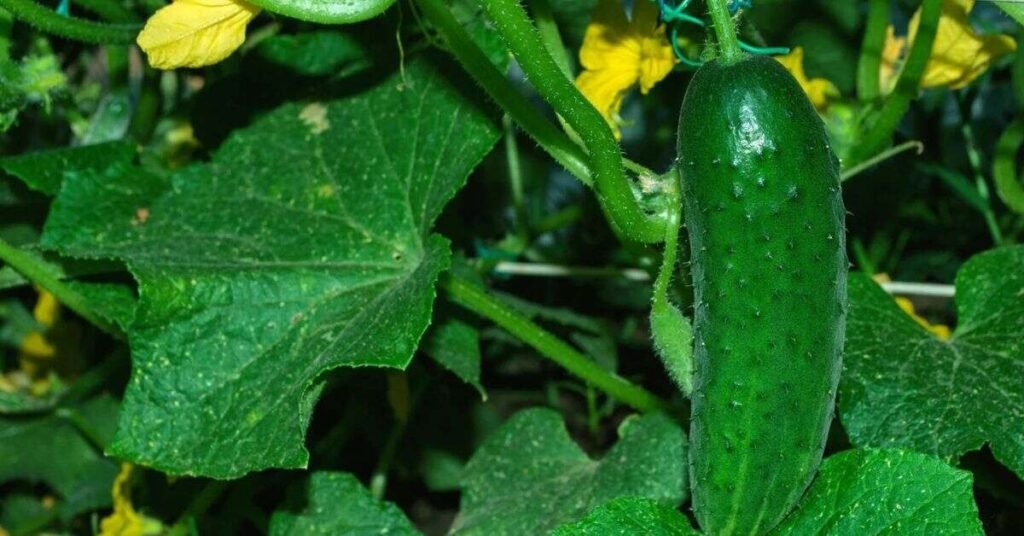
The most common mistake owners make involves portion sizes with cucumbers. Many people give entire cucumber halves thinking their rabbit needs that much. This massive water dose causes immediate digestive problems. Always measure portions carefully using the guidelines rather than guessing amounts. Your rabbit’s small size requires tiny treat portions.
Another frequent error is feeding cucumbers too often throughout the week. Some owners give vegetables daily because their rabbit seems to enjoy them. This creates dependency on watery foods and causes health issues over time. Remember that can rabbits have cucumbers every day receives a firm no answer. Limit cucumber treats to two or three times weekly maximum.
Feeding pickled cucumbers or cucumber with seasoning causes different problems. The salt content in pickles is dangerous for rabbit kidneys. Garlic, onions, and other pickle spices are toxic to bunnies. Only feed fresh, raw cucumber without any additives. Store-bought cucumber must be washed thoroughly before serving to remove wax coatings.
Special Considerations for Different Rabbits

Senior rabbits may benefit froms ofter cucumber pieces if they have dental problems. Aging bunnies often develop tooth issues that make chewing difficult. Cut cucumber into smaller pieces for easier consumption by elderly rabbits. However, senior rabbits also need careful weight management as activity decreases. Reduce portions if your elderly bunny becomes less active overall.
Overweight rabbits should avoid cucumbers completely until they reach healthy weights. Focus their diet on unlimited hay and low-calorie leafy vegetables. Once they slim down, you can reintroduce tiny cucumber portions occasionally. Work with your veterinarian to create an appropriate weight loss plan. Never assume all rabbits can safely eat the same foods.
Rabbits with diabetes or other metabolic conditions require special dietary considerations. Consult your veterinarian before offering any treats to rabbits with health issues. Some conditions make even small amounts of watery vegetables problematic. Your vet can advise whether cucumber treats are appropriate for your rabbit’s specific situation and needs.
When to Avoid Feeding Cucumbers
Certain situations require avoiding cucumbers completely despite the answer to can rabbits have cucumbers being yes. If your rabbit has diarrhea or soft stools, eliminate all treats immediately. Offer only hay and water until digestive function returns to normal. Adding watery vegetables during digestive upset makes problems worse and delays recovery.
Skip cucumbers when your rabbit shows signs of digestive sensitivity or bloating. Some bunnies simply cannot tolerate watery vegetables well. Their systems react more strongly to the diluting effect on stomach contents. Rabbits with gastrointestinal stasis history face too much risk from cucumbers. Previous episodes indicate their system cannot handle watery foods safely.
Pregnant or nursing rabbits have different nutritional needs than other adults. Their diets should focus on alfalfa hay and nutrient-dense pellets. Avoid giving cucumbers during pregnancy and nursing to prevent digestive issues. The calcium and protein from alfalfa support healthy babies better than cucumber water. Save cucumber treats for after the babies are weaned completely.
Conclusion
Cucumbers can be a refreshing treat for rabbits when given in small amounts. They are mostly made of water, which helps keep your bunny hydrated, especially in warm weather. However, too much cucumber may cause an upset stomach, so it’s best to offer it as an occasional snack rather than a daily food.
Always make sure the cucumber is washed and cut into small slices before serving. It’s important to balance your rabbit’s diet with hay, leafy greens, and pellets. When fed wisely, cucumbers can be a safe and tasty addition to your rabbit’s meal plan.
FAQs
Can rabbits eat cucumber every day?
No, rabbits should only have cucumber a few times a week as a treat.
Do rabbits like cucumbers?
Most rabbits enjoy the taste and cool texture of cucumbers.
Is cucumber skin safe for rabbits?
Yes, rabbits can eat cucumber skin, but make sure it’s washed properly to remove pesticides.
Can baby rabbits have cucumber?
It’s better to wait until they are older (around 12 weeks) before introducing cucumber.
Which part of cucumber is best for rabbits?
The flesh is safest and easiest to digest, while seeds and peels should be given in small amounts.
