

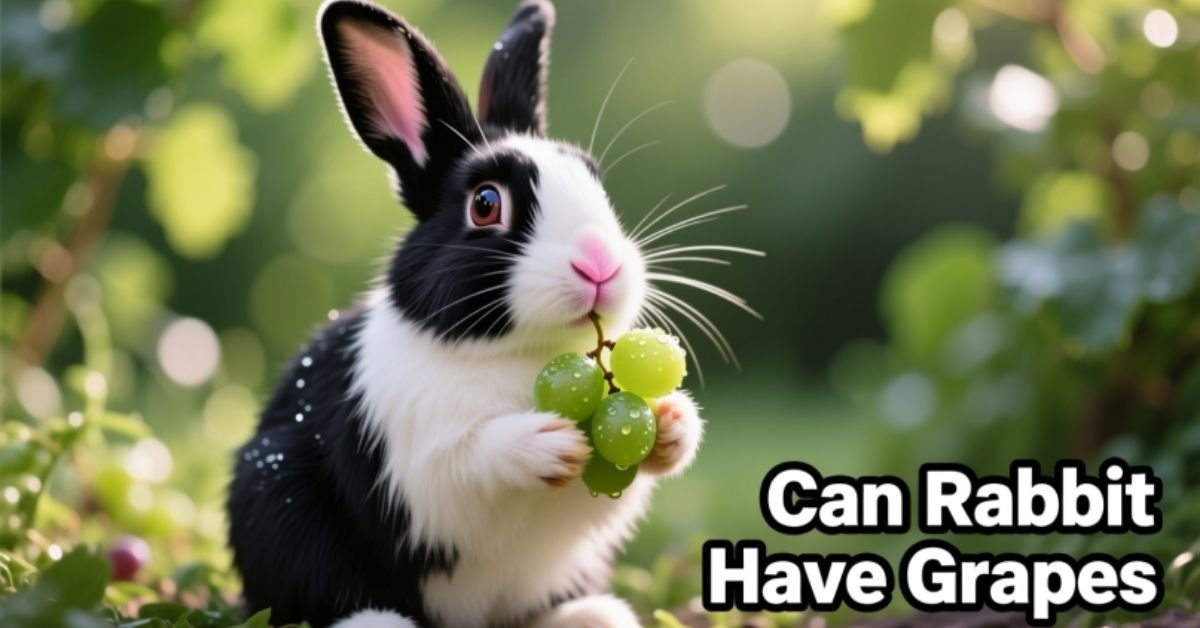
Many rabbit owners wonder if their furry friends can enjoy grapes. Yes, but with important guidelines. Rabbits can eat grapes, but only as an occasional treat. These sweet fruits are not toxic to bunnies, unlike dogs and cats. However, the high sugar content means you need to be careful about portions. Grapes should never replace the main diet of hay, fresh vegetables, and pellets. When you give grapes to your rabbit, think of them as candy for humans. A little bit is fine, but too much causes problems. Your bunny’s digestive system is sensitive and needs mostly fiber-rich foods. Grapes can be a fun reward during training or bonding time with your pet.
Understanding Rabbit Diet Basics
Your rabbit needs a proper diet to stay healthy. The foundation should be fresh hay or grass, which makes up about 80% of what they eat. Timothy hay works best for adult rabbits because it has high fiber and low calories. This fiber keeps their digestive system moving smoothly and helps wear down their constantly growing teeth.
Fresh leafy greens should make up another 10-15% of their diet. Think romaine lettuce, kale, cilantro, and parsley. These vegetables provide important vitamins and minerals. High-quality rabbit pellets add extra nutrition but should be limited to a small handful daily. Water must always be available and fresh. Only about 5% of your rabbit’s diet should come from treats like fruits.
Health Benefits of Grapes for Rabbits
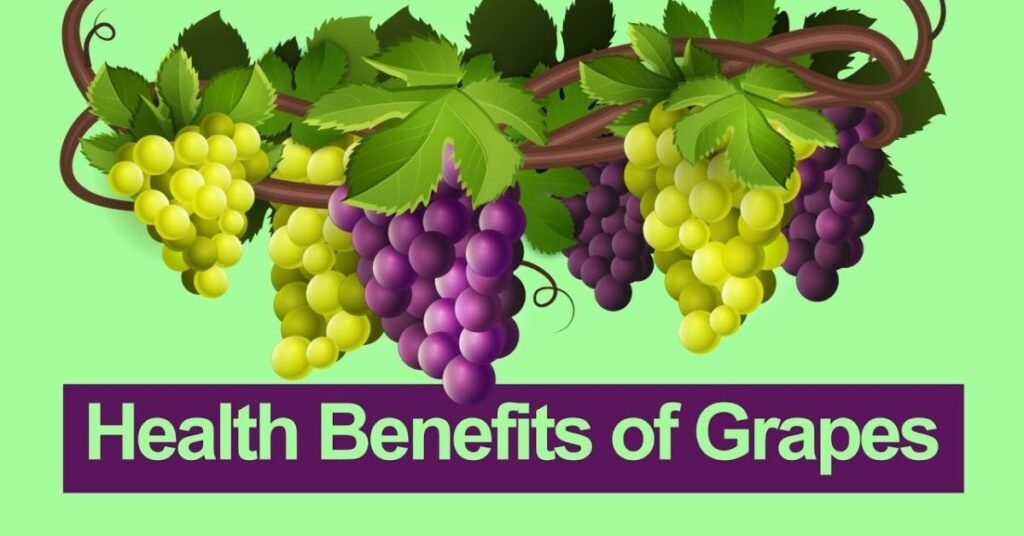
Grapes contain nutrients that can benefit your rabbit when given in small amounts. They are packed with vitamin C, which supports immune health and overall wellbeing. Vitamin K found in grapes helps with proper blood clotting and keeps bones strong. The potassium content supports heart function and muscle health.
Grapes also contain antioxidants that fight free radicals and boost the immune system. The high water content helps keep your rabbit hydrated, especially during warm weather. Fiber in grapes aids digestion, though rabbits get plenty from hay already. These nutrients make grapes a nutritious occasional snack. However, rabbits don’t actually need grapes to meet their daily nutritional requirements since their regular diet provides everything necessary.
Risks of Feeding Grapes to Rabbits
While grapes offer some benefits, they come with several risks you should know about. The biggest concern is the high sugar content. Too much sugar leads to obesity, which causes serious health problems like arthritis and heart disease in rabbits. Sugar can also trigger dental issues since rabbits are prone to tooth problems. Their teeth grow continuously and need proper wear from fibrous foods.
The digestive system of rabbits is extremely sensitive. Sudden changes in diet or too many sugary treats can cause diarrhea or dangerous gastrointestinal stasis. This condition slows down digestion and can be fatal if not treated quickly. Whole grapes pose a choking hazard, especially for smaller rabbits. Some rabbits develop a preference for sweet foods and may refuse healthier options like hay and vegetables. Pesticide residues on grape skins can harm your bunny if not washed properly.
How Many Grapes Can Rabbits Have
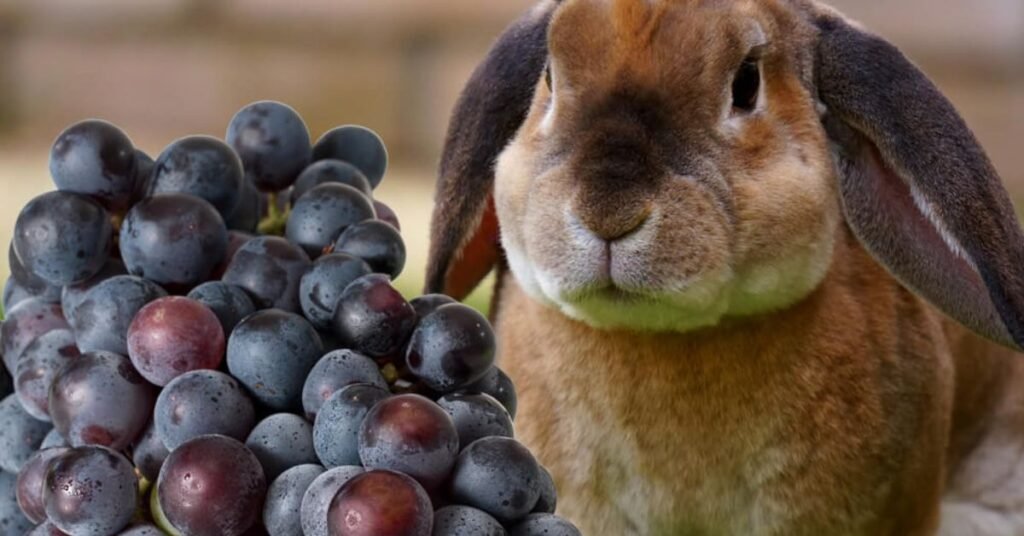
The amount of grapes you can safely give depends on your rabbit’s size and age. Adult rabbits can have one to two small grapes or one large grape cut into pieces, no more than once or twice per week. For dwarf rabbits, half a grape is enough due to their smaller size. Cut grapes into half-inch pieces or smaller to prevent choking. Baby rabbits under six months should not eat grapes at all because their digestive systems are still developing.
Young rabbits between six to twelve months can have one grape per week maximum. Always introduce grapes slowly if your rabbit has never tried them before. Start with just a quarter of a grape and watch for any signs of digestive upset over the next 24 hours. If everything looks normal, you can gradually increase the amount. Remember that even these small portions should be rare treats, not regular snacks.
| Rabbit Age | Maximum Serving | Frequency |
| Baby (0-6 months) | None | Not recommended |
| Young (6-12 months) | 1 small grape | Once per week |
| Adult (12+ months) | 1-2 small grapes | 1-2 times per week |
| Dwarf breeds | Half a grape | 1-2 times per week |
How to Prepare Grapes for Your Rabbit
Proper preparation makes grapes safer for your bunny to eat. Always choose seedless grapes when possible because seeds can be a choking hazard and are difficult to digest. If you only have seeded grapes, remove all seeds before feeding. Wash grapes thoroughly under cold running water to remove dirt, pesticides, and chemicals. Consider buying organic grapes to reduce chemical exposure. You can use natural fruit cleaners, vinegar, or baking soda for extra cleaning. After washing, cut grapes into small pieces about half an inch in size. For dwarf rabbits, cut them even smaller. This prevents choking and makes them easier to chew. The grape skin is safe to eat and actually contains more vitamins and antioxidants than the flesh. Never feed your rabbit dried grapes or raisins because they have three times more concentrated sugar and lack the hydrating benefits of fresh grapes.
Signs Your Rabbit Ate Too Many Grapes
Watch your rabbit carefully after giving them grapes, especially the first time. Digestive problems are the most common issue from eating too many grapes. Look for soft or watery stools, which indicate diarrhea. Your rabbit may show signs of bloating or gas, appearing uncomfortable with a swollen belly. Loss of appetite is another warning sign, especially if your bunny refuses hay or pellets.
Reduced activity or lethargy means something is wrong. Your rabbit might sit hunched in a corner looking uncomfortable. If you notice any unusual behavior like grinding teeth, which signals pain, take it seriously. Reduced or absent droppings for more than twelve hours is an emergency. Stop feeding grapes immediately if you see these symptoms. Monitor your rabbit closely and provide plenty of fresh hay and water. Contact your veterinarian if symptoms persist beyond 24 hours or if your rabbit seems distressed.
Better Alternatives for Rabbits
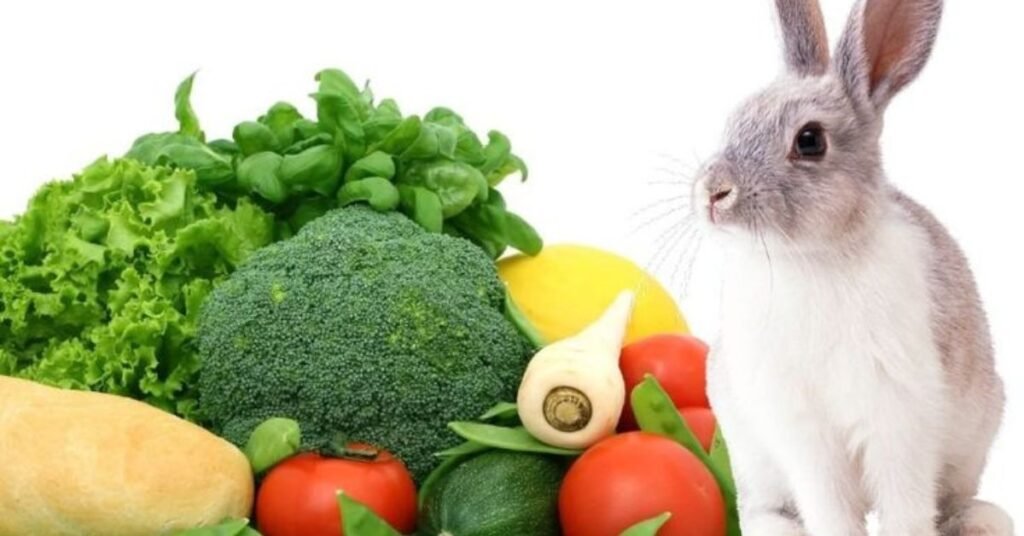
Many fruits make healthier treats than grapes for your rabbit. Strawberries are naturally sweet but contain less sugar than grapes when given in small amounts. They also provide vitamin C and fiber. Blueberries pack powerful antioxidants and have lower sugar content compared to many other fruits. Your rabbit will enjoy their small size and sweet taste. Apples make crunchy treats that many rabbits love, but always remove the seeds first because they are toxic.
Small pieces of carrot work well as treats, though carrots are naturally sweet and should be limited. Fresh herbs like parsley, cilantro, and basil make excellent low-sugar alternatives. Leafy greens such as romaine lettuce, kale, and dandelion leaves provide nutrients without the sugar concerns. Remember that even healthier fruits should only make up a tiny portion of your rabbit’s diet.
Can Rabbits Eat Grape Leaves and Stems
Yes, rabbits can safely eat grape leaves and stems. These parts of the grape plant are actually healthier options than the fruit itself. Grape leaves provide good fiber content, which supports digestive health. They contain less sugar than the grapes, making them a safer regular addition to your rabbit’s diet. The leaves are safe to feed in small to moderate amounts as part of the vegetable portion of meals.
Make sure to wash grape leaves thoroughly to remove any pesticides or dirt. Cut them into manageable pieces that your rabbit can easily chew. Fresh grape leaves from your own garden are ideal if you grow grape vines. Store-bought grape leaves may have preservatives, so check the packaging carefully. Grape stems are also safe but can be tough and woody. Some rabbits enjoy chewing on them, while others may find them too difficult. Always supervise when introducing new foods.
Training Your Rabbit with Grapes
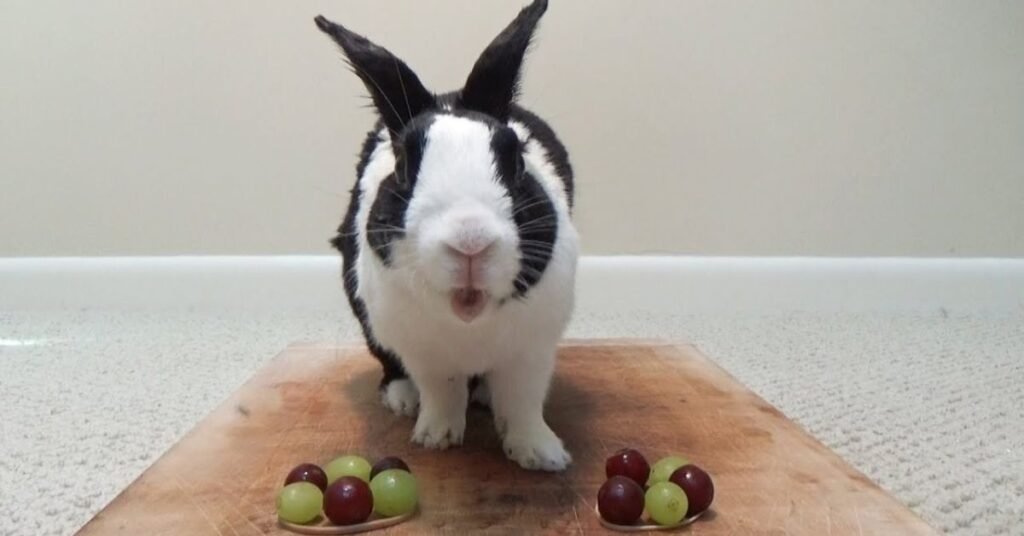
Can rabbits have grapes for training purposes? Absolutely, and they work wonderfully as rewards. The sweet taste makes grapes highly motivating for most rabbits. This makes them perfect for teaching new behaviors or tricks. Cut grapes into very tiny pieces, even smaller than you would for regular treats. This way, you can give multiple rewards during a training session without overdoing the sugar.
Use grapes only during special training times, not as everyday snacks. Combine grape rewards with verbal praise and gentle petting to reinforce good behavior. You can teach your rabbit to come when called, use a litter box properly, or perform simple tricks like standing up or spinning. The key is consistency and patience. Always end training sessions on a positive note with a small grape reward. This builds a strong bond between you and your bunny while keeping treat consumption under control.
Common Questions About Can Rabbits Have Grapes
Pet owners frequently ask specific questions about feeding grapes to rabbits. Understanding the details helps you make better decisions for your bunny’s health. Green grapes and red grapes are both safe for rabbits in the same small amounts. The color does not change the sugar content or safety. Purple or black grapes are also fine. Cotton candy grapes contain even more sugar than regular varieties, so these should be given even more sparingly if at all.
Fresh grapes are always better than frozen ones, though frozen grapes can work in hot weather as a cooling treat. Never feed your rabbit grapes with added sugars or those that have been processed in any way. Wild rabbits do not typically eat grapes because they do not grow in most wild rabbit habitats. However, domestic rabbits can safely enjoy them as treats. The important thing is moderation regardless of grape variety.
Building a Balanced Diet Plan
Creating the right meal plan keeps your rabbit healthy and happy. Start with unlimited fresh hay, which should be available at all times. Timothy hay works best for adults, while alfalfa suits baby rabbits. Provide one cup of fresh leafy greens per two pounds of body weight daily. Mix different types of greens like romaine lettuce, parsley, cilantro, and basil for variety. Give one-quarter cup of quality pellets per five pounds of body weight. Choose pellets without seeds or colorful additives.
Fresh water must be changed daily and available in a clean bowl or bottle. Reserve fruits like grapes for special occasions only, giving small portions once or twice weekly at most. This balanced approach provides all necessary nutrients while preventing obesity and digestive problems. Gradually introduce any new foods over several weeks to avoid stomach upset. Monitor your rabbit’s weight and adjust portions as needed.
When to Avoid Grapes Completely

Some situations require avoiding grapes entirely for your rabbit’s safety.Overweight rabbits should not have grapes because the extra sugar contributes to weight gain. Focus on helping them lose weight through hay and vegetables first. Rabbits with diabetes or blood sugar issues must avoid high-sugar fruits completely. Consult your veterinarian about appropriate treats for diabetic bunnies. If your rabbit has a history of digestive problems, gastrointestinal stasis, or chronic diarrhea, skip the grapes.
These conditions require strict dietary management. Baby rabbits under six months should never eat grapes as their digestive systems cannot handle the sugar. Rabbits recovering from illness need to focus on their prescribed diet without any extras. If your rabbit shows any allergic reaction or intolerance to grapes, such as skin irritation or digestive upset, eliminate them permanently.Never introduce new treats without consulting your veterinarian first.
Monitoring Your Rabbit’s Overall Health
Regular health checks help you catch problems early. Watch your rabbit’s droppings daily, as they tell you a lot about digestive health. Normal rabbit droppings are round, firm, and dry. Soft or misshapen droppings indicate dietary issues. Check your rabbit’s weight weekly by gently feeling their spine and ribs. You should feel bones but with a light covering of flesh. Excessive weight gain or loss requires veterinary attention. Examine their teeth regularly for overgrowth or misalignment.
Healthy teeth should be white and properly aligned. Monitor eating habits closely since changes often signal health problems. Your rabbit should eat hay constantly throughout the day. Activity levels matter too. A healthy rabbit is alert, curious, and playful. Lethargy or hiding behavior suggests illness. Keep track of water consumption, though this varies with diet and weather. Schedule annual veterinary checkups to catch issues before they become serious.
Conclusion
Grapes can be a fun and tasty treat for rabbits when given carefully. Their sweet flavor makes most rabbits excited, but the small serving size is important. A little treat goes a long way.
Rabbits stay healthy when their main diet is hay, leafy greens, and fresh water. Treats like grapes should only be small extras, not a daily food. This helps protect their digestion and keeps them feeling comfortable.
With mindful feeding, grapes can fit safely into your rabbit’s routine. Offering them once in a while adds variety without causing harm. Just watch your rabbit’s reaction, give small pieces, and enjoy the happy moments during treat time.
FAQs
1. Can rabbits have grapes?
Yes, rabbits can have grapes, but only as an occasional treat. Grapes are high in sugar, so small amounts are safest.
2. Are grapes healthy for rabbits?
They offer some vitamins and hydration, but too many can upset a rabbit’s stomach. It is best to feed them in tiny portions.
3. How many grapes can a rabbit eat?
One or two small grapes are enough for an adult rabbit. Cutting them into halves makes them easier and safer to eat.
4. Can baby rabbits eat grapes?
No, young rabbits should not eat grapes. Their stomachs are too sensitive, and they should stick to hay and pellets.
5. Should grapes be washed before feeding?
Yes, always wash them well to remove any chemicals or dirt. Clean fruit helps keep your rabbit safe from digestive issues.
