


Hibernation is a special survival trick that some animals use. When animals hibernate, their body temperature drops significantly. Their heart rate slows down dramatically. Breathing becomes very shallow. The entire metabolic system basically shuts down to save energy. Animals like bears can sleep for months without eating or drinking anything. Their bodies survive on stored fat accumulated during warmer months.
Rabbits cannot hibernate because their bodies work differently. A normal rabbit body temperature ranges between 101 and 104 degrees Fahrenheit. If their temperature drops to 100 degrees or lower, they start experiencing hypothermia. Their bodies are not designed to function at the extremely low temperatures required for hibernation. Rabbits also need to eat constantly because they are grazers. Their digestive system requires frequent meals, making long winter sleep impossible.
Do Rabbits Hibernate or Stay Active Year Round
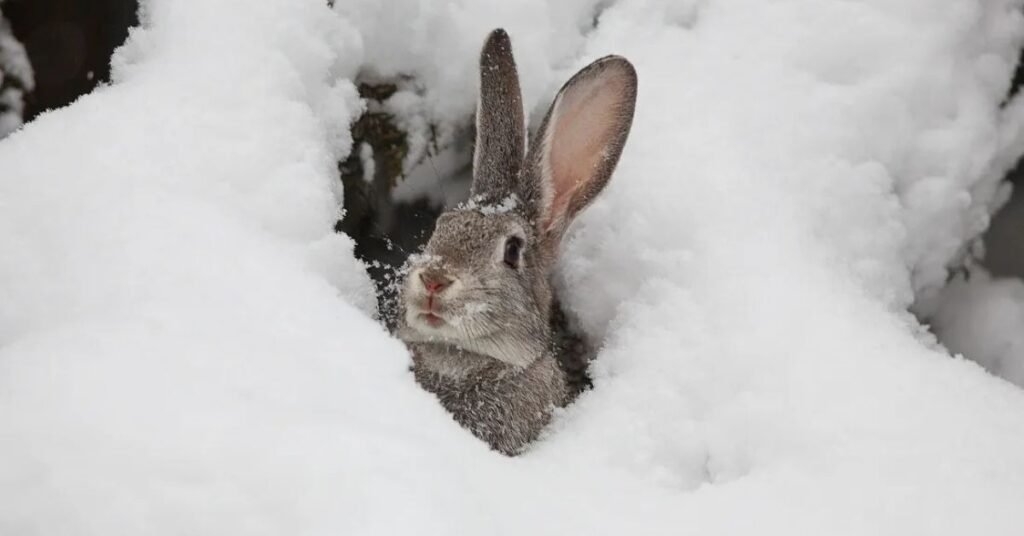
Wild rabbits stay active all twelve months of the year. You might see fewer rabbits during winter, but this happens for two main reasons. First, the rabbit population naturally decreases during harsh winter months. Second, rabbits spend more time hidden in sheltered areas to stay warm and avoid predators. They venture out mainly to search for food, usually during early morning or evening hours when it feels slightly warmer.
Eastern cottontail rabbits, the most common species in North America, never dig underground burrows like their European cousins. These cottontails are surface dwellers who take shelter in abandoned dens, under bushes, or in shallow holes. European wild rabbits create elaborate underground tunnel systems called warrens. These warrens stay around 50 degrees Fahrenheit throughout winter, providing consistent warmth and protection. Whether they live above or below ground, rabbits remain awake and alert during all seasons.
How Rabbits Survive Cold Winter Weather
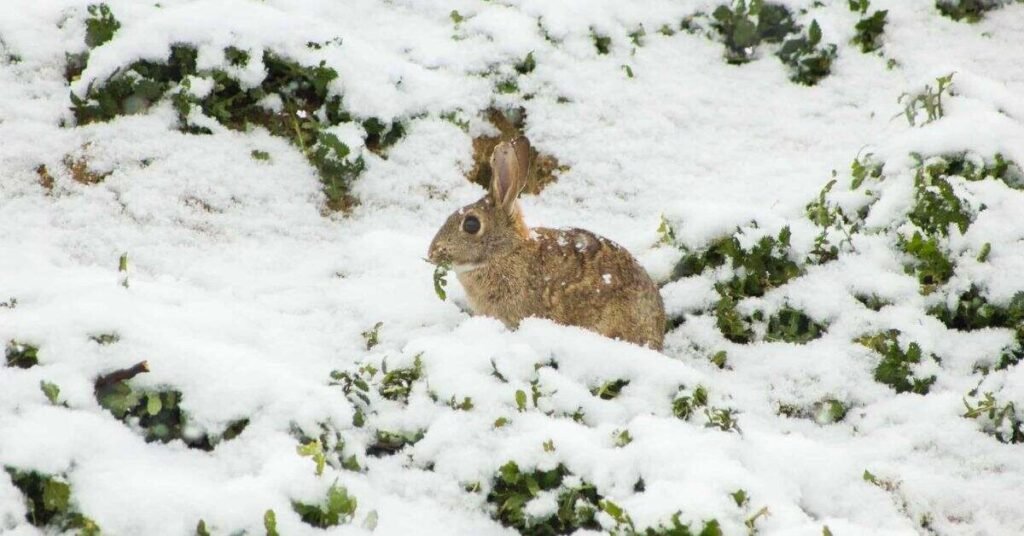
Rabbits have developed clever adaptations to handle freezing temperatures. Starting in autumn, they stop shedding their summer coat. Instead, they grow an incredibly thick winter coat that acts like a natural insulator. This dense fur traps warm air close to their skin, keeping body heat from escaping. The undercoat becomes especially wooly and thick, designed specifically for near-freezing conditions. Even the bottom of their feet grow thick fur pads to minimize heat loss when touching cold surfaces.
Rabbits also build fat layers during fall and early winter. This brown adipose tissue serves two purposes. First, it provides insulation like an extra blanket under their skin. Second, it generates heat through a process called thermogenesis. When rabbits burn this brown fat, their bodies produce warmth even in sub-zero temperatures. Wild rabbits can typically handle temperatures down to 32 degrees Fahrenheit quite comfortably. Some healthy adult rabbits survive in temperatures as low as minus 20 degrees when properly sheltered.
Where Do Rabbits Go in Winter Months
Finding safe shelter becomes crucial for rabbit winter survival. Wild rabbits seek locations that provide both food access and protection from predators. They look for thick bushes, evergreen trees, solid fences, and dense vegetation. These hiding spots keep them concealed from foxes, hawks, coyotes, and other predators who can spot prey more easily when vegetation dies back.
Rabbits huddle near human homes during extreme cold. They find warmth close to buildings, sheds, or garages. Some brave rabbits even enter window wells or open structures seeking refuge from wind and snow. European rabbits retreat into their underground warren systems, only emerging when necessary to forage. Cottontail rabbits must be more resourceful, using brush piles, fallen logs, abandoned animal dens, or any natural crevice they can find. Snow actually helps rabbits by providing extra insulation over their shelters, trapping warm air inside.
What Do Rabbits Eat During Winter
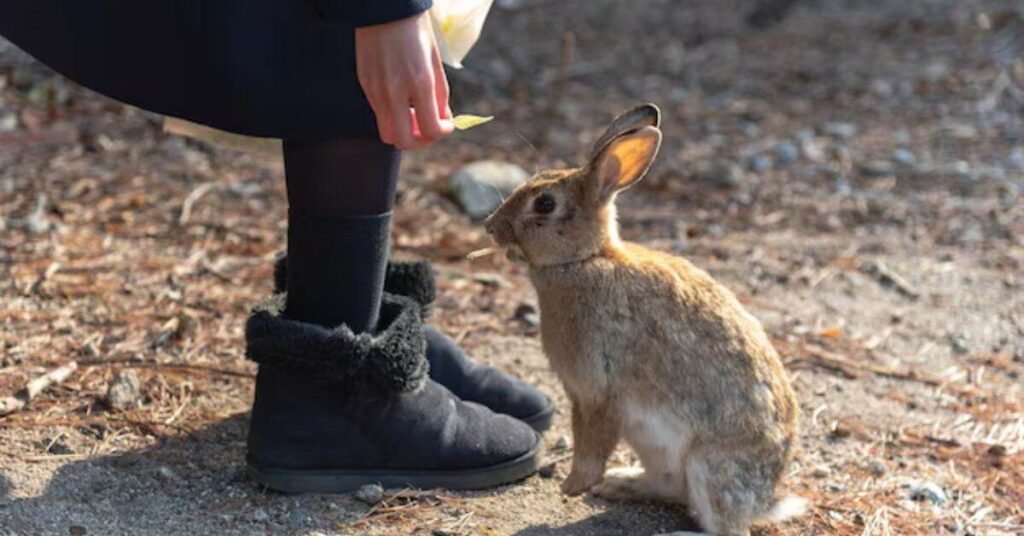
Diet changes dramatically when winter arrives. During spring and summer, rabbits feast on fresh grass, herbs, flowers, clover, and tender green plants. But snow covers these food sources, forcing rabbits to adapt their eating habits. Winter rabbit diet consists mainly of woody materials like twigs, tree bark, pine needles, and tough vegetation. They strip bark from young trees and gnaw on shrubs down to the roots.
Rabbits also practice coprophagy during winter food scarcity. This means they eat their own droppings to extract remaining nutrients. They produce special pellets called cecotropes that contain vitamins and partially digested plant material. By consuming these again, rabbits get maximum nutrition from limited food sources. Wild rabbits continue foraging throughout winter, though they venture out less frequently. They create small paths through snow to reach food sources, staying vigilant for danger while eating.
Do Pet Rabbits Hibernate Like Wild Rabbits
Pet rabbits also do not hibernate. However, they face different challenges than wild rabbits. Domestic rabbits rely entirely on their owners for warmth, food, and protection. They lack the survival instincts and freedom that wild rabbits have. You might notice your pet rabbit sleeping more during winter, but this represents reduced activity, not hibernation. They continue eating, drinking, and playing normally throughout cold months.
Outdoor pet rabbits need special care to survive winter safely. Their hutches must be weatherproofed and insulated properly. Indoor rabbits generally fare better during winter since household temperatures remain comfortable. Never move rabbits suddenly between indoor and outdoor environments. Drastic temperature changes greater than 20 degrees can shock their system. If you plan to bring an outdoor rabbit inside for winter, commit to keeping them indoors until spring when outdoor temperatures rise again.
Ideal Temperature Range for Rabbits
The ideal temperature for rabbits is 60 to 70 degrees Fahrenheit. They remain comfortable in temperatures ranging from 40 to 75 degrees. Rabbits actually handle cold better than heat. Most healthy adult rabbits tolerate temperatures down to 30 degrees without problems, assuming they have proper shelter and stay dry. Temperatures below 20 degrees become dangerous, especially for young rabbits, elderly rabbits, or single rabbits without companions.
Watch for hypothermia warning signs in cold weather. Lethargic behavior, shivering, cool ears and paws, loss of appetite, and slow breathing all indicate your rabbit feels too cold. If body temperature drops below 100 degrees, hypothermia sets in. At this point, rabbits cannot produce enough internal heat to warm themselves. External heat sources become necessary for survival. Frostbite can damage ears and other extremities permanently. Always monitor your rabbit closely during temperature extremes.
How to Keep Pet Rabbits Warm in Winter
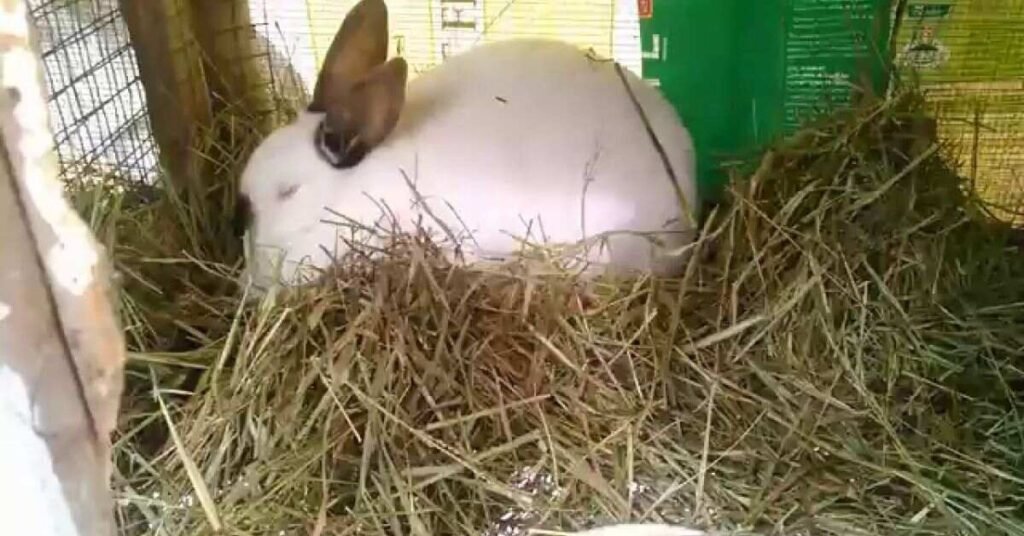
Winterizing your rabbit’s living space protects them from harsh weather. Start by inspecting the hutch for gaps, cracks, or damaged areas. Seal any openings that allow cold drafts inside. Add insulation to walls using cardboard boxes or pet-safe materials. Place thick layers of newspaper on floors underneath generous amounts of straw or hay bedding. Straw works better than hay for bedding because it repels moisture and provides superior insulation.
Position the hutch strategically for maximum protection. Raise it several inches off the ground to prevent moisture and frost transfer. Place it against a building wall or inside a shed or garage to block wind. Cover wire mesh areas with transparent sheets during the day, but ensure proper ventilation. Never seal the hutch completely or condensation and mold will develop. Use weatherproof covers or tarps secured tightly over the roof, removing them when temperatures rise to prevent overheating.
Winter Feeding Guidelines for Rabbits
Rabbits burn extra calories generating body heat during winter. Increase their food portions slightly to provide adequate energy. Offer unlimited fresh hay, which should comprise 85 percent of their diet year round. Hay generates heat during digestion, helping rabbits stay warm naturally. You can increase pellet portions by about ten percent, but pellets should still only represent five percent of total daily intake.
Provide fresh vegetables daily to replace the grass and greens rabbits cannot access outdoors. Feed leafy vegetables around midday to prevent food from freezing. Remove any frozen food immediately as it creates choking hazards. Some owners add small amounts of rolled oats or black oil sunflower seeds for extra calories, but use these sparingly. Monitor your rabbit’s weight weekly. If they lose weight despite increased food, add more portions gradually. However, avoid overfeeding pellets which can cause obesity and health problems.
Keeping Water Available in Freezing Weather
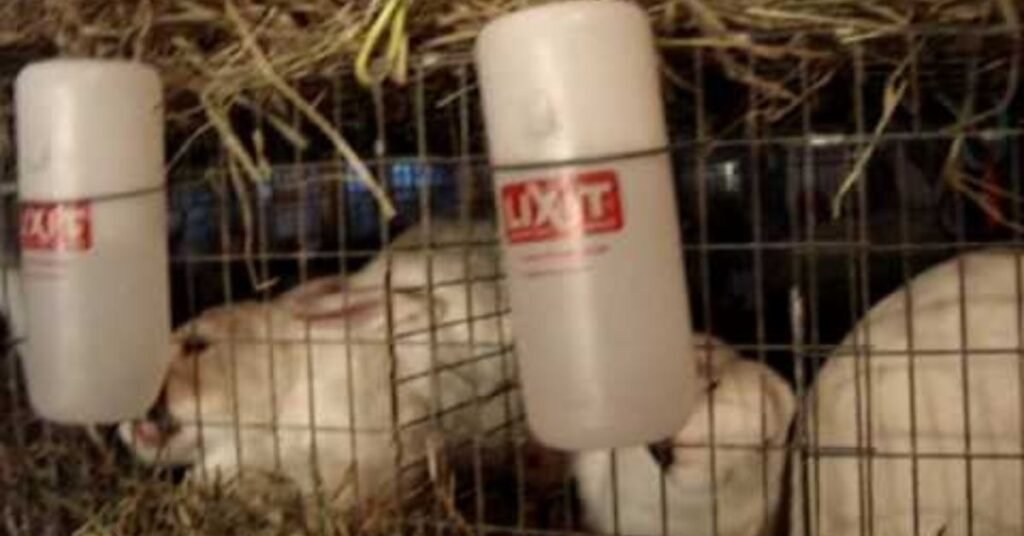
Water freezes rapidly when temperatures drop below 32 degrees. Check water bottles and bowls multiple times daily, replacing frozen water immediately. Use heated water bowls designed specifically for small animals. These bowls prevent freezing without overheating the water. Some owners rotate two water bottle sets, keeping one indoors to thaw while the other stays outside.
Try creative solutions to prevent freezing. Place hot water bottles or heated stones under water bowls. Wrap water bottles in insulating socks or covers. Position water sources near safe heat sources, ensuring water stays lukewarm rather than hot. Change water daily even with heating devices to maintain freshness. Dehydration poses serious health risks during winter. Rabbits need constant access to fresh, unfrozen water regardless of temperature.
Signs Your Rabbit is Too Cold
Learning to recognize cold stress helps you act quickly. Lethargic behavior or excessive sleeping indicates your rabbit cannot maintain proper body temperature. Shivering represents an obvious distress signal. Touch their ears, paws, and nose. If these areas feel cold or show discoloration, frostbite may be developing. Loss of appetite or reduced water consumption also signals problems.
Hypothermia progresses in stages. Early signs include cool extremities and slight lethargy. As body temperature drops, rabbits become increasingly unresponsive and may enter a stupor. Breathing and heart rate slow dramatically. In severe cases, rabbits become comatose. This represents a veterinary emergency requiring immediate professional care. Never wait to see if symptoms improve on their own. Contact your veterinarian immediately if you suspect your rabbit feels too cold.
Can Rabbits Live Outside During Winter
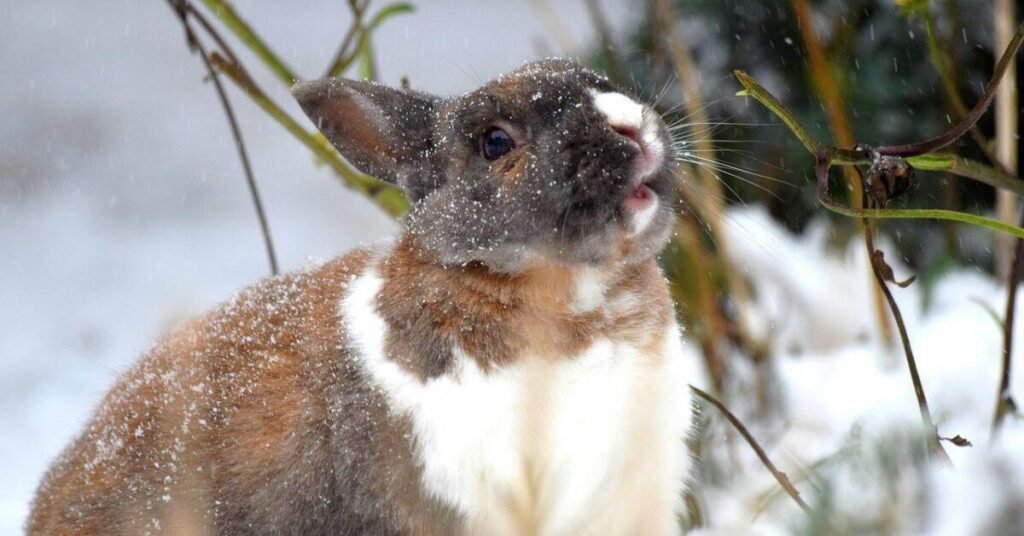
Healthy adult rabbits adapted to outdoor living can survive winter outside with proper care. The key word is “adapted.” Rabbits need several months outdoors before winter arrives so their thick winter coat develops properly. Never move indoor rabbits outside when cold weather hits. Their bodies lack necessary adaptations and they will suffer hypothermically.
Young rabbits, elderly rabbits, and sick rabbits should always stay indoors during winter. Pregnant rabbits also need indoor warmth. Single rabbits struggle more than bonded pairs because rabbits naturally huddle together for warmth. If you keep rabbits outside, provide companions so they can snuggle during cold nights. Ensure their exercise area remains accessible daily. Rabbits need to hop, dig, jump, and forage regardless of weather. Never confine them permanently to hutches just because winter arrived.
Helping Wild Rabbits Through Winter
You can support wild rabbits without making them dependent on humans. Plant winter-friendly vegetation like dense shrubs, evergreen bushes, and native grasses. These provide natural cover and food sources. Leave a “messy” corner in your garden with brush piles, fallen leaves, and overgrown grass. Wild rabbits use these areas for shelter.
Offer food responsibly if you want to help. Scatter small amounts of timothy hay or rabbit pellets near natural shelter areas. Never provide large quantities or sugary foods. Avoid feeding bread, cookies, or processed human food. These harm rabbit digestive systems. Place shallow bowls of fresh water where rabbits can access them safely. Do not feed wild rabbits directly or approach them. Observe from a distance and let them maintain their natural wariness. Your goal is supporting their environment, not taming them.
Common Winter Dangers for Rabbits
Winter presents several serious threats beyond cold temperatures. Predators become more desperate during food scarcity, increasing hunting efforts. Loss of vegetation means rabbits have fewer hiding places. They become more vulnerable to foxes, coyotes, hawks, owls, and domestic dogs or cats. Wet conditions lower body temperature extremely quickly. Rain or snow that soaks through fur causes rapid heat loss.
Pneumonia affects rabbits exposed to cold, damp conditions. Respiratory infections spread more easily in winter. Arthritis worsens in elderly rabbits during cold weather, making movement painful. This can prevent proper grooming, leading to additional health complications. Ice and snow create slippery surfaces that cause injuries. Sharp ice can cut paw pads. Always keep rabbit living areas clean and dry. Remove wet bedding immediately and replace with fresh, dry materials. Moisture freezes in extreme cold, creating dangerous conditions.
Winter Exercise Needs for Rabbits
Exercise remains essential even during freezing weather. Rabbits are most active at dawn and dusk, so they need access to exercise areas during these times. Cover runs with tarps or transparent sheeting to protect from snow and rain while allowing natural light. Ensure exercise areas connect directly to hutches so rabbits can move freely between warmth and activity.
Provide enrichment items to encourage movement during cold days. Scatter hay in multiple locations so rabbits forage naturally. Add tunnels, platforms, and hiding boxes to exercise areas. Place grazing trays filled with fresh hay and dried forage throughout their space. Even on extremely cold days, rabbits need to stretch, hop, and explore. Physical activity generates body heat and maintains mental health. Never lock rabbits in hutches for extended periods, regardless of weather conditions.
Do Rabbits Migrate to Warmer Climates
Rabbits do not migrate. Unlike birds that fly south or animals that travel long distances seasonally, rabbits stay in their home territory year round. They live within a five mile radius throughout their entire lives. Wild rabbits adapt to seasonal changes by growing thicker fur, changing their diet, and seeking better shelter. They possess neither the instinct nor the physical capability for long distance migration.
Their survival strategy focuses on adaptation rather than relocation. Rabbits evolved to handle their local climate effectively. European rabbits living in northern regions survive harsh winters using the same territories they occupy during summer. Eastern cottontails in North America stay put through all seasons. They might travel slightly longer distances during winter while foraging, but these represent foraging trips rather than migration. Home territory provides familiar shelter locations, food sources, and escape routes that keep rabbits safe.
Winter Rabbit Behavior Changes
Rabbits modify their behavior during winter months. They become more cautious and alert because predator threats increase. Food scarcity makes them less selective about what they eat. They spend more time in or near shelters rather than roaming widely. Foraging activities shift to warmer daylight hours rather than early morning or evening periods.
Wild rabbits create networks of paths through snow to connect shelters with food sources. They often follow the same routes repeatedly, packing down snow to make travel easier. Pet rabbits may appear less playful during winter, conserving energy when temperatures drop. However, they should still demonstrate normal eating, drinking, and grooming behaviors. Any dramatic personality changes warrant veterinary attention. Rabbits instinctively know how to survive winter when given proper resources and protection.
Table: Quick Winter Care Checklist for Pet Rabbits
| Care Area | Winter Requirements |
| Shelter | Insulated hutch, raised off ground, weatherproof, draft-free |
| Bedding | Deep layers of straw and hay, changed frequently when wet |
| Food | Increased portions, unlimited hay, fresh vegetables daily |
| Water | Check multiple times daily, use heated bowls, prevent freezing |
| Temperature | Monitor for drops below 30°F, watch for hypothermia signs |
| Exercise | Daily access to covered run, enrichment activities provided |
| Companionship | Bonded pair or group for warmth and comfort |
| Health Checks | Daily observation for lethargy, appetite changes, cold extremities |
Conclusion
Rabbits do not hibernate, but they have natural ways to stay active and survive through cold seasons. Their bodies adapt, and they rely on warm shelters and available food sources to stay safe during winter months. Understanding this helps us appreciate how strong and smart these small animals really are.
For pet rabbits, winter care is important. A warm home, dry bedding, and fresh food keep them healthy and comfortable. With the right support, rabbits can enjoy every season without stress or danger.
FAQs
Do rabbits hibernate?
No, rabbits do not hibernate. They stay active all year, even in winter.
How do rabbits survive winter?
They grow a thicker winter coat and stay warm by hiding in burrows or sheltered spots.
Do pet rabbits need extra care in cold weather?
Yes, pet rabbits need warm housing, dry bedding, and protection from cold winds.
What do wild rabbits eat in winter?
Wild rabbits eat bark, twigs, dried grass, and any available vegetation during winter.
Can cold temperatures harm rabbits?
Extreme cold can be dangerous, especially for young or sick rabbits, so they need proper shelter.
