

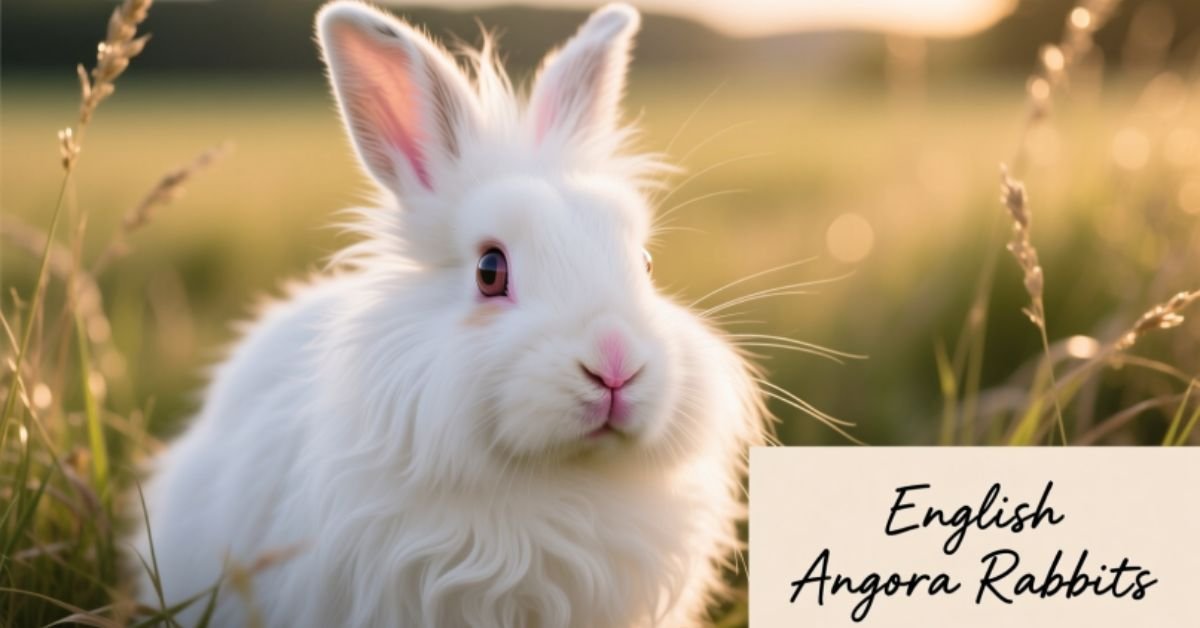
Imagine a fluffy rabbit with soft, silky fur that looks like a cloud.That’s the English Angora rabbit, one of the most enchanting and unique rabbit breeds you’ll ever encounter.Whether you’re a seasoned rabbit enthusiast or considering your first fluffy companion, the English Angora offers a distinctive experience that sets it apart from other breeds.
These captivating creatures have won hearts for centuries with their gentle temperament and show-stopping appearance. But beneath that gorgeous coat lies a rabbit with specific care needs that every potential owner should understand before bringing one home.In this comprehensive guide, we’ll explore everything you need to know about the rabbit English Angora, from their fascinating history to their daily care requirements, helping you decide if this remarkable breed is the right fit for your home.
What Makes the English Angora Rabbit Special?
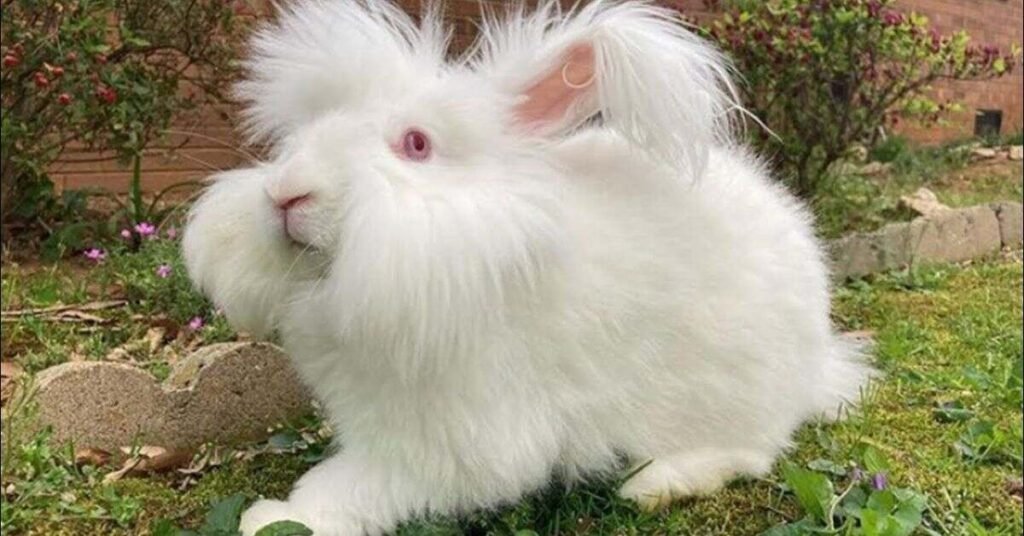
The English Angora stands out as the oldest and most popular variety among Angora rabbit breeds. What truly distinguishes this breed is its remarkably soft coat and unique appearance.Among all Angora varieties, the English Angora is the only one that features fur covering their face, including around their eyes, giving them an adorable teddy bear-like appearance.This breed produces the finest grade of Angora wool, making it highly sought after by fiber enthusiasts and crafters.
Their fur feels incredibly soft to the touch, often compared to cashmere in its luxurious texture.The English Angora has a compact, commercial body type with dense, plush fur that requires dedicated grooming. Their distinctive look, combined with their friendly personality, makes them favorites at rabbit shows and in family homes alike.Their wool grows at an impressive rate of about one inch per month, requiring consistent maintenance to prevent matting and keep them healthy and happy.
English Angora Size & Key Traits
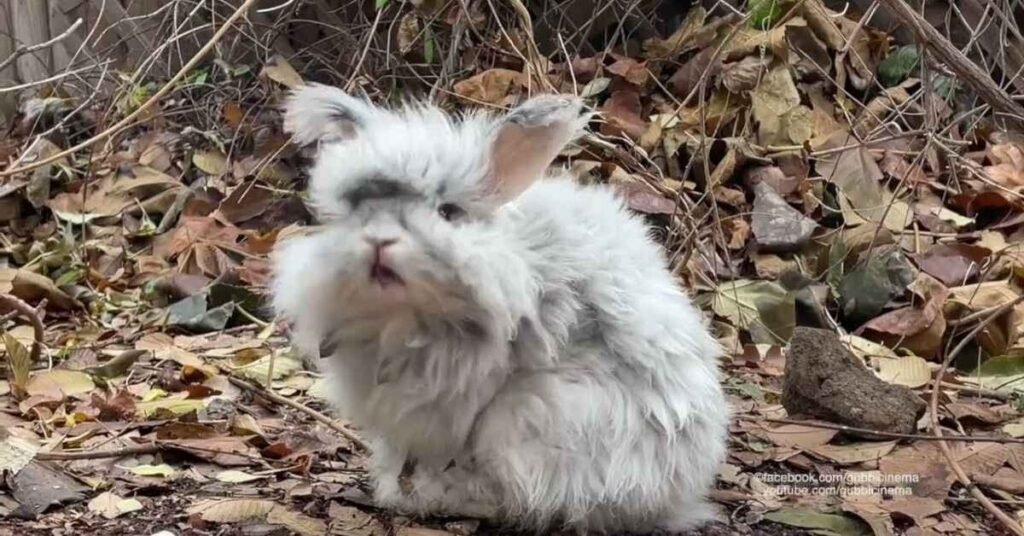
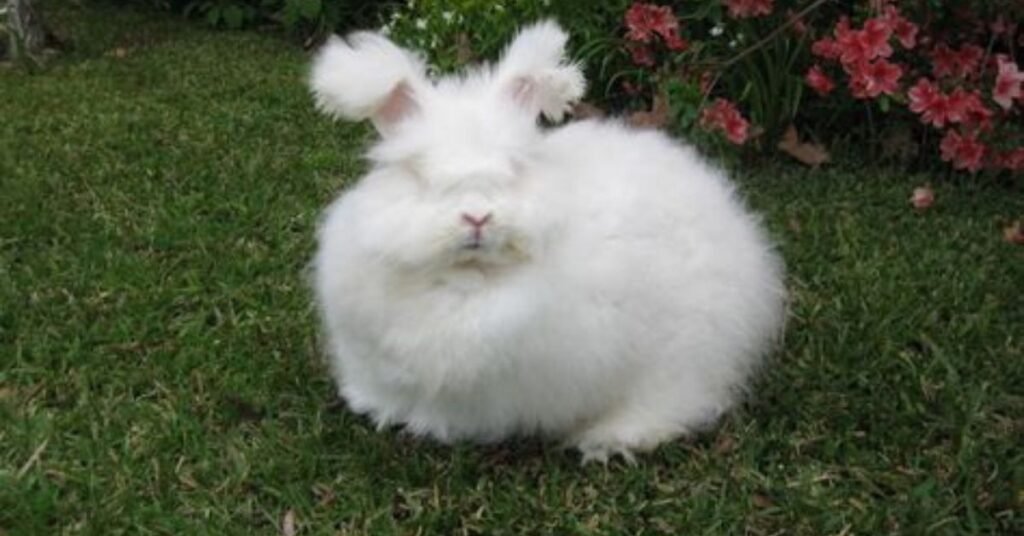
English Angora rabbits are small to medium-sized rabbits. Usually, they weigh between 5 and 7 pounds. Their body is compact and well-rounded. What makes them stand out is their long, fluffy wool that covers their whole body, even their face. This gives them a soft and cloud-like look.
Their fur is silky, thick, and grows quickly. They have short ears with small tufts of fur at the tips. Their eyes are bright and expressive. Because of their heavy coat, they look bigger than they really are. Their unique appearance makes them one of the most beautiful rabbit breeds.
English Angora Rabbit Lifespan and Longevity
Understanding a pet’s lifespan is important before bringing one home. The English Angora rabbit usually lives 7 to 12 years, and many live longer with good care, proper food, and regular vet visits. A healthy diet plays a big role in how long they live. Rabbits that eat plenty of hay, fresh veggies, and quality pellets stay stronger and healthier.
Grooming is also very important for English Angoras. Their long fur can cause problems like wool block if not brushed often. Safe and comfortable housing helps them live longer too. Indoor rabbits usually live more years because they are protected from bad weather, predators, and diseases. Regular vet check-ups, good dental care, and spaying or neutering also support a long life. With proper care and attention, your English Angora can stay happy and be part of your family for many wonderful years.
History and Origins of the Breed
English Angora rabbits have a very old and rich history. They are believed to have come from Ankara, Turkey, once called Angora. Travelers brought them to Europe in the 1700s because people loved their soft wool. Over time, breeders worked to improve their coat and appearance. This helped the breed become popular in many countries.
The English Angora later reached America, where breeders refined its unique traits. They focused on its full facial wool, compact size, and gentle nature. Because of these features, the breed became well-known in shows and wool production. Today, English Angoras are loved for their beauty, softness, and long history.
| Time Period | Location | Key Development | Reason for Popularity | Breed Changes | Notes |
| Early Origins | Ankara (Angora), Turkey | First appearance of long-haired rabbits | Soft and warm wool | Natural long fur | Named after the region |
| 1700s | Europe | Rabbits brought by travelers and traders | Wool admired by royal families | Early selective breeding began | Became a luxury pet |
| 18th–19th Century | France & England | Continued breeding for softer wool | Strong demand for Angora wool | Coat became thicker and finer | Used in textile crafting |
| Early 1900s | United States | Breeders imported Angora rabbits | Growing interest in fiber rabbits | Development of English Angora type | Facial wool increased |
| Amid the 1900s | America & Europe | Standardization of breeds | Often used in shows and wool spinning | Compact body with more definition | Awarded by major rabbit clubs |
| Modern Day | Worldwide | Known for wool production and gentle nature | Loved by hobbyists and fiber artists | Consistent breed traits maintained | One of the most famous wool breeds |
Temperament and Personality Traits
English Angora rabbits are calm and gentle by nature. They enjoy quiet spaces and feel relaxed around kind people. These rabbits bond well with their owners and show affection in a soft way. Their peaceful behavior makes them easy to handle and care for. They are patient and enjoy gentle grooming sessions.
They are also playful when they feel safe and comfortable. They like simple toys and slow exploration. Loud noises or sudden movements can scare them, so a calm environment is best. Their friendly and steady personality makes them great for families and beginners. With love and routine, they stay happy and confident.
Common personality traits include:
- Calm and gentle
- Friendly with owners
- Enjoy slow, quiet play
- Easy to handle and groom
- Sensitive to loud environments
Essential Care and Housing Requirements
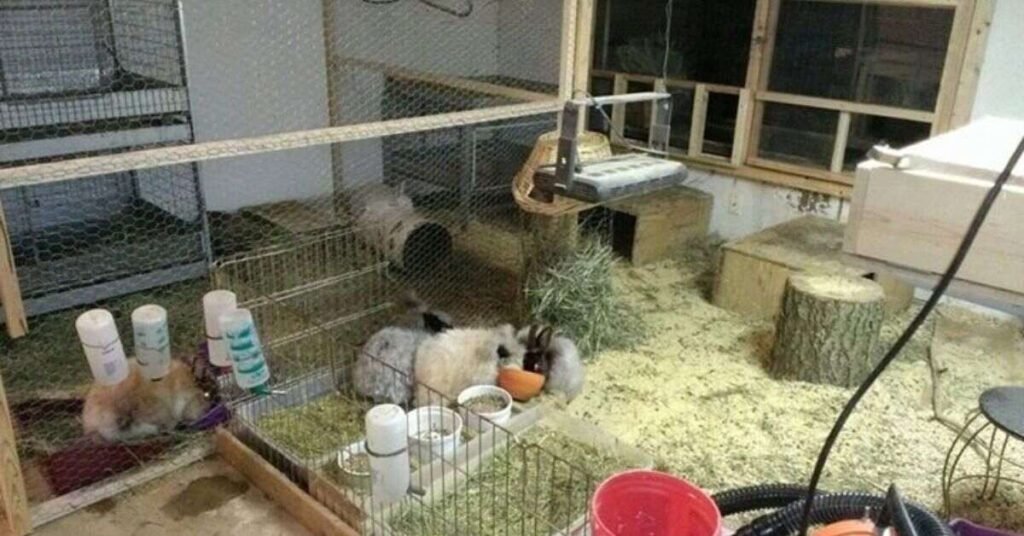
Caring for an English Angora rabbit takes time and understanding, especially because of their long coat and special housing needs. They can live indoors or outdoors, but indoor housing is much safer. Indoor rabbits stay protected from predators, bad weather, and many illnesses. These rabbits feel comfortable in temperatures between 50°F and 75°F. Anything hotter can cause overheating because of their thick fur.
Your English Angora needs a roomy enclosure, at least 6 to 8 square feet, but more space is always better. They need room to hop, stretch, and relax. If kept outside, the hutch must be secure, shaded, and never placed in direct sunlight. For housing, wire cages with solid bottoms or plastic trays work well. Use newspaper or rabbit-safe bedding and clean the area daily. Also, give your rabbit a cozy hideaway box filled with hay so they can rest and feel safe.
Nutrition and Diet Guidelines
English Angora rabbits need a balanced diet to stay healthy. Their main food should be fresh hay because it helps digestion and prevents wool block. They also need clean water every day. Leafy greens add vitamins to their diet and keep them active. A small amount of pellets gives them extra nutrients.
These rabbits have long fur, so they need high-fiber foods. Fiber helps their stomach stay clean and reduces the risk of hair buildup. Introduce new foods slowly to avoid stomach upset. Avoid sugary snacks and limit fruits. A healthy diet keeps their coat soft and their body strong.
Healthy food options include:
- Fresh timothy or orchard hay
- Leafy greens like romaine, cilantro, or kale
- High-quality rabbit pellets (small amount)
- Clean water available all the time
- Occasional fruits as a rare treat
The Grooming Commitment You Need to Understand
Grooming an English Angora rabbit is very different from caring for short-haired breeds. It takes more time and must be done regularly. English Angoras need grooming several times a week, and many owners brush them every day to stop mats and tangles. Their wool grows nonstop, about one inch each month.
Use a slicker brush and a metal comb to gently go through the coat, especially on the belly, legs, and behind the ears. Start grooming when your rabbit is young so they get used to it. Never pull on mats because their skin is very thin. Trim stubborn mats carefully if needed.
Every few months, their coat should be trimmed or shaved to keep it healthy. Keep the fur around the eyes and bottom clean to prevent infections. Trim their nails every four to six weeks. Grooming can take 30 minutes to an hour, so this breed needs committed care.
Common Health Concerns and Prevention
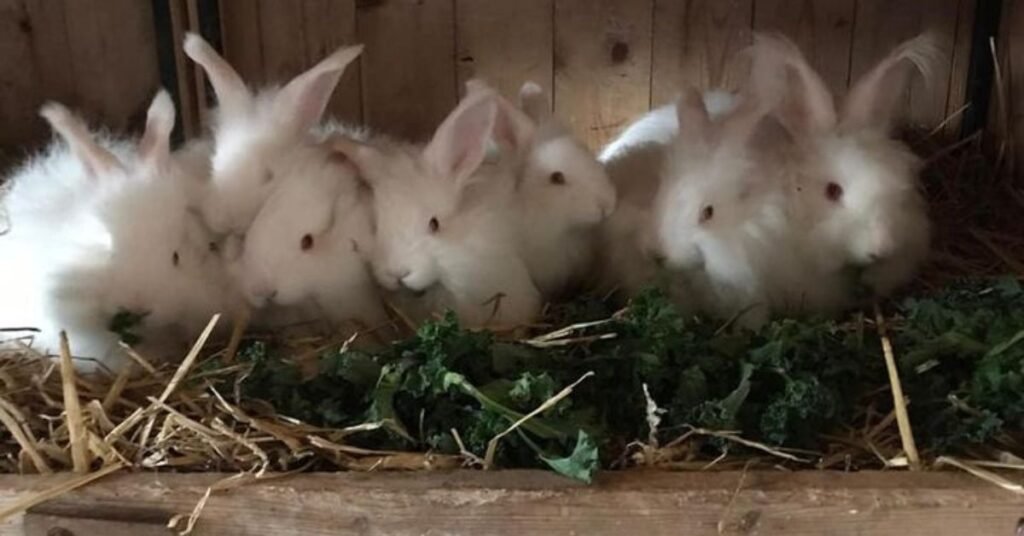
English Angora rabbits are usually healthy, but they do have some special risks because of their long coat. The most serious problem is wool block. Rabbits cannot vomit, so any fur they swallow must pass through their stomach. If too much fur builds up, it can cause a blockage and stop their digestion. Signs include not eating, very small or no poop, tiredness, and a hunched posture. Veterinarian care is urgently needed in this case. Regular grooming and plenty of hay help prevent this problem.
They can also get digestive stasis, which happens when their stomach slows down or stops working. Flystrike is another danger, especially for outdoor rabbits, when flies lay eggs in dirty fur. Long face fur can cause eye infections, and ear fluff can trap debris and lead to ear infections. Their teeth grow nonstop, so they need hay to keep them worn down. Handle English Angoras carefully because their spine is delicate.
Is an English Angora Rabbit Right for You?
English Angora rabbits can be amazing pets, but they are not the right choice for everyone because they need a lot of care. They are best for people who can spend time grooming them several times a week and arranging professional trimming every few months. This is a big responsibility and cannot be skipped. They are a good match for experienced rabbit owners or anyone willing to learn proper grooming, diet, and health care.
These rabbits are also great for people who enjoy working with fiber, as their wool is soft and perfect for spinning or crafting. They have calm, loving personalities and enjoy gentle bonding time. However, they do not do well in busy homes where they are left alone for long hours. They are not ideal for young children or beginners without help from an adult. Since they live 7 to 12 years, owning an English Angora is a long-term commitment that requires steady, careful attention.
Finding Your English Angora Rabbit
Bringing home an English Angora rabbit is exciting, but it needs careful planning. Always look for a reputable breeder, preferably one who is a member of the American Rabbit Breeders Association or the National Angora Rabbit Breeders Club. Visit the breeder if possible and check for clean conditions and healthy, well-socialized rabbits. Ask about their experience, health practices, and how they socialize the rabbits from a young age.
Check the rabbit’s fur, eyes, ears, nose, and mouth for signs of good health. Fur should be clean and mostly mat-free, and eyes should be bright and clear. Breathing should be calm without wheezing or sneezing. Pet-quality English Angoras usually cost $50–$200, while show-quality rabbits can be $150–$500+. Budget for initial setup like housing, bedding, and grooming tools ($150–$300+) and monthly care costs for hay, vegetables, pellets, and supplies ($30–$60). Careful preparation ensures a happy, healthy rabbit.
Conclusion
Bringing an English Angora rabbit into your life is a special experience. These rabbits need more time and care than most breeds, especially for grooming. But for owners willing to commit, the rewards are wonderful. Their gentle and loving nature creates strong bonds that last for years. Grooming time can become relaxing bonding moments, where you connect quietly with your fluffy companion.
English Angoras are full of personality, and watching them grow comfortable in their home is very satisfying. For those who enjoy fiber crafts, their soft wool can be used to make scarves, mittens, and other handmade items. Their cloud-like appearance always amazes visitors and brings smiles. With proper care, attention, and commitment, an English Angora can be a beloved family member for 7–12 years or more. Make sure you have the time and resources to meet their needs, and your journey with them will be full of joy, cuddles, and companionship.
FAQs
1. What makes English Angora rabbits unique?
English Angora rabbits are known for their long, silky wool that covers their entire body, including their face. Their soft fur requires regular care, but it also makes them very eye-catching. They are gentle, quiet, and make great pets for patient owners.
2. How often should I groom an English Angora rabbit?
These rabbits need grooming at least 3–4 times a week to prevent matting. Their wool grows quickly and can tangle easily. Regular brushing keeps their coat clean and reduces shedding around the home.
3. Are English Angora rabbits good for beginners?
They can be good pets, but they need more grooming than most breeds. Beginners can manage them with commitment and routine care. Their calm and friendly personality makes the effort worthwhile.
4. What should English Angoras eat?
Their diet should include fresh hay, leafy greens, clean water, and a small amount of pellets. Because they have long fur, high-fiber foods help prevent wool block. Healthy digestion keeps their wool and body in good condition.
5. Do English Angora rabbits need special housing?
They need a clean, spacious, and well-ventilated home. Their wool can trap dirt easily, so the environment should be dry and tidy. Soft bedding and daily cleaning help keep them comfortable and healthy.
