

Introduction
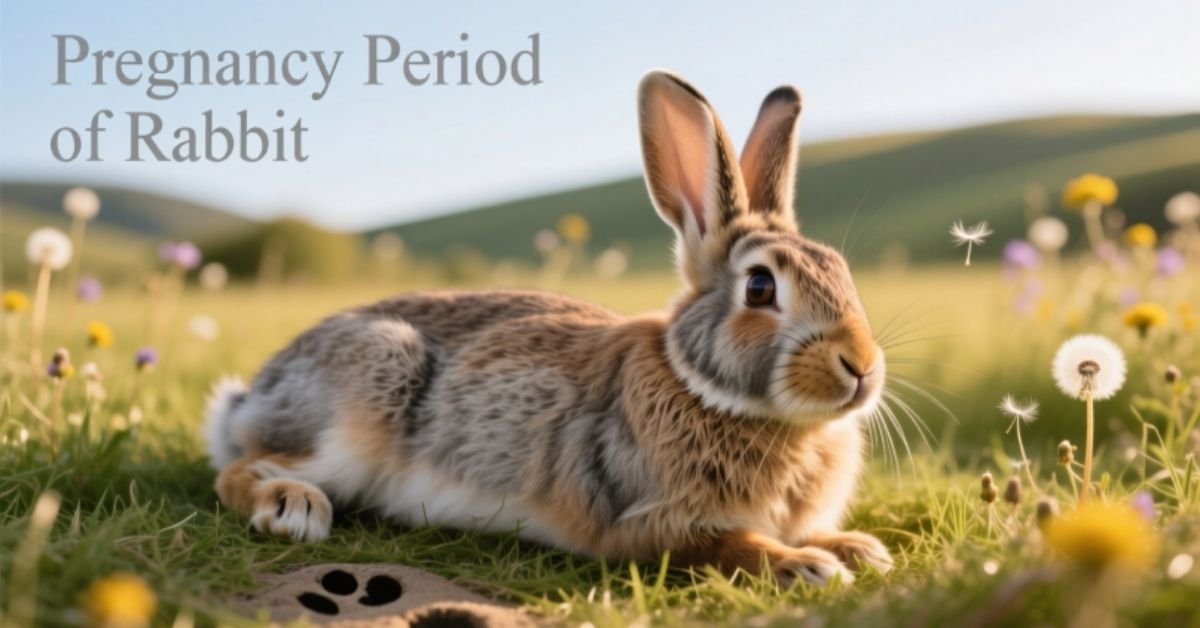
The pregnancy period of a rabbit is the time when a female rabbit carries her babies. It usually lasts about 28–32 days. During this time, the mother rabbit needs extra care and attention.
Pregnancy in rabbits can be delicate. Many new rabbit owners worry about the health of the mother and her babies. Understanding the signs and stages helps prevent problems.
In this guide, we will share expert advice on how to care for a pregnant rabbit. You will learn about diet, nesting, and what to expect before and after birth. Proper care ensures healthy and happy bunnies.
Signs Your Rabbit Is Pregnant
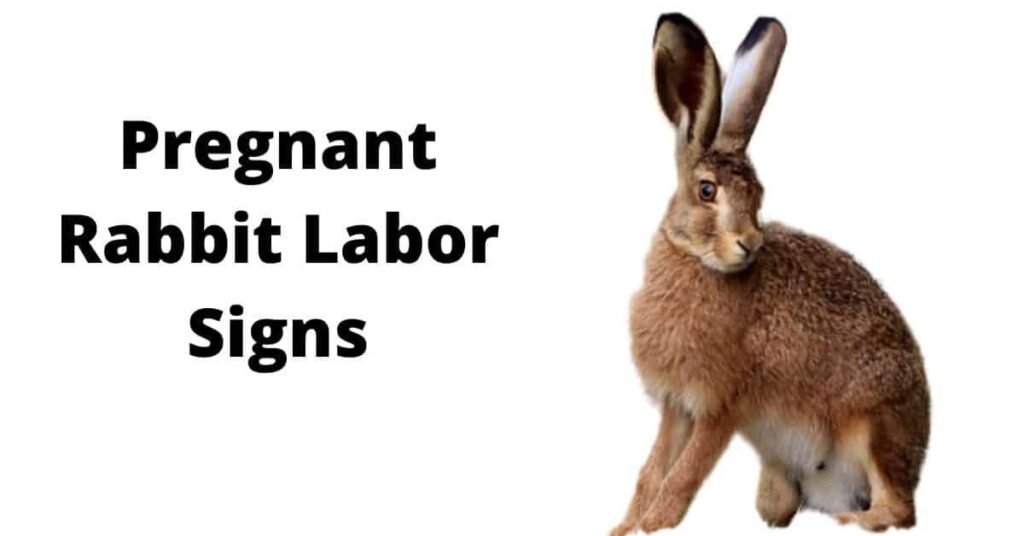
Noticing early signs can help you care for a pregnant rabbit. Common signs include a bigger belly, changes in appetite, and more rest than usual. She may also become more protective or restless as the days pass.
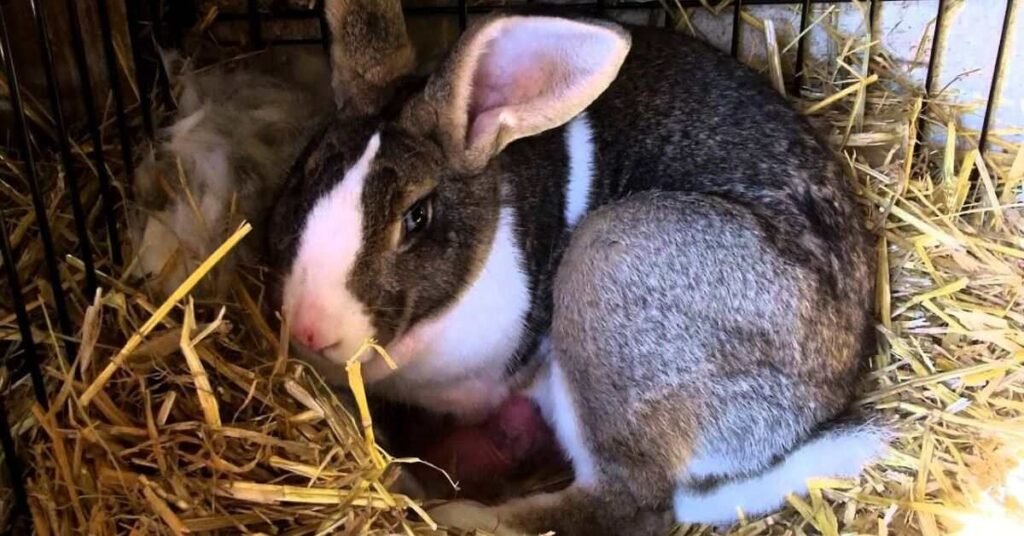
Other signs include nesting behavior, where she gathers hay or soft materials to prepare for babies. You might also see slight weight gain and firmer nipples. Observing these signs closely ensures she gets proper care.
Physical Signs of Pregnancy
Pregnant rabbits show clear physical changes as their pregnancy progresses. These changes help you know that she is expecting babies. Observing her body closely can prevent problems and ensure proper care.
Key physical signs include:
- Slightly larger and rounder belly
- Firmer and slightly darker nipples
- Weight gain over a few weeks
- Swollen abdomen in the later stages
- Gentle nesting behavior with hay or soft materials
How to Confirm Pregnancy
Confirming a rabbit’s pregnancy is important for proper care. The easiest way is to observe her behavior and physical changes. Look for signs like a rounder belly, nesting habits, and changes in appetite.
You can also gently feel her abdomen after about two weeks. A small firm area near the spine may indicate developing babies. Be very careful and gentle to avoid hurting her.
For more accuracy, a veterinarian can confirm pregnancy through an ultrasound or palpation. Early confirmation helps you prepare a safe space and proper diet for the mother rabbit.
How Long Are Rabbits Pregnant?
Rabbits have a short pregnancy period compared to many other animals. On average, they are pregnant for about 28 to 32 days. Some breeds may have slightly shorter or longer periods, but most fall within this range.
The pregnancy is divided into stages. Early on, changes may be subtle, but later the belly grows, and nesting behavior begins. Knowing the length helps you prepare for the birth and care of the baby rabbits.
Caring for a Pregnant Rabbit
Caring for a pregnant rabbit is very important for her health and her babies. Provide fresh hay, clean water, and nutritious vegetables every day. Make sure she has a quiet and safe space to rest.
You should also prepare a nesting area with soft materials like hay or shredded paper. Avoid handling her too much, but watch for signs of stress or illness. Gentle care and attention help ensure a healthy pregnancy and strong, happy kits.
Diet and Nutrition for Expecting Rabbits
A proper diet is very important for pregnant rabbits. They need more energy and nutrients to support their growing babies. Fresh hay should be the main food, along with fresh vegetables and clean water every day.
Here is a simple guide to diet and nutrition for expecting rabbits:
| Food Type | Recommended Amount | Notes |
| Fresh Hay | Unlimited | Main food; supports digestion and teeth health |
| Leafy Greens | 1–2 cups per day | Examples: romaine, spinach, parsley |
| Vegetables | Small portions daily | Carrots, bell peppers; avoid onions & potatoes |
| Pellets | 1/4 cup per 5 lbs body weight | High-quality pellets with vitamins & minerals |
| Fresh Water | Unlimited | Clean and changed daily |
| Treats (Fruits) | Small, occasional | Apple, banana, or berries; avoid sugary foods |
Providing Comfortable and Safe Housing
Pregnant rabbits need a safe and comfortable home. A quiet, clean, and spacious area reduces stress and supports a healthy pregnancy. Make sure the space is free from drafts, predators, and loud noises.
Here is a guide to setting up housing for a pregnant rabbit:
| Housing Element | Recommendation | Notes |
| Cage or Hutch Size | Minimum 4×2 feet per rabbit | Bigger is better for movement and comfort |
| Bedding | Soft hay, straw, or shredded paper | Avoid cedar or pine due to harmful oils |
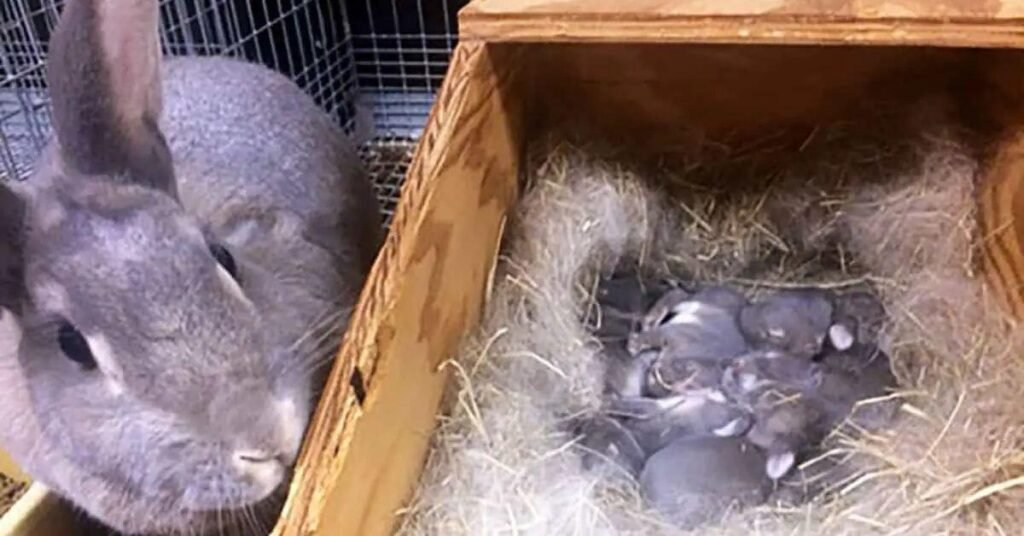
| Nesting Box | 12×12 inches, lined with soft materials | Essential for kits before birth |
| Cleanliness | Daily spot cleaning, full cleaning weekly | Prevents illness and keeps rabbits healthy |
| Temperature | 60–70°F (15–21°C) | Avoid extreme heat or cold |
| Safety | Secure from predators and household pets | Prevents injury and stress |
Veterinary Care During Pregnancy
Regular veterinary care is important for pregnant rabbits. A vet can check the health of the mother and her developing babies. Early visits help prevent complications and ensure a safe pregnancy.
Here are some key tips for veterinary care:
- Schedule a check-up early in pregnancy.
- Monitor for signs of illness like loss of appetite or unusual behavior.
- Ask the vet about proper diet and supplements.
- Get advice on safe handling and nesting.
- Vaccinate if recommended by your vet.
Caring for the Mother Rabbit
After giving birth, the mother rabbit needs extra care and attention. Provide fresh hay, clean water, and nutritious vegetables daily. Make sure her living space is clean, quiet, and safe to reduce stress.
Monitor her health and behavior closely. Check that she is feeding her babies and staying active. Avoid too much handling, but offer gentle attention. Proper care helps her recover and keeps both her and her kits healthy.
Caring for the Kits (Baby Rabbits)
Baby rabbits, or kits, need careful attention in their first weeks. Keep them in a warm, safe, and clean nesting box. Avoid disturbing them too much, as the mother feeds them only a few times a day.
Monitor their growth and health. Ensure they are nursing properly and gaining weight. Do not handle them too often, but check for signs of illness or weakness. Gentle care ensures strong and healthy kits.
False Pregnancy in Rabbits
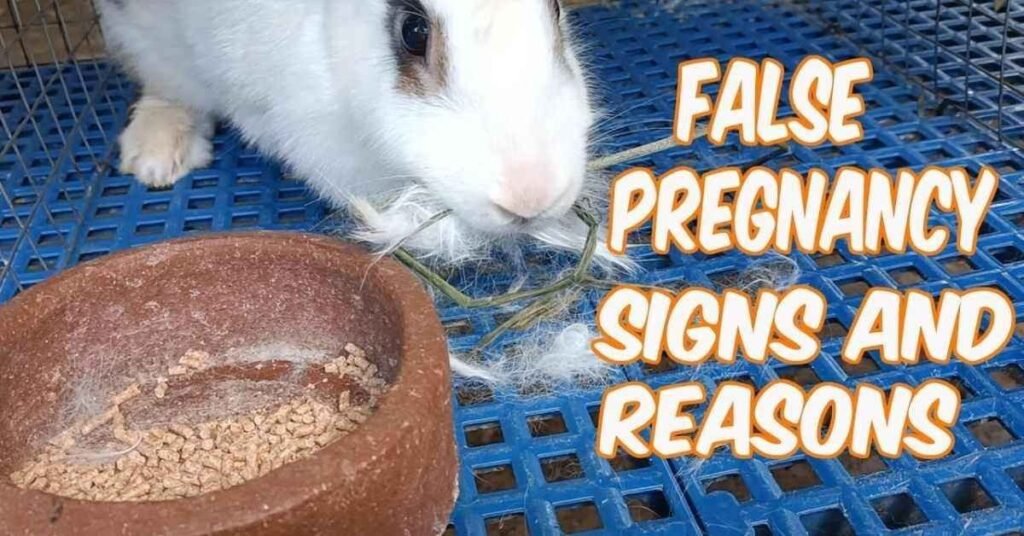
False pregnancy in rabbits happens when a female shows signs of pregnancy but has no babies. She may build a nest, pull fur, or act protective. This usually lasts 15–21 days and is harmless.
It can be confusing for owners, but it does not need medical treatment. Keep her comfortable and provide fresh food and water. Observing her behavior and giving gentle care helps her stay healthy during this period.
Conclusion
Caring for a pregnant rabbit takes attention and love. Knowing the signs, proper diet, and safe housing ensures a healthy mother and babies.
Regular check-ups and gentle care make the pregnancy smooth. With proper preparation, your rabbit and her kits can stay healthy and happy.
FAQs
1. How long is the pregnancy period of a rabbit?
Rabbits are usually pregnant for 28–32 days.
2. How can I tell if my rabbit is pregnant?
Look for signs like a round belly, nesting behavior, and changes in appetite.
3. What should I feed a pregnant rabbit?
Provide unlimited hay, fresh vegetables, clean water, and a small amount of pellets.
4. Can a rabbit have a false pregnancy?
Yes, sometimes rabbits show pregnancy signs but have no babies. This is harmless.
5. How should I care for newborn kits?
Keep them warm, safe, and let the mother feed them. Avoid too much handling.
