

Introduction
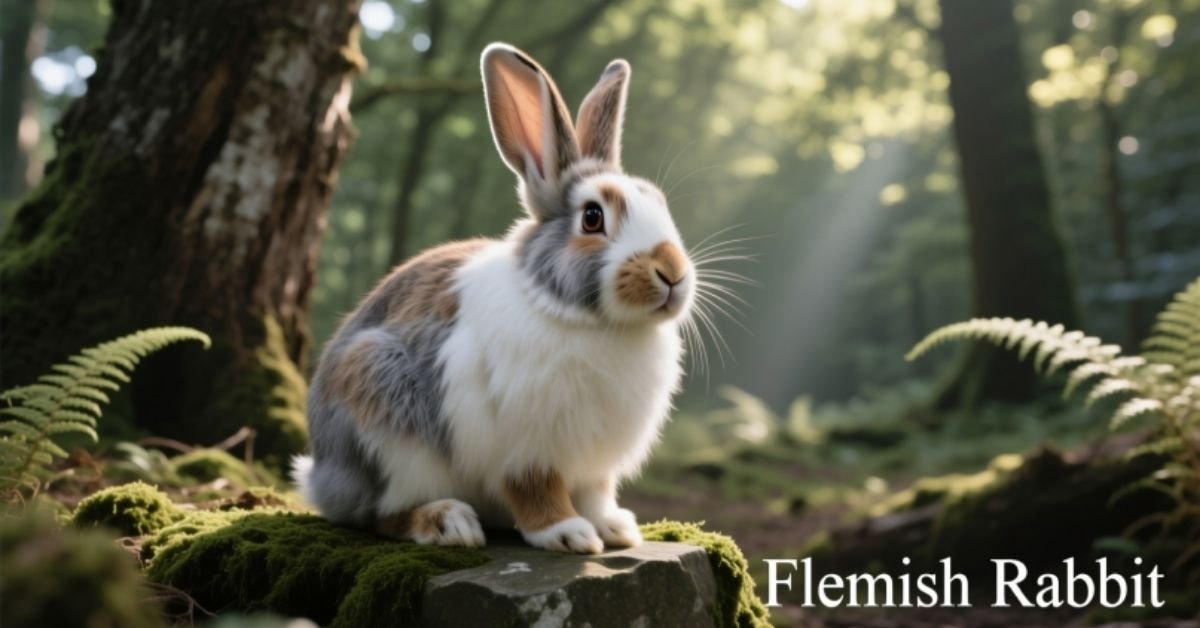
The Flemish rabbit is one of the largest rabbit breeds in the world. It is famous for its impressive size and calm personality. Many people call it the “gentle giant” because of its relaxed and friendly nature. This rabbit is easy to recognize and often kept as a loving companion.
Thinking about owning a Flemish rabbit? It can be a wonderful pet, but it needs special care. Its large body requires more space, extra food, and daily attention. New owners are often surprised by how different its needs are compared to smaller rabbits.
This beginner-friendly guide will help you understand proper care, including housing, diet, health, and daily routines. With the right setup and commitment, a Flemish rabbit can enjoy a long, happy, and healthy life.
Overview of the breed, history, and unique features
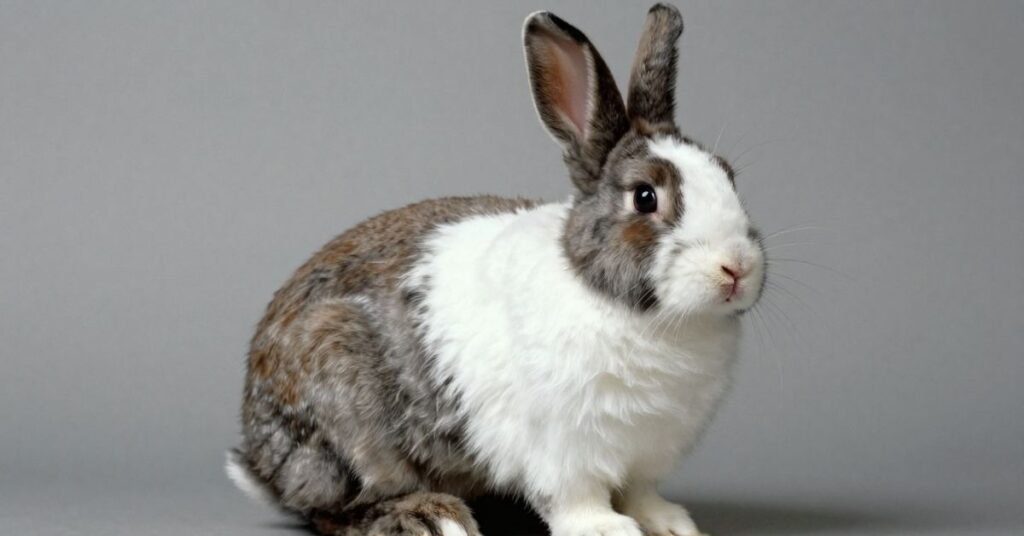
The Flemish Giant Rabbit is one of the largest rabbit breeds in the world. It has a long body and strong legs. Its ears are wide and stand upright. The fur is short and smooth. This rabbit is calm and gentle by nature. It is often called the “gentle giant.”
This breed started in Belgium many years ago. It was first raised for meat and fur. Over time, people also kept it as a pet. The Flemish Giant grows slowly but becomes very large. It needs more space than small rabbits. It is friendly and can learn simple routines.
| Feature | Description |
| Breed Name | Flemish Giant Rabbit |
| Origin | Belgium |
| Breed Type | Domestic rabbit |
| Size | Very large |
| Average Weight | 6–10 kg (13–22 lbs) |
| Body Shape | Long and muscular |
| Ear Type | Long and upright |
| Fur Length | Short to medium |
| Fur Texture | Dense and glossy |
| Common Colors | Black, grey, fawn, white, blue, sandy |
| Temperament | Calm and gentle |
| Activity Level | Moderate |
| Intelligence | Fairly intelligent |
| Lifespan | 5–8 years |
| Diet | Hay, vegetables, pellets |
| Space Needed | Large living area |
| Care Level | Moderate to high |
| Use in History | Meat and fur |
| Pet Suitability | Good with proper space |
| Climate Tolerance | Prefers cool weather |
| Special Feature | One of the largest rabbit breeds |
History and Origin of Flemish Rabbits
Flemish Rabbits came from Belgium many years ago. They are believed to have started in the Flanders region. Farmers bred them for their large size and strong bodies. At first, they were raised for meat and fur. Over time, people noticed their calm nature. This made them popular as pets and show rabbits.
Later,these Rabbits were brought to other countries. They became very popular in the United States. Breeders worked to improve their size and color. Rabbit shows helped increase their fame. Today, Flemish Rabbits are known as gentle giants. They are loved for both their looks and friendly behavior.
| Time Period | Event | Details |
| 1500s | Early Development | Large rabbits bred in the Flanders region of Belgium |
| 1600s–1700s | Purpose Breeding | Raised mainly for meat and fur |
| 1800s | Spread Across Europe | Breed becomes popular in nearby countries |
| Late 1800s | Arrival in the USA | Flemish Rabbits introduced to American breeders |
| Early 1900s | Show Rabbit Popularity | Recognized in rabbit shows and competitions |
| Mid 1900s | Breed Improvement | Focus on size, color, and temperament |
| Present Day | Pet and Show Rabbit | Known worldwide as gentle and friendly rabbits |
Types of Flemish Rabbits
Flemish rabbits come in different types based on their coat colors. All types share the same large size and strong body. The main difference is how they look. These color types are recognized by rabbit breed organizations. Each type is equally friendly and calm in nature.
Choosing a type depends on personal preference. Some people like darker coats, while others prefer lighter shades. The care needs are the same for all types. Color does not affect behavior or health. What matters most is proper care and handling.
Common types of Flemish rabbits include:
- Black
- Blue
- Fawn
- Light Gray
- Sandy
- Steel Gray
- White
Appearance, Size, and Color Varieties
Flemish rabbits have a bold and impressive look. Their bodies are long, wide, and very strong. The ears stand upright and are longer than most rabbit breeds. Their head is large with full cheeks, giving them a gentle expression. This unique appearance is why they are often called giant rabbits.
These rabbits are available in several attractive coat colors. The fur feels thick and smooth when touched. Some colors are seen more often, while others are harder to find. No matter the color, their care and behavior stay the same. Color only affects how they look, not how they act.
| Trait | Details |
| Adult Weight | Usually 14–22 pounds |
| Body Shape | Long, broad, and heavy |
| Ear Size | Large, upright, 6–8 inches |
| Head | Wide with rounded cheeks |
| Eyes | Large and bright |
| Coat Texture | Short, dense, and soft |
| Popular Colors | Black, Fawn, Light Gray |
| Uncommon Colors | Blue, Steel Gray, Sandy |
| Rare Color Option | White |
| Color Effect on Health | No impact |
| Recognition | Accepted in shows and breeding |
| Overall Look | Strong, calm, and majestic |
Temperament and Personality

Flemish rabbits are calm and gentle by nature. They are not aggressive and enjoy a quiet environment. Many owners describe them as relaxed and patient. They can form strong bonds with their owners. With regular handling, they become very friendly and trusting.
These rabbits are also intelligent and curious. They like to explore their space at a slow pace. Flemish rabbits do well with families and older children. They prefer gentle interaction rather than rough play. A calm home helps them feel safe and happy.
| Trait | Description |
| Overall Nature | Calm and gentle |
| Aggression Level | Very low |
| Friendliness | High with regular handling |
| Intelligence | Smart and aware |
| Curiosity | Moderate |
| Activity Level | Low to medium |
| Social Behavior | Enjoys human company |
| Suitability for Families | Good with supervision |
| Interaction with Children | Best with calm, older kids |
| Response to Handling | Patient and tolerant |
| Noise Sensitivity | Prefers quiet surroundings |
| Bonding Style | Forms strong owner bonds |
| Adaptability | Adjusts well to stable homes |
Are Flemish Rabbits Good Pets?
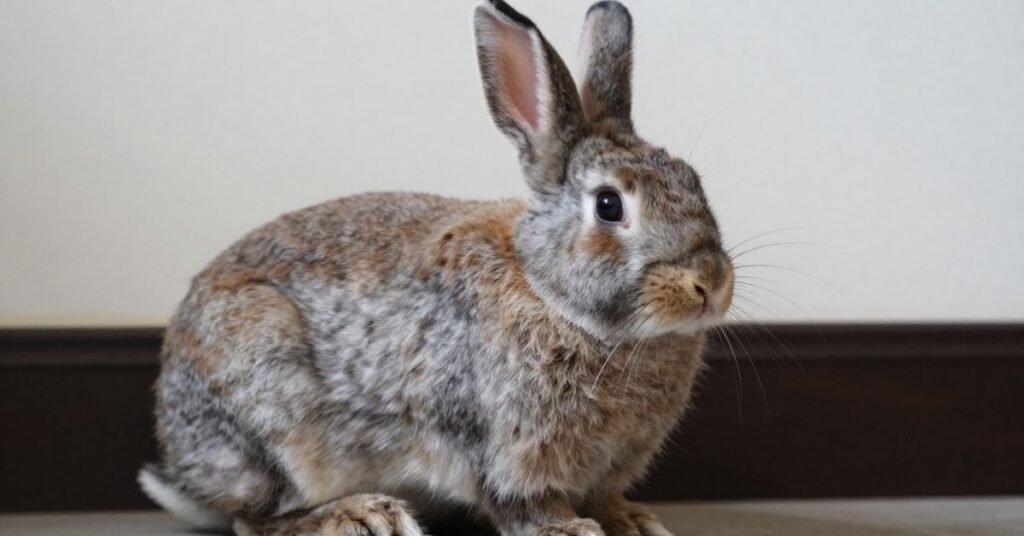
Flemish rabbits are well suited for owners who prefer a quiet and laid-back pet. They are usually calm and do not startle easily. Many enjoy gentle attention and will sit peacefully near their owners. Their relaxed attitude makes them pleasant companions in a calm home.
That said, they are not low-effort pets. Their large size means they need roomy housing and daily care. Small spaces can make them uncomfortable. If you have enough room and time, a Flemish rabbit can be a very rewarding pet to keep.
Diet and Feeding Guidelines
Flemish rabbits need a healthy and balanced diet every day. Because of their large size, they eat more than smaller rabbits. Fresh hay should always be available. Hay helps with digestion and keeps their teeth healthy. Clean water must be provided at all times.
Vegetables and pellets should be given in the right amounts. Leafy greens are very important for daily nutrition. Pellets should be high quality and fed in moderation. Sugary foods can cause health problems. A proper diet helps them stay active and strong.
| Food Type | Recommended Amount | Purpose |
| Timothy Hay | Unlimited | Aids digestion and dental health |
| Fresh Water | Always available | Prevents dehydration |
| Leafy Greens | 1–2 cups daily | Provides vitamins and minerals |
| Pellets | ½–1 cup daily | Supplies balanced nutrients |
| Vegetables | Small portions | Adds variety and fiber |
| Fruits | Very small amounts | Occasional treats only |
| Root Vegetables | Limited | High in sugar |
| Commercial Treats | Rarely | Avoid digestive issues |
| Salt Licks | Not needed | Can harm kidneys |
| Sudden Diet Changes | Avoid | Prevents stomach problems |
| Feeding Schedule | Same time daily | Supports routine |
| Freshness Check | Daily | Prevents illness |
Nutritional Needs and Safe Foods
Flemish rabbits need a diet that is high in fiber and low in sugar. Fiber helps their digestion and keeps their stomach healthy. Fresh hay should be the main part of their diet. Vegetables provide important vitamins and minerals. Pellets give extra nutrients but should be given in small amounts. Clean water must always be available.
Some foods are safe, while others should be avoided. Leafy greens are the healthiest choice. Fruits can be given only as occasional treats. Avoid human snacks and processed foods. Feeding the right foods helps Flemish rabbits stay strong and happy.
| Food Type | Examples | Purpose | Serving Notes |
| Hay | Timothy, Meadow, Orchard | Fiber for digestion, dental health | Unlimited daily |
| Leafy Greens | Romaine, Kale (moderate), Parsley, Cilantro | Vitamins, minerals | 1–2 cups per 5 lbs of body weight |
| Vegetables | Bell peppers, Broccoli leaves, Carrot tops | Nutrients, variety | Small portions daily |
| Pellets | High-quality rabbit pellets | Balanced nutrients | ½–1 cup per day |
| Fruits | Apple, Banana, Strawberry | Occasional treat | Very small amounts, 2–3 times per week |
| Root Vegetables | Carrots, Beets | Vitamins, fiber | Limited due to sugar content |
| Water | Fresh, clean | Hydration | Unlimited, daily check |
| Treats | Dried herbs, safe flowers | Occasional enrichment | Small amounts only |
| Foods to Avoid | Chocolate, bread, processed snacks | Prevent illness | Never feed |
Foods to Avoid
Flemish rabbits have sensitive digestive systems. Some foods can make them sick or cause serious health problems. High-sugar and processed foods are harmful. Certain vegetables and human snacks should never be given. Avoiding these foods keeps rabbits healthy and happy.
It is important to know which foods are dangerous. Some can cause diarrhea, while others may block the stomach. Always check before giving something new. When in doubt, stick to hay, safe vegetables, and pellets.
Foods Should Avoid:
- Chocolate and candy
- Bread and baked goods
- Sugary fruits in large amounts
- Onions and garlic
- Potatoes and raw beans
- Iceberg lettuce (low nutrition)
- Processed human snacks
- Seeds and nuts
- Rhubarb and tomato leaves
- Caffeine and alcohol
Care, Housing, and Exercise
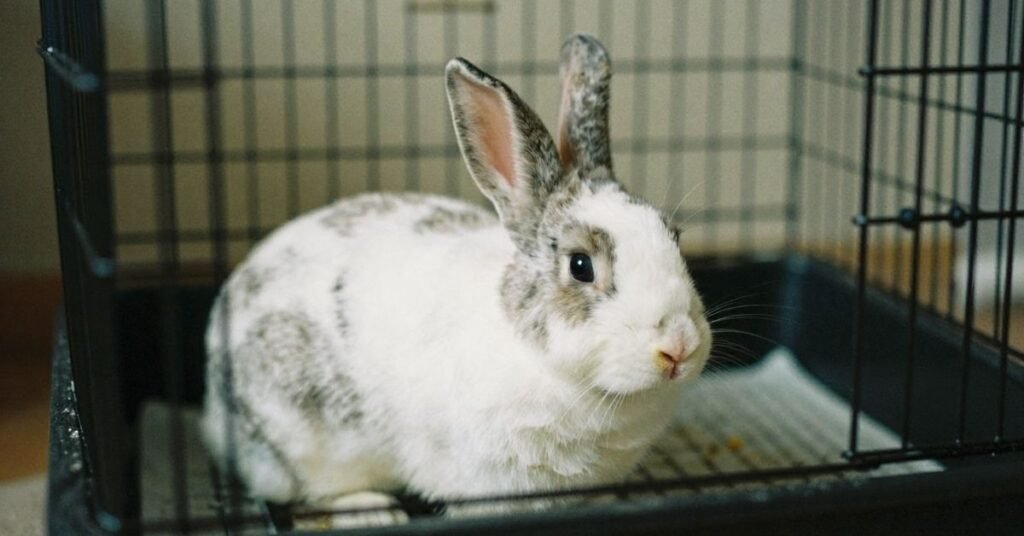
Flemish rabbits need proper care to stay healthy. They require a clean and safe living space. Their cage or hutch should be large enough for them to move freely. Bedding should be soft and changed regularly. Regular grooming helps keep their fur clean and reduces shedding.
Exercise is very important for their health. They need time outside the cage to hop and stretch. Toys and tunnels can keep them active and entertained. Daily interaction with their owners helps with bonding. A proper routine of care, housing, and exercise keeps Flemish rabbits happy and strong.
| Category | Recommendation | Notes |
| Cage Size | Minimum 4×2 feet per rabbit | Bigger is better for large breeds |
| Bedding | Straw, hay, or paper-based | Change at least 2–3 times per week |
| Cleaning | Weekly deep clean | Remove droppings and old food |
| Grooming | Brush 2–3 times per week | Reduces shedding and matting |
| Nail Trimming | Every 4–6 weeks | Prevents overgrowth and injuries |
| Exercise Time | 2–4 hours daily | Supervised in a safe area |
| Toys & Enrichment | Tunnels, chew toys, cardboard boxes | Stimulates mental activity |
| Social Interaction | Daily human contact | Helps build trust and bond |
| Temperature | 60–70°F (15–21°C) ideal | Avoid extreme heat or cold |
| Safety | Rabbit-proof rooms or pens | Prevent access to wires or toxic plants |
| Health Check | Weekly observation | Watch for changes in eating, fur, or behavior |
Common Health Issues and Veterinary Care
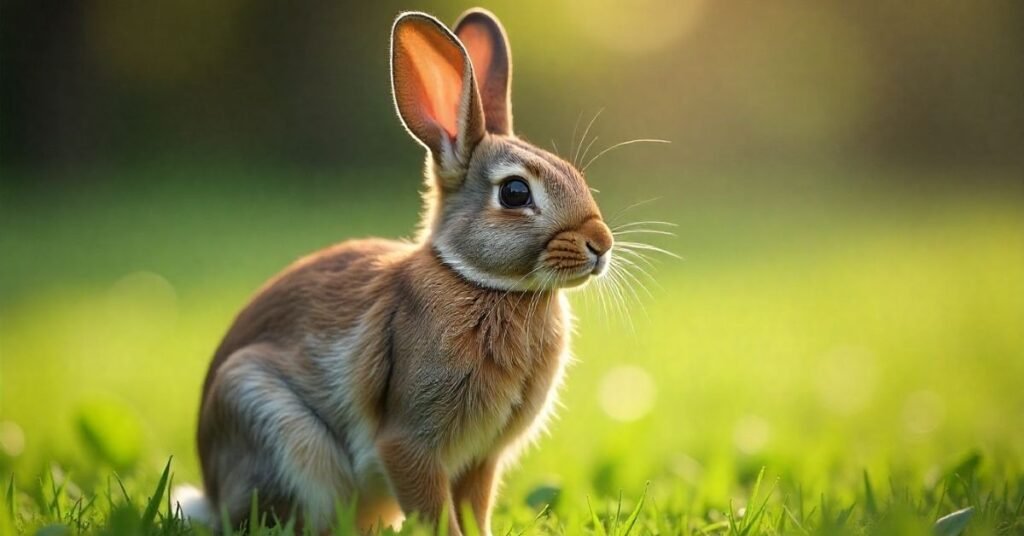
Flemish rabbits are generally healthy, but they can face some common problems. Their large size can put extra stress on their joints. Digestive issues like GI stasis are common if their diet is not proper. Dental problems can occur because their teeth grow continuously. Regular check-ups help catch problems early and keep them healthy.
Veterinary care is very important for these rabbits. Vaccinations, routine exams, and parasite checks are needed. Owners should watch for signs of illness like loss of appetite, diarrhea, or unusual behavior. Early treatment can prevent serious complications.
Common Health Issues:
- Gastrointestinal (GI) stasis
- Overgrown teeth
- Ear infections
- Obesity
- Sore hocks (pressure sores on feet)
- Respiratory infections
- Parasites (mites, fleas)
- Eye problems (redness, discharge)
- Urinary tract issues
- Stress-related illnesses
Conclusion
Flemish rabbits are known for their calm behavior and gentle nature. Their large bodies and relaxed attitude make them stand out from other breeds. They enjoy stable routines and peaceful environments. When treated with care and respect, they become trusting and affectionate companions.
Owning one is a long-term responsibility. They need roomy housing, daily movement, and a balanced diet to stay healthy. Because of their size, even small health issues should not be ignored. Regular vet visits and close observation help prevent serious problems and support a longer life.
Before deciding to bring one home, proper planning is important. Make sure you can provide enough space, time, and attention every day. Learning about their needs in advance makes ownership easier and more enjoyable. With patience and commitment, a Flemish rabbit can be a rewarding and loving addition to your home.
FAQs
1. How big do these rabbits usually grow?
They are much larger than most rabbit breeds. Adults can weigh over 14 pounds. Their size requires extra space and care.
2. Are they easy to handle for beginners?
Yes, they are usually calm and patient. With gentle handling, they become very comfortable around people. Beginners should still learn proper care first.
3. Do they need a large living space?
Yes, they do. They need more room to move, stretch, and exercise. Small cages are not suitable for them.
4. What type of diet is best for them?
A high-fiber diet is essential. Fresh hay should be available all the time. Vegetables and pellets should be given in proper amounts.
5. How long do they usually live?
With good care, they can live 5 to 8 years. A healthy diet and regular vet checkups can help extend their lifespan.
