

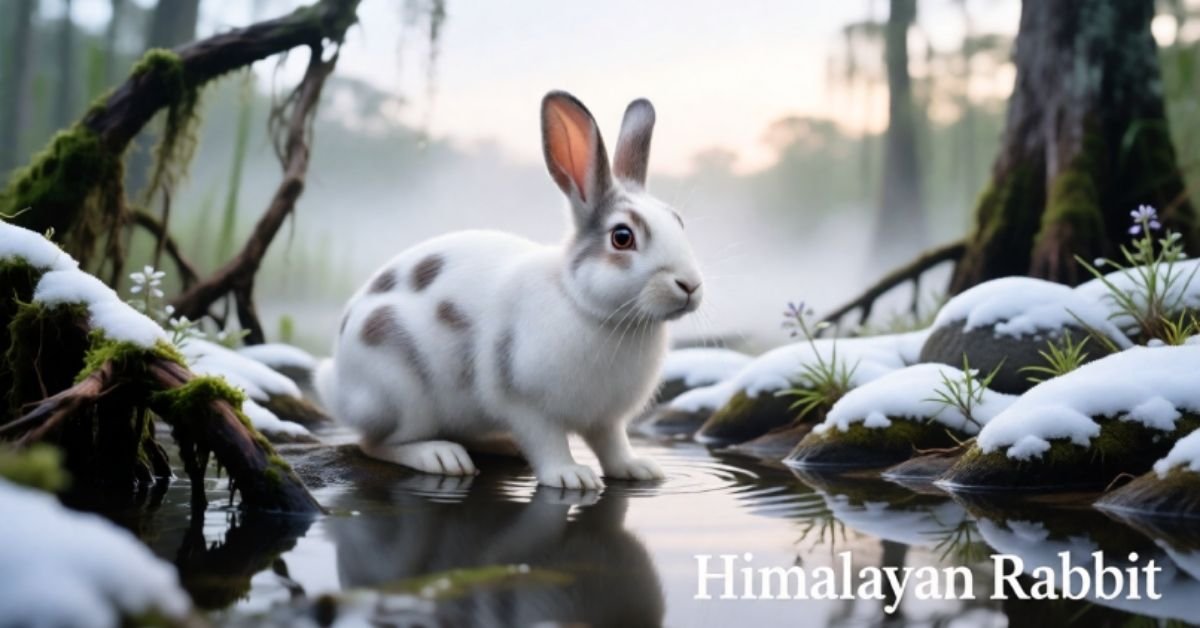
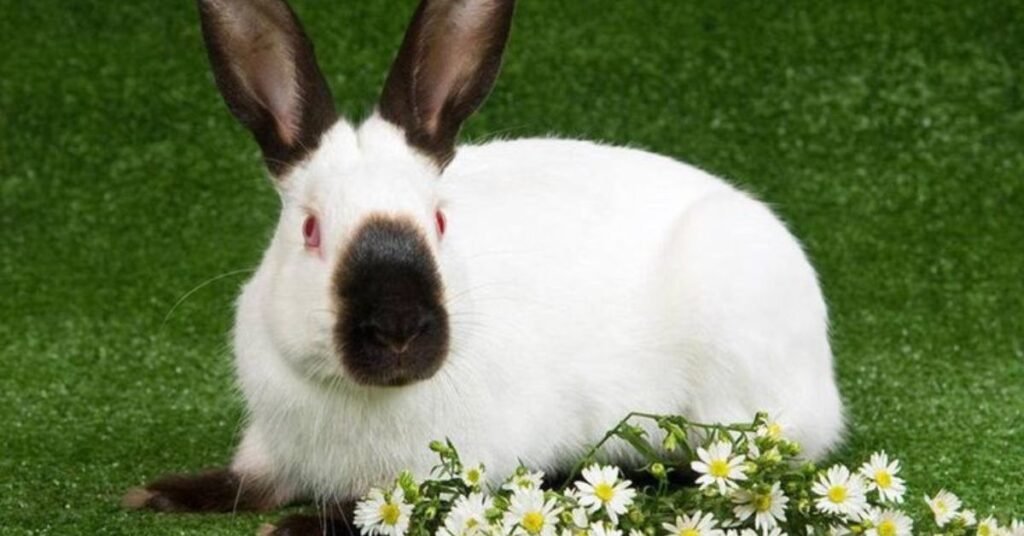
Have you ever seen a rabbit that’s white as snow with striking dark markings on its ears, nose, feet, and tail? Meet the Himalayan rabbit, one of the oldest and most distinctive rabbit breeds in the world.
This remarkable breed has captured the hearts of rabbit enthusiasts for centuries with its elegant appearance and wonderfully calm personality. Whether you’re considering adding a Himalayan rabbit to your family or simply curious about this fascinating breed, this guide covers everything you need to know.
Understanding the Himalayan Rabbit Breed

The Himalayan rabbit stands out in the rabbit world for several compelling reasons.Despite its name, this breed’s true origins remain somewhat mysterious. While some researchers believe it originated in China or Great Britain, historical records suggest it spread across European and Asian regions through trade and breeding programs over the centuries.
The Himalayan rabbit is recognized by the American Rabbit Breeders Association as one of the oldest and most established English breeds. These rabbits made their first appearance in America around the early 1900s and were among the earliest breeds to receive ARBA recognition.
Here’s what makes them truly unique: the Himalayan is the only rabbit breed with a cylindrical body shape. When viewed from above, their sides appear straight from shoulders to hind legs with little to no taper. Even when stretched out completely, their feet remain flat on the surface.This breed has played an important role in developing other domestic rabbit breeds thanks to its desirable temperament and distinctive physical characteristics.
Physical Characteristics and Appearance
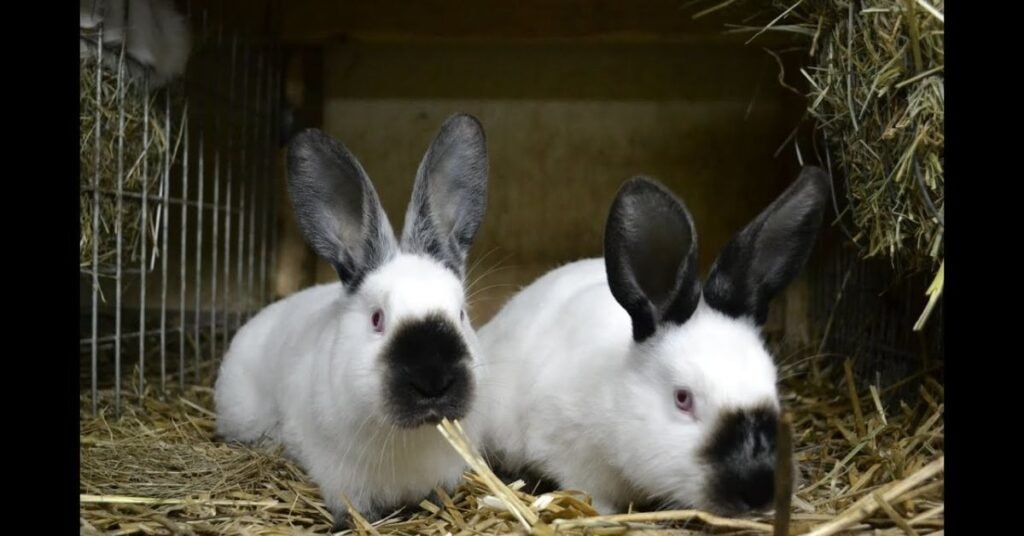
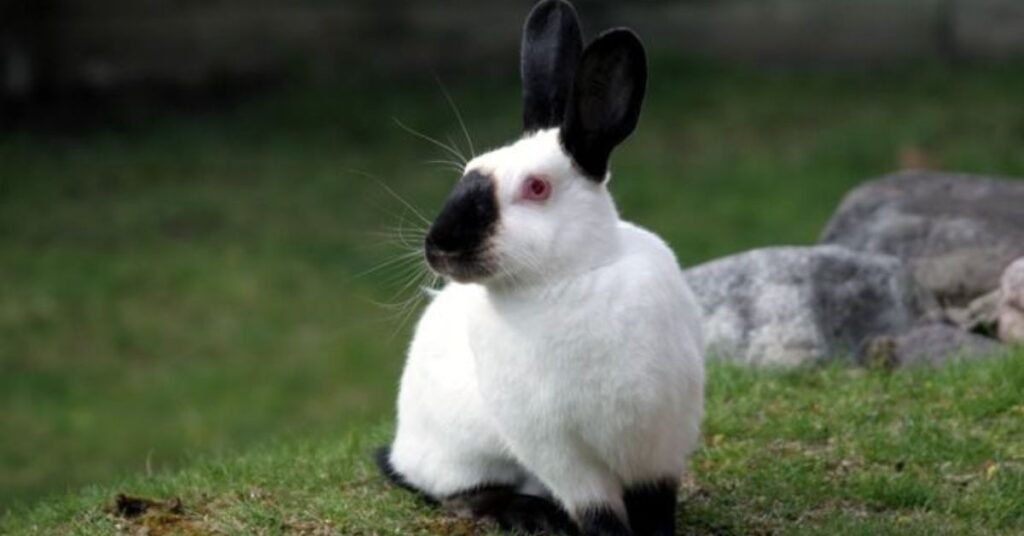
Himalayan rabbits have a slim and elegant body. Their shape is long and narrow, giving them a graceful look. They have pure white fur with dark markings on the ears, nose, feet, and tail. These markings become darker in cold weather. Their eyes are bright red or pink, which makes them easy to recognize.
This breed has short and smooth fur. The material feels soft and is easy to clean. Their body is lightweight and usually small in size, making them simple to lift and hold. They have a calm expression and a gentle look. Their unique color pattern makes them stand out from other rabbit breeds.
| Feature | Description |
| Body Shape | Long, slim, and cylindrical body |
| Coat Color | Pure white body with dark “points” on ears, nose, feet, and tail |
| Point Colors | Black, blue, chocolate, or lilac |
| Fur Type | Short, smooth, and fine |
| Eye Color | Red or pink |
| Weight Range | 2.5 to 4.5 pounds (lightweight breed) |
| Ears | Medium length, upright, and dark-colored |
| Nose Mark | Oval-shaped dark marking |
| Feet | Dark-colored and well-defined |
| Tail | Dark and matches the ear and nose markings |
| Ideal Climate | Cool temperatures help markings stay dark |
| Overall Impression | Elegant, neat, and easy to recognize |
The Science Behind Himalayan Rabbit Colors

The coloring of the Himalayan rabbit is genuinely fascinating from a genetic standpoint.
These markings are caused by a temperature-sensitive enzyme that creates melanin, the pigment responsible for dark coloration. This enzyme is only active in cooler parts of the rabbit’s body, specifically the extremities.Here’s where it gets interesting. The environment actually affects how dark or light these markings appear.
A Himalayan rabbit raised in a colder climate will develop darker, more pronounced points compared to one raised in warmer conditions. Some breeders in southern regions even maintain climate-controlled rooms to ensure their rabbits develop rich, dark markings.
In northern climates, when rabbits lie against cold metal surfaces overnight during winter, they can develop unwanted spots or “smut” on their white body fur. These spots may molt out during summer, or they might remain permanently.
Baby Himalayan rabbits are born completely white. The characteristic point coloring begins appearing between two and three weeks of age. This late development is likely due to the warmth of the nest box.
If baby Himalayans experience “nest box chilling” by being born on wire or in an inadequate nest, they can turn frosty or charcoal gray all over. This gray color molts out with the baby coat, and these rabbits often develop the darkest points as adults.
Himalayan Rabbit Color Varieties
While all Himalayan rabbits share the same basic white body with colored points pattern, the colors of those points can vary beautifully.The black Himalayan rabbit is the most common and recognizable variety. These rabbits feature jet-black markings on their extremities, creating a dramatic contrast against their snow-white bodies.
Blue Himalayan rabbits display a softer, more subtle appearance. Their points show a diluted blue-gray hue that gives them an elegant, understated beauty.Chocolate Himalayan rabbits feature rich brown markings. This warm, earthy tone creates a gentler contrast against the white fur. While beautiful, chocolate points are less frequently seen than black or blue.
Lilac Himalayan rabbits are considered the rarest and most desirable color variety. Their points display a delicate grayish-purple tone that’s simply enchanting.
The ARBA standards recognize black, blue, chocolate, and lilac as acceptable show colors. However, genetically, Himalayan coloring can also appear in other patterns, though these variations aren’t permitted in show rings.
Netherland Dwarf Himalayan Rabbit
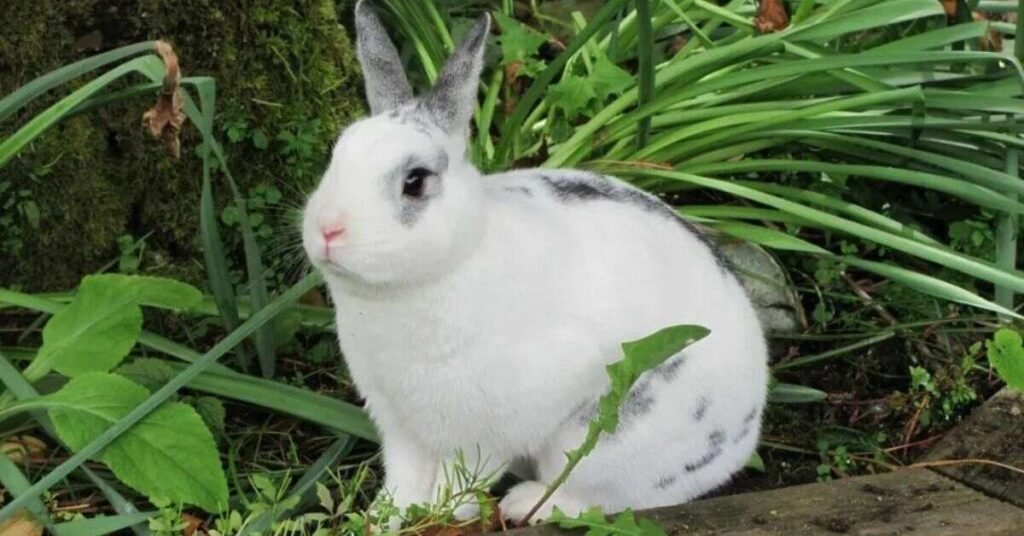
The Himalayan pattern also appears in other rabbit breeds, most notably the Netherland Dwarf.Netherland Dwarf Himalayan rabbits combine the compact, rounded body type of the dwarf breed with the distinctive pointed coloring pattern. These tiny rabbits typically weigh between 1.75 to 2.5 pounds, making them even smaller than standard Himalayans.
The same color genetics apply. You’ll find them in black, blue, chocolate, and lilac point variations, each displaying the characteristic white body with colored extremities.Whether you choose a standard Himalayan or a Netherland Dwarf version, both offer the same gentle temperament and captivating appearance in a slightly different package.
Temperament and Personality Traits
If you’re looking for a calm, friendly rabbit companion, the Himalayan breed should be at the top of your list.These rabbits are renowned for their gentle and docile nature. They’re not typically skittish or aggressive, making them wonderful pets for families with children, seniors, or first-time rabbit owners.
Himalayan rabbits genuinely enjoy human interaction. They don’t mind being picked up, petted, and handled when approached with care and respect. Unlike some high-energy rabbit breeds, Himalayans tend to be more laid-back and relaxed.This breed is not known for scratching or biting. Their patient demeanor means they tolerate gentle handling from smaller hands, though supervision is always recommended when young children interact with any pet.
While they’re calm, Himalayan rabbits aren’t completely inactive. They still appreciate playtime, exploration, and mental stimulation. They simply approach these activities with a more measured, easygoing attitude.Social bonding comes naturally to Himalayan rabbits. With regular, positive interaction, they form strong attachments to their human family members. Many owners report their Himalayans following them around, seeking attention, and displaying affectionate behaviors.
Essential Care and Diet
Himalayan rabbits need a clean and safe living space. Their cage should have soft bedding, a litter box, and enough room to move around. They enjoy calm environments, so keep their area quiet and stress-free. Regular grooming is not difficult because their fur is short, but brushing helps keep it clean. Fresh water should always be available.
Their diet should be simple and healthy. Hay is the most important part of their food and should be given every day. Fresh leafy greens add vitamins and keep them active. Pellets can be offered in small amounts. Avoid sugary treats to protect their digestion. A balanced diet helps them stay strong and happy.
Key Points
- Fresh hay daily
- Leafy greens in small portions
- Clean water available at all times
- Limited pellets and no sugary treats
- Clean and quiet living space
Housing Your Himalayan Rabbit
Himalayan rabbits adapt well to both indoor and outdoor living arrangements, though each option has specific considerations.For indoor housing, choose a spacious cage or exercise pen. Despite their small size, Himalayans need room to move, stretch, and hop around. Their long, cylindrical bodies require more length than you might expect.
The enclosure should have a solid bottom or flooring covered with comfortable bedding. Wire-bottom cages can cause painful foot problems. Use hay, straw, or paper-based bedding that’s changed regularly.Include a litter box in one corner. Himalayan rabbits are relatively easy to litter train since they naturally prefer using the same spot for bathroom needs.
For outdoor housing, invest in a weatherproof hutch that’s raised off the ground. This protects your rabbit from ground moisture, temperature extremes, and potential predators.Temperature sensitivity is crucial for Himalayan rabbits. Their color markings respond to cold, and extreme temperatures stress them. The ideal temperature range is between 45 to 65 degrees Fahrenheit. Baby Himalayans are particularly sensitive to cold and should always be kept indoors during chilly weather.
Exercise and Enrichment
Even though Himalayan rabbits are calmer than many breeds, they still need regular exercise and mental stimulation.Provide at least a few hours of supervised playtime outside their enclosure each day. This allows them to hop, explore, and stretch their legs properly. Physical activity prevents obesity and keeps their muscles strong.
Create a safe play area by rabbit-proofing the space. Remove electrical cords, toxic plants, small objects that could be swallowed, and any items you don’t want chewed.Offer a variety of toys to keep your Himalayan mentally engaged. Cardboard boxes, paper bags, untreated wood blocks, and rabbit-safe chew toys all provide entertainment. Tunnels are particularly popular.
Rotate toys regularly to maintain interest. What’s exciting today might be boring next week.If you have a secure outdoor yard, supervised outdoor time provides wonderful enrichment. Always supervise and ensure the area is escape-proof and safe from predators.Indoor rabbits can enjoy sunshine too. Pull back drapes near windows so your Himalayan can bask in natural light.
Grooming and Maintenance
The Himalayan rabbit’s short, flyback coat is wonderfully low-maintenance compared to long-haired breeds.Weekly brushing typically suffices to remove loose fur and keep the coat in good condition. Use a soft-bristled brush, stroking in the direction of fur growth.
During seasonal shedding periods, usually spring and fall, increase brushing frequency to two or three times weekly. This prevents excess fur from being ingested during self-grooming, which can lead to digestive issues.Spot-cleaning with a damp cloth handles minor soiling between baths. Rabbits rarely need full baths, which can be stressful.Nail trimming is essential every four to six weeks. Overgrown nails cause discomfort and can lead to injuries.
Use small animal nail clippers and trim carefully, avoiding the quick.Check ears regularly for signs of mites, excess wax, or infection. Healthy ears should be clean and odor-free.Monitor your rabbit’s teeth as well. A hay-rich diet naturally helps wear teeth down. Watch for signs of overgrown teeth like drooling, difficulty eating, or weight loss.Check your rabbit’s bottom regularly, especially in warm weather. Soiled fur can attract flies, leading to flystrike, a serious condition that requires immediate veterinary care.
Health Considerations
Himalayan rabbits are generally healthy and aren’t prone to breed-specific health issues.However, like all rabbits, they can develop certain common conditions. Being aware of these helps you catch problems early.Dental disease occurs when teeth don’t wear down properly. Since rabbit teeth grow continuously, they need adequate hay to naturally file them down. Signs include reduced appetite, dropping food, and weight loss.
Gastrointestinal stasis happens when the digestive system slows or stops. This serious condition requires immediate veterinary attention. Symptoms include reduced droppings, lethargy, hunched posture, and loss of appetite.Respiratory infections can affect rabbits, especially in poorly ventilated or drafty conditions. Watch for sneezing, nasal discharge, and labored breathing.
Schedule regular veterinary checkups, ideally once or twice yearly. A rabbit-savvy veterinarian can catch potential problems before they become serious.Consider spaying or neutering your Himalayan rabbit. This prevents unwanted litters and reduces cancer risks, particularly uterine cancer in females. The procedure also often reduces territorial behaviors.
Training Your Himalayan Rabbit

Himalayan rabbits are intelligent and respond well to positive reinforcement training.Litter training is usually straightforward with this breed. They naturally prefer using the same spot for bathroom needs.
Start by placing a litter box in the corner of their enclosure where they already tend to go. Use rabbit-safe litter, not cat litter. When your rabbit uses the box successfully, offer praise and a small treat.If accidents happen outside the box, place the droppings inside it. This reinforces where bathroom activities should occur. Never punish accidents.
You can also teach simple tricks using treats and patience. The “come” command works well. Hold a treat and call your rabbit’s name. When they approach, reward them.Teaching “spin” is another fun trick. Hold a treat near your rabbit’s nose and slowly move it in a circle. As they follow the treat and turn, say “spin.” Reward them when they complete the rotation.Always keep training sessions short and positive. Five to ten minutes is plenty.
Choosing Your Himalayan Rabbit
When you’re ready to bring a Himalayan rabbit home, choosing the right source is crucial.Look for reputable breeders who prioritize health, temperament, and breed standards. A good breeder maintains clean facilities, handles their rabbits regularly, and can answer questions about lineage and health history.Visit the breeder’s location if possible. Observe the conditions where rabbits are kept. Healthy rabbits should be alert, active, and well-groomed, housed in clean environments.
Ask to see the parents if available. This gives insight into what your rabbit will look like as an adult and helps assess temperament.Request health records showing any veterinary care, vaccinations, or treatments the rabbit has received.Expect the breeder to ask you questions too. Good breeders care about where their rabbits go and want to ensure you’re prepared for rabbit ownership.Consider adoption as well. Rabbit rescues often have Himalayan rabbits or Himalayan mixes looking for forever homes.
Bringing Your Himalayan Home
Preparation makes your new rabbit’s transition smooth and stress-free.Before bringing your Himalayan home, have everything ready. Set up their enclosure with bedding, a litter box, food and water dishes, and some toys. It can be overwhelming to move into a new home for the first time.
Allow your rabbit time to adjust without excessive handling. Sit quietly near their enclosure so they can observe you and become comfortable with your presence.Speak softly and move slowly around your new rabbit. They can be startled by sudden movements or loud noises.
Once your rabbit seems more comfortable, begin gentle interactions. Offer treats by hand, pet them softly, and gradually increase handling as they relax.If you have other pets, introduce them slowly and carefully. Always supervise initial meetings and watch for signs of stress in your rabbit.Establish a routine fairly quickly. Rabbits appreciate predictability. Feed, clean, and interact with your Himalayan at roughly the same times each day.
Bonding With Your Himalayan Rabbit

Building a strong relationship with your Himalayan rabbit happens through consistent, positive interactions.Spend time sitting near or in your rabbit’s play area each day. Allow them to approach you on their terms rather than always reaching for them. This builds trust.Hand-feeding treats strengthens your bond. Your rabbit learns to associate your presence with positive experiences.
Gentle petting, especially on the forehead and behind the ears, usually pleases rabbits once they’re comfortable with you. Avoid reaching over their head from above. Approach from the side where they can see you.
Talk to your rabbit regularly.Your voice becomes familiar and comforting.Some rabbits even learn to recognize certain words or phrases.Learn to read your rabbit’s body language. A relaxed, happy rabbit might lie stretched out, grind their teeth contentedly, or do playful jumps called “binkies.”Respect when your rabbit needs space. Even the most social rabbits sometimes want quiet time alone.
Is a Himalayan Rabbit Right for You?
The Himalayan rabbit makes an exceptional pet for many households, but it’s important to ensure they’re the right fit for your lifestyle.These rabbits thrive in homes where they’ll receive regular attention and interaction. While they’re calm and independent, they still need daily care, social time, and mental stimulation.Himalayan rabbits are excellent choices for families with gentle children who can learn proper handling techniques. Their patient temperament tolerates careful interaction well.
Seniors often find Himalayan rabbits to be perfect companions. Their manageable size, low grooming requirements, and affectionate nature suit a quieter lifestyle.First-time rabbit owners appreciate this breed’s forgiving temperament and straightforward care requirements.Apartment dwellers can successfully keep Himalayan rabbits, as they adapt well to indoor living. Just ensure adequate space for exercise and enrichment.
However, remember that rabbits are long-term commitments. Himalayan rabbits typically live 7 to 10 years or longer with proper care.They also require daily care that can’t be skipped. Fresh food and water, enclosure cleaning, and health monitoring need consistent attention.Financial responsibility matters too. Factor in costs for quality food, bedding, toys, routine veterinary care, and potential emergency treatment.
Final Thoughts
The Himalayan rabbit truly is a special breed, combining striking beauty with a wonderfully gentle temperament.From their mysterious origins to their unique temperature-sensitive coloring, from their distinctive cylindrical body shape to their calm, friendly personality, Himalayan rabbits offer something truly unique to rabbit enthusiasts.
Whether you’re drawn to the classic black Himalayan rabbit, the subtle elegance of blue points, the rare beauty of lilac markings, or the compact charm of a Netherland Dwarf Himalayan, you’ll find a loyal, affectionate companion.Their care requirements are manageable, their grooming needs are minimal, and their personalities are endearing. They don’t demand excessive attention but deeply appreciate the time and love you give them.
If you’re ready to welcome a Himalayan rabbit into your home, you’re embarking on a rewarding journey. These remarkable rabbits have been beloved companions for centuries, and once you experience their gentle nature and captivating presence, you’ll understand exactly why.Take time to prepare properly, choose your rabbit carefully, and commit to providing the best care possible. In return, your Himalayan rabbit will offer years of companionship, entertainment, and unconditional affection.
FAQs
1. Are Himalayan rabbits good pets for beginners?
Yes, Himalayan rabbits are great for beginners because they are calm and friendly. They enjoy gentle handling and rarely act aggressive. Their grooming needs are simple, so they are easy to care for with basic daily attention.
2. What do Himalayan rabbits eat daily?
They mainly eat fresh hay, which keeps their stomach healthy. You can add leafy greens like cilantro or romaine for extra nutrients. Pellets should be given in small amounts, and clean water must always be available.
3. How big do Himalayan rabbits grow?
Himalayan rabbits stay small, usually weighing between 2.5 to 4.5 pounds. Their bodies are long and slim, giving them an elegant shape. Even though they are small, they still need enough space to move and stretch.
4. Do Himalayan rabbits need a lot of grooming?
No, they have short and smooth fur that is easy to manage. A quick brushing once or twice a week is enough to remove loose hair. This simple grooming routine keeps their coat clean and reduces shedding.
5. What makes Himalayan rabbits different from other breeds?
Their standout feature is their white body with dark points on the ears, nose, feet, and tail. These markings become darker in cooler weather. They also have bright red or pink eyes, making them one of the most recognizable rabbit breeds.
