

Introduction
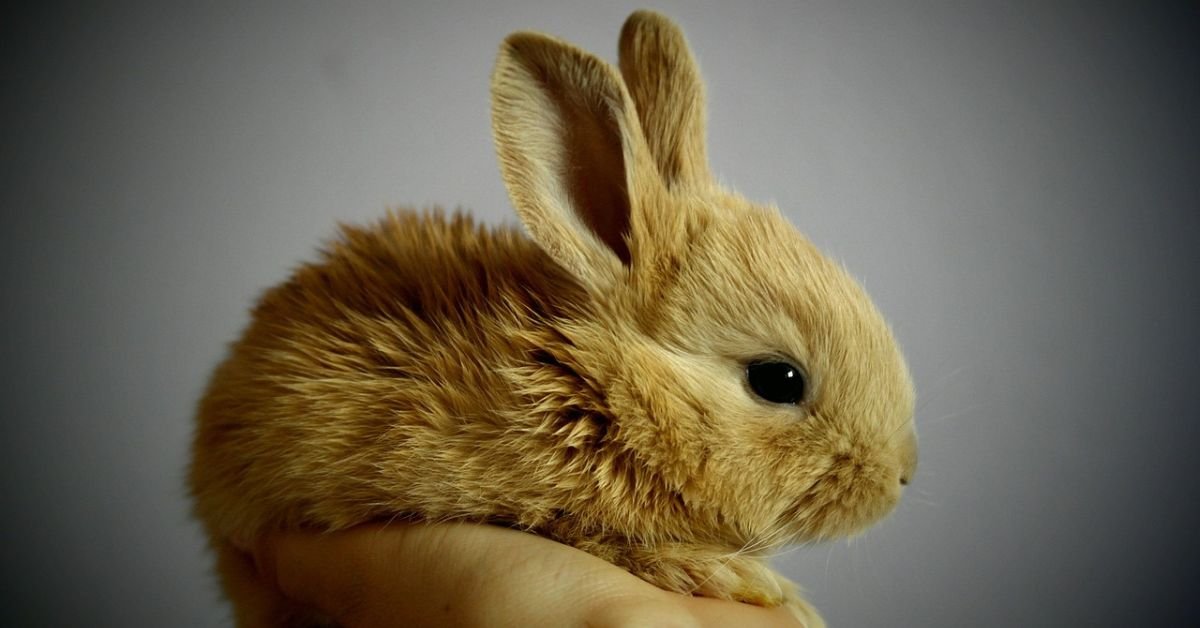
The Lion’s Mane rabbit is a small, fluffy rabbit known for the long, thick fur around its head and neck. This fur gives it a lion-like look, which makes the breed unique and easy to recognize. These rabbits are gentle, friendly, and popular among pet lovers.
Many people fall in love with this rabbit because of its cute appearance and sweet nature. Its soft mane and playful personality make it stand out from other breeds. If you want a rabbit that looks special and enjoys human company, the Lion’s Mane rabbit is a great choice.
This guide will help you understand how to care for a Lion’s Mane rabbit properly. You will learn about grooming, diet, housing, and general care needs. With the right knowledge, you can keep your rabbit healthy, clean, and happy.
Appearance and Breed Characteristics
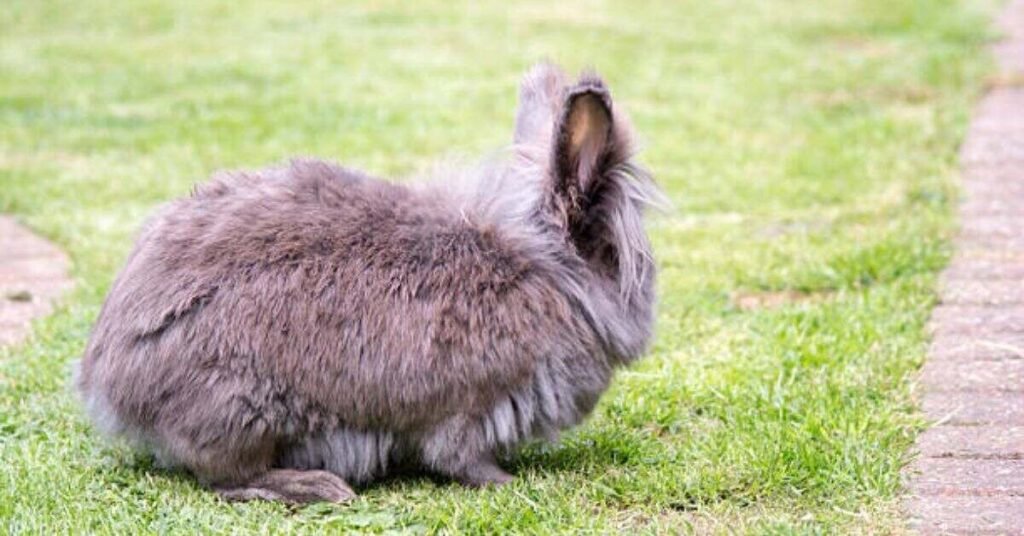
The Lionhead rabbit has a small, compact body with a fluffy mane around its head. This mane makes the rabbit look like a tiny lion. Their fur is soft and comes in many colors, including white, black, blue, and brown. They have short ears, bright eyes, and a very cute, alert expression.
Lionheads are gentle and playful pets. They enjoy exploring and spending time with their owners. Because of their long fur, they need regular grooming to stay clean and comfortable. They are friendly, active, and easy to handle, which makes them great pets for families and beginners.
Key Characteristics:
- Small, compact body
- Fluffy mane around the head
- Soft coat in many color varieties
- Friendly and social nature
- Needs regular grooming to prevent tangles
Temperament and Personality
Their owners often form strong bonds with them because they enjoy being around people. These rabbits are playful, curious, and love exploring their surroundings. Their active personality makes them fun and engaging pets.
They also enjoy calm moments and can be very affectionate when they feel safe. Lionheads are smart and can learn simple tricks with patience. However, they can be a bit shy at first, so gentle handling is important. With proper care and attention, they become loving and loyal companions.
| Trait | Description | What It Means for Owners |
| Friendly Nature | Enjoys human interaction | Good for families and beginners |
| Playful Behavior | Loves exploring and playing | Needs toys and daily exercise |
| Curious Mind | Always interested in new things | Provide safe space to explore |
| Affectionate | Forms strong bonds | Enjoys gentle handling and petting |
| Intelligent | Can learn simple tricks | Training is possible with treats |
| Slightly Shy | May need time to adjust | Be gentle and patient |
| Social | Likes being around people | Avoid long hours of loneliness |
Basic Care Requirements
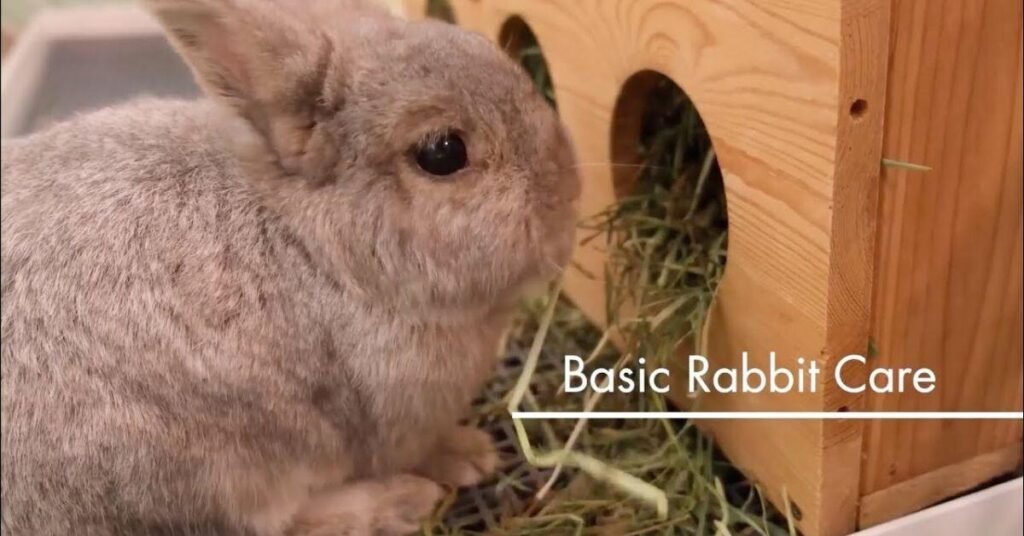
Lionhead rabbits need simple but consistent care to stay healthy. They require a clean living space with enough room to move, play, and rest. Fresh hay should always be available, as it keeps their teeth healthy and helps their digestion. They also need fresh water and a small amount of pellets every day.
Regular grooming is important because their long fur can get tangled easily. They also need daily exercise time outside their cage to stay active. Gentle handling, a calm environment, and routine checkups help keep your Lionhead rabbit happy and comfortable.
Diet and Nutrition
Lionhead rabbits need a simple and balanced diet to stay healthy. The most important part of their food is fresh hay, which should be available all day. Hay keeps their teeth short and supports good digestion. You can also give a small amount of quality rabbit pellets each day.
Fresh vegetables are also important for their health. Leafy greens like spinach, romaine lettuce, and cilantro are good choices. Fruits should only be given as small treats because they contain sugar. Always introduce new foods slowly to avoid stomach problems.
| Food Type | Examples | How Often | Benefits |
| Hay | Timothy, orchard, meadow | Daily, unlimited | Helps digestion and wears down teeth |
| Pellets | High-fiber rabbit pellets | 1–2 tablespoons daily | Provides balanced nutrients |
| Leafy Greens | Spinach, romaine, kale, cilantro | Daily | Adds vitamins and hydration |
| Vegetables | Carrots, bell peppers, broccoli | A few times per week | Adds variety and nutrients |
| Fruits (Treats) | Apple, banana, berries | Small pieces, once–twice a week | Tasty treats but high in sugar |
| Fresh Water | Clean drinking water | Daily, always available | Keeps rabbit hydrated |
Housing Setup
A Lionhead rabbit needs a clean and comfortable living space. The cage or enclosure should be large enough for them to hop, stretch, and move freely. Soft bedding, such as hay or paper-based litter, helps keep the area dry and cozy. The space should also be well-ventilated and kept away from loud noises or direct sunlight.
Your rabbit also needs a safe area outside the cage for daily exercise. You can create a play zone with tunnels, toys, and hiding spots to keep them active. Make sure the area is secure and free from wires or harmful objects. A good housing setup helps your Lionhead rabbit feel safe, relaxed, and happy.
Exercise Needs
Lionhead rabbits are active pets and need daily exercise to stay healthy. They enjoy hopping, exploring, and playing in open spaces. Giving them time outside their cage helps prevent boredom and keeps their muscles strong. A safe, supervised area is important so they can run freely without danger.
Regular exercise also helps keep your rabbit happy and calm. It reduces stress and supports good behavior. Providing toys and activities keeps them mentally sharp and entertained. Simple playtime every day makes a big difference in their overall well-being.
Good Exercise Activities:
- Hopping time in a safe room
- Playing with tunnels and cardboard boxes
- Gentle climbing toys or ramps
- Interactive toys like balls or chew toys
- Supervised outdoor play in a secure space
Common Health Issues
Lionhead rabbits can face some health problems if not properly cared for. Dental issues are common because their teeth grow continuously. Overgrown teeth can make eating painful and cause weight loss. Digestive problems like diarrhea or bloating may also occur if their diet is not balanced.
Other common health concerns include ear infections, respiratory problems, and skin issues, especially if their fur is not groomed regularly. Regular checkups with a vet, a clean living environment, and proper diet help prevent most health problems. Watching your rabbit closely for any changes in behavior or appetite is important for early detection.
Dental Problems
Lionhead rabbits’ teeth grow continuously, so they need proper care to avoid overgrowth. Overgrown teeth can make eating painful and cause weight loss. If untreated, dental problems can lead to serious health issues. Watching your rabbit closely and providing the right diet is very important.Signs of dental problems include difficulty eating, drooling, or a change in behavior.
To keep teeth healthy, follow these tips:
- Provide unlimited fresh hay daily to wear down teeth naturally
- Offer safe chew toys or wooden blocks
- Check teeth regularly for overgrowth or misalignment
- Monitor eating habits and weight for changes
- Visit a vet if you notice drooling, loss of appetite, or swelling
Training and Handling

Lionhead rabbits are intelligent and can learn simple commands and litter training. Start training gently and use treats as positive reinforcement. Short, consistent sessions work best. Avoid forcing your rabbit, as it may cause fear or stress.
Handling should always be gentle and calm.When picking them up, support their body properly to prevent injury. Spend time bonding with your rabbit daily to build trust. Regular, careful handling helps them feel safe and confident around people.
Litter Training
Lionhead rabbits can be litter trained with patience and consistency. Place a litter box in their cage with hay and paper-based or safe rabbit litter. They usually choose one corner to use as their bathroom, which makes training easier.
Encourage your rabbit to use the litter box by placing droppings in it at first. Reward them with gentle praise or small treats when they use it correctly. Clean the box regularly to keep it fresh and hygienic. With time and consistency, most Lionhead rabbits learn to use the litter box reliably.
Gentle Handling Tips
Handling a Lionhead rabbit gently is important for building trust. Always approach your rabbit slowly so you do not scare them. Let them sniff your hand before touching them. When picking them up, support their chest with one hand and their bottom with the other. This helps them feel safe and secure.
Keep your movements calm and steady while holding your rabbit. Never grab them by their ears or scruff, as this can cause pain. Hold them close to your body so they feel more stable. If your rabbit struggles, gently put them down to avoid injury. With patience and kindness, your rabbit will become more comfortable with handling over time.
Conclusion
Lionhead rabbits are charming, friendly pets that bring joy to many homes. They have unique fur, a playful nature, and strong personalities. With simple care, they can live a happy and healthy life. Understanding their needs helps you bond with them better.
Providing a good diet, safe housing, and gentle handling keeps your rabbit comfortable. Regular grooming and daily exercise also support their overall health. When you care for a Lionhead rabbit with love and patience, they become a loyal and affectionate companion.
FAQs
1. Are Lionhead rabbits easy to care for?
Yes, they are easy to care for if you provide grooming, a good diet, and daily exercise.
2. Do Lionhead rabbits need a lot of grooming?
Yes, their long fur needs brushing several times a week to prevent tangles.
3. Are Lionhead rabbits good pets for beginners?
Yes, they are friendly and gentle, making them good for new rabbit owners.
4. How big do Lionhead rabbits grow?
They usually weigh between 2.5 to 3.5 pounds when fully grown.
5. Can Lionhead rabbits live alone?
They can, but they enjoy company and do best with plenty of human interaction.
