

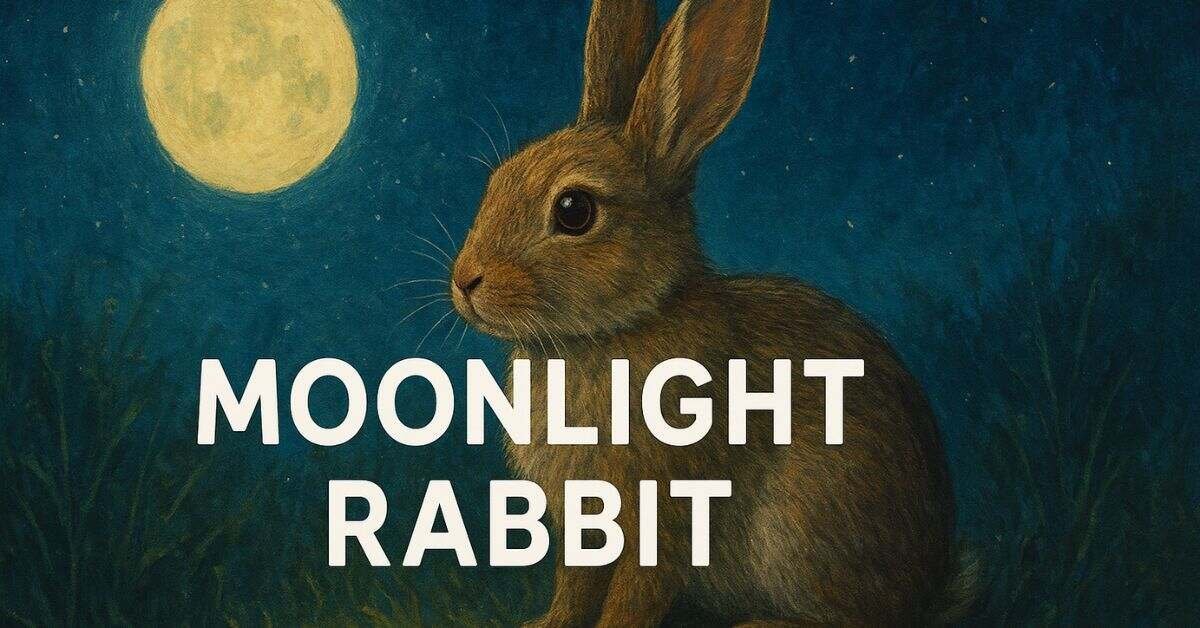
The moonlight rabbit is a magical creature that lives in folklore across many cultures. When you look at the full moon on a clear night, you might see dark patches that form shapes. Many people across Asia see these shapes as a rabbit. This creature is also called the moon rabbit, jade rabbit, or moon hare. The story of the moonlight rabbit has been told for thousands of years and remains popular today.
The dark spots on the moon’s surface are actually areas called lunar maria. These are ancient lava flows that cooled and hardened billions of years ago. But to people throughout history, these patterns looked like a rabbit sitting in the moon. Once you see the rabbit shape, you can never unsee it. The rabbit appears to be sitting upright with long ears, holding something in its paws. Different cultures tell different stories about what the moonlight rabbit is doing up there in the sky.
The Story of the Moonlight Rabbit
The most famous tale about the moonlight rabbit comes from East Asian folklore. The story teaches important lessons about kindness and selflessness. Long ago, a powerful god decided to visit Earth. He disguised himself as a poor old man who was hungry and tired. The god wanted to test the kindness of the animals he met on his journey.
During his travels, the disguised god met three animals who lived together in the forest. These were a monkey, a fox, and a rabbit. The old man asked them for food because he was starving. The three friends immediately wanted to help the poor stranger. The monkey climbed trees and gathered fresh fruits. He brought berries, apples, and other sweet treats. The fox went to the nearby stream and caught several fish. He proudly presented his catch to the hungry man.
But the rabbit faced a problem. The small rabbit could only gather grass from the ground. Rabbits eat grass, but humans cannot. The rabbit felt ashamed that he had nothing valuable to offer. He thought hard about what he could do. Then the rabbit had an idea. He asked his friends to build a fire. When the flames were burning bright, the brave rabbit prepared to jump into the fire. He wanted to offer his own body as food for the starving old man.
Just as the rabbit was about to leap into the flames, the old man revealed his true form. He was actually a heavenly god testing the animals. The god was deeply moved by the rabbit’s willingness to sacrifice himself. As a reward for such pure kindness, the god placed the rabbit in the moon. There, the moonlight rabbit would live forever among the immortals. Now everyone on Earth could look up and remember the rabbit’s noble deed.
Moonlight Rabbit Across Different Cultures
Chinese Moonlight Rabbit
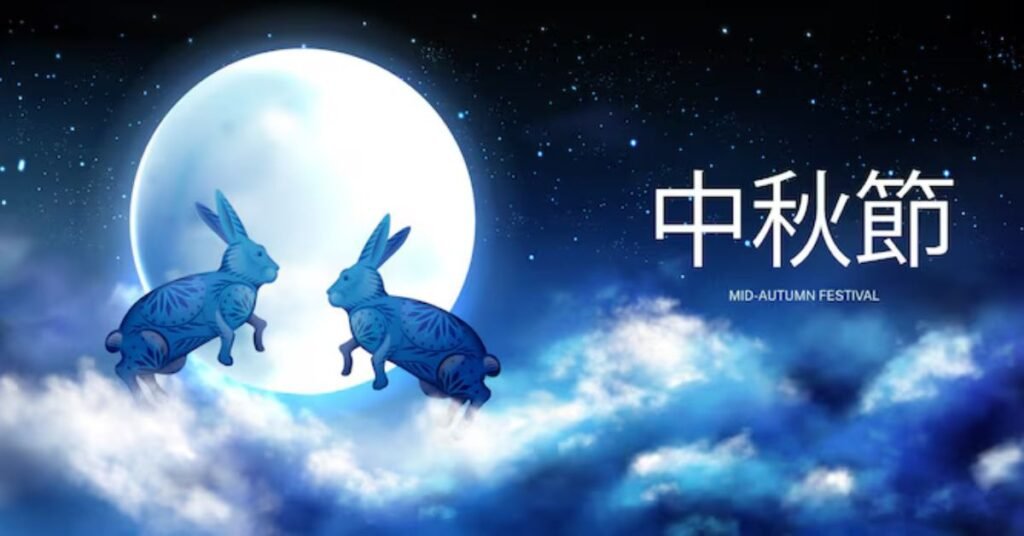
In Chinese culture, the moonlight rabbit is known as Yutu or the Jade Rabbit. This creature has a special job. The Jade Rabbit works as a companion to Chang’e, the beautiful moon goddess. According to the legend, Chang’e lives on the moon after drinking an elixir of immortality. She became separated from her husband and now lives alone in a moon palace.
The Jade Rabbit keeps Chang’e company in her lonely existence. The rabbit spends its time pounding herbs and ingredients in a mortar and pestle. What is the rabbit making? In most Chinese versions, the moonlight rabbit is creating the elixir of life. This magical medicine grants immortality to gods and goddesses. Some stories say the rabbit also makes mooncakes, which are special pastries eaten during the Mid-Autumn Festival. Chinese poets for centuries have written about the Jade Rabbit. Ancient texts from over two thousand years ago mention this mystical creature.
Japanese Moonlight Rabbit
Japanese culture has its own version of the moonlight rabbit story. In Japan, the rabbit is called Tsuki no Usagi, which simply means moon rabbit. The Japanese tale is similar to other Asian versions, but with one key difference. Instead of making medicine or an elixir, the Japanese moonlight rabbit pounds mochi.
Mochi is a traditional Japanese rice cake made from sticky rice. Making mochi requires pounding steamed rice in a large mortar until it becomes smooth and stretchy. This is exactly what people imagine the moonlight rabbit doing on the moon. The image of the rabbit pounding mochi connects to Tsukimi, which means moon viewing. Tsukimi is a special autumn festival when Japanese families gather to admire the harvest moon. They eat mochi and other special foods while enjoying the beautiful moonlight. The moonlight rabbit is an important symbol during this celebration.
Korean Moonlight Rabbit
Korea calls the moonlight rabbit Daltokki. Like other Asian versions, the Korean story features the rabbit’s selfless sacrifice. But Korean folklore adds special details to the tale. The moonlight rabbit in Korea is shown standing under a gyesu tree, which is a type of cinnamon tree. The rabbit pounds rice to make tteok, which are Korean rice cakes.
The smoke that surrounds the moonlight rabbit in Korean art represents the smoke from the fire. This reminds people of the rabbit’s brave sacrifice. Korean culture celebrates the moonlight rabbit during Chuseok, the Korean harvest festival. This is similar to the Chinese Mid-Autumn Festival. Families gather together, prepare special foods, and look at the full moon. Children learn the story of the generous moonlight rabbit who gave everything to help a stranger.
Vietnamese Moonlight Rabbit
Vietnamese culture also treasures the moonlight rabbit legend. In Vietnam, the rabbit appears during Tết Trung Thu, which is the Mid-Autumn Festival. Vietnamese stories say that the Jade Rabbit lives on the moon with the Moon Lady and a man named Cuội. These three characters become a team during the festival season.
According to Vietnamese tradition, this trio comes down from the moon to visit Earth. They bring gifts for children, including colorful cellophane lanterns and sweet mooncakes. The moonlight rabbit in Vietnamese culture represents generosity and the joy of giving. Like other Asian versions, the Vietnamese rabbit also pounds the elixir of immortality in its mortar and pestle.
Native American Moonlight Rabbit Stories
The moonlight rabbit appears in indigenous American folklore too. The Aztec people of ancient Mexico had their own moon rabbit legend. In one Aztec story, the god Quetzalcoatl was traveling across the land. He became extremely tired and hungry. A rabbit who was eating grass nearby saw the suffering god. The kind rabbit offered herself as food to save his life.
Quetzalcoatl was so touched by this sacrifice that he elevated the rabbit to the moon. He told the rabbit that everyone would remember her noble deed forever. Her image would shine in the night sky for all time. Another Aztec tale involves two gods competing to become the sun and moon. The brave but poor god became the sun, while the rich but cowardly god became the moon. To punish his cowardice, the other gods threw a rabbit at his face. This dimmed his light and left the rabbit’s image on the moon.
The Cree people of Canada tell a different story. A young rabbit dreamed of riding on the moon. He asked many birds for help, but they all refused. Only the crane agreed to carry the rabbit. The journey was long and difficult. The rabbit held tightly to the crane’s legs, stretching them out. This is why cranes have such long legs today. When they reached the moon, the rabbit thanked the crane by patting his head. The rabbit’s paws were bleeding from the hard journey. This left a red mark on the crane’s head that all cranes still carry.
Moonlight Rabbit Symbolism and Meaning
Good Fortune and Luck
The moonlight rabbit represents good fortune in many cultures. People believe that seeing the rabbit in the moon brings positive energy into their lives. In Chinese tradition, rabbits are considered one of the luckiest animals. The rabbit is even part of the Chinese zodiac calendar. People born in the Year of the Rabbit are thought to be gentle, kind, and fortunate.
White rabbits especially symbolize good luck and prosperity. Ancient Chinese people believed that white rabbits were connected to the stars. They saw white rabbits as blessings from heaven. In Japan, spotting a white rabbit is also considered very lucky. Many people keep rabbit figurines in their homes or businesses to attract good fortune. The moonlight rabbit’s presence in the sky serves as a constant reminder of this positive energy.
Selflessness and Sacrifice
The core message of the moonlight rabbit story is about selfless sacrifice. The rabbit gave up everything to help a stranger in need. This teaches an important lesson about compassion and generosity. The moonlight rabbit didn’t think about itself. It only cared about helping the hungry old man, even if it meant giving up its own life.
This powerful message resonates across cultures. Parents tell their children the moonlight rabbit story to teach them about kindness. The tale shows that true nobility comes from putting others first. The rabbit had nothing material to offer, but it offered the most precious thing of all – itself. This ultimate act of generosity earned the rabbit a place among the immortals. The story reminds us that our actions matter and that kindness is always rewarded in the end.
Immortality and Rebirth
The moonlight rabbit is strongly connected to ideas of immortality and rebirth. After its sacrifice, the rabbit didn’t die but instead gained eternal life on the moon. This transformation represents the Buddhist concept of rebirth and enlightenment. Buddhists see the moonlight rabbit as a bodhisattva, which is a being who seeks awakening and helps others reach enlightenment.
The moon itself goes through constant cycles of death and rebirth. Each month, the moon appears to die and disappear, then comes back to life as a crescent that grows into a full moon. This cycle mirrors the moonlight rabbit’s transformation from mortal to immortal. The rabbit’s connection to the moon ties it to themes of resurrection and eternal life. These concepts appear in many religions and philosophies throughout Asia.
Fertility and Abundance
Rabbits naturally symbolize fertility because they reproduce quickly and have many babies. This symbolism extends to the moonlight rabbit legend. The moon’s cycles match up with monthly rhythms in nature, including agricultural cycles and human reproductive cycles. Ancient people noticed these connections and saw the moon as a symbol of life-giving power.
During harvest festivals like Chuseok and Tsukimi, the moonlight rabbit represents hopes for a bountiful harvest. Farmers pray for their crops to be as abundant as a rabbit’s offspring. The rice cakes that the moonlight rabbit pounds symbolize the essence of life and sustenance. Rice is a staple food in Asian cultures, so the image of the rabbit making rice cakes connects to prosperity and having enough food to survive.
Lunar Connection and Magic
The moonlight rabbit’s relationship with the moon gives it a mystical quality. The moon has always been associated with magic, mystery, and transformation. Many cultures see the moon as a feminine force connected to intuition and hidden knowledge. The moonlight rabbit serves as a bridge between the earthly world and the celestial realm.
Shamanic traditions view the rabbit as a guide who can travel between different worlds. The moonlight rabbit lives in the sky but originated on Earth. This dual nature makes it a powerful spiritual symbol. The rabbit’s white color often represents purity and divine light. When you see the moonlight rabbit in the moon, you’re witnessing the visible proof of magic and wonder in the universe.
How to See the Moonlight Rabbit in the Moon
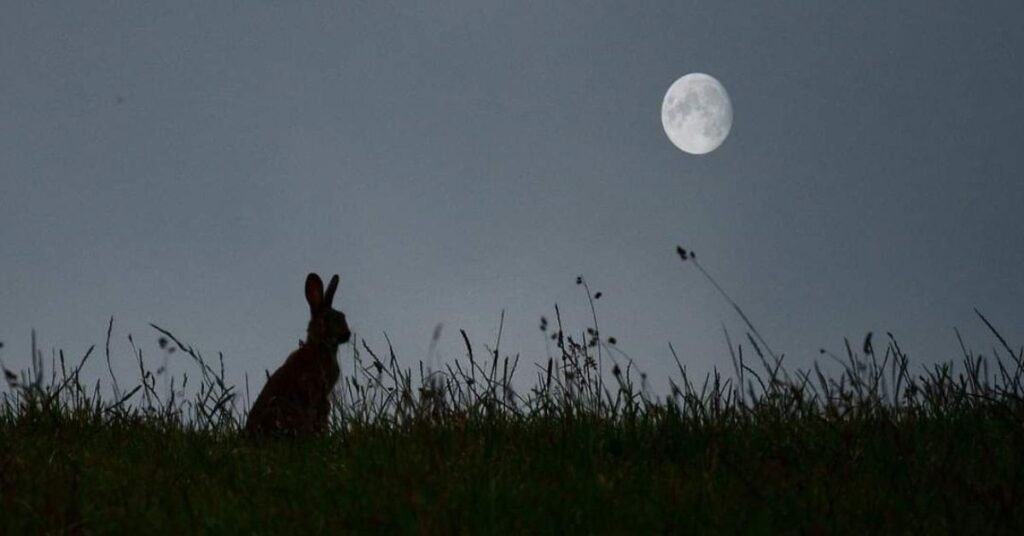
Finding the moonlight rabbit in the moon is easy once you know what to look for. The best time to search is during a full moon when the moon is brightest and most detailed. Go outside on a clear night when the sky isn’t cloudy. Let your eyes adjust to the darkness for a few minutes.
Look directly at the full moon and study the dark patches on its surface. These dark areas are the key to seeing the moonlight rabbit. The patterns form different shapes depending on how you look at them. Some people see the rabbit sitting upright with its ears pointing up. Others see the rabbit bending over its mortar and pestle, hard at work pounding ingredients.
The rabbit’s shape is clearest when you look at the entire face of the moon, not just one small area. The right side often looks like the rabbit’s head with long ears. The center and left portions can look like the rabbit’s body. The dark spots might appear as the rabbit’s arms holding the mortar. Children often have an easier time seeing the moonlight rabbit because their imaginations are more active. If you have trouble seeing it at first, try relaxing your eyes and not looking too hard. Sometimes the image appears when you’re not trying to force it.
Moonlight Rabbit in Modern Culture
Anime and Manga
The moonlight rabbit appears frequently in Japanese anime and manga. The most famous example is Sailor Moon. The main character’s name is Usagi Tsukino, which literally translates to rabbit of the moon. Her daughter is named Chibiusa, meaning little rabbit. The entire series is filled with moon rabbit symbolism and references to the ancient legend.
Many other anime feature moonlight rabbit characters or references. These stories use the rabbit’s symbolism to represent purity, transformation, and magical power. The moonlight rabbit’s innocent yet powerful nature makes it perfect for magical girl stories. Video games also incorporate the moonlight rabbit legend. Characters based on the moon rabbit appear in role-playing games, battle games, and adventure stories.
Festivals and Celebrations
Asian communities worldwide celebrate the moonlight rabbit through seasonal festivals. The Mid-Autumn Festival happens every year when the harvest moon appears. This is typically in September or October. Families gather to eat mooncakes, which are round pastries filled with sweet paste. The round shape represents the full moon and family unity.
During these celebrations, children carry lanterns shaped like rabbits. They parade through streets and parks under the moonlight. People display decorations showing the moonlight rabbit pounding its mortar. Traditional songs about the moon and the rabbit are sung. These festivals keep the ancient legend alive for new generations. They remind people of the importance of family, gratitude, and kindness.
Art and Crafts
The moonlight rabbit inspires artists across many mediums. Traditional painters create beautiful scrolls showing the rabbit in the moon. Potters make ceramic rabbits in various poses and styles. Craftspeople carve wooden rabbits for decorative purposes. The moonlight rabbit appears on pottery, textiles, jewelry, and sculptures.
Modern artists also embrace the moonlight rabbit theme. Digital artists create stunning illustrations combining traditional folklore with contemporary styles. Fashion designers incorporate moon rabbit motifs into clothing and accessories. The rabbit’s timeless appeal makes it perfect for both traditional and modern artistic expression. Collectors seek out moon rabbit artwork from different time periods and cultures.
Moonlight Rabbit Festivals Around Asia
| Country | Festival Name | Time of Year | Special Foods | Activities |
| China | Mid-Autumn Festival | September/October | Mooncakes, Fruits | Moon gazing, Lanterns, Family gatherings |
| Japan | Tsukimi | September/October | Mochi, Dango, Chestnuts | Moon viewing, Poetry, Traditional performances |
| Korea | Chuseok | September/October | Songpyeon, Tteok | Ancestral rituals, Folk games, Shared meals |
| Vietnam | Tết Trung Thu | September/October | Mooncakes, Fruits | Lion dances, Lantern parades, Children’s celebrations |
Spiritual Lessons from the Moonlight Rabbit
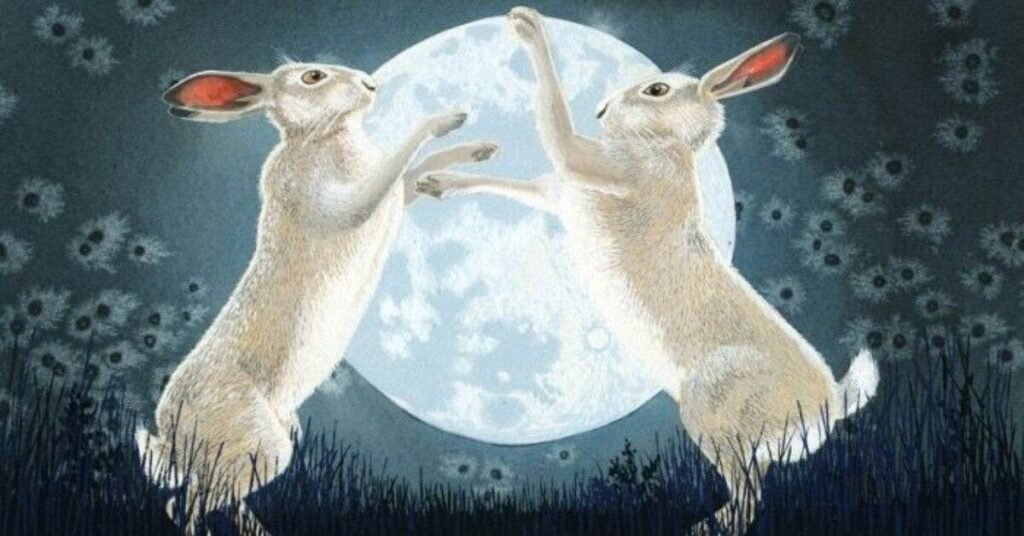
The moonlight rabbit teaches us valuable life lessons that remain relevant today. First, it shows the power of compassion. The rabbit didn’t ignore the suffering of the old man even though they were strangers. This reminds us to care about others regardless of who they are. We should help people in need when we can.
Second, the moonlight rabbit demonstrates that giving from the heart matters more than what you give. The monkey had fruits and the fox had fish, but the rabbit’s offering was more meaningful because it cost everything. True generosity means being willing to sacrifice for others. We don’t need wealth to be kind. Even small acts of kindness from a sincere heart are valuable.
Third, the story teaches that goodness is rewarded. The rabbit’s selfless act didn’t go unnoticed. The god recognized the rabbit’s pure heart and gave it immortality. This encourages us to do the right thing even when nobody is watching. Good deeds have lasting impact. Finally, the moonlight rabbit reminds us to look up and appreciate the beauty around us. The moon has been shining for billions of years, and people throughout history have found meaning in its light.
Scientific View of the Moonlight Rabbit
Scientists explain the moonlight rabbit through a concept called pareidolia. This is when our brains see familiar patterns in random shapes. Our minds are wired to recognize faces and figures, even when they don’t really exist. This is why we see animals in clouds, faces in tree bark, and rabbits in the moon.
The dark patches that form the moonlight rabbit are called lunar maria, which means moon seas. Ancient astronomers thought these dark areas were bodies of water. We now know they’re actually huge plains of solidified lava. Billions of years ago, asteroids crashed into the moon, creating massive craters. Lava flowed into these impact basins and cooled into dark rock. This dark volcanic rock contrasts with the lighter highland areas, creating the patterns we see.
Different lunar missions have photographed and mapped the moon’s surface in detail. These scientific images confirm that the maria are just geological features. But this knowledge doesn’t make the moonlight rabbit legend any less meaningful. The stories arose from human imagination and our need to find meaning in the natural world. Science and folklore can coexist peacefully, each offering different types of truth about our relationship with the universe.
Moonlight Rabbit in Your Daily Life
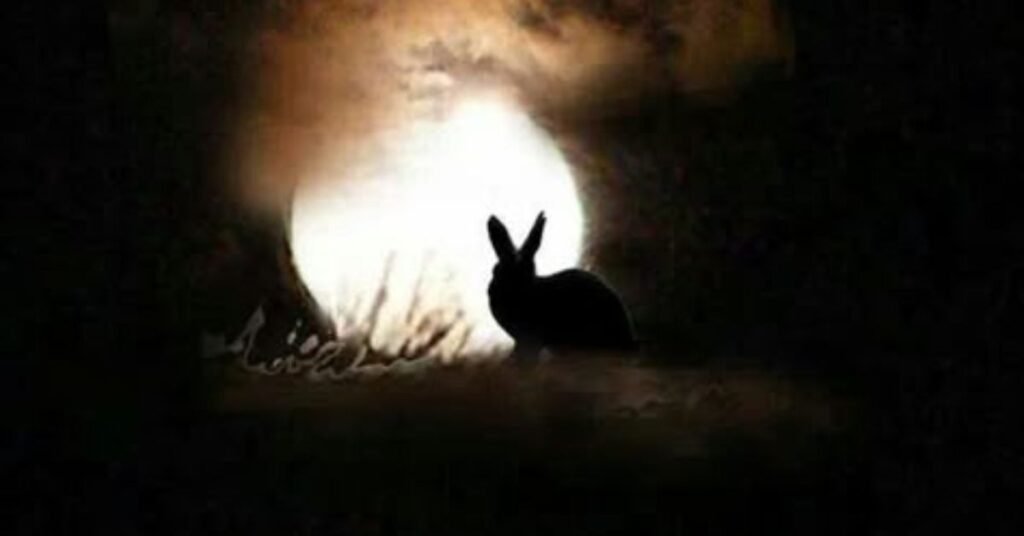
You can bring the moonlight rabbit’s positive energy into your everyday life. Many people keep rabbit figurines in their homes as reminders of good luck and kindness. Placing a white rabbit statue near your entrance is thought to invite good fortune. Some people wear moon rabbit jewelry or carry small charms for protection and prosperity.
During the full moon each month, take time to go outside and look for the moonlight rabbit. This simple practice connects you with thousands of years of human tradition. It’s a moment to reflect on the rabbit’s message of selflessness. Think about ways you can help others in your own life. The moonlight rabbit encourages us to be generous and compassionate.
You can also celebrate the Mid-Autumn Festival even if you’re not from an Asian culture. Make or buy mooncakes to share with family and friends. Teach children the moonlight rabbit story and its valuable lessons. Create rabbit-themed crafts or artwork. These activities help preserve an ancient tradition while making it relevant to modern life. The moonlight rabbit’s message of kindness transcends cultural boundaries and speaks to all humanity.
Conclusion
The Moonlight Rabbit is a gentle symbol that brings a sense of peace and wonder. Its story reminds us of kindness and the beauty of small, quiet moments. People feel connected to it because the image is easy to see in the moon, and the legend feels soft and magical.
Whether you know it from stories, festivals, or art, the Moonlight Rabbit adds warmth to the night sky. It encourages imagination and gives a soothing feeling to anyone who hears the tale. It is a simple legend, yet it carries a deep and calming meaning.
FAQs
1. What is the Moonlight Rabbit?
It is a popular legend that tells the story of a magical rabbit living on the moon.
2. Why is the rabbit linked to the moon?
Many cultures see a rabbit’s shape in the moon’s shadows, which inspired stories and myths.
3. What does the Moonlight Rabbit symbolize?
It often represents kindness, sacrifice, and gentle wisdom.
4. Is the Moonlight Rabbit the same in every culture?
No, different countries share the idea, but their stories and meanings vary.
5. Why do people love this legend?
Because it feels calm, comforting, and full of imagination.
