

Introduction
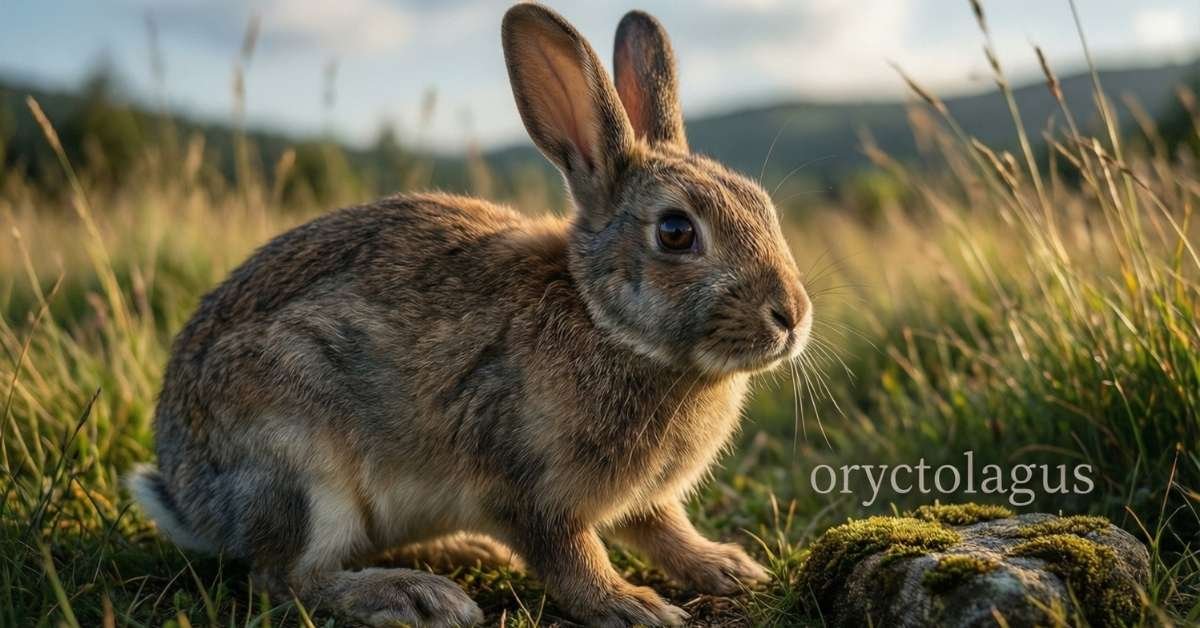
The oryctolagus rabbit is the scientific name for the European rabbit. It belongs to the species Oryctolagus cuniculus. This rabbit is the ancestor of most pet and domestic rabbits seen today. It is known for its strong body, long ears, and fast breeding ability.
Many people see rabbits every day but do not know their real origin. The oryctolagus rabbit has an interesting history that connects nature, science, and human life. From wild burrows to homes and farms, this rabbit has shaped how we understand rabbits today.
In this guide, you will learn simple and useful facts about the oryctolagus rabbit. We will cover its origin, physical traits, behavior, and importance. This information is easy to read and helpful for students, pet owners, and animal lovers.
What Is an Oryctolagus Rabbit?
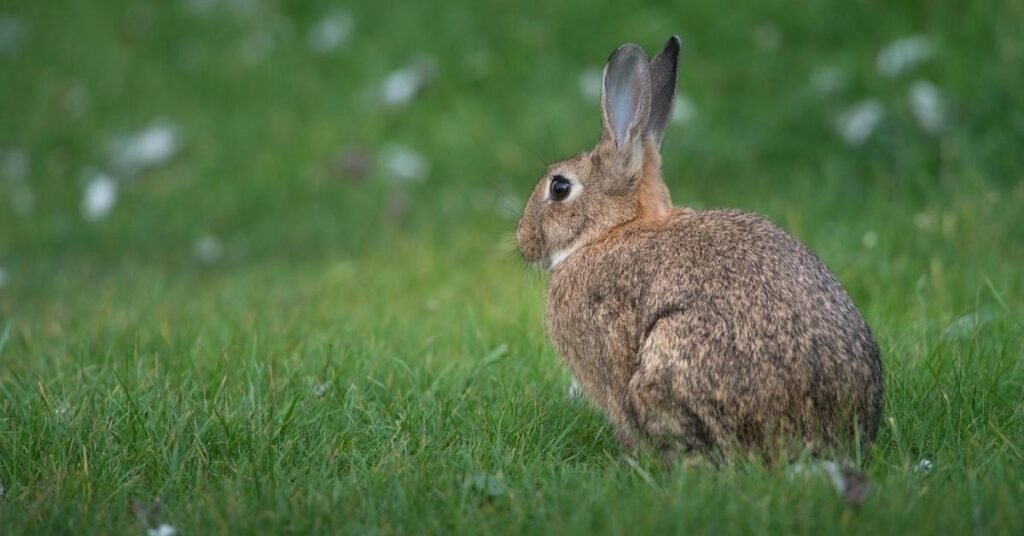
An oryctolagus rabbit is the scientific name for the European rabbit. Its full name is Oryctolagus cuniculus. This species lives in the wild and is also the origin of most domestic rabbits. It is known for digging burrows and living in groups.
The oryctolagus rabbit has a compact body and strong back legs. It eats grass, leaves, and plants. This rabbit breeds quickly and adapts well to many environments. Because of this, it is found in many parts of the world today.
Scientific Meaning of Oryctolagus cuniculus
The term Oryctolagus cuniculus is formed from old Greek and Latin roots. “Orycto” refers to digging, while “lagus” points to a hare-like animal. Together, they describe a rabbit that naturally digs deep tunnels and spends much of its life underground. The word “cuniculus” also connects to burrows, highlighting this rabbit’s strong digging habits.
Researchers use the name Oryctolagus cuniculus as the official label for the European rabbit. It clearly separates this species from other types of rabbits around the world. This name appears in science books, wildlife records, and veterinary care. It reflects both the rabbit’s behavior and its biological identity.
Why Domestic Rabbits Are Called Oryctolagus
Domestic rabbits are called Oryctolagus because they come from the European rabbit. Their wild ancestor is Oryctolagus cuniculus. Over time, humans bred these rabbits for pets, food, and fur. Even after breeding, they kept the same scientific family name.
The word Oryctolagus also matches their natural behavior. Domestic rabbits still like to dig, hide, and explore small spaces. These habits come from their wild past. That is why scientists continue to use the name Oryctolagus for both wild and domestic rabbits.
Origin and Natural History of the Oryctolagus Rabbit
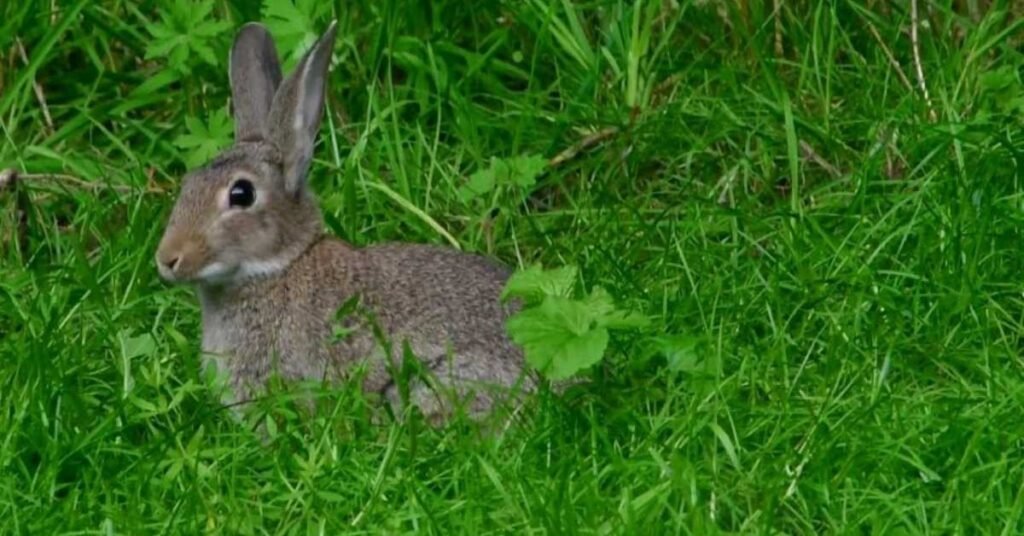
The oryctolagus rabbit originally came from southwestern Europe. It lived in countries like Spain, Portugal, and parts of France. These rabbits preferred dry land where they could dig burrows easily. They lived in groups and stayed safe underground from predators.
Over time, humans noticed the rabbit’s fast breeding and calm nature. People began to raise the oryctolagus rabbit for food, fur, and later as pets. This led to the spread of rabbits to other parts of Europe and the world. Today, this species plays an important role in nature, farming, and pet care.
| Aspect | Details |
| Scientific Name | Oryctolagus cuniculus |
| Common Name | European Rabbit |
| Original Region | Southwestern Europe |
| Native Countries | Spain, Portugal, Southern France |
| Natural Habitat | Grasslands, dry soil areas, open fields |
| Living Style | Group living in underground burrows |
| Burrow Type | Complex tunnel systems called warrens |
| Diet in the Wild | Grass, roots, leaves, bark |
| Main Predators | Foxes, birds of prey, wild cats |
| Human Interaction | Hunted, farmed, domesticated |
| Domestication Period | Around 1,500 years ago |
| Spread Worldwide | Europe, Australia, Americas |
| Role in Ecosystem | Prey species, soil aeration |
| Relation to Pet Rabbits | Ancestor of most domestic breeds |
Native Habitat and Early Evolution
The oryctolagus rabbit first lived in warm parts of Europe. It was common in Spain, Portugal, and southern France. These areas had dry soil and open land. This made it easy for rabbits to dig burrows and stay safe.
Over many years, the oryctolagus rabbit evolved to survive in the wild. Strong back legs helped it run fast. Sharp senses helped it avoid danger. Living in groups and underground helped the species grow and spread.
| Feature | Description |
| Original Range | Southwestern Europe |
| Main Native Areas | Spain, Portugal, Southern France |
| Climate Type | Mild and dry Mediterranean climate |
| Preferred Land | Open grasslands and soft soil |
| Shelter Type | Underground burrows |
| Social Behavior | Group living |
| Key Survival Skill | Fast running and quick hiding |
| Body Adaptation | Strong legs and flexible spine |
| Sense Development | Sharp hearing and wide vision |
| Feeding Evolution | Grass and low plants |
| Reproduction Style | Fast breeding cycles |
| Early Population Growth | Rapid in safe environments |
| Natural Threats | Predators and climate changes |
| Evolution Advantage | Burrowing for protection |
| Link to Domestic Rabbits | Ancestor species |
Spread of Oryctolagus Rabbits Around the World
The oryctolagus rabbit did not stay only in Europe. Humans carried it to new places for food and farming. Rabbits were taken to different parts of Europe first. Later, they were introduced to other continents.
The oryctolagus rabbit spread quickly in areas with grass and soft soil. It reached places like Australia, the Americas, and many islands. In some regions, rabbit numbers grew very fast. This changed local ecosystems and farming practices.
Oryctolagus Rabbit vs Other Rabbit Species
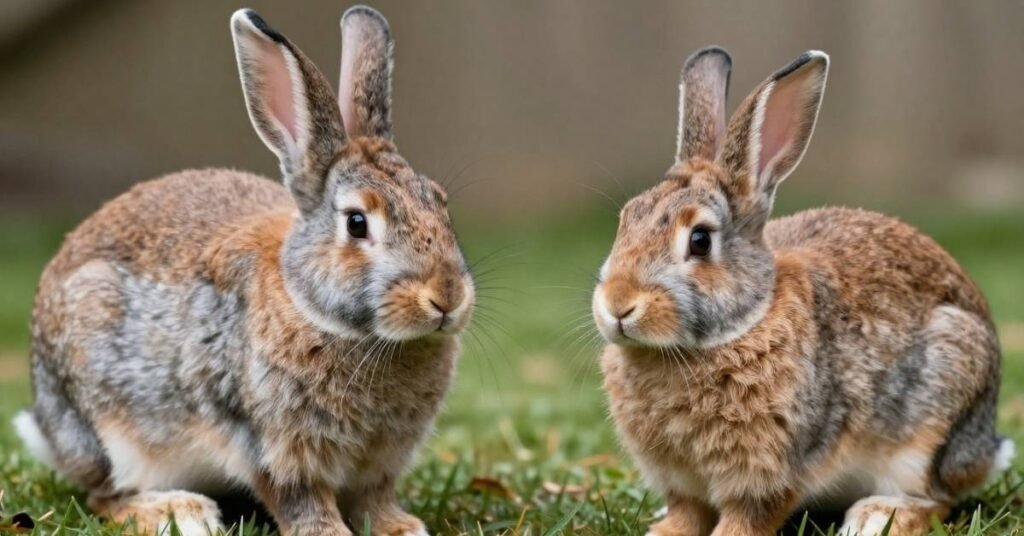
The oryctolagus rabbit is different from other rabbit species. It is the main ancestor of most domestic rabbits. It has strong digging habits and lives in groups. Other rabbits may live alone and prefer different habitats.
The oryctolagus rabbit also has faster breeding and adapts well to many environments. Some rabbit species are smaller or larger and have different fur colors. Understanding these differences helps in studying wildlife and caring for pets.
| Feature | Oryctolagus Rabbit | Other Rabbit Species |
| Scientific Name | Oryctolagus cuniculus | Varies (e.g., Sylvilagus floridanus) |
| Common Name | European Rabbit | Cottontail, Snowshoe Hare, etc. |
| Size | Medium | Small to large depending on species |
| Fur Color | Brown, gray, or white (domestic breeds vary) | Varies widely by species |
| Habitat | Grasslands, open fields, burrows | Forests, deserts, wetlands, or meadows |
| Social Behavior | Lives in groups | Some are solitary |
| Burrowing | Excellent digger; complex burrows | Some dig, others do not |
| Reproduction | Fast breeding cycles | Slower or seasonal breeders |
| Adaptability | High; adapts to many climates | Varies; some are sensitive |
| Human Use | Domestication for pets, food, fur | Mostly wild, limited domestication |
| Conservation Status | Common | Some species are threatened or endangered |
Difference Between Oryctolagus and Lepus
The oryctolagus rabbit and Lepus species (hares) look similar but are very different. Oryctolagus rabbits are smaller, live in burrows, and breed fast. Lepus hares are larger, live above ground, and are usually solitary.
Their behavior and body structure are different too. Rabbits have shorter legs and rounder bodies. Hares have long legs, large ears, and run very fast to escape predators. These differences help them survive in different habitats.
| Feature | Oryctolagus Rabbit | Lepus (Hares) |
| Scientific Name | Oryctolagus cuniculus | Lepus spp. |
| Common Name | European Rabbit | Hares |
| Size | Medium | Medium to large |
| Fur | Soft, dense | Coarser, seasonal color change in some species |
| Legs | Shorter, strong for digging | Long, strong for running |
| Ears | Medium-sized | Long and upright |
| Living Style | Burrows, group-living | Above ground, mostly solitary |
| Breeding | Fast, multiple litters per year | Slower, fewer litters per year |
| Young at Birth | Blind, hairless (altricial) | Fully furred, open eyes (precocial) |
| Speed | Moderate | Very fast |
| Adaptability | High, easy to domesticate | Wild species, less domesticated |
| Diet | Herbivore : grass, leaves | Herbivore : grass, bark, herbs |
| Habitat | Grasslands, meadows | Open fields, forests, tundra |
| Escape Strategy | Hides in burrows | Runs quickly from predators |
How Oryctolagus Differs From Wild Hares
The oryctolagus rabbit is unlike wild hares in many ways. Rabbits are smaller and dig burrows for shelter. Hares are bigger and stay above ground. Rabbits are social and live in groups, while hares prefer to live alone.
There are also key differences in babies, movement, and domestication:
- Young: Rabbit babies are born blind and without fur. Hare babies are born with fur and open eyes.
- Movement: Rabbits hide in tunnels to escape danger. Hares rely on speed and agility to flee predators.
- Domestication: Oryctolagus rabbits are common as pets or on farms. Wild hares are rarely domesticated.
Physical Characteristics of the Oryctolagus Rabbit
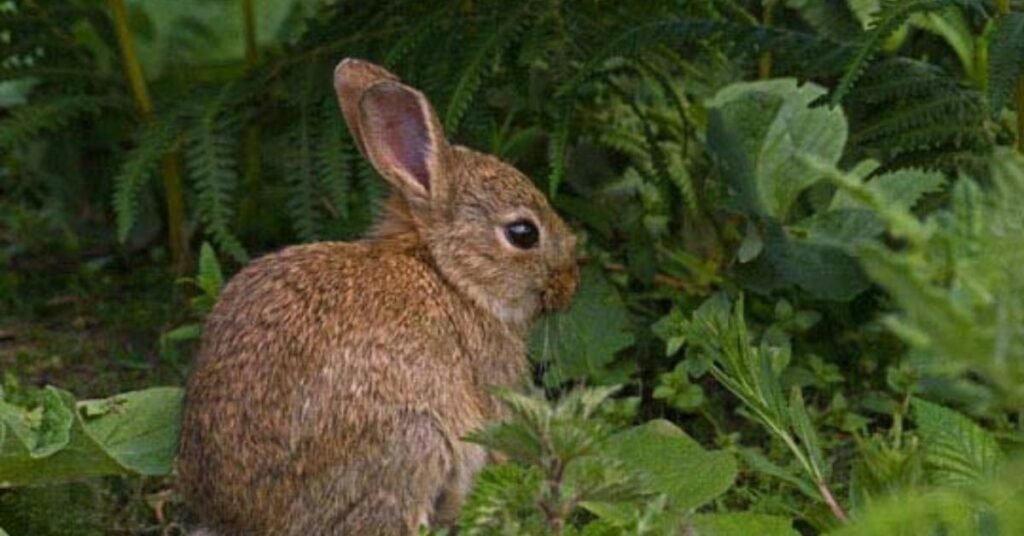
The oryctolagus rabbit has a compact and strong body. It has long ears, large eyes, and soft fur. Its back legs are powerful for running and jumping. The rabbit’s body helps it survive in the wild and adapt as a domestic pet.
Key physical features include:
- Fur: Soft, dense, and comes in colors like brown, gray, or white
- Ears: Long and sensitive to sound
- Legs: Strong hind legs for jumping and digging
- Tail: Short and fluffy
- Size: Medium, usually 12–20 inches long
- Weight: Around 2–5 pounds (domestic breeds may vary)
- Teeth: Continuously growing, perfect for chewing grass and plants
Size, Weight, and Body Structure
The oryctolagus rabbit has a medium-sized and well-built body. Its shape is compact and strong, perfect for running, jumping, and digging. The back legs are longer than the front legs, giving it great speed and agility. Its body is covered with soft fur that protects it in the wild.
Rabbits vary in size and weight depending on breed and environment. Domestic rabbits are often larger than wild ones. They have a flexible spine, short tail, and rounded head. These features make them good at hiding and surviving.
| Feature | Description |
| Body Type | Compact, muscular, and agile |
| Average Length | 12–20 inches (30–50 cm) |
| Average Weight | 2–5 pounds (0.9–2.3 kg); domestic breeds can weigh more |
| Fur | Soft, dense, colors: brown, gray, white |
| Head | Rounded with large eyes |
| Ears | Long, upright, highly sensitive |
| Legs | Strong hind legs, shorter front legs |
| Tail | Short, fluffy |
| Spine | Flexible, helps in jumping and turning quickly |
| Teeth | Continuously growing, designed for chewing plants |
| Adaptation | Designed for digging, escaping predators, and running |
Behavior and Social Traits of Oryctolagus Rabbits
The oryctolagus rabbit is a social and active animal. It lives in groups called colonies or warrens. Rabbits communicate with each other using sounds, body movements, and scents. They are mostly active during dawn and dusk, which helps them avoid predators.
These rabbits are curious and like to explore their surroundings. They dig burrows for safety and rest. Social bonds are strong, and rabbits groom each other to show care. They can also be trained to follow routines when kept as pets.
| Trait | Description |
| Social Structure | Lives in groups called colonies or warrens |
| Activity Pattern | Crepuscular – active at dawn and dusk |
| Communication | Uses sounds, body movements, and scent marking |
| Curiosity | Explores surroundings regularly |
| Burrowing | Digs complex burrows for protection and rest |
| Grooming | Cleans itself and others; strengthens social bonds |
| Territory | Marks territory using scent glands |
| Interaction | Friendly in colonies; can bond with humans |
| Defense Mechanism | Hides in burrows or freezes to avoid predators |
| Reproductive Behavior | Multiple litters per year; strong parental care |
| Playful Behavior | Jumps, hops, and runs for exercise and fun |
| Adaptability | Learns quickly; adapts to wild and domestic environments |
Proper Diet for Domestic Oryctolagus Rabbits
Domestic oryctolagus rabbits need a healthy and balanced diet to stay strong. Their main food is hay, which helps their teeth and digestion. Fresh vegetables and leafy greens are important too. Fruits can be given sometimes as treats.
Rabbits also need clean water every day. Avoid feeding them chocolate, processed foods, or anything toxic. A proper diet keeps them active, happy, and healthy.
| Food Type | Examples | Notes |
| Hay | Timothy, Meadow, Orchard | Main diet; helps digestion and wears teeth |
| Fresh Vegetables | Romaine lettuce, Carrot tops, Kale, Spinach (in moderation) | Provides vitamins and minerals |
| Leafy Greens | Parsley, Cilantro, Basil, Dandelion leaves | Fresh daily; wash before feeding |
| Fruits (Treats) | Apple slices, Banana, Blueberries | Give small amounts; high in sugar |
| Pellets | Timothy-based pellets | Feed in moderation; avoid high-calcium pellets |
| Water | Clean, fresh water | Must always be available |
| Avoid | Chocolate, Bread, Sugary snacks, Potato | Toxic or harmful for rabbits |
Is the Oryctolagus Rabbit a Good Pet?
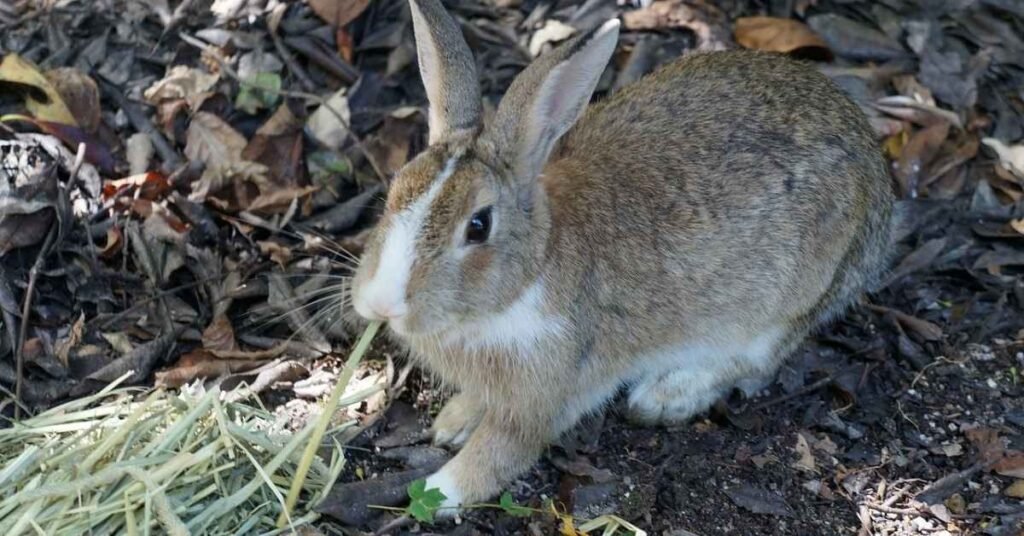
The oryctolagus rabbit can make a wonderful pet. They are gentle, curious, and social animals. With proper care, they form strong bonds with humans. They enjoy attention, playtime, and exploring safe spaces.
However, rabbits need daily care and a proper environment. They require healthy food, clean water, and a secure living area. Regular grooming and exercise are important too. When cared for well, the oryctolagus rabbit is friendly, playful, and a loyal companion.
Temperament and Intelligence Level
The oryctolagus rabbit is gentle and curious by nature. It enjoys interacting with humans and other rabbits. These rabbits are usually calm but can get nervous if they feel threatened. They have a playful side and like to explore their surroundings.
Oryctolagus rabbits are also intelligent animals. They can learn simple commands, use a litter box, and remember routines. Their problem-solving skills help them navigate tunnels and obstacles. With proper training and attention, they can be very responsive and social.
| Trait | Description |
| General Temperament | Gentle, calm, and social |
| Interaction with Humans | Friendly and enjoys attention |
| Interaction with Other Rabbits | Can form strong bonds in groups |
| Playfulness | Likes to explore, hop, and play |
| Fear Response | Can be shy or nervous if threatened |
| Learning Ability | Can learn commands and routines |
| Litter Training | Can be trained to use a litter box |
| Problem-Solving | Good at navigating tunnels and obstacles |
| Curiosity | High; explores new objects and spaces |
| Adaptability | Adjusts to domestic and safe environments |
| Social Intelligence | Recognizes humans and other rabbits individually |
| Activity Level | Moderate; active during dawn and dusk |
Care Needs and Living Environment
The oryctolagus rabbit needs a safe and comfortable home. They should have a clean cage or hutch with enough space to move freely. Fresh hay, water, and food should always be available. Rabbits also need time outside their enclosure to exercise and explore safely.
A proper living environment includes protection from predators, extreme heat, and cold. Bedding should be soft and changed regularly. Regular grooming and health checks are important. A good environment keeps rabbits happy, healthy, and active.
| Care Aspect | Details |
| Housing | Spacious cage, hutch, or pen; indoor or outdoor options |
| Flooring & Bedding | Soft bedding like straw or hay; clean regularly |
| Space Requirements | Enough room to hop, stretch, and play |
| Exercise | Daily supervised time outside the cage |
| Food & Water | Constant access to hay, fresh vegetables, and water |
| Temperature | Protect from extreme heat or cold; ideal 60–70°F |
| Safety | Secure enclosure to avoid predators and hazards |
| Grooming | Brush regularly; trim nails as needed |
| Health Checks | Monitor teeth, eyes, ears, and weight |
| Social Needs | Interaction with humans or other rabbits |
| Enrichment | Toys, tunnels, and hiding spots to stimulate activity |
| Cleaning | Remove soiled bedding and droppings daily |
| Veterinary Care | Routine check-ups; vaccinations if required |
Conclusion
The oryctolagus rabbit is an extraordinary creature. It has a fascinating history, strong digging instincts, and a naturally social personality. From wild burrows in open fields to cozy homes with humans, this rabbit has shown incredible adaptability.
Rabbits can be wonderful companions for people willing to care for them properly. They are gentle, inquisitive, and clever. With patience and attention, they can form close bonds with their owners and enjoy play, exploration, and interaction.
Caring for a rabbit requires commitment and responsibility. They need a safe, clean, and comfortable space to live, fresh water, a balanced diet, and daily exercise. Regular grooming, health checks, and social interaction are key to keeping them healthy and happy.
Ultimately, rabbits are far more than just cute animals. They are intelligent, playful, and adaptable pets. Learning about their behavior, history, and care needs helps us appreciate them fully. With love, attention, and proper care, they can bring joy, loyalty, and companionship for many years.
FAQs
1. How often should rabbits eat fresh vegetables?
Rabbits should have fresh vegetables every day. Offer a variety of leafy greens like lettuce, spinach, or parsley. Introduce new veggies slowly to avoid digestive problems.
2. Can rabbits live alone, or do they need companions?
Rabbits are social animals and enjoy company. They do well with another rabbit or regular interaction with humans. Loneliness can make them stressed or bored.
3. How much space does a rabbit need to stay healthy?
A rabbit needs enough room to hop, stretch, and explore. A spacious cage or pen with daily time outside helps them stay active. Small, cramped spaces can affect their health.
4. What are signs that a rabbit is healthy?
Healthy rabbits are active, alert, and have bright eyes. Their fur should be clean and soft, and they eat and drink regularly. Normal droppings and playful behavior are also good signs.
5. How often should rabbits be groomed?
Rabbits should be groomed at least once or twice a week. Long-haired breeds may need daily brushing. Regular grooming prevents mats, keeps fur clean, and reduces shedding.
