

Introduction
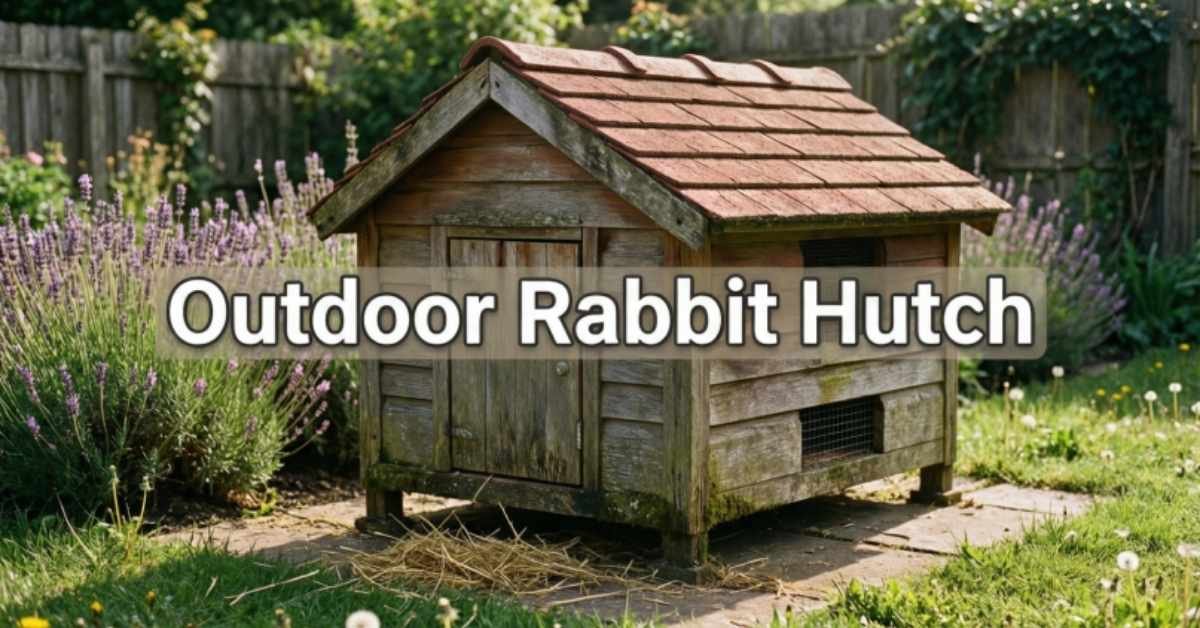
An outdoor rabbit hutch is a shelter made for pet rabbits to live outside. It protects them from weather, predators, and harsh temperatures. It also gives rabbits space to move, rest, and feel safe.
Many new rabbit owners wonder if outdoor living is safe or comfortable. They also worry about rain, heat, or cold. This makes the choice of an outdoor rabbit hutch very important.
Outdoor rabbit hutches come in different sizes and materials. Some include runs for exercise. Others have insulation or raised floors to keep rabbits dry and warm. Choosing the right hutch helps keep rabbits healthy and happy.
What Is a Rabbit Hutch and How Is It Different From a Cage?
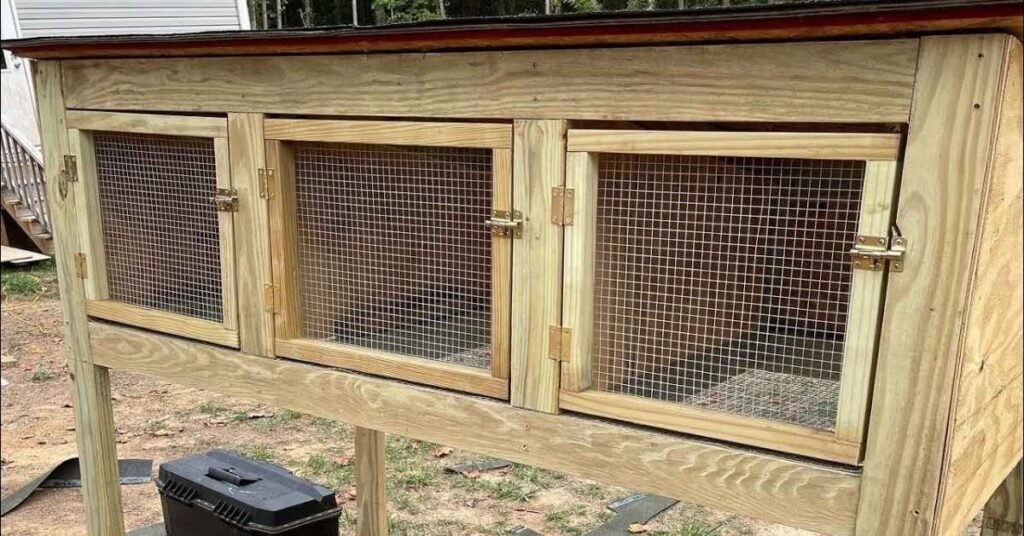
A rabbit hutch is a small outdoor house for rabbits. It is usually made of wood and wire mesh. It gives rabbits shelter from weather and space to rest. Hutches are built to stay outside for long periods.
A cage is usually kept indoors. It is smaller and lighter. Cages do not offer the same protection from wind, rain, or predators. This difference makes a rabbit hutch better for outdoor living.
Indoor vs. Outdoor Rabbit Hutch
An indoor hutch is small and easy to clean. It keeps rabbits close to people. It also protects them from weather and predators. However, indoor hutches can limit space and exercise.
An outdoor rabbit hutch gives rabbits more room and fresh air. It allows natural sunlight and outdoor activity. But it needs stronger materials for safety and insulation. Weather, pests, and predators must be considered.
| Feature | Indoor Hutch | Outdoor Rabbit Hutch |
| Location | Inside the house | In yard, garden, or patio |
| Protection from Weather | Not needed | Very important |
| Predator Safety | Not needed | Must be secure |
| Size | Smaller | Medium to large |
| Materials | Plastic or metal | Wood, wire, insulation |
| Ventilation | Limited | Natural airflow |
| Cleaning | Easy and quick | Needs more effort |
| Exercise Space | Limited | Can include outdoor runs |
| Interaction With Owner | High | Moderate |
| Temperature Control | Stable | Must manage heat and cold |
| Sunlight | Limited | Natural sunlight |
| Noise & Smells | Stays indoors | Stays outdoors |
| Cost Range | Low to medium | Medium to high |
| Suitable for Beginners | Yes | Yes, with planning |
| Rabbit Stress Level | Low | Can vary with environment |
Is an Outdoor Rabbit Hutch Safe for Rabbits?

An outdoor rabbit hutch can be safe for rabbits. It must be strong, clean, and weatherproof. It should keep out rain, heat, cold, and predators. A safe hutch also gives rabbits space to move and rest.
Safety depends on the design and location. The hutch should be placed on level ground and away from direct sun. It should also have good airflow and shade. When owners check the hutch daily, rabbits stay healthy and comfortable.
Weather, Predators, and Environmental Risks to Know
Outdoor rabbits face many risks in nature. Weather can change quickly. Rain, heat, snow, and wind can stress rabbits. A strong outdoor rabbit hutch protects them from these conditions.
Predators and pests also matter. Foxes, dogs, cats, snakes, and birds may try to reach rabbits. Insects and parasites can also harm them. A secure hutch keeps rabbits safe and calm.
| Risk Type | Examples | Effects on Rabbits | How the Hutch Helps |
| Hot Weather | Heat, sun | Heat stress, dehydration | Shade, airflow, water access |
| Cold Weather | Snow, frost | Hypothermia, stress | Insulation, warm bedding |
| Rain & Moisture | Rain, humidity | Damp fur, illness | Waterproof roof, raised floor |
| Wind | Strong gusts | Stress, cold | Wind barriers, solid walls |
| Predators | Foxes, dogs, cats | Fear, injury, death | Strong locks, wire mesh |
| Birds of Prey | Hawks, owls | Fear, attacks | Covered roof or run |
| Snakes & Rodents | Rats, snakes | Bites, disease | Tight mesh, sealed gaps |
| Parasites | Fleas, mites | Itching, infection | Clean bedding, checks |
| Insects | Mosquitoes, flies | Bites, irritation | Screens, hygiene |
| Noise | Traffic, dogs | Stress, hiding | Quiet location choice |
| Toxins | Lawn chemicals | Poisoning | Safe placement in yard |
| Temperature Swings | Warm days, cold nights | Stress, illness | Insulation + ventilation |
Ideal Rabbit Hutch Size and Space Requirements
Rabbits need space to move, stretch, and explore. A small hutch can cause stress and health problems. A larger outdoor rabbit hutch gives room for resting, eating, and playing. Bigger hutches also support natural rabbit behavior.
Size needs depend on the rabbit’s breed and weight. Larger breeds need more floor space and higher ceilings. Adding a run gives extra exercise space. More space keeps rabbits active and happy.
| Rabbit Size | Weight Range | Suggested Hutch Size | Suggested Run Size | Notes |
| Small Breeds | 2–4 lbs | 4 ft x 2 ft x 2 ft | 8 ft x 4 ft | Good for Netherland Dwarf |
| Medium Breeds | 4–8 lbs | 5 ft x 2.5 ft x 2.5 ft | 10 ft x 5 ft | Common pet size |
| Large Breeds | 8–12 lbs | 6 ft x 3 ft x 3 ft | 12 ft x 6 ft | Needs stronger flooring |
| Giant Breeds | 12+ lbs | 7 ft x 3 ft x 3 ft | 14 ft x 7 ft | Best with outdoor runs |
| Two Rabbits | Varies | +30–50% more space | Larger run required | Prevents fighting |
| Baby Rabbits | Small | Can share space | Small run area | Grows quickly |
| Senior Rabbits | Varies | Larger door access | Medium run | Easier movement |
| Bonded Pairs | Varies | Longer hutch | Shared run | Reduces stress |
| Indoor Hutch | Varies | Small floor space | No outdoor run | Needs playtime indoors |
| Outdoor Hutch | Varies | Bigger floor space | Outdoor run | Allows natural behavior |
How Much Space One or Two Rabbits Really Need
A single rabbit needs enough room to hop, stretch, and lay down. It also needs space for a food bowl, water bottle, and litter box. Too little space can cause stress and boredom. More space keeps the rabbit active and happy.
Two rabbits need even more room. Bonded pairs like to explore together. They also need space to rest apart. A larger outdoor rabbit hutch and run help prevent fighting and stress.
Suitable space depends on:
- Rabbit size and breed
- Age and energy level
- Outdoor or indoor housing
- Whether there is a run attached
- If rabbits live alone or in pairs
Best Materials for Building a Durable Rabbit Hutch

A durable rabbit hutch must stay strong in outdoor weather. It should resist rain, sun, wind, and pests. The materials must also be safe for rabbits. Strong materials help the hutch last for years.
Many hutches are made from wood, metal, or plastic. Each material has benefits and drawbacks. Wood offers warmth and insulation. Metal gives protection from predators. Plastic is light and easy to clean. The best outdoor rabbit hutch often combines several materials.
| Material | Strength | Weather Protection | Safety for Rabbits | Maintenance | Cost Level | Key Benefits | Common Issues |
| Wood (Fir/Pine) | Medium | Good in mild weather | Safe | Needs sealing | Medium | Warm, natural insulation | Can rot if not sealed |
| Hardwood (Oak) | High | Very good | Safe | Low after sealing | High | Long-lasting and strong | Higher price |
| Metal (Wire Mesh) | High | Rust-resistant | Safe if smooth | Low | Medium | Predator-proof, airflow | Can cause drafts |
| Galvanized Steel | Very High | Excellent | Safe with coating | Very low | High | Strong and weatherproof | Can get hot in sun |
| Plastic Panels | Medium | Good with UV | Safe | Very low | Medium | Easy to clean, light | Can crack in cold |
| Composite Panels | High | Excellent | Safe with liners | Low | High | Waterproof and durable | Pricey |
| Asphalt Roof | Medium | Excellent | Safe | Low | Low | Waterproof roof | Traps heat in summer |
| Metal Roof | High | Very good | Safe | Very low | High | Long-lasting roof | Noisy in rain |
| Insulated Panels | High | Excellent | Very safe | Low | High | Controls temperature | Expensive |
| PVC Mesh | Medium | Weather-resistant | Safe | Low | Low | Airflow and ventilation | Less predator-proof |
Wood, Wire, Flooring, and Weatherproof Options
Outdoor hutches use different materials for different parts. Wood keeps rabbits warm and gives structure. Wire lets in air and keeps predators out. Flooring must stay dry and safe for rabbit feet. Weatherproof layers protect from rain, wind, and sun.
Owners should choose materials based on climate and safety. Soft or weak flooring can hurt rabbits. Rusty wire can harm or trap them. A strong outdoor rabbit hutch uses solid wood, tight wire mesh, and sealed roofing. This keeps rabbits comfortable all year.
| Part of Hutch | Common Materials | Benefits | Problems to Watch For | Best Use |
| Frame | Pine, fir, hardwood | Strong and warm | Can rot without sealant | Structure |
| Walls | Wood panels | Insulation and privacy | Needs sealing | Weather and shade |
| Wire Mesh | Galvanized steel, PVC mesh | Airflow and predator safety | Drafts if gaps are large | Doors and runs |
| Flooring | Wood slats, plastic trays, metal mesh | Dry surface, easy cleaning | Mesh can hurt feet | Sleeping and litter areas |
| Roof | Asphalt, metal, shingle, insulated panels | Waterproof and long-lasting | Heat buildup in summer | Weatherproofing |
| Doors | Wood + wire | Secure and breathable | Loose locks invite predators | Access points |
| Weatherproof Coating | Sealant, varnish, paint | Stops rot and moisture | Must be non-toxic | Outdoor protection |
| Insulation | Foam, panels, straw bedding | Warm in winter | Overheating in summer | Seasonal care |
| Run Panels | Wire mesh, PVC | Exercise space and airflow | Gaps allow pests | Outdoor activity |
| Locks & Latches | Metal hardware | Predator-proof | Weak latches break | Safety and security |
Where to Place an Outdoor Rabbit Hutch for Maximum Safety
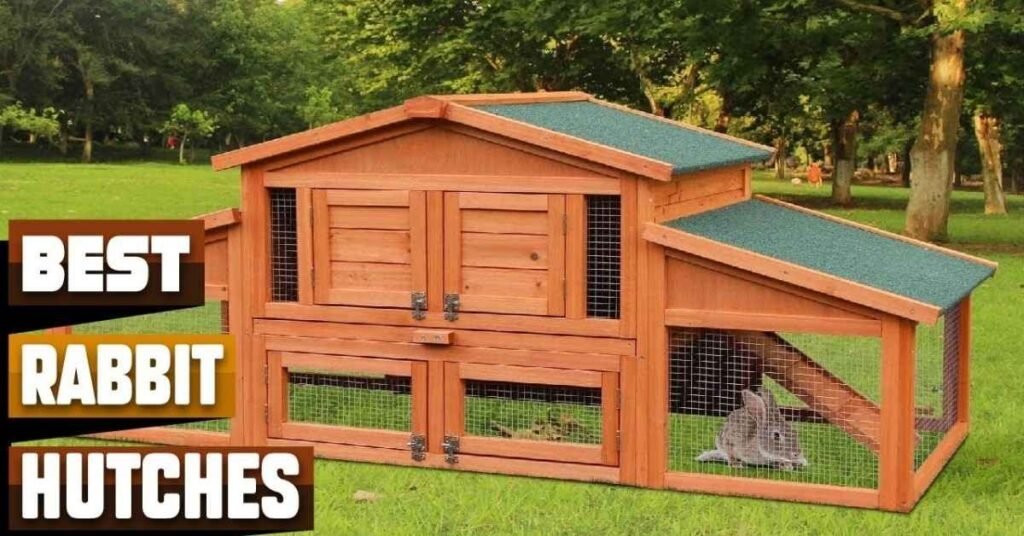
The location of an outdoor rabbit hutch is very important. It should be on level ground to prevent tipping. Place it in a quiet area away from loud noises and heavy traffic. Rabbits feel safer with shade and natural cover nearby.
Avoid direct sunlight and low spots that collect water. Keep it away from predators like dogs, cats, and foxes. A backyard corner or under a tree is ideal. Good placement helps rabbits stay healthy, stress-free, and safe all year.
What Should Be Inside a Rabbit Hutch?
A rabbit hutch needs a few important items for comfort and health. Rabbits need soft bedding to rest on. They also need a water bottle or bowl and a food dish. A small hideaway or shelter inside the hutch gives them a safe space to relax.
Rabbits also enjoy toys and chew items. Hay should always be available for eating and chewing. Litter boxes help keep the hutch clean. Adding these items makes the hutch comfortable, safe, and fun for rabbits every day.
How to Clean and Maintain a Rabbit Hutch Properly
A clean hutch keeps rabbits healthy and happy. Remove old bedding and droppings every day. Wash food bowls and water bottles with warm water. Sweep or vacuum the floor to remove dust and hair.
Deep clean the hutch at least once a week. Use mild soap and water to scrub walls, floors, and runs. Rinse well and let it dry completely before adding fresh bedding. Check for loose wires, broken doors, or leaks. Regular maintenance prevents illness and keeps rabbits safe.
| Task | Frequency | Tools / Supplies | Steps | Notes / Tips |
| Remove Droppings | Daily | Gloves, scoop, trash bag | Scoop droppings from floor and litter box | Prevents odors and bacteria |
| Replace Bedding | Daily | Fresh hay or straw | Remove old bedding and add fresh layer | Keep nesting area soft and dry |
| Clean Food Bowls | Daily | Mild soap, warm water, sponge | Wash and rinse thoroughly | Avoid strong detergents that leave residue |
| Clean Water Bottles | Daily | Bottle brush, warm water | Empty, scrub inside, refill with fresh water | Prevents algae and bacteria |
| Sweep or Vacuum Floor | Daily | Broom or vacuum | Remove dust, hair, and debris | Helps ventilation and hygiene |
| Deep Clean Hutch | Weekly | Mild soap, water, sponge, brush | Scrub walls, floors, and wire mesh | Rinse completely and let dry |
| Check for Damage | Weekly | Visual inspection | Look for loose wires, broken latches, leaks | Fix immediately to prevent accidents |
| Inspect Roof | Weekly | Visual inspection | Check for leaks, rot, or damage | Keep hutch waterproof |
| Clean Run / Exercise Area | Weekly | Broom, rake, hose | Remove dirt, droppings, and debris | Check for predator access |
| Disinfect Surfaces | Monthly | Rabbit-safe disinfectant | Spray and wipe surfaces | Helps prevent illness |
Common Rabbit Hutch Mistakes New Owners Make
Many new rabbit owners make mistakes when setting up a hutch. Small or cramped hutches can stress rabbits. Using weak materials can let predators in. Poor placement exposes rabbits to sun, wind, or rain. These mistakes affect rabbit health and safety.
Other common mistakes include neglecting cleaning, not providing enough bedding, or skipping daily checks. Toys, hay, and hideaways are sometimes forgotten. Avoiding these errors keeps rabbits happy and healthy.
Common Hutch Mistakes to Avoid:
- Hutch is too small for the rabbit
- Poor protection from weather and predators
- Weak or unsafe materials (loose wires, weak locks)
- Not enough bedding or hiding space
- Skipping daily cleaning and water/food checks
- Forgetting exercise or outdoor run space
- Not checking for signs of illness or stress
- Placing hutch in noisy, wet, or unshaded areas
Conclusion
An outdoor rabbit hutch can be safe and comfortable. The right size, materials, and placement make a big difference. Rabbits need space, protection, and care to stay happy.
Daily cleaning and maintenance are very important. Fresh bedding, water, and food keep rabbits healthy. Regular checks prevent accidents and illness.
Choosing the right materials and adding weatherproofing protects rabbits all year. Strong wood, safe wire, and a waterproof roof make a durable hutch. A secure hutch also keeps predators away.
Providing toys, hay, and hideaways adds comfort. Exercise space and runs keep rabbits active. With proper care, an outdoor rabbit hutch can be a safe and joyful home for your pet.
FAQs
1. Can rabbits live safely in an outdoor hutch?
Yes, rabbits can live safely in an outdoor hutch. It must be strong, weatherproof, and predator-proof. Daily care, fresh food, water, and bedding are essential.
2. How big should an outdoor rabbit hutch be?
The hutch should be large enough for rabbits to hop, stretch, and rest comfortably. Larger breeds or pairs need extra space. Adding a run is always helpful for exercise.
3. What materials are best for a rabbit hutch?
Wood, wire mesh, and weatherproof roofs work best. Wood provides warmth, wire keeps predators out, and waterproof roofing protects from rain. Avoid weak or untreated materials.
4. How often should I clean my rabbit hutch?
Daily cleaning is needed for droppings, food, and water. Deep cleaning should be done weekly. Rinse surfaces, replace bedding, and check for damage regularly.
5. Where is the best place to put an outdoor hutch?
Place the hutch on level ground in a quiet, shaded area. Avoid direct sun, low spots that collect water, and areas with predators. Good placement keeps rabbits safe and stress-free.
