


Introduction
A Polish rabbit is a very small domestic rabbit breed. It has a compact body, short ears, and a smooth coat. Many people like it as a pet because it looks cute and gentle.
But don’t let its size fool you. This little rabbit is full of energy and charm. It loves attention and can be very social with its owner. Its playful behavior makes it stand out from other small breeds.
This breed first became popular for shows. Today, it is also kept as a friendly house pet. It comes in several colors and usually stays under three pounds as an adult.
What Is a Polish Rabbit?
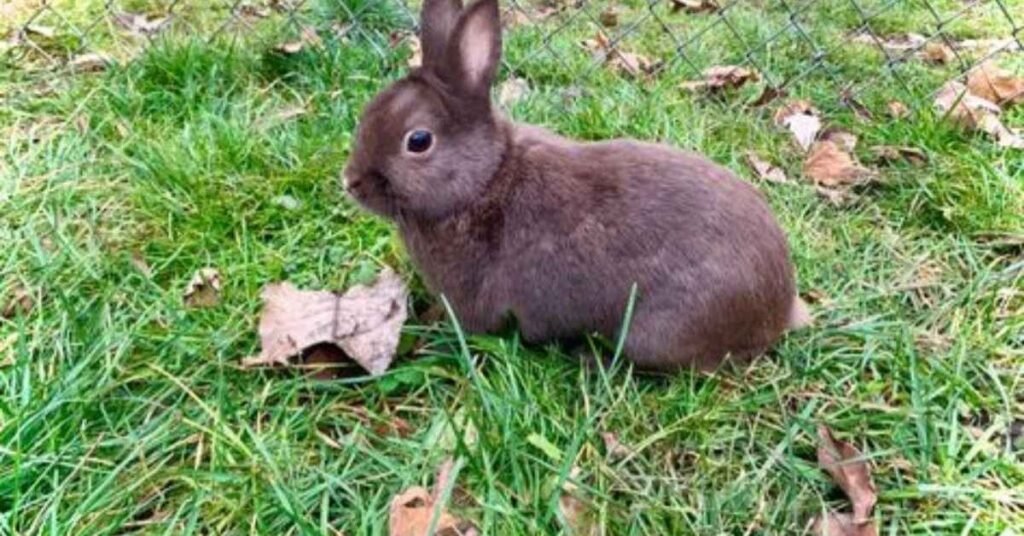
A Polish rabbit is a small and compact rabbit breed. It has a rounded head, short ears, and a smooth coat. Most adults weigh under three pounds. This makes the breed one of the tiniest rabbits found in homes and shows.
The breed is known for its calm but curious nature. It enjoys gentle handling and can bond well with people. Because of its size, it does not need a lot of space. Many owners keep it as an indoor pet and enjoy its friendly personality.
Origin, History, and Breed Background
The Polish rabbit is believed to have started in Europe. Early breeders wanted a very small rabbit with a neat body shape. The breed grew popular in England for shows and later spread to the United States. Over time, the breed became known for beauty and temperament.
Its exact origin is debated by breeders. Some say it came from Dutch rabbits, while others believe it came from small wild-type lines. No matter the story, the breed developed into a tiny rabbit with smooth fur and short ears. Today, it is recognized by many rabbit associations and shown in competitions.
| Detail | Information |
| Region of Origin | Europe (commonly linked to England) |
| First Known Use | Show and exhibition |
| Early Purpose | Small size and neat type for showing |
| Influential Breeds | Dutch and other small rabbits (disputed) |
| Recognition | Accepted by major rabbit associations |
| Spread to U.S. | Gained popularity in the 1900s |
| Main Features | Tiny size, compact body, short ears |
| Common Role Today | Pet and show rabbit |
| Weight Range | Usually under 3 lbs |
| Coat Type | Short, smooth, and glossy |
| Temperament | Calm, curious, and friendly |
| Popular Colors | Many recognized colors depending on registry |
Physical Characteristics of the Polish Rabbit
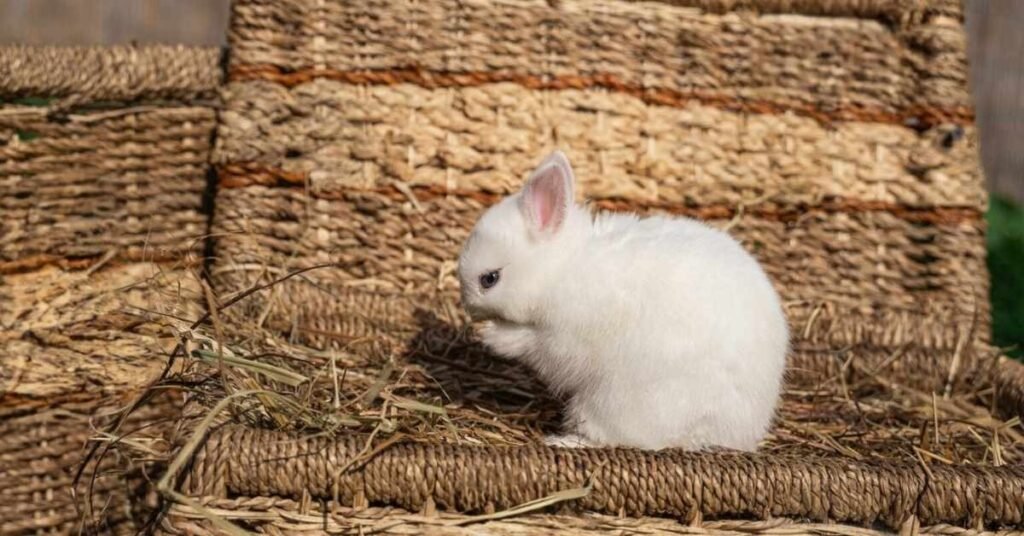
The Polish rabbit is a tiny and compact breed. It has a rounded head and short ears that stand upright. The body is smooth and balanced, with no long or uneven parts. The coat is short and soft, giving the rabbit a clean and neat look. Most adults weigh under three pounds.
This breed comes in several recognized colors. Each color has its own charm and appeal in shows. The small size makes the rabbit easy to handle and hold. Its proportions give it a cute and alert appearance that many owners love.
Key Features Include:
- Small and compact body
- Rounded head shape
- Short upright ears
- Short and smooth coat
- Weight usually under 3 lbs
- Comes in multiple colors and patterns
Size, Weight, Body Type, and Coat Colors
The Polish rabbit is known for its very small size. Most adults weigh under three pounds. The body is compact and smooth with a rounded head and short, upright ears. The overall shape gives the rabbit a neat and tidy look.
The breed can appear in many colors depending on the registry. Common options include white, black, blue, chocolate, and broken patterns. These colors make the breed popular in shows and as pets. The short coat helps highlight the clean lines of the body.
| Feature | Information |
| Size Category | Dwarf-sized breed |
| Adult Weight | Usually 2.5–3 lbs |
| Body Type | Compact and balanced |
| Head Shape | Rounded and neat |
| Ear Type | Short, upright, and pointed |
| Coat Length | Short and smooth |
| Coat Texture | Soft and glossy |
| Common Colors | White, Black, Blue, Chocolate |
| Pattern Options | Solid and Broken |
| Show Value | High due to color variety and type |
| Grooming Needs | Low maintenance |
| Handling | Easy due to small size |
Polish Rabbit Personality and Temperament

The Polish rabbit has a calm and gentle personality. It enjoys soft handling and can bond well with its owner. The breed is curious and likes to explore small spaces. This makes it fun to watch and interact with.
Even though it is tiny, it can be playful and active. It shows interest in toys and treats. Many owners keep it indoors because it adapts well to home life. Its friendly nature makes it a good choice for beginners.
| Trait | Description |
| General Personality | Calm, gentle, and curious |
| Activity Level | Moderate; small bursts of play |
| Social Behavior | Enjoys interaction and attention |
| Handling | Comfortable with gentle handling |
| Bonding | Can bond closely with owner |
| Adaptability | Good for indoor living |
| Behavior with Kids | Better for gentle, older kids |
| Behavior with Other Pets | Can coexist with supervision |
| Intelligence | Learns simple routines and habits |
| Emotional Traits | Social and trusting when raised well |
| Play Traits | Enjoys small toys and tunnels |
| Stress Level | Low when handled kindly |
| Independence | Can relax alone but likes company |
| Best Environment | Quiet indoor spaces with toys |
| Ideal Owner Type | Beginner to intermediate rabbit owners |
Are Polish Rabbits Friendly and Good Pets?
Polish rabbits are known for their friendly nature. They enjoy gentle attention and can get comfortable with family members. Many owners describe them as calm, curious, and easy to care for. Their small size also makes them easy to handle indoors.
They can be good pets for beginners and experienced owners. They do best in quiet homes with kind handling. With time and patience, they can bond closely with their owner. Their playful moments and soft behavior make them enjoyable house companions.
Polish Rabbit Care and Housing Needs
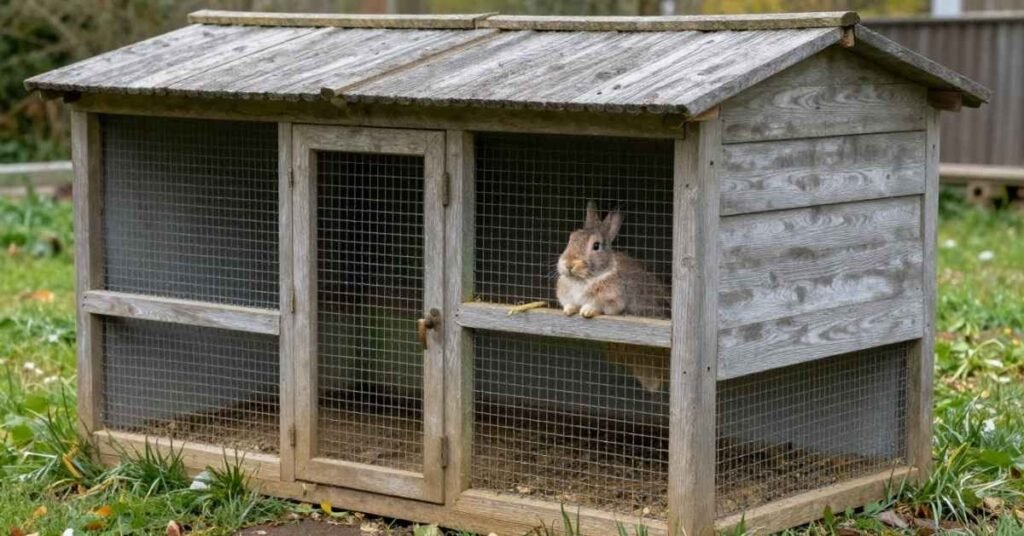
Polish rabbits need clean and safe housing. Their space should be dry and free from sharp objects. They also need soft bedding and room for toys. Fresh water and food should be available every day.
Because they are small, they do not need a huge cage. However, they enjoy time outside the cage to explore. Indoor housing works best for them. Gentle handling and daily interaction help them stay calm and social.
| Care Category | Requirements |
| Living Space | Small to medium indoor area |
| Cage Size | Enough for turning, standing, and stretching |
| Flooring | Soft bedding or solid surface (avoid full wire floors) |
| Bedding | Paper, hay, or other safe materials |
| Temperature | Cool and stable indoor environment |
| Cleanliness | Spot clean daily and deep clean weekly |
| Exercise | Daily playtime outside the cage |
| Enrichment | Toys, tunnels, and chew-safe items |
| Diet | Hay, pellets, leafy greens, and fresh water |
| Water Source | Bottle or bowl (kept clean) |
| Grooming | Low grooming needs for short coat |
| Nail Care | Trim nails as needed |
| Handling | Gentle and patient approach |
| Social Needs | Benefits from human interaction |
| Sleeping Habits | Active at dawn and dusk (crepuscular) |
| Best Housing Type | Indoor living for safety and comfort |
Cage Size, Environment, Exercise, and Daily Care
A rabbit needs a cage that is big and comfortable. The cage should allow the rabbit to stand, stretch, and hop easily. A clean and calm environment helps reduce stress. Fresh air, soft bedding, and a safe temperature are very important. The cage should not be kept in direct sun or cold wind.
Daily exercise keeps a rabbit healthy and active. Rabbits should get time outside the cage every day. This helps their muscles and digestion. Daily care includes fresh water, clean food bowls, and spot cleaning the cage. Gentle handling and daily checks help you notice health problems early.
| Care Area | Ideal Requirement | Why It Matters | Simple Tips |
| Cage Size | At least 4–6 times rabbit size | Allows movement and comfort | Bigger is always better |
| Cage Height | Rabbit can stand fully | Prevents spine stress | Avoid low cages |
| Flooring | Solid base with bedding | Protects feet | Use hay or soft mats |
| Bedding | Clean, dry, and dust-free | Keeps rabbit warm | Change regularly |
| Temperature | 60–70°F (15–21°C) | Prevents heat stress | Avoid extreme weather |
| Ventilation | Good airflow | Reduces odor and moisture | Do not block airflow |
| Noise Level | Quiet environment | Lowers stress | Keep away from loud areas |
| Exercise Time | 2–4 hours daily | Improves health | Use a safe play area |
| Toys | Chew and activity toys | Prevents boredom | Rotate toys weekly |
| Cleaning | Spot clean daily | Prevents illness | Deep clean weekly |
| Water | Fresh and clean daily | Supports digestion | Use bowl or bottle |
| Food Area | Clean feeding space | Avoids contamination | Wash bowls daily |
| Daily Check | Eyes, teeth, fur | Early health detection | Handle gently |
| Interaction | Daily human time | Builds trust | Be calm and slow |
Diet and Feeding Requirements for Polish Rabbits
Polish rabbits need a simple and balanced diet. Fresh hay should be the main food every day. Hay helps digestion and keeps teeth healthy. Clean water must always be available. Pellets can be given in small amounts to add nutrients. Fresh greens are also important for daily feeding.
Foods should be fresh and safe at all times. New foods must be added slowly. This helps avoid stomach problems. Overfeeding can cause weight gain in Polish rabbits. Treats should be limited and healthy.
Basic feeding tips for Polish rabbits:
- Unlimited grass hay, such as timothy hay
- Fresh, clean water daily
- High-quality pellets in small portions
- Leafy greens like romaine lettuce and cilantro
- Avoid sugary and processed foods
- Introduce new foods slowly
- Remove leftover fresh food daily
Hay, Pellets, Vegetables, and Treats
Hay is the most important food for rabbits. It should be available all day. Hay helps digestion and keeps teeth from overgrowing. Pellets give extra nutrients but should be limited. Too many pellets can cause weight gain. Fresh vegetables add vitamins and moisture to the diet.
Vegetables should be washed and served fresh. New veggies must be introduced slowly. Treats should only be given sometimes. Too many treats can harm a rabbit’s stomach. Always choose natural and healthy options. Remove uneaten food to keep the area clean.
| Food Type | Examples | Daily Amount | Benefits | Feeding Tips |
| Hay | Timothy, Orchard, Meadow | Unlimited | Supports digestion and teeth | Keep fresh and dry |
| Pellets | Plain rabbit pellets | 1–2 tbsp per kg body weight | Adds balanced nutrients | Avoid mixes with seeds |
| Leafy Greens | Romaine, Cilantro, Basil | 1–2 cups daily | Provides vitamins | Introduce slowly |
| Root Vegetables | Carrot, Beet | Small pieces | Energy source | Feed in moderation |
| Herbs | Mint, Parsley, Dill | Small handful | Improves appetite | Wash before feeding |
| Fruits | Apple, Banana | 1–2 small slices | Natural treat | Remove seeds |
| Commercial Treats | Rabbit-safe snacks | Rarely | Enjoyment only | Check ingredients |
| Sugary Foods | Candy, bread | None | Harmful | Avoid completely |
| Fresh Water | Clean drinking water | Always available | Hydration | Change daily |
| Leftover Food | Uneaten veggies | Remove daily | Prevents spoilage | Keep feeding area clean |
Health Issues, Grooming, and Lifespan
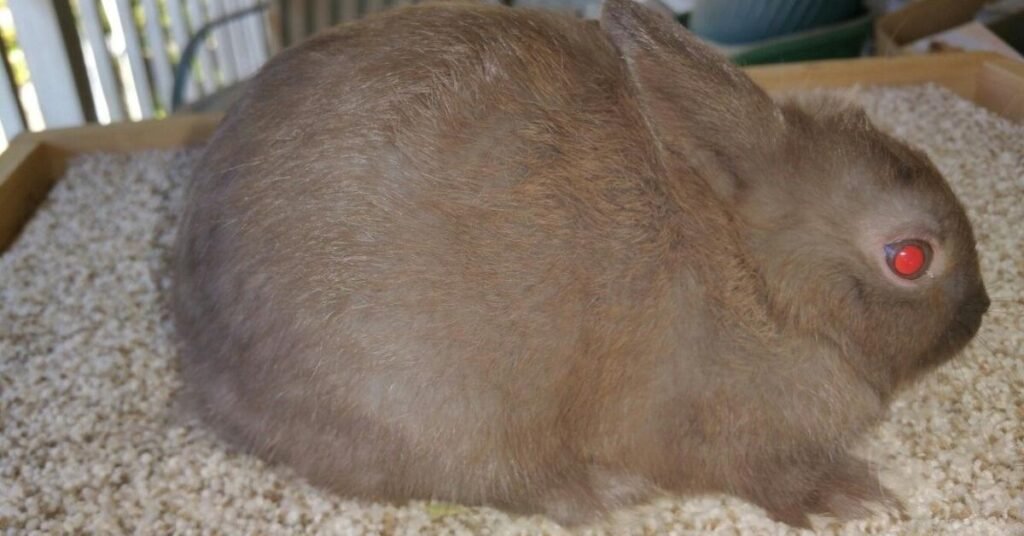
Rabbits are gentle animals and need steady care to stay healthy. Teeth problems are common because their teeth never stop growing. Stomach issues can happen if the diet lacks fiber. Stress and dirty cages can also lead to illness. Daily observation helps you notice changes early and act fast.
Grooming is a key part of rabbit care. Brushing keeps the coat smooth and reduces swallowed fur. Nail trimming helps rabbits move comfortably. Most rabbits live between 8 and 12 years when cared for well. A peaceful home, good food, and regular care can extend their life.
| Care Topic | Possible Problems | Early Warning Signs | Grooming Task | Helpful Care Tips |
| Teeth Health | Overgrown teeth | Drooling, slow eating | None | Give unlimited hay |
| Digestive System | Gas, GI stasis | Small or no droppings | None | High-fiber diet daily |
| Fur Coat | Heavy shedding | Loose fur, matting | Weekly brushing | Brush more during molt |
| Nails | Long or curled nails | Slipping, limping | Monthly trim | Use rabbit-safe clippers |
| Skin | Irritation, mites | Scratching, redness | Visual checks | Keep bedding clean |
| Eyes | Watery eyes | Wet fur, discharge | Gentle cleaning | Reduce dust |
| Ears | Ear mites | Head shaking | Weekly check | Clean only if needed |
| Weight | Obesity | Low movement | None | Control pellet intake |
| Hydration | Dehydration | Hard droppings | None | Fresh water daily |
| Stress | Anxiety-related illness | Hiding, fear | Calm handling | Quiet environment |
| Exercise | Weak muscles | Lethargy | None | Daily play time |
| Lifespan | 8–12 years | Aging signs | Extra care | Regular vet visits |
Common Health Problems, Grooming Tips, and Prevention
Rabbits can get sick if their care is poor. Teeth problems are very common in rabbits. Stomach issues can happen when fiber is low. Dirty cages may cause skin and eye infections. Watching your rabbit daily helps catch problems early.
Grooming keeps rabbits clean and healthy. Brushing removes loose fur and reduces hairballs. Nails should be trimmed before they grow too long. Clean living space and good food help prevent many diseases. Gentle handling also reduces stress.
| Health Area | Common Problem | Warning Signs | Grooming Action | Prevention Method |
| Teeth | Overgrown teeth | Drooling, poor eating | None | Unlimited hay |
| Digestion | GI stasis | No appetite, small droppings | None | High-fiber diet |
| Fur | Heavy shedding | Fur clumps | Brush weekly | Increase brushing during molt |
| Nails | Long nails | Limping, slipping | Nail trimming | Monthly checks |
| Skin | Mites, sores | Scratching, redness | Visual checks | Clean bedding |
| Eyes | Eye discharge | Wet fur | Gentle cleaning | Dust-free cage |
| Ears | Ear mites | Head shaking | Check weekly | Regular inspection |
| Weight | Obesity | Low activity | None | Limit pellets |
| Hydration | Dehydration | Dry droppings | None | Fresh water daily |
| Stress | Anxiety illness | Hiding behavior | Calm handling | Quiet space |
| Exercise | Muscle weakness | Lethargy | None | Daily movement |
| Hygiene | Dirty cage | Bad odor | Spot cleaning | Clean cage daily |
Polish Rabbit vs Other Small Rabbit Breeds
Polish rabbits are small, neat, and easy to handle. They are known for their compact body and short ears. Many owners like them for indoor living. Compared to other small rabbit breeds, Polish rabbits are calm and gentle. They also need less space than medium or large rabbits.
Other small rabbit breeds have different traits. Some are more active or need more grooming. Temperament and care needs can vary by breed. Choosing the right rabbit depends on space, time, and experience. A clear comparison helps new owners make a better choice.
| Feature | Polish Rabbit | Netherland Dwarf | Mini Rex | Holland Lop | Lionhead |
| Average Weight | 2–3 lbs | 1.5–2.5 lbs | 3–4.5 lbs | 2–4 lbs | 2.5–3.5 lbs |
| Body Shape | Compact and slim | Very small and round | Muscular | Short and stocky | Compact |
| Ear Type | Short, upright | Short, upright | Medium, upright | Long, floppy | Short, upright |
| Coat Type | Short, smooth | Short, soft | Velvety plush | Short, dense | Wool mane |
| Grooming Needs | Low | Low | Low | Low | Medium |
| Temperament | Calm, gentle | Shy, alert | Friendly | Relaxed | Curious |
| Space Needed | Small | Small | Medium | Small | Small |
| Exercise Level | Moderate | Moderate | Moderate | Moderate | Moderate |
| Beginner Friendly | Yes | Yes (with care) | Yes | Yes | Yes |
| Indoor Living | Excellent | Excellent | Good | Excellent | Excellent |
| Handling Ease | Easy | Needs gentle handling | Easy | Very easy | Easy |
| Popular Use | Pets, shows | Pets | Pets | Pets | Pets |
Is the Polish Rabbit the Right Pet for You?
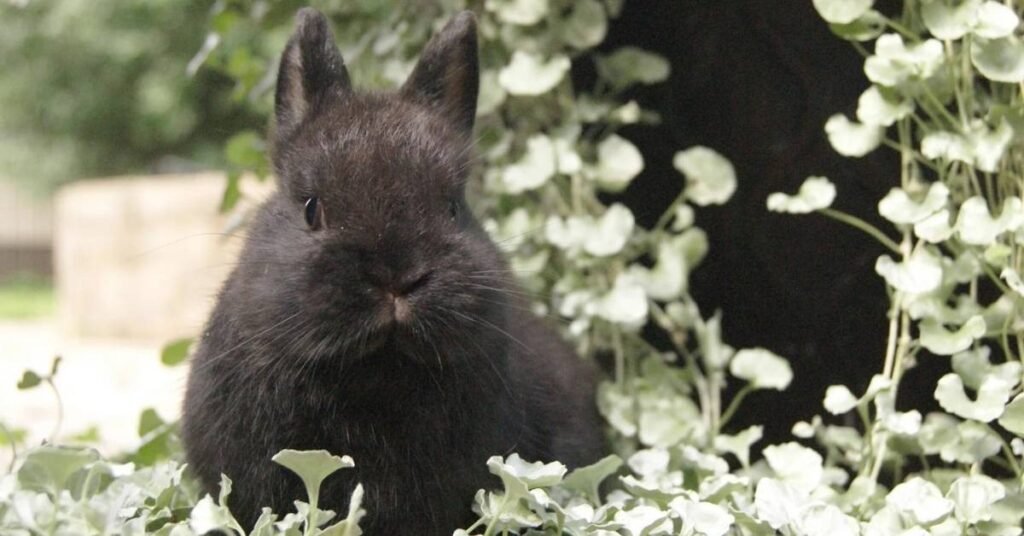
The Polish rabbit can be a great pet for the right owner. It is small, quiet, and easy to manage. This breed does well in indoor spaces. It enjoys gentle handling and a calm home. Polish rabbits are best for people who like routine care.
However, this rabbit still needs daily attention. It needs fresh food, clean water, and exercise time. Regular grooming and health checks are important. Polish rabbits are not toys and need patience. If you can give time and gentle care, this breed may be a good choice for you.
Conclusion
Polish rabbits are small, friendly, and easy to handle. They make great pets for both beginners and experienced owners. With proper care, they can live a long and healthy life. Their calm nature makes them perfect for indoor living.
Feeding them right is very important. Hay, fresh vegetables, and limited pellets keep them healthy. Treats should be given in small amounts. Clean water and a safe environment are essential every day.
Grooming and daily checks help prevent health problems. Brushing fur, trimming nails, and checking teeth keeps rabbits comfortable. Watching for signs of illness helps you act quickly. A clean cage and calm handling also reduce stress.
Overall, Polish rabbits are gentle companions. They need love, care, and attention. If you provide food, exercise, and a safe home, they will be happy pets. Choosing a Polish rabbit can bring joy and fun to your life.
FAQs
1. How often should I clean a rabbit’s cage?
A rabbit’s cage should be spot-cleaned daily to remove droppings and uneaten food. A full deep clean should be done at least once a week. This keeps the rabbit healthy and prevents bad odors.
2. What vegetables are safe for small rabbits?
Leafy greens like romaine lettuce, cilantro, and basil are safe daily options. Root vegetables and fruits can be given in small amounts. Always introduce new vegetables slowly to avoid stomach upset.
3. How much exercise does a rabbit need?
Rabbits need at least 2–4 hours of daily exercise outside their cage. A safe, enclosed space is ideal for hopping and exploring. Regular exercise helps keep them healthy and active.
4. How do I know if my rabbit is healthy?
Healthy rabbits are alert, eat well, and produce regular droppings. Their fur should be clean and smooth, and their eyes bright. Any changes in behavior or appetite may indicate health issues.
5. How often should I groom my rabbit?
Brushing should be done at least once a week, more during shedding seasons. Nails should be trimmed monthly to prevent discomfort. Regular grooming reduces hairballs and keeps the rabbit comfortable.
