


A rabbit breeding nest box serves as a safe and warm space where mother rabbits give birth to their babies. This simple box copies the natural burrow that wild rabbits dig in the ground. The nest box keeps newborn kits protected from cold weather and injury during their first weeks of life. Mother rabbits feel more secure when they have a proper place to care for their young ones. Without this important tool, baby rabbits can die from getting too cold or falling through cage wires.
The design of a good rabbit breeding nest box focuses on keeping babies safe while letting the mother rabbit move freely. Most experienced rabbit breeders consider this equipment absolutely necessary for successful breeding. The box creates a cozy environment where kits can huddle together for warmth. The mother can easily jump in and out to nurse her babies without carrying them along. A well-made nest box can mean the difference between healthy litters and tragic losses.
Types of Rabbit Breeding Nest Boxes Available
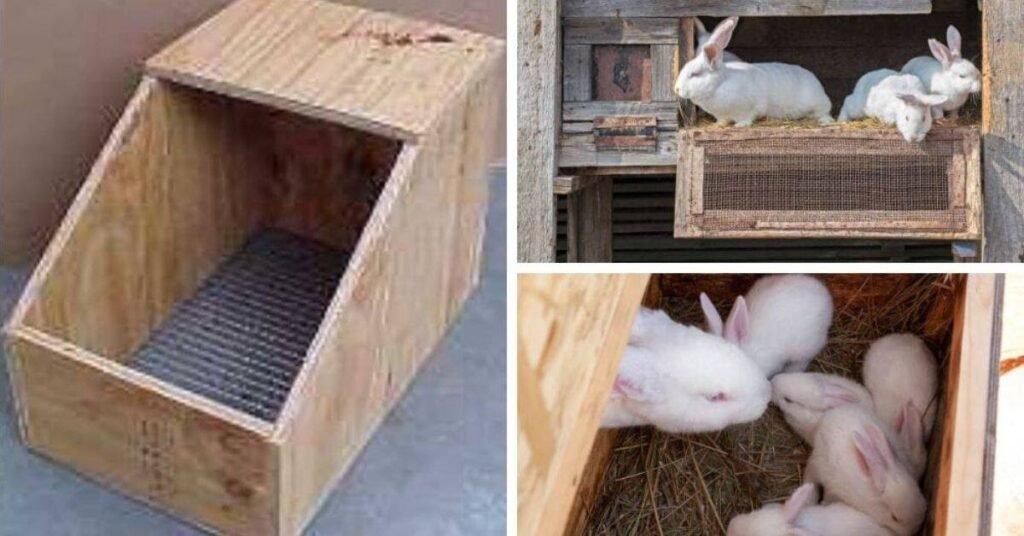
Several different types of rabbit breeding nest box options exist for rabbit breeders to choose from. Wooden nest boxes are the most common choice because they provide excellent insulation against cold weather. These boxes usually use untreated pine or plywood and can last for many years with good care. Metal nest boxes offer great durability and are very easy to clean between litters. They resist chewing from rabbits and can be completely sanitized with bleach solutions.
Some breeders prefer plastic nest boxes because they are lightweight and affordable for small operations. Drop-down designs attach directly to the cage wire and save space in smaller rabbitries. Wire-bottomed boxes allow urine to drain away, keeping the nest dry and clean for the babies. Each material has its own benefits depending on your climate and how many rabbits you breed. The best choice depends on your budget, weather conditions, and personal management style for your rabbitry.
Perfect Size for Your Rabbit Breeding Nest Box
Choosing the right size rabbit breeding nest box depends entirely on the breed of rabbit you raise. The box should let the mother rabbit turn around easily but not be so big that babies get lost. Standard meat breeds like New Zealand Whites need boxes about eighteen inches long and twelve inches wide. Smaller breeds like Holland Lops and Mini Rex work better with compact boxes around fifteen inches long. Giant breeds such as Flemish Giants require extra large boxes up to twenty-four inches in length.
A simple rule is to measure your sitting rabbit and add about half that length to get the box size. The height should be roughly double the rabbit’s sitting height to give enough headroom. Too much space causes baby rabbits to wander away from each other and lose body heat. Too little space prevents the mother from positioning herself correctly when nursing her kits. When you feel uncertain about size, experienced breeders recommend choosing the smaller option rather than going too large.
| Rabbit Breed | Box Length | Box Width | Box Height |
| Small Breeds | 15 inches | 10 inches | 10 inches |
| Medium Breeds | 18 inches | 12 inches | 12 inches |
| Large Breeds | 24 inches | 14 inches | 14 inches |
Building Your Own Rabbit Breeding Nest Box
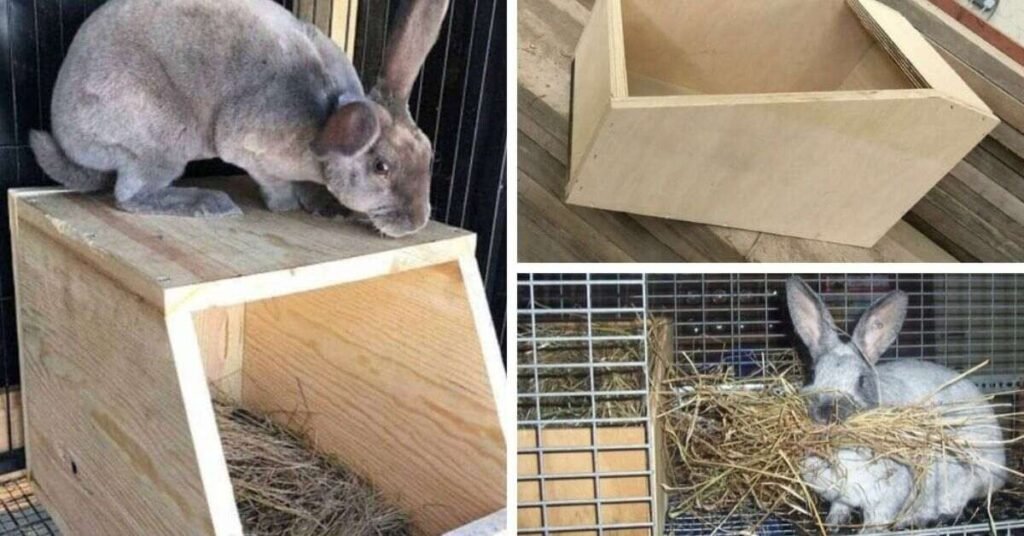
Creating your own rabbit breeding nest box saves money and lets you customize it for your specific needs. Start with untreated pine boards, usually one-by-twelve lumber works perfectly for most standard rabbit breeds. You need wood pieces for the front, back, two sides, and a bottom frame for support. The front panel should be about six inches high so the mother can easily hop in and out. Back and side panels need to be ten inches tall to keep the baby rabbits safely contained.
One important feature is the entrance lip that helps scrape off nursing babies when the mother jumps out. This simple addition prevents kits from falling onto the cold cage floor where they could die. Use quarter-inch hardware cloth for the floor because it allows urine to drain through. Attach the wire mesh with screws so you can remove and replace it when it gets worn out. Assemble all the wooden pieces with outdoor screws rather than nails for better strength and durability. The entire project costs around twenty dollars and takes about one hour to complete for beginners.
Best Bedding Materials for Rabbit Breeding Nest Box
Choosing the right bedding for your rabbit breeding nest box directly affects whether baby rabbits survive or not. Most experienced breeders use a layered system with different materials working together. Pine shavings work excellently as the bottom layer because they soak up moisture and provide good insulation. Never use cedar shavings because they release harmful fumes that can hurt baby rabbits. Place one to two inches of pine shavings at the very bottom of the nest box.
On top of the shavings, add generous amounts of hay or straw for the next layer. Timothy hay works well and provides early solid food for growing kits as they get older. The hay serves multiple purposes including insulation, structure, and nutrition for the developing babies. Straw provides excellent insulation but offers less food value compared to hay for the kits. Some breeders line the wire floor with cardboard before adding shavings to prevent tiny feet from slipping. The mother rabbit will arrange these materials exactly how she wants and add her own pulled fur.
When to Add the Rabbit Breeding Nest Box
Timing plays a critical role when introducing the rabbit breeding nest box to your pregnant doe. The best time to place the box is day twenty-seven or twenty-eight after you bred the rabbit. Count from the day after the actual breeding happened, not the breeding day itself for accuracy. Rabbits typically give birth around day thirty-one or thirty-two, though it can range from day twenty-eight to thirty-five. Adding the box too early causes problems because the doe might use it as a bathroom area.
She might scatter all the bedding you carefully placed or soil the nest before babies arrive. Waiting too long risks having babies born on the cold wire cage floor where they can die. Most experienced does follow consistent birth patterns, so you learn their schedule after a few litters. Place the nest box in an easily accessible corner since you need to check babies daily. Fill it completely to the top with your chosen bedding materials so the mother has plenty to work with.
How Mother Rabbits Use the Breeding Nest Box
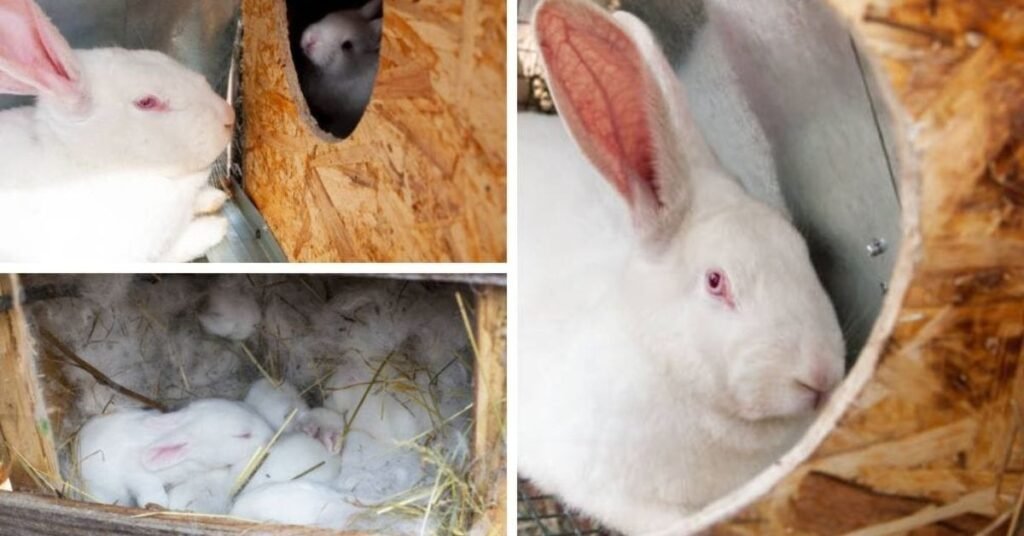
Understanding how does behave helps you know if your rabbit breeding nest box works correctly for them. Some mother rabbits immediately start arranging materials with great energy and enthusiasm right after you place the box. They stuff their mouths with more hay than seems possible and pace around finding the perfect arrangement. Other does show little interest at first, just sniffing the box briefly and lying down somewhere else. This behavior does not necessarily mean something is wrong since some rabbits build nests right before birth.
First-time mothers often seem confused about what to do with the nest box when they see it. Around twelve hours before giving birth, most does begin pulling soft fur from their chest and belly. This fur becomes the final warm insulation layer mixed carefully into the hay by the mother. During nursing time, which happens only once or twice daily, the mother jumps into the nest carefully. She places one foot in each corner and allows the babies to nurse while lying on their backs.
Maintaining Your Rabbit Breeding Nest Box Daily
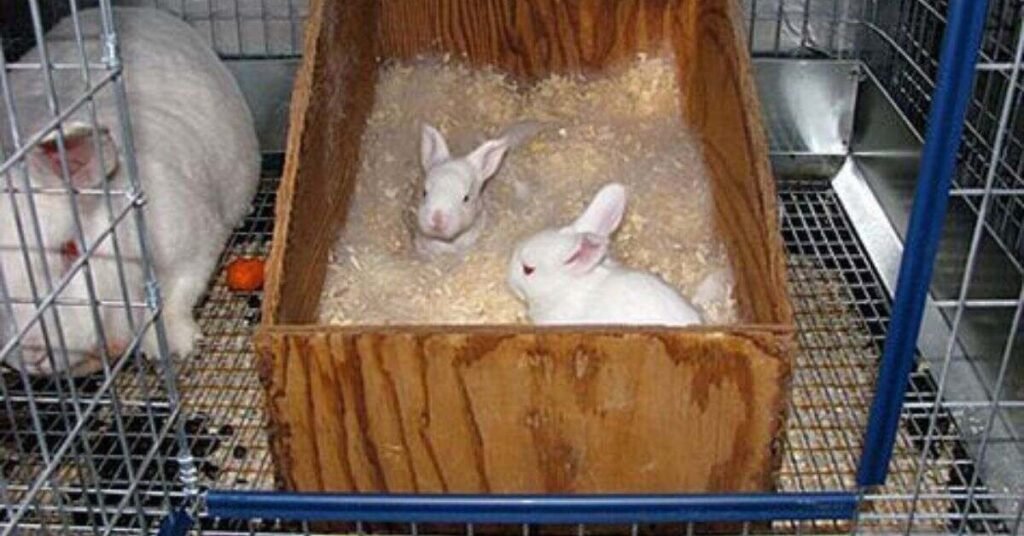
Regular care of the rabbit breeding nest box keeps baby rabbits healthy and prevents diseases from spreading. Check the nest daily but try not to disturb it too much during the first twenty-four hours. After the initial day passes, do a quick count to make sure all kits are alive and warm. The nest collects moisture within the first few days as baby rabbits urinate in their sleeping area. Change any wet bedding quickly to prevent bacteria growth and keep babies at the right temperature.
Around day ten to fourteen, perform a deep cleaning by removing all the old bedding materials. Place the kits temporarily in a clean container with some soft bedding while you work on the box. Add fresh pine shavings and clean hay, then return the babies carefully to their nest. Some breeders clean even earlier if they notice too much moisture or bad smells developing. Remove the entire nest box once kits regularly hop out on their own exploring the cage. Leaving it longer just turns the box into an unsanitary bathroom that spreads disease and parasites.
Common Rabbit Breeding Nest Box Problems
Several issues can happen when using a rabbit breeding nest box especially for first-time rabbit breeders. One frequent problem involves the doe using the box as a bathroom before she gives birth. This happens most often when you put the box in too early before she needs it. Try moving the box to a different cage location or take it out and replace it closer to birth. Some does refuse to build a nest at all and give birth directly on the cold wire.
In this emergency case, quickly place the babies into the prepared nest box yourself and hope mother accepts them. First-time mothers sometimes fail to pull enough fur or they pull no fur at all for insulation. You can help by adding clean cotton batting or extra hay for warmth until kits develop fur. Wet nests pose serious dangers because cold, damp kits often die from hypothermia very quickly. Check multiple times daily during the first week and return any babies that fall out immediately. Some stubborn does build their nests completely outside the box, which means you must transfer everything carefully.
Temperature Tips for Breeding Nest Boxes
Climate significantly impacts how you prepare your rabbit breeding nest box for different seasons throughout the year. In cold winter weather, increase insulation by adding thicker layers of pine shavings at the bottom. Use two inches or more of shavings during winter months instead of the standard one inch. Pack the box more densely with hay or straw to trap extra heat for the vulnerable babies. Some breeders use only wooden boxes in winter because wood insulates much better than metal materials.
In hot summer weather, reduce bedding amounts to prevent baby rabbits from overheating in the enclosed space. Use only one inch of shavings and less hay overall to allow better air circulation. Ensure excellent ventilation by choosing nest boxes with vented backs or sides for airflow. Some breeders turn metal boxes sideways once kits start moving around to increase cooling air flow. Position nest boxes away from direct sunlight and hot spots in your rabbitry to prevent heat stress. Baby rabbits actually handle cold temperatures better than heat since they snuggle together naturally for warmth.
Cleaning Between Litters Properly

Thorough cleaning of your rabbit breeding nest box between uses prevents diseases and promotes healthy future litters. After removing the box from the doe’s cage, dump all used bedding into your compost pile. Use a stiff brush to scrub every surface of the box and remove all stuck-on waste. Pay special attention to corners where debris and waste material tends to accumulate over time. Rinse the box with very hot water and allow excess moisture to drain completely out.
Prepare a strong cleaning solution using one part household bleach mixed with ten parts water for disinfection. Spray or brush this bleach solution onto all surfaces of the nest box including the wire bottom. Let the solution sit for at least thirty minutes to kill bacteria, viruses, and parasites effectively. After thirty minutes pass, thoroughly rinse the box with clean water to remove all bleach residue. Allow the nest box to dry completely in bright sunlight if possible for additional sanitizing benefits. This simple cleaning process takes only about fifteen minutes but dramatically improves kit survival and health.
How Long to Keep the Nest Box In
Knowing when to remove the rabbit breeding nest box prevents health issues and encourages proper kit development. Most breeders remove the box when kits regularly hop out independently and begin eating solid foods. This usually occurs around two to three weeks of age for most standard rabbit breeds. Larger breeds develop more slowly and might need the box until three to four weeks old. Watch for clear signs that kits are ready including hopping around, nibbling hay and pellets, and drinking water.
Once kits consistently leave the nest to explore their world, the box becomes unnecessary for warmth anymore. Leaving the nest box too long creates problems as kits begin using it as a toilet. This behavior soils the nest area and can lead to serious health issues including eye infections. After removal, you can place a pile of hay in the corner where the box sat. This gives weaned kits a cozy resting spot without the sanitation concerns of an enclosed dirty box.
Safety Features for Rabbit Breeding Nest Boxes
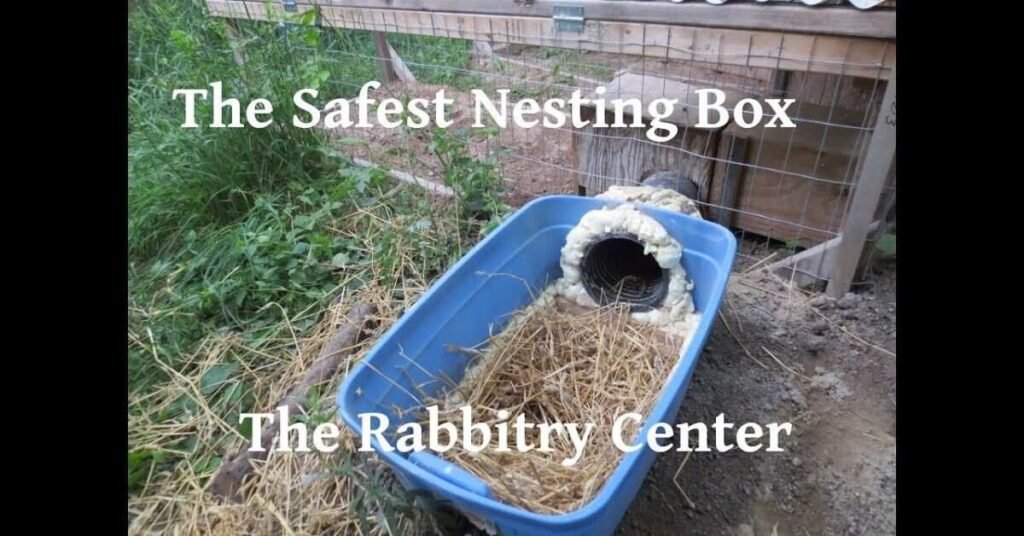
Several safety features make a rabbit breeding nest box more effective and protect vulnerable baby rabbits from harm. The entrance lip stands as one of the most important design elements that every box needs. This raised edge at the front opening prevents kits from falling out or being dragged when mother exits. Without this lip, babies can easily spill onto the cold cage floor where they quickly die. The lip should be about two inches tall, enough to contain kits safely but not block mother.
Wire mesh flooring allows crucial drainage that keeps the nest dry and prevents bacteria growth from urine. Use quarter-inch by quarter-inch hardware cloth rather than larger wire spaces that trap small feet. Baby rabbit feet can slip through anything larger and cause serious injuries or broken legs. Secure all wire edges carefully with no sharp points sticking up that could cut delicate skin. Rounded or hemmed edges on metal boxes prevent injuries to both does and their babies. Check boxes regularly for loose screws, broken boards, or damaged wire that needs immediate repair work.For moreinformation:Visit site:https://rabbitblink.com/
Cost of Rabbit Breeding Nest Boxes
The price of a rabbit breeding nest box varies widely depending on whether you buy ready-made or build. Commercial wooden nest boxes typically cost between twenty-five and forty dollars each from farm supply stores. Metal nest boxes with removable floors run slightly higher at thirty to fifty dollars per unit. High-quality metal boxes from specialized rabbit supply companies can reach seventy dollars but last many years. Building your own wooden nest box costs approximately twenty dollars in materials if you buy new lumber.
The price drops even lower if you use scrap wood from other building projects around your property. One nest box can serve multiple does over many years if you clean it properly between litters. Most small-scale breeders start with two or three nest boxes to handle their breeding schedule efficiently. This initial investment pays for itself very quickly as you avoid kit losses from poor nesting conditions. Emergency cardboard boxes work temporarily and cost nothing but they only survive one use before falling apart.
| Nest Box Type | Average Cost | Lifespan | Best For |
| DIY Wooden | $20 | 3-5 years | Budget breeders |
| Commercial Wooden | $25-40 | 3-5 years | Small operations |
| Metal Box | $30-50 | 10+ years | Large programs |
| Premium Metal | $50-70 | 15+ years | Commercial use |
Conclusion
A good nest box makes all the difference when raising baby rabbits. It keeps the young warm, dry, and protected while giving the mother a peaceful space to nurse. Simple materials like wood or metal can work well as long as the box is clean and cozy.
Taking a little care with setup goes a long way. Keep the nesting area quiet, replace damp bedding when needed, and handle the babies gently. With a clean, comfortable space, both the mother and her kits will stay healthy and happy.
FAQs
1. What is a rabbit breeding nest box?
It’s a safe, cozy space where mother rabbits can give birth and care for their babies.
2. When should I place the nest box in the cage?
About five days before the doe is due to give birth is the ideal time.
3. What should I put inside the nest box?
Use soft hay, straw, or shredded paper to keep it warm and comfortable.
4. How often should I clean it?
Clean it after the kits start leaving the box, usually after two to three weeks.
5. Can I reuse the same box for future litters?
Yes, but always sanitize it properly before using it again.
