


Introduction
The Californian rabbit is one of the most well-known rabbit types around the world. Many people choose this breed because it is calm, strong, and easy to care for. It is famous for its white body and dark markings on the nose, ears, feet, and tail. These markings give the rabbit a clean and attractive appearance. This breed was developed in the United States and is now popular with pet owners, breeders, and farmers.
These rabbits are medium to large in size and have a solid, muscular body. They were first raised for meat and fur, but today many people keep them as pets.Families will enjoy their gentle nature. With proper care, they adjust well to both indoor and outdoor living. They are also known for steady growth and overall good health.
This guide explains everything you need to know about this rabbit. You will learn about its look, behavior, care needs, food, health, and lifespan. The information is written in simple language so it is easy to understand.
Origin and History of the Californian Rabbit

The Californian rabbit was developed in the early twentieth century in the United States. A breeder named George West created this rabbit in California. His goal was to produce a rabbit with strong meat quality and durable fur. He crossed several rabbit types to achieve these features. Over time, the breed became stable in size, color, and temperament.
This rabbit became popular because it grew quickly and had a strong body. Farmers liked it because it was easy to raise and handle. Its calm nature also made daily care simple. Because of these qualities, the breed spread across the country and later to other regions.
With time, people began to see these rabbits as more than farm animals. Their friendly behavior made them good companions. Rabbit shows also helped increase their recognition. Today, many rabbit organizations officially recognize this breed.
The history of this rabbit shows how careful breeding can create a balanced animal. It combines strength, beauty, and a gentle personality, which explains its lasting popularity.
Physical Appearance and Coat Features
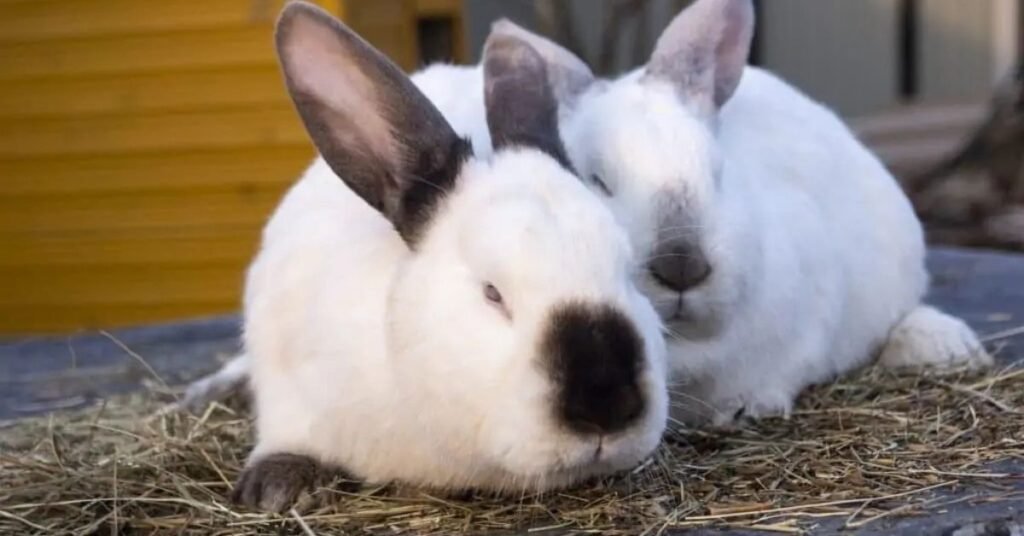
This rabbit has a very distinct and easy-to-recognize appearance. The body is mostly white, while the ears, nose, feet, and tail show dark markings. These markings are usually black, but sometimes they appear dark brown. The contrast makes the rabbit stand out clearly.
The body is strong and well-shaped. It has a broad chest and a solid back. The legs are thick and powerful, which helps support its weight. The head is medium in size, and the ears stand upright with a neat shape.
The coat is short, dense, and smooth. It feels soft and does not require heavy grooming. Because of this, coat care is simple and easy. The eyes are usually pink or red, which is common in white-colored rabbits.
The neat and balanced look of this rabbit adds to its appeal. Whether kept as a pet or shown in competitions, it often looks clean, healthy, and well-built.
Size and Weight Details
This breed falls into the medium to large size group. Adult rabbits usually weigh between four and five kilograms. Some may become slightly heavier depending on diet and care. Their size makes them strong but still manageable.
Young rabbits grow at a steady and even pace. They develop muscle early, which is why farmers value them. For pet owners, this steady growth means the rabbit becomes strong without showing aggressive behavior.
Weight stays evenly spread across the body when the rabbit is healthy. It should not look fat or thin. A proper diet and enough space help maintain a healthy weight. Overfeeding can cause obesity, which may lead to health problems.
Knowing the size and weight helps owners plan housing and feeding correctly. With good care, these rabbits keep a healthy body shape throughout their life.
Temperament and Behavior

This rabbit is known for its calm and gentle personality. It enjoys human interaction and usually behaves in a friendly way. This makes it a good choice for families and new rabbit owners. Aggressive behavior is rare when it is handled gently.
These rabbits are curious and smart. They like to explore their space and enjoy simple toys. Mental activity helps keep them relaxed and happy. They also enjoy resting quietly during the day.
They respond well to kind handling and daily interaction. Loud sounds or rough treatment can cause stress. A peaceful environment helps them feel safe and secure. Over time, they build strong trust with their owners.
Because of their stable nature, they are easy to train for basic habits. They can learn to use a litter box and follow simple routines. Their gentle behavior is one of their best traits.
Housing Needs and Living Space
A comfortable living area is important for this rabbit. It needs enough room to move, stretch, and rest freely. A clean and dry enclosure helps prevent illness. Safety should always come first.
Indoor housing protects the rabbit from weather changes and predators. A large pen with soft bedding works well. Outdoor housing must be strong and well-covered.Heat, cold, and rain must be protected.
Fresh air is important for comfort. The floor should be smooth to protect the feet. Bedding should stay clean and dry and must be changed often to avoid health problems.
A good living space keeps the rabbit active and relaxed. A safe home supports better health and behavior over time.
Diet and Feeding Habits
A balanced diet keeps this rabbit healthy and energetic. Hay should be the main part of daily food. Fresh hay supports digestion and helps wear down teeth naturally. Hay should always be available.
Fresh vegetables provide important vitamins and moisture. Leafy greens work well when given in proper amounts. All vegetables should be clean and fresh. New foods should be added slowly.
Pellets can be given in small portions to add nutrients. Clean water should always be available. A water bowl allows natural drinking and is often preferred.
Good nutrition supports growth, energy, and overall health. Proper feeding helps the rabbit live a longer and happier life.
Health and Common Problems

This rabbit type is generally healthy and strong. It resists many common problems when cared for properly. Poor care, however, can lead to health issues.
Dental problems may occur if the rabbit does not chew enough hay. Teeth grow continuously and need natural wear. Sudden food changes can cause digestion trouble. Clean food and water reduce illness risk.
Regular health checks help detect problems early. Eyes, ears, teeth, and fur should be checked often. Clean living conditions lower infection risk.
A rabbit-experienced vet is very helpful. With good care, these rabbits can stay healthy for many years.
Lifespan and Long-Term Care
In general, people live between five and ten years. Good care greatly affects how long the rabbit lives. Proper food, clean housing, and daily attention improve lifespan.
Indoor rabbits often live longer because they face fewer dangers. Regular interaction helps owners notice health issues early.
Exercise keeps muscles strong and prevents weight gain. Mental activity also reduces stress and boredom.
With patience and responsibility, this rabbit can enjoy a long and comfortable life as a pet.
Health and Common Problems
| Feature | Californian Rabbit | Other Common Rabbits |
| Size | Medium to large | Small to large |
| Nature | Calm and friendly | Depends on breed |
| Coat care | Easy | Easy to high |
| Growth speed | Fast | Medium |
| Purpose | Pet and farm | Mostly pet |
Is This Rabbit Right for You
This rabbit suits many owners because it is gentle, strong, and easy to handle. Beginners and experienced owners both find it manageable.
It still needs daily care, space, and attention. Feeding and cleaning must be done regularly. If you want a calm and dependable rabbit, this breed is a good match.
Understanding its needs helps create a strong bond. With proper care, it becomes a loving and trusted companion.
Conclusion
This rabbit breed is a great choice for people who want a calm and friendly pet. It is easy to handle and adapts well to daily life. With proper food, clean space, and gentle care, it stays healthy and active. Its balanced nature makes it suitable for both new and experienced owners.
Before choosing this rabbit, it is important to understand its needs. Time, care, and attention help build a strong bond. When treated with love and patience, this rabbit becomes a loyal and gentle companion for many years.
FAQs
1.Are these rabbits good pets?
Yes, they are calm, friendly, and easy to manage.
2.Do they need special care?
They need basic rabbit care with attention to food and housing.
3.Can they live indoors?
Yes, they do very well indoors.
4.How large do they grow?
Adults usually reach four to five kilograms.
5.Are they suitable for beginners?
Yes, their gentle nature makes them ideal for new owners.
