

Introduction
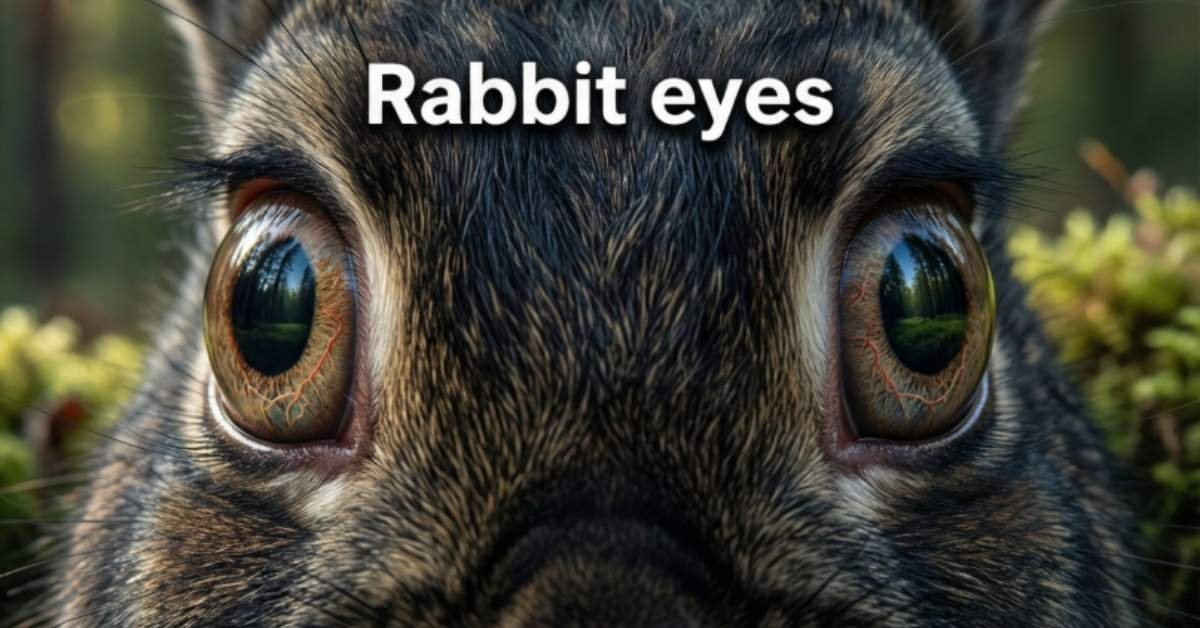
Rabbit eyes are an important part of their overall health. They help rabbits see danger and move safely around their space. Healthy eyes are bright, clear, and alert. Any change in color, shape, or discharge can be a sign of a problem.
Many new rabbit owners do not notice eye issues at first. Rabbits often hide pain very well. A small problem in the eye can become serious if ignored. Learning what is normal can help you act fast and protect your pet.
This guide explains basic eye health in rabbits. It covers common signs to watch for and simple care tips. With the right knowledge, you can keep your rabbit comfortable and safe.
Understanding Rabbit Eye Health
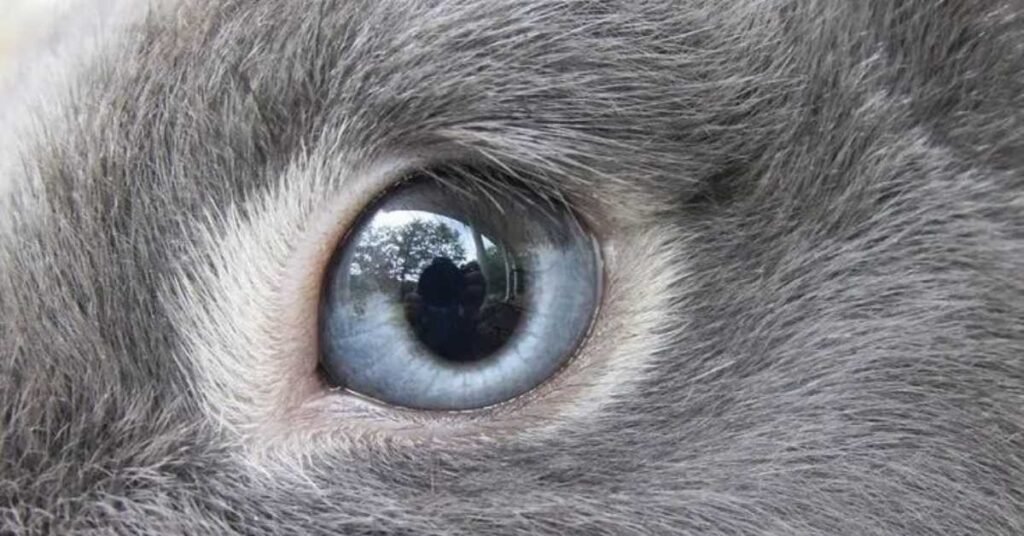
Rabbit eyes are very sensitive and delicate. They help rabbits stay alert to danger. Healthy eyes should look clear and bright. There should be no redness, swelling, or thick discharge. Regular checks can help spot problems early.
Eye issues in rabbits can happen for many reasons. Dust, hay, or infections are common causes. Dental problems can also affect the eyes. If a rabbit keeps blinking or has watery eyes, it may need care. Pain and long-term damage can be prevented with early treatment.
How Rabbit Eyes Are Structured
Rabbit eyes are placed on the sides of the head. This helps rabbits see almost all around them. It allows them to spot danger quickly. Their wide vision keeps them safe in the wild.
Each eye has clear layers that protect it. The cornea covers the front of the eye. The lens helps focus light. Rabbits also have strong eyelids and tear ducts. These keep the eyes moist and clean.
What Healthy Rabbit Eyes Should Look Like
Healthy rabbit eyes appear clear and lively. They should reflect light and look smooth. There should be no haze, swelling, or redness. Both eyes should match in size and shape.
The skin around the eyes should be neat and dry. A tiny amount of clear tear fluid is normal. Sticky or colored discharge is a warning sign. A healthy rabbit keeps its eyes open comfortably.
Common Eye Problems in Rabbits
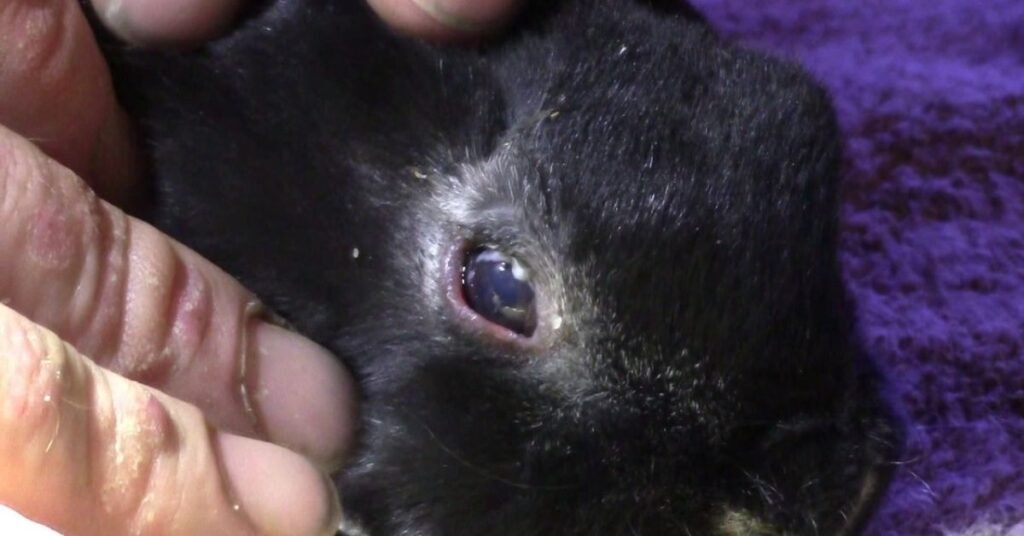
Rabbits can face several eye problems during their life. Dust, hay, or bacteria can irritate the eyes. Some issues start small but get worse fast. Early signs are often easy to miss.
Common eye problems in rabbits include:
- Watery eyes that do not dry up
- Red or swollen eyelids
- Thick or sticky discharge
- Cloudy or dull-looking eyes
- Frequent blinking or pawing at the face
Conjunctivitis, Infections, and Injuries
Conjunctivitis is a common eye problem in pets and animals. It causes redness, swelling, and watery or sticky discharge. Dust, bacteria, or poor hygiene can trigger it. Eye infections may also cause pain and frequent blinking. If not treated on time, the condition can get worse and affect vision.
Eye injuries happen due to scratches, fights, or sharp objects. An injured eye may look cloudy or stay closed. Infections can develop after an injury if germs enter the eye. Quick care is very important in these cases. A vet check helps prevent serious damage and long-term problems.
| Eye Problem Type | Common Causes | Visible Symptoms | Risk Level | Recommended Action |
| Conjunctivitis | Dust, bacteria, dirty environment | Red eyes, swelling, discharge | Medium | Clean eye and visit a vet |
| Bacterial Infection | Germs, untreated wounds | Thick discharge, pain | High | Vet treatment and medication |
| Viral Infection | Weak immunity | Watery eyes, irritation | Medium | Vet diagnosis and care |
| Eye Injury | Scratches, fights, sharp objects | Cloudy eye, closed eye | High | Immediate vet visit |
| Secondary Infection | Untreated injury | Severe redness, vision issues | Very High | Emergency veterinary care |
Watery, Red, or Cloudy Eyes in Rabbits
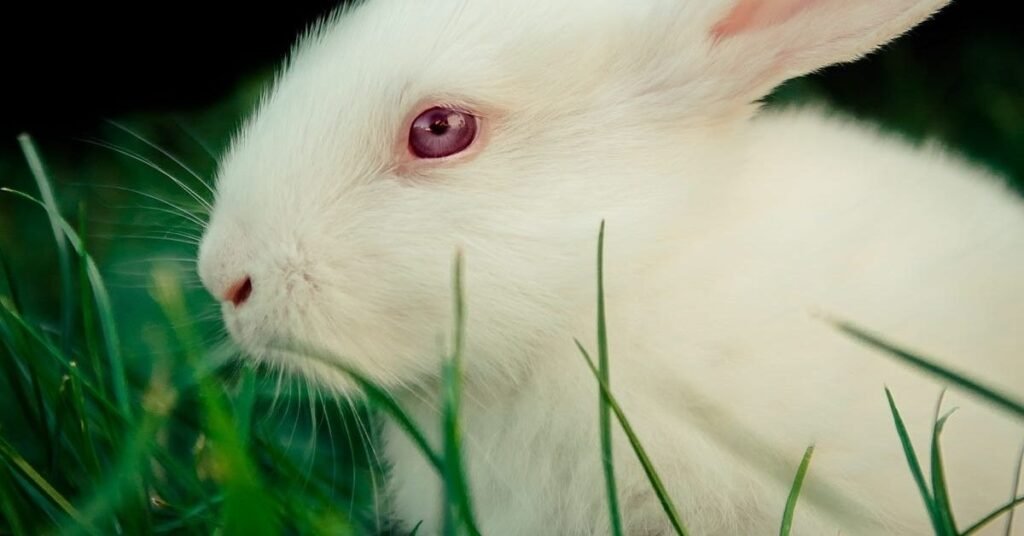
Watery, red, or cloudy eyes are common eye problems in rabbits. These signs often mean irritation or infection. Dusty bedding, hay pieces, or poor cage cleaning can cause eye issues. Rabbits may blink a lot or rub their eyes with their paws. If the problem lasts more than a day, it should not be ignored.
Cloudy eyes can be more serious in rabbits. They may point to an injury, ulcer, or internal eye disease. Redness and water discharge can also be linked to blocked tear ducts. Without treatment, eye problems can lead to pain or vision loss. Early care helps keep your rabbit healthy and comfortable.
| Eye Condition | Possible Causes | Common Signs | Severity Level | What to Do |
| Watery Eyes | Dusty hay, blocked tear duct | Wet fur, clear tears | Low to Medium | Clean area and check housing |
| Red Eyes | Infection, irritation | Redness, swelling | Medium | Vet check recommended |
| Cloudy Eyes | Injury, ulcer, disease | Cloudy surface, pain | High | Visit a vet urgently |
| Eye Infection | Bacteria or poor hygiene | Thick discharge, blinking | High | Vet treatment needed |
| Eye Injury | Scratches or hay pokes | Closed eye, discomfort | Very High | Immediate veterinary care |
| Chronic Eye Issues | Dental problems | Ongoing tears, redness | Medium to High | Dental and eye exam |
What These Symptoms Usually Mean
Eye symptoms in rabbits often point to an underlying issue. Watery eyes may mean irritation or blocked tear ducts. Redness can be a sign of infection or injury. Cloudy eyes often suggest a deeper problem that needs care.
Here is what common symptoms usually mean:
- Watery eyes: dust, hay, or dental issues
- Thick discharge: bacterial infection
- Swollen eyelids: injury or allergy
- Cloudy eyes: ulcer or serious infection
- Frequent blinking: pain or irritation
How to Check Your Rabbit’s Eyes at Home
Checking your rabbit’s eyes at home is simple. Choose a calm and quiet place. Gently hold your rabbit and support the head. Look at both eyes in good light. They should be clear and open.
Check the area around the eyes too. Look for redness, swelling, or wet fur. Watch how your rabbit blinks and reacts. If the rabbit pulls away or seems uncomfortable, note it. Regular checks help you catch problems early.
When to Take Your Rabbit to the Vet
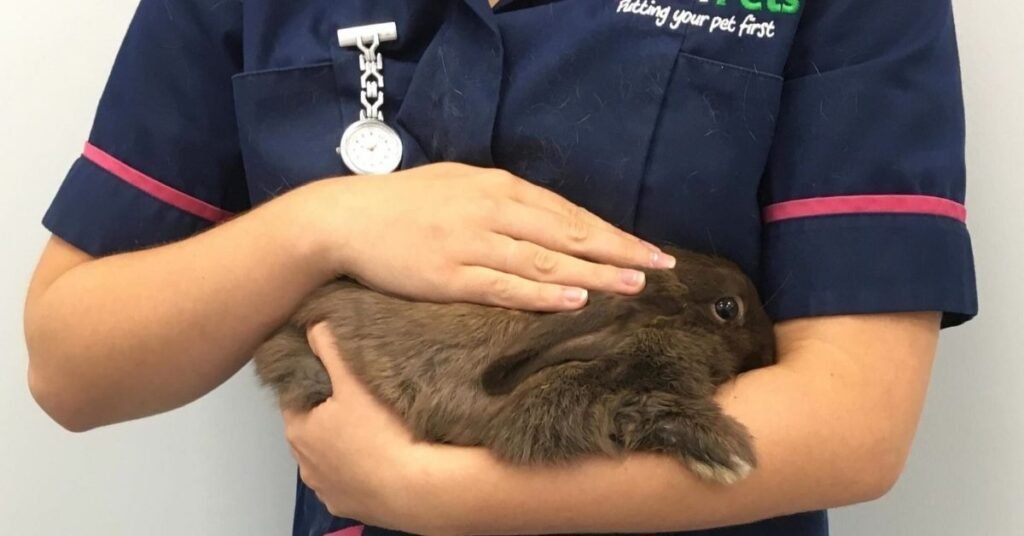
Some eye problems need professional care. If your rabbit has thick discharge, swelling, or redness, it is time to act. Cloudy eyes or sudden changes are also serious signs. Pain can get worse without treatment.
Take your rabbit to the vet if the eye problem lasts more than a day. Go sooner if your rabbit stops eating or seems weak. Eye injuries are emergencies. Quick vet care can save your rabbit’s vision and comfort.
Serious Eye Conditions That Need Treatment
Some eye problems in rabbits can be serious and need quick care. Ignoring them can cause pain or even vision loss. Watch for signs that do not go away or get worse over time.
Serious eye conditions include:
- Eye infections : redness, swelling, thick discharge
- Corneal ulcers : cloudy or damaged surface of the eye
- Glaucoma : pressure inside the eye, often causes bulging
- Blocked tear ducts : constant tearing and wet fur
- Injuries : scratches, cuts, or foreign objects in the eye
Preventing Eye Problems in Rabbits
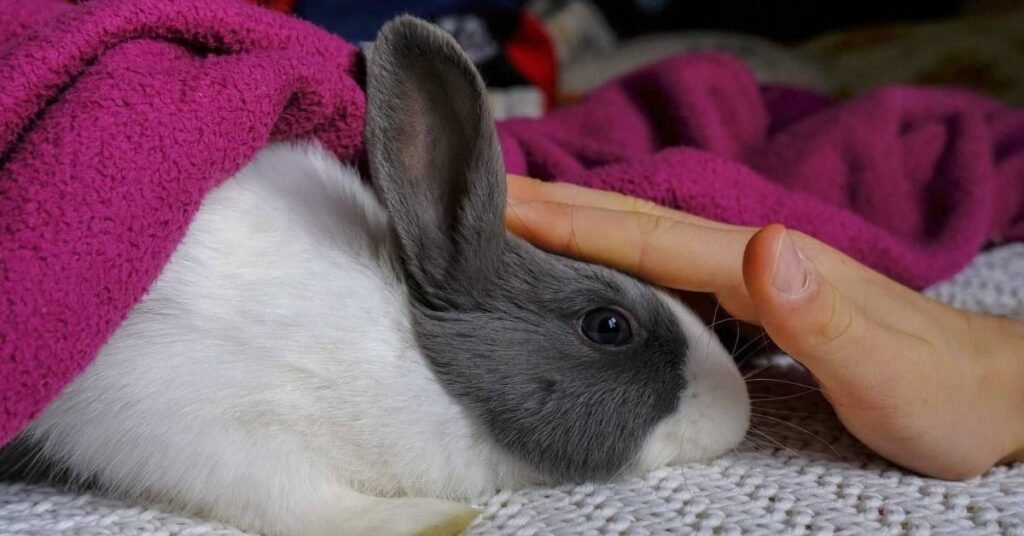
Preventing eye problems is easier than treating them. Clean cages and fresh bedding keep germs away. Regularly check your rabbit’s eyes for changes. Healthy habits reduce the risk of infections and injuries.
Tips to prevent eye problems include:
- Keep the cage and living area clean
- Remove dust, hay, and debris from around the eyes
- Provide a balanced diet with fresh vegetables
- Trim fur around the eyes if it grows lon
- Take your rabbit for regular vet check-ups
Diet, Housing, and Hygiene Tips
Rabbits stay healthiest when their daily care is simple and consistent. Hay should always be the main food and easy to reach. Fresh greens add variety and natural vitamins. Water must be clear and refreshed every day. Heavy treats or mixed foods can upset the stomach and weaken health.
A clean home helps rabbits feel safe and stress-free. The living space should stay dry and away from dust or strong odors. Old bedding should not sit for too long. Regular light grooming removes dirt and loose fur. Small cleaning habits each day help prevent bigger health problems.
| Care Topic | Ideal Routine | Purpose | Frequency | What to Stay Away From |
| Hay Supply | Constant access to hay | Keeps gut active | Always | Low-fiber diets |
| Fresh Foods | Safe leafy greens | Adds nutrients | Daily | Wilted vegetables |
| Drinking Water | Fresh, clean water | Supports body functions | Daily | Dirty bottles |
| Living Space | Dry, calm environment | Reduces stress | Weekly | Crowded cages |
| Bedding Care | Replace old bedding | Stops bacteria | Every few days | Wet bedding |
| Grooming | Gentle fur brushing | Prevents buildup | Weekly | Skipping care |
| Clean Feeding Items | Wash bowls and trays | Limits germs | Daily | Unwashed dishes |
Conclusion
Healthy eyes are very important for rabbits. They help rabbits see clearly and stay safe. Clear, bright eyes are a sign of a happy rabbit. Watching for changes can prevent problems early.
Eye problems can happen for many reasons. Dust, infections, injuries, and diet all affect the eyes. Some issues are minor, but others can be serious. Early care makes a big difference in comfort and health.
Regular checks at home are simple and effective. Look for redness, swelling, discharge, or cloudiness. Keep the cage clean and provide fresh food and water. These small steps protect your rabbit’s eyes every day.
If you notice serious signs, visit a vet quickly. Quick treatment prevents pain and long-term damage. With proper care, your rabbit can stay healthy and happy. Eyes are small but very important.
FAQs
1. How often should I look at my rabbit’s eyes?
It’s best to check your rabbit’s eyes daily. Watch for redness, unusual discharge, or swelling. Spotting problems early keeps your rabbit healthy.
2. What causes a rabbit’s eyes to water?
Watery eyes can happen from dust, hay, or blocked tear ducts. Infections or dental problems can also be the cause. If it continues, a vet visit is needed.
3. Can rabbits develop eye infections?
Yes, rabbits can get eye infections from bacteria or injury. Signs include swelling, redness, or thick discharge. Quick treatment prevents serious damage.
4. How can I keep my rabbit’s eyes healthy?
Maintain a clean cage and fresh food and water. Trim hair around the eyes and check them daily. Regular vet check-ups help prevent problems.
5. When is it important to see a vet about rabbit eyes?
Go to a vet if eyes are cloudy, swollen, or have thick discharge. Eye injuries or sudden changes in appearance need immediate attention.
