

Introduction
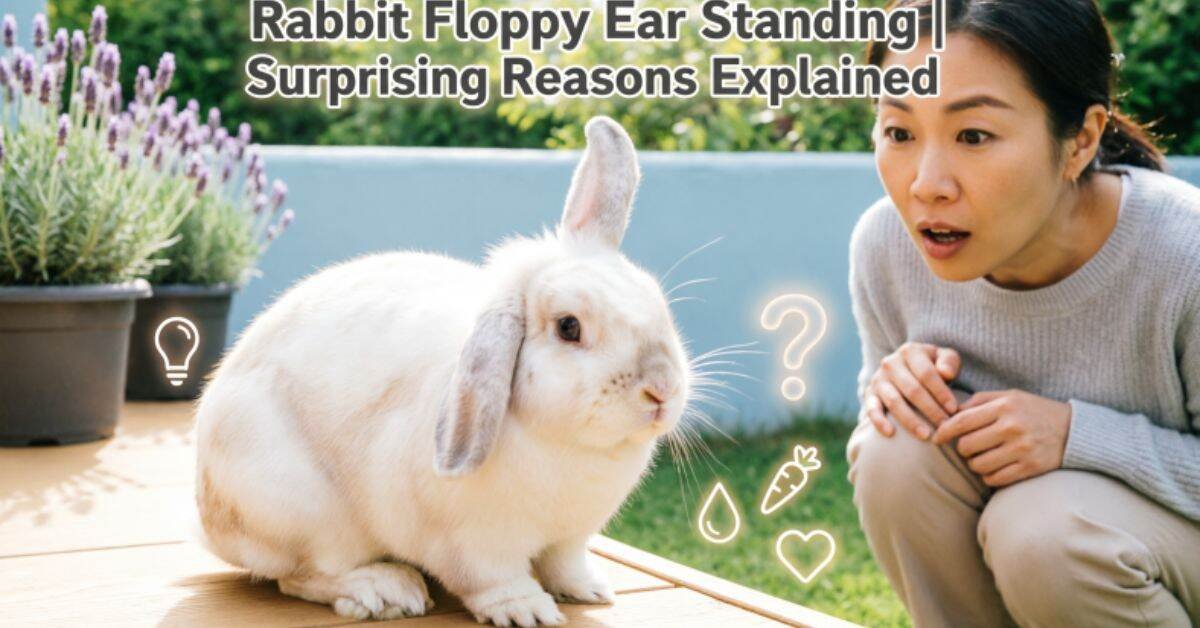
Rabbits with floppy ears are often called lop rabbits. Their ears usually hang down on the sides of their head. Sometimes, one ear may suddenly stand up instead of staying floppy. This is called rabbit floppy ear standing. It can happen for different reasons and is not always a problem.
Many rabbit owners notice this change and feel confused or worried. They may wonder if their rabbit is sick or if something is wrong with its ears. Seeing a floppy ear stand up can look strange if you are used to both ears hanging down. This is why it is important to understand what it really means.
In most cases, rabbit floppy ear standing can happen because of age, ear muscles, mood, or even genetics. Young rabbits sometimes have ears that move between floppy and standing as they grow. Learning about the possible causes can help you know when it is normal and when your rabbit may need care.
Why Is My Rabbit’s Floppy Ear Standing Up?
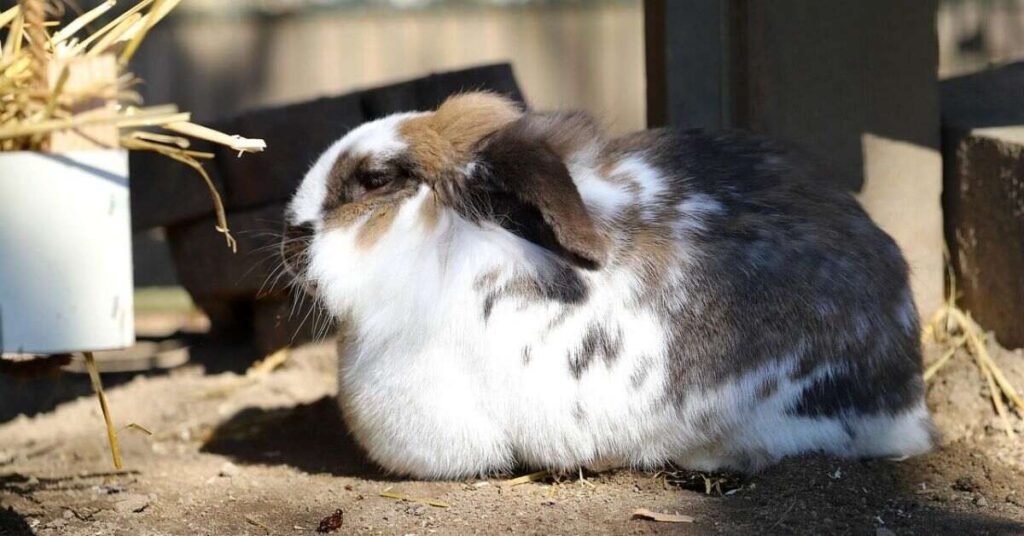
Sometimes a rabbit’s ear can change position for normal reasons. A young lop rabbit may have ears that move up and down while it is still growing. The ear muscles are still developing during this time. Because of this, one ear may stand up while the other stays floppy.
Another reason can be mood, alertness, or small changes in the ear muscles. When a rabbit hears a sound or becomes curious, it may lift one ear to listen better. In most cases, this is normal and temporary. However, if the ear stays up for a long time or your rabbit shows other signs of discomfort, it may be a good idea to check the ear or speak with a vet.
Difference Between Lop Rabbits and Upright-Ear Rabbits
Rabbits come in different breeds, and their ears can look very different. Lop rabbits are known for their soft ears that hang down on the sides of their head. Upright-ear rabbits, on the other hand, have ears that stand straight up. This difference is mostly due to genetics and the way the ear cartilage develops.
Because of these differences, their ears behave differently too. Lop rabbit ears are heavier and usually stay floppy. Upright-ear rabbits have stronger ear muscles that keep their ears standing. Understanding this difference can help owners know why a rabbit floppy ear standing might happen in some cases.
| Feature | Lop Rabbits (Floppy Ears) | Upright-Ear Rabbits |
| Ear Position | Ears hang down on the sides of the head | Ears stand straight up |
| Ear Cartilage | Softer and weaker cartilage | Stronger and firmer cartilage |
| Ear Weight | Ears are heavier | Ears are lighter |
| Ear Movement | Limited movement | Can move and rotate ears easily |
| Hearing Style | Use head movement to listen | Use ear movement to catch sounds |
| Appearance | Cute, soft, and droopy look | Alert and upright appearance |
| Common Breeds | Holland Lop, Mini Lop, English Lop | Netherland Dwarf, Rex, Dutch |
| Ear Changes in Young Rabbits | Ears may lift before becoming fully floppy | Ears stay upright from a young age |
| Grooming Needs | Ears may need checking for dirt | Easier to keep ears clean |
| Air Flow in Ears | Less airflow due to drooping ears | Better airflow because ears are upright |
| Risk of Ear Issues | Slightly higher because ears cover ear canal | Lower in many cases |
| Owner Concern | Owners may worry if one ear stands up | Standing ears are normal |
Common Reasons a Rabbit’s Floppy Ear Starts Standing
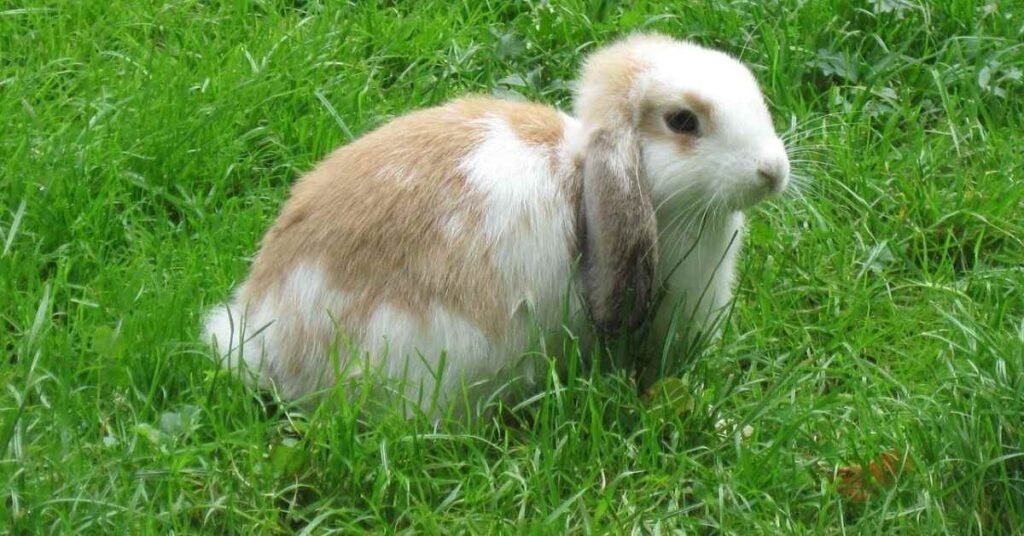
Sometimes a rabbit’s ear can stand up for normal and harmless reasons. Young lop rabbits often go through a stage where their ears do not stay fully floppy. The ear muscles and cartilage are still developing. Because of this, one ear may stand up while the other ear hangs down.
There can also be other small changes that make this happen. A rabbit may lift its ear when it hears a sound or becomes curious. In most cases, this change is temporary and not a sign of illness.
Some common reasons include:
- Young age : Baby lop rabbits may have ears that move between floppy and standing while they grow.
- Strong ear muscles : Some rabbits naturally have stronger ear muscles.
- Mood or alertness : A rabbit may raise one ear to listen carefully.
- Genetics : Mixed breeds can sometimes have one ear up and one ear down.
- Growth changes : As rabbits grow, their ear position can change for a short time.
Growing Age and Ear Muscle Development
Young rabbits go through many changes as they grow. Their ears are one of the parts that develop over time. In lop rabbits, the ear muscles and cartilage slowly become softer and heavier. Because of this, the ears may move between standing and floppy during the early months.
This stage is normal for many young rabbits. One ear may stand up while the other stays down. As the rabbit grows older, the ears usually settle into their final position. For most lop rabbits, both ears will eventually hang down naturally.
| Rabbit Age Stage | Ear Muscle Strength | Ear Position | What Owners May Notice |
| Newborn (0–2 weeks) | Very weak | Ears are small and close to the head | Ear shape is not clear yet |
| Early Baby (2–4 weeks) | Weak | Ears may start lifting slightly | Ears look small and soft |
| Young Rabbit (1–2 months) | Developing | One ear may stand while the other drops | Ears may change position often |
| Growing Stage (2–4 months) | Getting stronger | Ears may move between standing and floppy | Owners may notice uneven ears |
| Teen Stage (4–6 months) | Stabilizing | Ears begin settling into their natural position | Both ears may start drooping |
| Young Adult (6–12 months) | Fully developed | Lop rabbits usually have floppy ears | Ear position becomes stable |
| Adult Rabbit (1+ year) | Stable | Ears remain in their natural form | Changes are less common |
Genetics and Breed Traits
A rabbit’s ear shape is mostly decided by its genetics. Some rabbit breeds naturally have floppy ears, while others have ears that stand upright. Lop rabbits carry special genes that make their ear cartilage softer and heavier. This is why their ears usually fall down on the sides of the head.
Sometimes genetics can create small differences. A rabbit with mixed breed parents may show unusual ear positions. In some cases, one ear may stay floppy while the other stands up. This can happen because the rabbit inherits different traits from each parent.
| Factor | Lop Rabbits (Floppy Ear Breeds) | Upright-Ear Rabbits | Mixed-Breed Rabbits |
| Ear Genetics | Genes cause ears to droop | Genes keep ears standing | May inherit traits from both parents |
| Ear Cartilage | Softer and heavier | Stronger and firmer | Can vary depending on genetics |
| Ear Position | Usually both ears hang down | Both ears stand straight up | One ear may stand while the other droops |
| Breed Influence | Strong effect on ear shape | Strong effect on upright ears | Ear shape may be unpredictable |
| Examples of Breeds | Holland Lop, Mini Lop, English Lop | Netherland Dwarf, Rex, Dutch | Lop mixed with upright-ear breeds |
| Chance of One Ear Standing | Rare but possible | Very unlikely | More common in mixed breeds |
| Stability of Ear Shape | Usually settles with age | Stays upright naturally | May stay uneven |
| Owner Concern Level | Low in most cases | No concern | Depends on rabbit’s health |
| Overall Appearance | Soft, droopy ears | Alert, upright ears | Unique ear look |
Injury or Ear Damage
Sometimes a rabbit’s ear may stand up because of a small injury. Rabbits can hurt their ears while playing, fighting, or scratching too hard. If the ear muscles or cartilage get affected, the ear may not hang down like before. This can make a floppy ear look more upright.
In some cases, ear damage can also cause swelling or pain. The rabbit may shake its head or scratch the ear often. Owners should watch for these signs and check the ear carefully. If the ear looks swollen, red, or painful, it is best to ask a vet for advice.
| Type of Issue | Possible Cause | Signs to Look For | Effect on the Ear | What Owners Should Do |
| Minor Ear Injury | Rough play or bumping into objects | Slight swelling or sensitivity | Ear may stand up temporarily | Observe the rabbit and keep the area clean |
| Ear Scratch | Rabbit scratching too hard | Small cuts or irritation | Ear position may change for a short time | Check the ear and prevent further scratching |
| Bite from Another Rabbit | Fighting with another rabbit | Visible bite marks or redness | Ear may not hang normally | Separate rabbits and monitor healing |
| Ear Cartilage Damage | Strong hit or pressure on the ear | Ear looks bent or stiff | Ear may stay upright | Seek veterinary advice |
| Swelling or Bruising | Injury or rough handling | Puffiness and tenderness | Ear shape may look different | Allow rest and monitor closely |
| Long-Term Damage | Severe injury | Permanent change in ear position | Ear may remain standing | Vet examination may be needed |
Health Problems That Can Affect Rabbit Ear Position
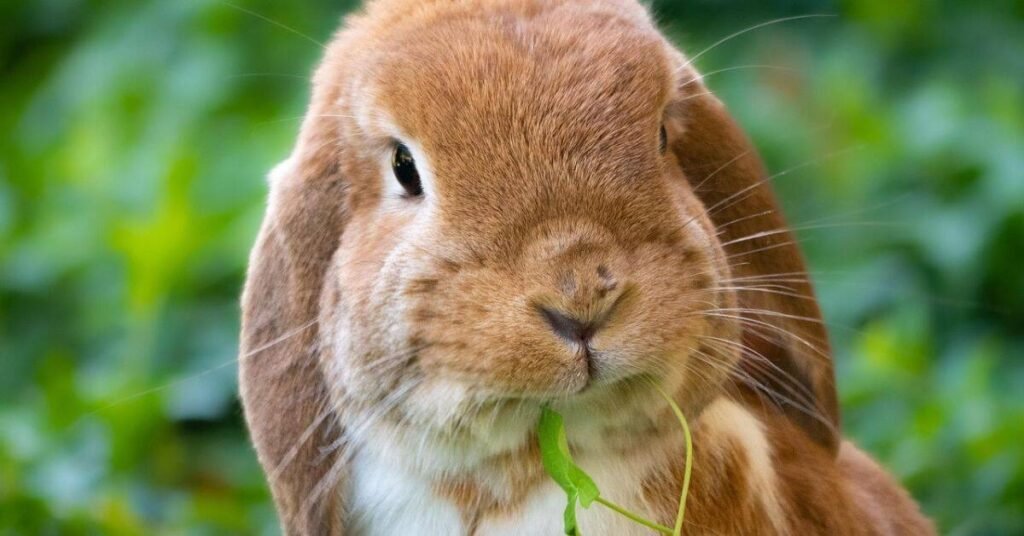
Sometimes a rabbit’s ear position can change because of health problems. If a floppy ear suddenly stands up and does not return to normal, it may be a sign that something is wrong. Ear infections, swelling, or pain can affect the ear muscles and cartilage. This can change the way the ear sits on the rabbit’s head.
Rabbits may also show other signs when they have ear problems. They might shake their head often or scratch their ears more than usual. Some rabbits may even lose balance or seem uncomfortable. If you notice these signs along with rabbit floppy ear standing, it is best to check the ears and consider speaking with a vet.
Some health problems that may affect ear position include:
- Ear infections : Can cause pain, swelling, and changes in ear position
- Ear mites : Tiny parasites that make rabbits scratch their ears a lot
- Swelling or inflammation : Can push the ear into a different position
- Injury to the ear : Damage may affect ear muscles or cartilage
- Balance or inner ear problems : May change how the rabbit holds its ears
When to Worry About a Lop Ear Standing Up
In many cases, a lop ear standing up is normal. Young rabbits often have ears that change position while they grow. Some rabbits may also lift one ear when they feel curious or alert. If your rabbit is active, eating well, and behaving normally, the ear change may not be a problem.
However, you should pay closer attention if the ear change happens suddenly and does not go back to normal. Watch for signs like swelling, redness, head shaking, or frequent scratching. If your rabbit seems tired, in pain, or stops eating, it may be a health issue. In these situations, it is best to check the ear carefully and ask a vet for help.
Sudden Ear Changes vs Gradual Changes
Rabbit ears can change either suddenly or slowly. Sudden changes in a floppy ear may signal a problem. This can happen because of injury, infection, or ear mites. If one ear suddenly stands up and the rabbit shows other signs of discomfort, it needs attention.
Gradual changes are usually normal. Young lop rabbits often go through stages where their ears move between floppy and standing. As the ear muscles and cartilage develop, the ears eventually settle into their final position. Owners can usually watch these changes without worry.
| Type of Change | Cause | Ear Appearance | Other Signs | What Owners Should Do |
| Sudden Change | Injury, ear infection, ear mites | One ear stands up quickly | Shaking head, scratching, redness, swelling | Inspect the ear carefully, contact a vet if needed |
| Gradual Change | Growth, developing ear muscles, genetics | Ears slowly move between standing and floppy | Rabbit behaves normally, eating and playing well | Observe over time, usually no action needed |
| Mixed Cause | Mild injury or stress plus growth | Ear may temporarily stand before returning | Slight discomfort, minor scratching | Monitor and ensure no worsening signs |
| Long-Term Issue | Severe injury, chronic infection | Ear stays upright permanently | Pain, reduced movement, behavioral changes | Vet examination recommended |
| Normal Development | Young lop rabbit | One or both ears move during growth | No pain or discomfort | Wait and watch, ears often settle naturally |
Can a Floppy-Eared Rabbit Become Fully Upright?
In most cases, a floppy-eared rabbit will not become fully upright. Lop rabbits are bred to have soft, heavy ear cartilage. This makes their ears naturally hang down. Even if one ear stands up for a short time, it usually returns to its floppy position.
However, some rabbits may have a mix of traits from different breeds. Mixed-breed rabbits can sometimes have one or both ears stand up permanently. These cases are rare and depend on genetics. For most lop rabbits, a fully upright ear is uncommon and not a health concern.
Young Rabbits vs Adult Rabbits
Young rabbits often have ears that change position as they grow. In lop rabbits, one ear may stand up while the other stays floppy. This is normal because their ear muscles and cartilage are still developing. Over time, the ears usually settle into their natural floppy position.
Adult rabbits have fully developed ear muscles and cartilage. Their ears usually stay in their permanent position. If a floppy-eared adult suddenly has one ear standing, it may be due to injury, health problems, or genetics. Owners should watch for other signs of discomfort.
| Feature | Young Rabbits | Adult Rabbits |
| Ear Muscle Strength | Weak and developing | Fully developed |
| Ear Cartilage | Soft, flexible | Strong and firm |
| Ear Position | Can move between standing and floppy | Usually stable |
| Changes in Ear | Frequent | Rare |
| Behavior Signs | Normal if one ear stands | Alert if ear change is sudden |
| Health Concern | Usually none | Sudden change may indicate a problem |
| Growth Stage | 0–6 months | 6 months and older |
| Owner Observation | Monitor ear development | Check for injuries or infections if changes occur |
| Genetics Effect | Can influence which ear stands first | Less effect, ear position mostly set |
| Final Ear Position | Not permanent | Usually fixed |
Permanent vs Temporary Ear Changes
Rabbit ears can change in two ways: temporary or permanent. Temporary changes happen often in young lop rabbits. Their ear muscles and cartilage are still growing. One ear may stand up for a short time before returning to floppy. These changes are usually harmless.
Permanent changes are less common. They can happen due to injury, genetics, or health issues. In mixed-breed rabbits, one or both ears may stay upright for life. Owners should observe the ear and watch for other signs if it seems permanent.
| Type of Change | Cause | Ear Appearance | Age Group | Duration | Other Signs | Owner Action |
| Temporary | Growth, developing muscles | Ear stands briefly, then floppy | Young rabbits | Short-term | Rabbit behaves normally | Monitor and wait |
| Temporary | Mood, alertness | Ear may lift when curious | All ages | Minutes to hours | Rabbit alert or listening | Observe, no action needed |
| Permanent | Genetics | One or both ears stay upright | Mixed-breed or lop crosses | Long-term | Normal behavior if healthy | No concern if rabbit is healthy |
| Permanent | Injury | Ear stays upright due to damaged cartilage | Any age | Long-term | Swelling, pain, or discomfort | Check ear, consult vet |
| Permanent | Health problem | Ear position changes due to infection or mites | Any age | Until treated | Scratching, redness, head shaking | Vet visit recommended |
| Mixed | Minor injury plus growth | Ear may temporarily lift then settle | Young rabbits | Variable | Mild discomfort possible | Monitor and check for worsening signs |
How to Keep Your Rabbit’s Ears Healthy
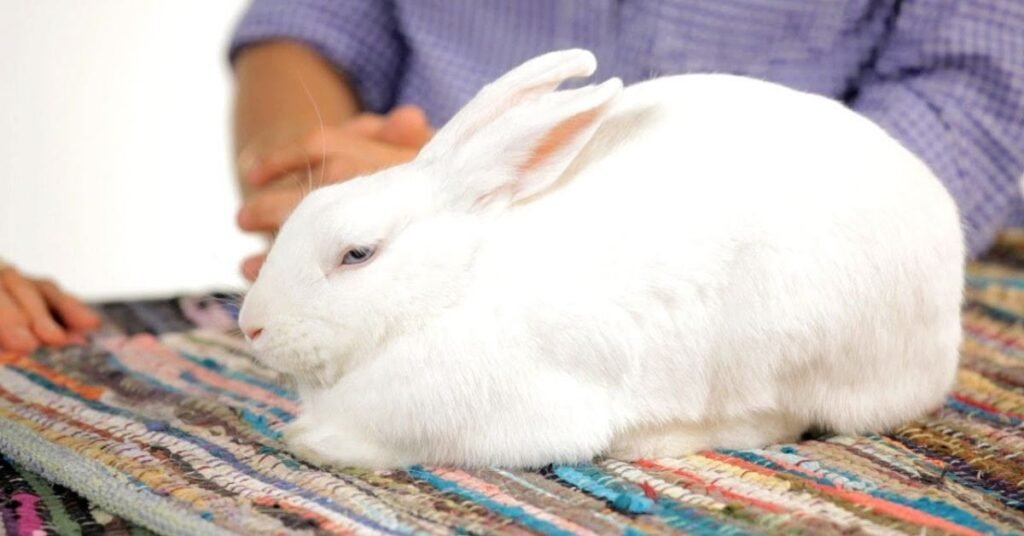
Healthy ears are important for a rabbit’s overall well-being. Regular checks can help spot problems early. Look for redness, swelling, discharge, or unusual odors. Gently feel the ears to see if they are warm or painful. Healthy ears should be clean and soft, with no signs of infection.
You can also take steps to prevent issues. Keeping the rabbit’s living area clean helps avoid mites and infections. Handle your rabbit gently to prevent injuries to the ears. Pay attention to any sudden changes in ear position or behavior.
Tips to keep your rabbit’s ears healthy:
- Check ears weekly for signs of redness, swelling, or dirt
- Clean ears gently if needed, using a vet-approved method
- Keep the rabbit’s cage or hutch clean and dry
- Monitor ear position and behavior for sudden changes
- Avoid rough play that may injure the ears
- Visit a vet if you notice signs of infection, mites, or pain
Proper Cleaning Tips
Cleaning your rabbit’s ears carefully helps prevent infections and discomfort. Rabbits have sensitive ears, so be very gentle. Never use cotton swabs inside the ear canal, as this can hurt them. Focus on the outer ear and folds where dirt or wax may build up.
You should clean only when necessary and use vet-approved products. Avoid over-cleaning, which can irritate the ears. Always reward your rabbit after cleaning to make the process positive.
Tips for proper ear cleaning:
- Use a soft cloth or cotton ball to wipe the outer ear
- Only clean visible dirt or wax; do not push anything inside the ear canal
- Use a gentle, rabbit-safe ear cleaner if needed
- Handle your rabbit calmly to avoid stress or injury
- Check ears regularly and clean only when necessary
- Stop cleaning and consult a vet if you notice redness, swelling, or discharge
Diet and Nutrition for Ear Health
A healthy diet supports a rabbit’s overall health, including their ears. Rabbits need plenty of hay, fresh vegetables, and clean water every day. Good nutrition helps the immune system fight infections that could affect the ears. Avoid sugary or processed foods, as they can weaken their health.
Certain nutrients can also help keep ears strong and healthy. Vitamins and minerals from fresh greens, vegetables, and safe fruits support cartilage and muscle health. A balanced diet may reduce the risk of ear infections and other ear problems.
| Nutrient | Source | Benefit for Ear Health | Notes |
| Fiber | Hay, leafy greens | Supports digestion, prevents stress on the body | Essential daily |
| Vitamin A | Carrots, spinach, kale | Supports immune system, helps prevent infections | Feed in moderation |
| Vitamin C | Bell peppers, parsley | Supports tissue health, strengthens immunity | Rabbits produce vitamin C naturally, but extra is safe |
| Calcium | Broccoli, dandelion greens | Helps cartilage and bone health | Avoid excess to prevent kidney issues |
| Magnesium | Leafy greens, herbs | Supports nerve and muscle function | Helps ear muscles work properly |
| Protein | Limited pellets, vegetables | Supports tissue repair and muscle development | Do not overfeed pellets |
| Water | Fresh, clean water | Keeps body hydrated, prevents infection risk | Change daily |
| Antioxidants | Herbs like parsley, cilantro | Helps reduce inflammation | Include in small amounts |
Conclusion
In conclusion, a rabbit’s floppy ear standing can happen for many reasons. Often, it is normal and not a cause for worry. Young rabbits, mood changes, or genetics can make one ear stand temporarily.
Most lop rabbits will have their ears settle into a floppy position as they grow. Gradual ear changes are usually part of healthy development. Owners should observe their rabbits but not panic over small changes.
However, sudden or persistent ear changes can signal a problem. Injury, ear infections, or mites may affect the ear. Look for signs like redness, swelling, head shaking, or discomfort. If these appear, it is best to consult a vet.
Keeping your rabbit’s ears healthy is important. Regular checks, gentle cleaning, and a good diet can help prevent problems. With care and attention, your rabbit’s ears will stay healthy and your pet will be happy.
FAQs
1. Why is my lop rabbit’s ear standing up?
A rabbit floppy ear standing can happen due to age, developing ear muscles, or genetics. Young lop rabbits often have ears that move between floppy and standing. In most cases, it is normal and temporary.
2. Can a floppy-eared rabbit’s ear stay upright permanently?
Most lop rabbits with a rabbit floppy ear standing return to their floppy position as they grow. Permanent upright ears are rare and usually appear in mixed-breed rabbits. Genetics plays a key role.
3. When should I worry about a rabbit’s ear standing up?
If your rabbit floppy ear standing happens suddenly with redness, swelling, discharge, or pain, it could indicate an injury or infection. In this case, consult a vet immediately.
4. How can I keep my rabbit’s ears healthy?
Regular checks can prevent problems with rabbit floppy ear standing. Keep the cage clean, handle your rabbit gently, and provide a balanced diet. Clean the ears only when necessary with a vet-approved method.
5. Can diet affect my rabbit’s ear health?
Yes, a healthy diet helps prevent rabbit floppy ear standing caused by weakness or infections. Feeding plenty of hay, fresh vegetables, and limited safe fruits supports strong muscles and cartilage.
