

The rabbit gestation period is surprisingly short compared to other animals. Female rabbits, called does, stay pregnant for about 31 days on average. This quick timeline is one of the main reasons why rabbits can reproduce so rapidly. The gestation can range anywhere from 28 to 35 days, depending on several factors like breed size and litter size. Understanding this timeline helps rabbit owners prepare properly for the arrival of baby rabbits, also known as kits.
When you know your doe is pregnant, you can mark the calendar and get ready for the exciting day. The short pregnancy means you won’t wait long to meet the new arrivals. This rapid reproduction rate has given rise to the famous phrase “breeding like rabbits.” Most does will give birth in the evening or early morning hours of day 31, making the process quite predictable for experienced rabbit owners.
How Breed Size Affects Rabbit Gestation Period
Different rabbit breeds have slightly different pregnancy lengths. Smaller breeds like the Netherland Dwarf and Polish rabbits often deliver closer to 28 or 29 days. Their compact size means the babies develop a bit faster.
Medium breeds such as New Zealand and Californian rabbits typically have a gestation period right around 31 days. This is the most common timeframe for pet rabbits. Large breeds including the Flemish Giant may carry their litters for 33 to 35 days. The bigger body size means more time for development.
Does with smaller litters tend to have slightly longer pregnancies, sometimes going a day or two past the average. When a doe carries many babies, she may give birth a day or two earlier. The rabbit gestation period remains fairly consistent across all breeds, usually staying within that 28 to 35 day window. Always count from the day of mating to predict when your doe will kindle.
| Breed Size | Gestation Period | Examples |
| Small Breeds | 28-29 days | Netherland Dwarf, Polish, Dutch |
| Medium Breeds | 31-32 days | New Zealand, Californian, Rex |
| Large Breeds | 33-35 days | Flemish Giant, French Lop |
Early Signs Your Rabbit Is Pregnant
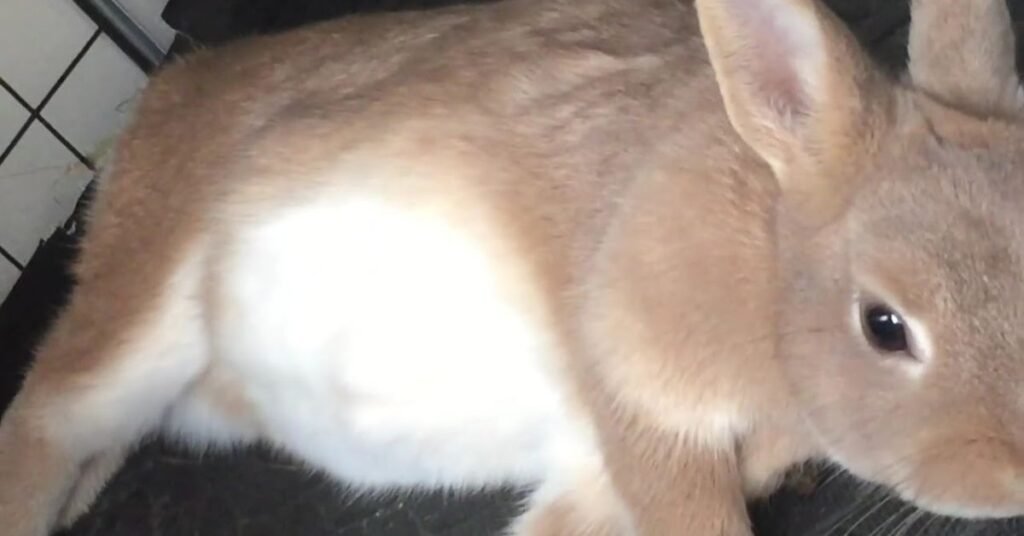
Detecting pregnancy in rabbits can be tricky in the first few weeks. The rabbit gestation period doesn’t always show obvious physical changes early on. However, behavioral changes often appear within the first two weeks. A pregnant doe may become territorial and defensive. She might not want to be picked up or handled as much as usual.
Some does get moody or even aggressive during early pregnancy. Your rabbit might eat more food than normal, especially in the second and third weeks. This increased appetite helps support the growing babies inside her. Weight gain of about half a pound is common during the middle weeks of pregnancy.
Around day 10 to 14, a veterinarian can feel small lumps in the doe’s belly through gentle palpation. These grape-sized bumps are the developing kits. By the third week, you might notice your doe spending more time in corners or digging behavior. Physical signs become more visible as the pregnancy progresses, with the belly appearing rounder and the mammary glands becoming slightly enlarged.
Nesting Behavior During Rabbit Gestation Period add pic
One of the clearest signs of pregnancy appears near the end of the rabbit gestation period. About two to three days before giving birth, does begin building nests. This instinctive behavior is fascinating to watch. Your doe will start gathering hay or straw in her mouth and carrying it around her enclosure.
She searches for the perfect spot to create a safe nest for her babies. The most distinctive sign is fur pulling. Pregnant rabbits pluck soft fur from their dewlap, belly, and sides. This fur lines the nest to keep the newborn kits warm and cozy. The pulled fur also helps expose the mother’s nipples for easier nursing. If you notice your doe has pulled fur and created a mound of hay mixed with her own fur, babies will likely arrive within hours.
Does sometimes use nest boxes provided by owners, but they may also choose their own preferred location. The nesting instinct is so strong that even false pregnancies can trigger this behavior. Provide a nest box around day 28 of the rabbit gestation period so your doe feels secure and prepared.
What Happens on Kindling Day
Kindling is the term used when a rabbit gives birth. After the full rabbit gestation period of about 31 days, your doe will deliver her litter. Most rabbits kindle during the quiet hours of early morning or late evening when they feel safest. The actual birth process is surprisingly quick. A healthy doe can deliver her entire litter in just 15 to 30 minutes. Rabbits have evolved to give birth rapidly as a survival mechanism.
Birth complications are rare in rabbits, making them capable mothers. The doe will clean each kit as it arrives and position them in the nest. Newborn rabbits are born completely helpless. They have no fur, cannot see, and cannot hear. Their eyes and ears remain closed for about 10 days. Despite looking fragile, these tiny kits grow incredibly fast when properly cared for by their mother.
After kindling, the mother rabbit spends most of her time away from the nest. This behavior seems strange but is completely normal. In the wild, staying away from babies helps avoid attracting predators to the nest location.
Litter Size During Rabbit Gestation Period
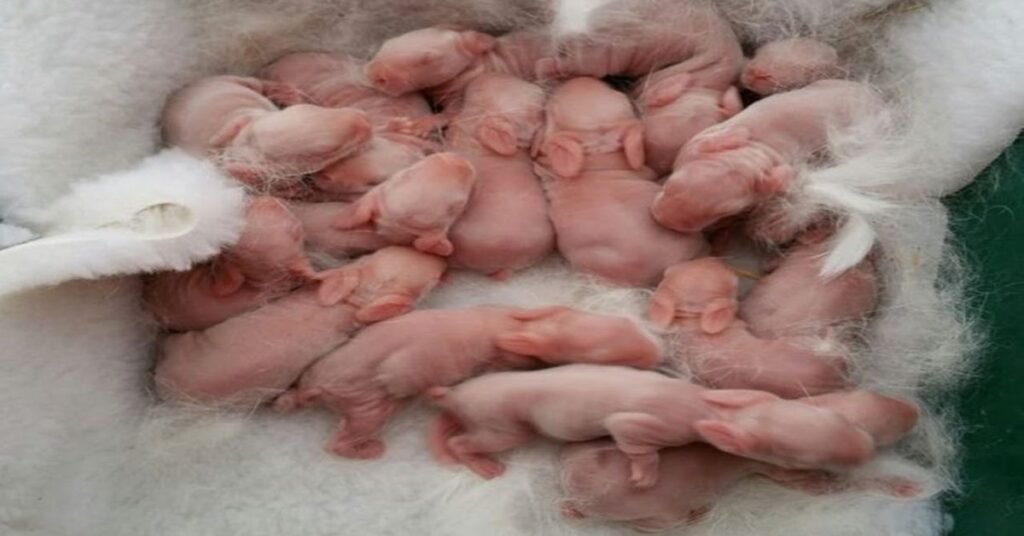
The number of babies a rabbit has varies by several factors. The average litter contains five to eight kits. However, litters can range anywhere from one to 14 babies. Small breed rabbits typically have smaller litters of four to six kits. Their petite size limits how many babies they can carry comfortably. Medium breed rabbits often produce six to eight kits per litter.
This size is ideal for most mother rabbits to nurse successfully. Large breed rabbits can have very large litters of 10 to 12 kits or even more. However, very large litters can challenge the mother’s ability to feed all babies adequately. First-time mothers usually have smaller litters than experienced does. As a doe matures and has more litters, her litter size often increases.
The rabbit gestation period length sometimes correlates with litter size. Smaller litters may result in slightly longer pregnancies, while larger litters sometimes arrive a day or two early. Not all kits in a litter survive, so it’s normal to find one or two that didn’t make it through birth.
Caring for Your Pregnant Rabbit
During the rabbit gestation period, your doe needs special attention and care. Proper nutrition becomes even more important when a rabbit is pregnant. Feed high-quality rabbit pellets and unlimited timothy hay throughout the pregnancy. Fresh water must be available at all times because pregnant rabbits drink more than usual.
Add dark leafy greens like kale or romaine lettuce to provide extra nutrients. Some owners offer alfalfa hay for additional protein and calcium, especially for young or first-time mothers. Keep the doe’s living area clean and comfortable with fresh bedding. Minimize stress by keeping noise levels low and limiting disruptions to her routine. Avoid excessive handling after the first two weeks of pregnancy.
Your doe needs rest and peaceful surroundings. Around day 28 of the rabbit gestation period, provide a nest box filled with soft hay or straw. Make sure the box is large enough for the mother to move around comfortably but cozy enough to feel secure. Place the nest box in a quiet, private corner of her enclosure where she won’t be disturbed frequently.
How Fast Can Rabbits Get Pregnant Again

The reproductive capability of rabbits is truly remarkable. Female rabbits can become pregnant again within just a few hours after giving birth. This ability explains why rabbit populations can grow so quickly in the wild. The doe’s body is capable of conceiving almost immediately post-kindling. However, just because rabbits can breed this fast doesn’t mean they should. Responsible rabbit owners and breeders give does adequate time to recover between litters. Constant pregnancy takes a serious toll on a mother rabbit’s health and wellbeing.
Recommended breeding schedules suggest waiting at least four to eight weeks between litters. This rest period allows the doe to regain her strength and condition. Most experts recommend that a healthy doe should have no more than three to four litters per year. Breeding more frequently than this can lead to health problems like malnutrition, uterine issues, and early death. Always separate male and female rabbits immediately after kindling if you don’t want another immediate pregnancy. Males remain fertile continuously, so keeping them together will result in back-to-back pregnancies. Understanding the rabbit gestation period and proper breeding intervals helps ensure your does stay healthy for years.
False Pregnancy in Rabbits
Sometimes female rabbits experience what’s called a false pregnancy or pseudopregnancy. This condition tricks the doe’s body into thinking she’s pregnant when she actually isn’t. False pregnancies occur when a doe ovulates without successful fertilization. This can happen if she’s mounted by another female rabbit or exposed to a male rabbit without successful breeding.
During a false pregnancy, does show many typical pregnancy behaviors. They may pull fur, build nests, and become territorial just like truly pregnant rabbits. The doe might even develop slightly enlarged mammary glands. False pregnancies usually last about 16 to 18 days before the doe’s hormones return to normal.
After this period, the rabbit goes back to her regular behavior and stops nesting. While false pregnancies aren’t physically harmful, they can cause stress or mild aggression in some does. Without treatment, the condition resolves on its own.. If your rabbit shows pregnancy signs but never delivers babies after 35 days, she likely experienced a false pregnancy. The best prevention is having your female rabbit spayed if you don’t plan to breed her. Spaying eliminates the possibility of false pregnancies and unwanted litters.
Baby Rabbit Development After Birth
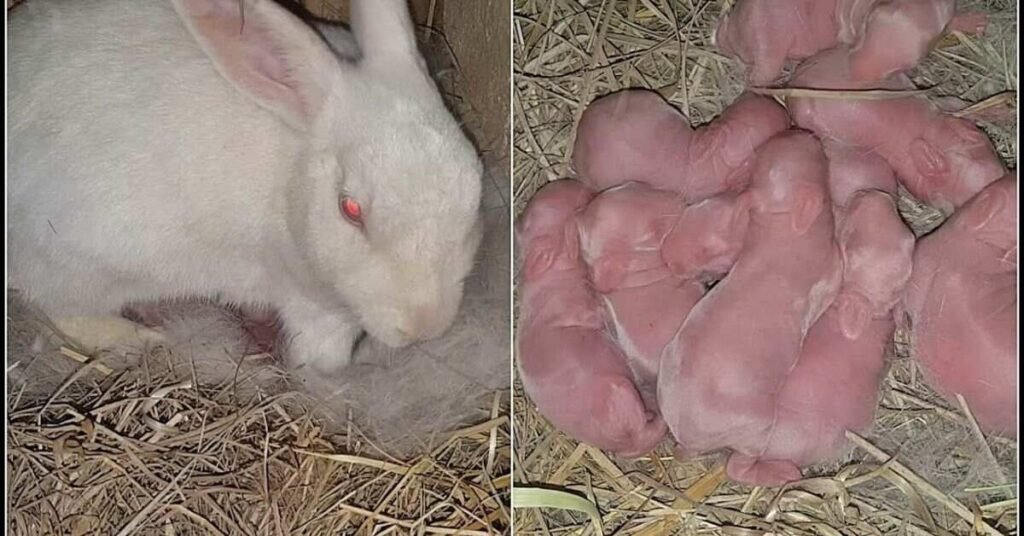
Once the rabbit gestation period ends and kits are born, they develop rapidly. Newborn rabbits weigh only about one to two ounces and fit in the palm of your hand. For the first week, kits cannot regulate their body temperature and rely completely on the nest warmth. The mother rabbit nurses her babies only once or twice daily, usually at dawn and dusk. Each nursing session lasts just five minutes because rabbit milk is extremely rich and nutritious. Kits can consume up to 20 percent of their body weight in a single feeding.
Around day 10, the babies’ eyes and ears open, and a thin coat of fur begins to show. This marks a major developmental milestone. By two weeks old, kits start moving around the nest more actively. They become curious about their surroundings. At three weeks, young rabbits begin nibbling on hay and exploring outside the nest box.
They still nurse but start transitioning to solid food. Full weaning occurs between four to six weeks of age when kits no longer need their mother’s milk. At eight weeks old, baby rabbits are typically ready to go to new homes as pets or join breeding programs.
When Rabbit Pregnancy Goes Past Due Date
Most rabbits deliver right on schedule, but occasionally a doe goes past her expected due date. If day 31 passes without babies, don’t panic immediately. Some does carry their litters a few extra days, especially first-time mothers or stressed rabbits. Pregnancies lasting up to 33 or even 35 days can still result in healthy litters. However, going significantly past the normal rabbit gestation period requires attention.
If your doe reaches day 33 or 34 without signs of labor, check her carefully for any distress. Look for signs like straining, blood, or obvious discomfort that might indicate a problem. Check the nest and surrounding area thoroughly to ensure she hasn’t already kindled without you noticing. Baby rabbits can wiggle surprisingly far from the nest box quickly. Some does deliver one or two kits, then have a delay before delivering the rest.
Environmental stress can delay kindling, so ensure your rabbit has a quiet, comfortable space. If your doe goes more than three days past her due date, contact a rabbit-savvy veterinarian. Prolonged pregnancy increases the risk of stillborn kits or complications. Very rarely, rabbits experience stuck kits or obstructed labor requiring veterinary assistance.
Preventing Unwanted Rabbit Pregnancies
Given the short rabbit gestation period and rapid breeding capability, preventing unwanted pregnancies is crucial for rabbit owners. The most effective solution is spaying and neutering your rabbits. Female rabbits can be spayed from about four to six months of age. Males can be neutered as early as 10 to 12 weeks when their testicles descend. Neutering provides many benefits beyond preventing pregnancy.
Spayed females have much lower risks of uterine cancer and other reproductive diseases. Neutered males show less aggressive and territorial behavior. Both spayed females and neutered males make calmer, more affectionate pets. If you house male and female rabbits together, both must be altered to prevent breeding. Remember that males remain fertile for up to six weeks after neutering surgery.
Keep males and females separated during this recovery period even after neutering. For rabbit owners who don’t spay or neuter, strict separation is essential. Never house intact males and females together unless you want babies. Even brief contact can result in pregnancy since rabbits breed so quickly. Understanding the rabbit gestation period helps you make informed decisions about your pets’ reproductive health and housing needs.
Conclusion
Understanding the timing of a rabbit’s pregnancy helps you care for the doe in a gentle and stress-free way. The period is short, so small changes in behavior or appetite can be important to notice. A relaxed environment makes everything easier for both the mother and her babies.
Good care during this time creates a safe start for the new litter. Soft bedding, good food, and calm surroundings make a big difference. With a little attention and kindness, the whole process becomes smooth and rewarding.
FAQs
1. How long is the gestation period of a rabbit?
It usually lasts around 28 to 31 days, depending on the breed and health of the doe.
2. How can I tell if a rabbit is pregnant?
You may notice a rounder belly, nesting behavior, or the doe becoming calmer or more protective.
3. How many babies do rabbits usually have?
A doe can give birth to 4 to 12 kits in one litter.
4. Do pregnant rabbits need special care?
Yes, they need a quiet space, fresh water, soft bedding, and a good diet.
5. When should a nest box be placed?
A nest box is usually added around day 26 to help the doe prepare comfortably.
