

Introduction
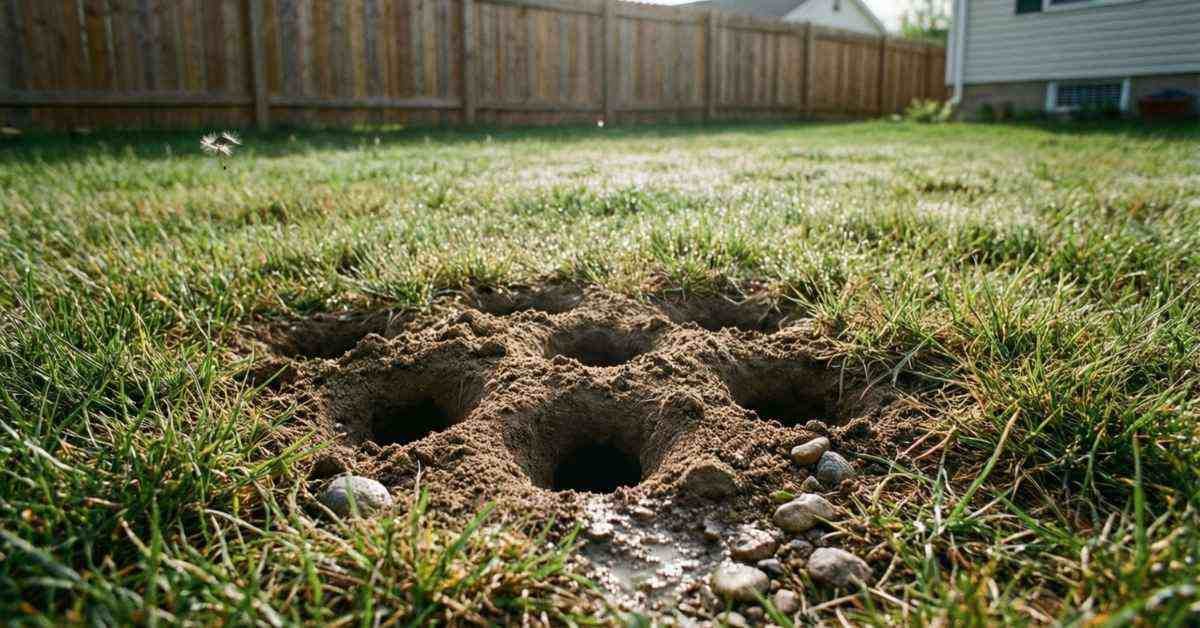
Rabbit holes in yard are small openings dug in the soil by wild rabbits. These holes are often used as entrances to shallow burrows or hiding spots. Rabbits dig them to stay safe from predators and to find shelter. You may notice loose soil around the hole or small paths leading to it.
Many homeowners feel surprised when they first see rabbit holes in yard. You may worry about your lawn, plants, or children stepping into the holes. It can look messy and even unsafe. But before you panic, it helps to understand why rabbits dig these holes and what it really means for your yard.
In this guide, you will learn the common reasons behind rabbit holes in yard. You will also discover simple and safe ways to deal with them. We will cover prevention tips, signs to watch for, and easy solutions. This will help you keep your yard neat while staying kind to wildlife.
What Causes Rabbit Holes in Your Yard
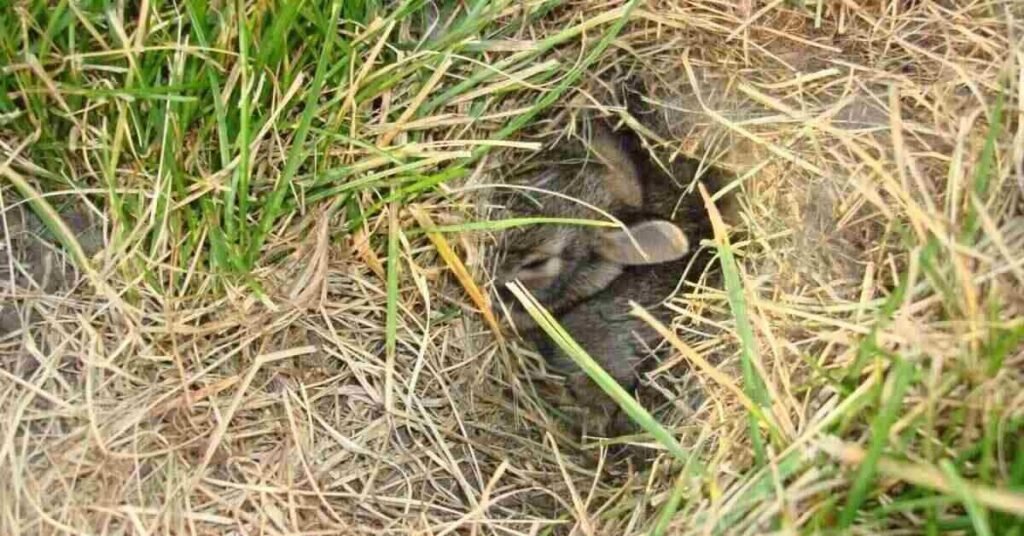
Rabbits dig holes for safety and comfort. These holes help them hide from predators like cats, dogs, and birds. They also use them to rest during the day. Soft soil makes digging easier, so yards with loose dirt or sand attract rabbits. If your yard has quiet corners and thick plants, it can feel like a safe place for them.
Food is another big reason rabbits dig in a yard. They like places where fresh grass, flowers, and vegetables are easy to reach. A yard with plenty of plants becomes a perfect home for them. Once they feel safe and find food, they may return again and again.
Common causes of rabbit holes in your yard:
- Soft or loose soil that is easy to dig
- Thick bushes or tall grass for hiding
- Quiet areas with little human activity
- Gardens with vegetables or flowers
- Nearby water sources or shade spots
Why Rabbits Dig Holes for Shelter and Safety
Rabbits dig holes because it helps them feel safe. In the wild, burrows protect them from predators. The ground keeps them hidden from danger. Burrows also block strong wind and rain. They stay cooler in hot weather. They stay warmer in cold seasons. Digging is a natural behavior for rabbits. It helps reduce stress and fear.
Holes also give rabbits a quiet place to rest. Mothers use burrows to raise their babies. The underground space stays dark and calm. Rabbits can sleep without being disturbed. Digging also keeps their bodies active. It is part of their daily instincts. Even pet rabbits may dig to feel secure.
| Reason for Digging | How It Helps Rabbits | Shelter Benefit | Safety Benefit | Common in Wild Rabbits | Seen in Pet Rabbits |
| Protection from predators | Keeps rabbits hidden | Strong natural cover | Reduces attack risk | Yes | Yes |
| Temperature control | Stays cool or warm underground | Comfortable shelter | Prevents heat stress | Yes | Sometimes |
| Weather protection | Blocks rain and wind | Dry living space | Avoids exposure | Yes | Rare |
| Rest and sleep | Creates a quiet area | Peaceful shelter | Less stress | Yes | Yes |
| Raising babies | Safe nesting space | Secure nursery | Protects young | Yes | Rare |
| Natural instinct | Follows survival behavior | Familiar environment | Emotional safety | Yes | Yes |
| Stress relief | Releases nervous energy | Mental comfort | Calm behavior | Yes | Yes |
| Physical activity | Keeps muscles strong | Healthy movement | Better alertness | Yes | Yes |
How to Identify Rabbit Holes in Lawn Areas
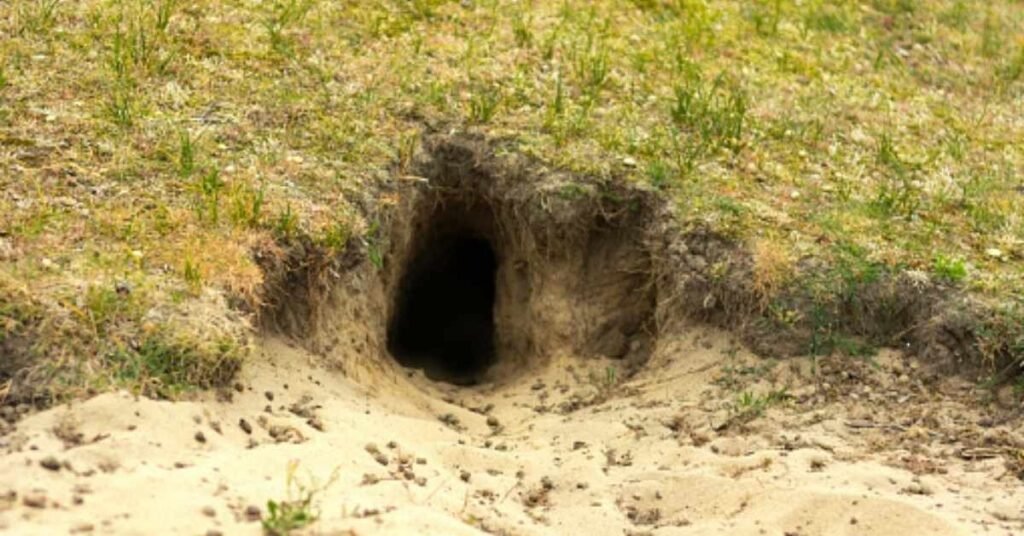
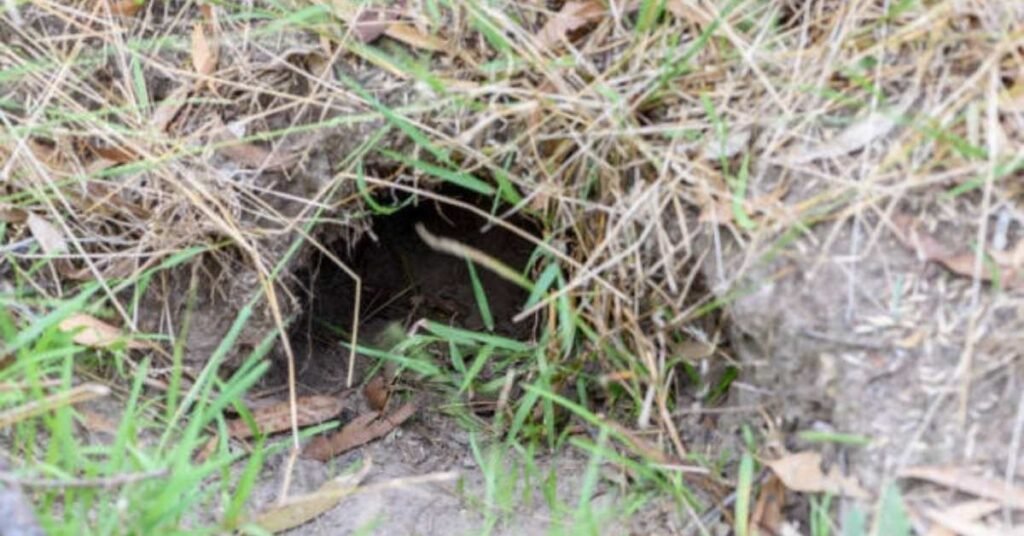
Rabbit holes in lawn areas are usually small and shallow. The openings are often round and only a few inches wide. You may see loose soil around the hole. Sometimes the hole is hidden under grass, bushes, or near fences. Rabbits like quiet corners where they feel safe.
You may also notice signs of rabbit activity near the holes. Rabbits leave small, round droppings on the ground. You might see plants with chewed leaves or stems. Narrow paths in the grass can also show where rabbits move often. These signs help you confirm that the holes belong to rabbits.
Common signs of rabbit holes in lawns:
- Small round holes, about 3–5 inches wide
- Loose soil around the opening
- Holes near bushes, fences, or quiet corners
- Small, round droppings nearby
- Chewed plants or grass
- Narrow paths in the lawn where rabbits travel
Rabbit Holes vs Other Animal Burrows
Rabbit holes are simple and shallow. They are made for quick hiding and rest. Rabbits dig fast to escape danger. Their tunnels often have more than one exit. This helps them run away if predators come. Rabbit burrows are not always deep. They are designed for safety, not long stays.
Other animals dig burrows for different reasons. Foxes make deep dens for long-term living. Badgers build large tunnel systems. Moles dig for food, not shelter. Groundhogs create wide burrows for hibernation. Each animal shapes its burrow to fit its needs. Rabbit holes focus on speed and escape.
| Animal Type | Depth of Burrow | Main Purpose | Tunnel Size | Number of Exits | Used for Living Long-Term | Unique Feature |
| Rabbit | Shallow to medium | Safety and hiding | Narrow | Multiple | No | Fast escape routes |
| Fox | Deep | Living and raising young | Medium | One or two | Yes | Strong den walls |
| Badger | Very deep | Family living | Large | Many | Yes | Complex tunnel system |
| Mole | Shallow | Finding food | Small | Many | No | Food-focused tunnels |
| Groundhog | Deep | Shelter and hibernation | Large | One main | Yes | Winter survival use |
| Prairie Dog | Medium to deep | Community living | Medium | Many | Yes | Social tunnel networks |
| Skunk | Medium | Shelter and rest | Medium | One | Sometimes | Short-term dens |
| Armadillo | Medium | Protection | Medium | One | No | Quick digging ability |
Are Rabbit Holes Dangerous for Your Yard
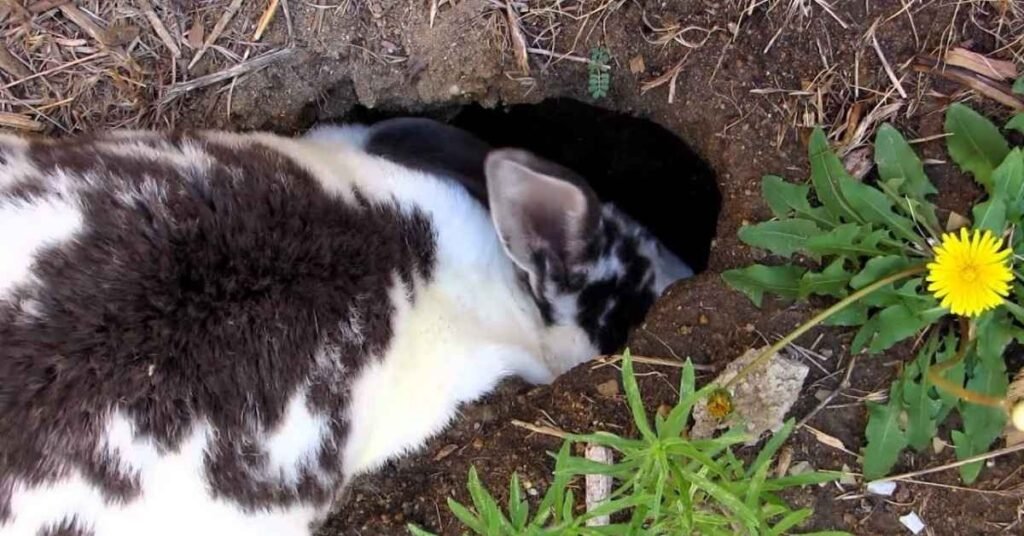
Rabbit holes in your yard are usually not very dangerous. Most of these holes are small and shallow. They rarely cause serious damage to the ground. However, they can make the lawn look uneven. Someone could also trip if they step into a hidden hole.
The bigger problem is the effect on plants and grass. Rabbits may chew flowers, vegetables, and young shoots. This can harm your garden over time. If many rabbits live in the area, the holes may increase. It is best to manage the problem early to keep your yard safe and tidy.
Damage Rabbits Can Cause to Grass and Soil
Rabbits can damage grass by digging and grazing. They pull grass out from the roots. This leaves bare patches on lawns. Holes can make the ground uneven. People may trip while walking. Soil becomes loose and soft. Rain can wash it away easily.
Rabbits also harm soil health over time. Their digging breaks the soil surface. Plant roots lose support. Grass may not grow back fast. Burrows can weaken garden areas. Water may collect in holes. This can cause mud and erosion.
| Type of Damage | How Rabbits Cause It | Effect on Grass | Effect on Soil | Common Areas Affected | Level of Impact |
| Overgrazing | Eating grass repeatedly | Thin or dead grass | Exposed soil | Lawns | Medium |
| Digging holes | Creating burrows | Patchy grass | Loose soil | Gardens | High |
| Root damage | Pulling plants from roots | Slow regrowth | Weak structure | Yards | Medium |
| Soil erosion | Loose soil washes away | Grass loss | Poor drainage | Slopes | High |
| Uneven ground | Tunnels under surface | Broken grass cover | Risk of collapse | Play areas | Medium |
| Water pooling | Holes collect rain | Rotting grass | Mud buildup | Low spots | Medium |
| Plant loss | Chewing young plants | Bare patches | Reduced nutrients | Flower beds | High |
| Lawn stress | Constant activity | Yellow grass | Compacted edges | Home lawns | Low |
Signs Rabbits Are Living Under Your Yard
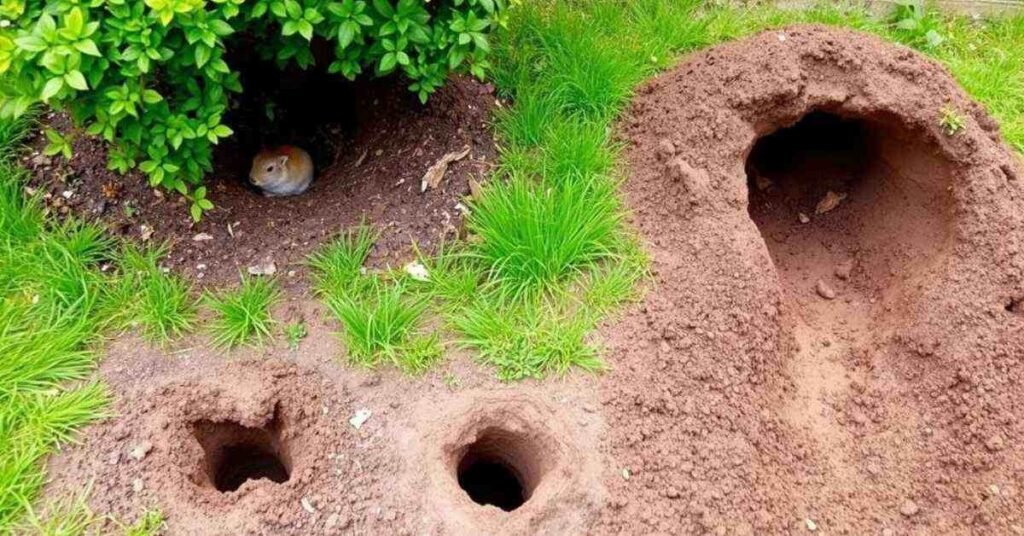
Rabbits often leave clear signs when they live under your yard. You may see small holes near bushes, fences, or quiet corners. The soil around these holes can look freshly dug. Rabbits usually stay close to places where they can hide quickly. If your yard has thick grass or plants, it may attract them.
You may also notice changes in your garden. Rabbits like to chew on soft plants and young shoots. Small round droppings are another common sign. You might see narrow paths in the grass where rabbits move often. These clues can help you know if rabbits are living nearby.
Common signs of rabbits under your yard:
- Small, shallow holes in quiet areas
- Freshly dug soil around openings
- Chewed leaves, stems, or flowers
- Small, round droppings on the ground
- Narrow paths in the grass
- Rabbits seen early in the morning or evening
Common Clues Like Droppings and Runways
Small droppings are one of the easiest signs to spot. Rabbit droppings are round and dry. They are often found near holes or feeding areas. You may see them on the grass, near plants, or along fences. Fresh droppings usually mean rabbits visit the area often.
Runways are another clear clue. These are narrow paths in the grass made by repeated movement. Rabbits use the same routes to travel between hiding spots and food. The grass in these paths may look pressed down or worn out. If you see both droppings and runways, rabbits are likely active in your yard.
How to Get Rid of Rabbit Holes in Yard Safely
Start by checking if the hole is empty. Never fill a hole if a rabbit is still inside. Watch the area in the early morning or evening. If you see no movement for a few days, the hole may be empty. Once you are sure, you can fill it with soil or sand. Press the ground down to make it level with the lawn.
You can also make your yard less inviting to rabbits. Trim tall grass and remove thick bushes where they hide. Use simple fences around gardens or flower beds. Natural repellents can help keep rabbits away. These safe steps protect your yard without harming wildlife.
Humane and Natural Rabbit Removal Methods
Humane rabbit removal focuses on safety, not harm. Rabbits are sensitive animals. Natural methods help move them away gently. Removing food sources is a good first step. Fences can block access to gardens. Smells like garlic or chili may scare them. These methods protect rabbits and property.
Habitat changes also help reduce rabbit visits. Trim tall grass and weeds. Remove brush piles and hiding spots. Motion lights can make rabbits feel unsafe. Natural predators, like owls, also keep numbers low. These steps work best when used together. Patience is important for lasting results.
| Removal Method | How It Works | Is It Humane? | Best Used For | Effectiveness Level | Notes |
| Garden fencing | Blocks entry | Yes | Small gardens | High | Bury fence edges |
| Plant repellents | Unpleasant smell | Yes | Flower beds | Medium | Reapply often |
| Garlic or chili spray | Strong scent | Yes | Lawns | Medium | Safe if diluted |
| Habitat cleanup | Removes shelter | Yes | Yards | High | Long-term solution |
| Motion lights | Startles rabbits | Yes | Night areas | Medium | Needs batteries |
| Natural predators | Creates fear | Yes | Open land | Low | Not controllable |
| Raised beds | Limits access | Yes | Vegetables | High | Cost involved |
| Netting | Covers plants | Yes | Young plants | High | Remove regularly |
How to Prevent Rabbits from Digging Holes Again
The best way to stop rabbits is to make your yard less attractive to them. Rabbits look for food, shelter, and quiet places. Keep your lawn trimmed and remove thick bushes. This reduces hiding spots. Cover garden beds with simple fences to protect plants.
You can also use safe and natural methods to keep rabbits away. Some smells and textures make rabbits uncomfortable. Regular yard care helps prevent new holes from forming. Simple steps done often can keep your yard neat and rabbit-free.
Simple ways to prevent rabbit holes:
- Trim tall grass and remove dense bushes
- Install small fences around gardens
- Block gaps under decks and sheds
- Use natural rabbit repellents
- Remove fallen fruits or leftover vegetables
- Keep the yard clean and open
Long-Term Yard Protection and Prevention Tips
Long-term yard protection needs planning and care. Consistent steps work better than quick fixes. Strong fencing helps keep animals out. Bury the fence edge into the soil. Trim grass and plants regularly. Open spaces make animals feel unsafe. Clean yards attract fewer pests.
Prevention also means changing habits. Do not leave food outside. Protect young plants with covers. Use natural repellents often. Check the yard after rain or storms. Fix holes and weak spots quickly. Small actions prevent big damage over time.
| Prevention Tip | How It Helps | Best Area to Use | Effort Level | Cost Level | Long-Term Benefit |
| Buried fencing | Stops digging | Yard borders | Medium | Medium | Very high |
| Regular trimming | Removes hiding spots | Lawns | Low | Low | High |
| Plant covers | Protects new growth | Gardens | Low | Low | Medium |
| Natural repellents | Deters animals | Plants | Low | Low | Medium |
| Yard inspections | Finds damage early | Entire yard | Low | Low | High |
| Raised garden beds | Limits access | Vegetables | Medium | Medium | High |
| Remove food waste | Reduces attraction | Patios | Low | Low | High |
| Repair holes fast | Prevents reuse | Soil areas | Low | Low | Very high |
Conclusion
Rabbit holes in yard are common if you have a quiet and green space. They are mostly harmless, but they can make your lawn uneven. Knowing how to spot them helps you take action early. Signs like droppings and runways show that rabbits are active in your yard.
Managing rabbit holes in yard is easier than many people think. Filling empty holes and keeping plants protected can reduce damage. Simple fences or natural repellents keep rabbits away safely. You don’t need harsh chemicals to protect your yard.
Prevention is the best way to handle rabbit holes in yard. Trim grass, remove dense bushes, and keep the yard tidy. Rabbits will look for easier spots if your yard is less attractive. Regular care stops new holes from appearing over time.
In the end, rabbit holes in yard are a part of nature. With a little attention, you can keep your lawn neat and safe. Watching for signs and using gentle methods works best. This way, your yard stays beautiful while staying kind to wildlife.
FAQs
1. What are rabbit holes in yard?
Rabbit holes in yard are small openings dug by rabbits for shelter and safety. They are usually shallow and found near bushes, fences, or quiet areas. These holes help rabbits hide from predators and rest during the day.
2. Are rabbit holes in yard dangerous?
Most rabbit holes in yard are not very dangerous. They can make the lawn uneven and may cause minor tripping hazards. The bigger concern is that rabbits may chew on plants and flowers near the holes.
3. How can I tell if rabbits are living in my yard?
Look for small droppings, narrow paths in the grass, and freshly dug holes. These signs show that rabbit holes in yard are active. Rabbits often return to the same spots where they feel safe and have easy access to food.
4. How do I get rid of rabbit holes in yard safely?
First, make sure the holes are empty. Then fill them with soil and press down to level the lawn. You can also trim bushes, use fences, and apply natural repellents. These safe methods help prevent rabbit holes in yard without harming wildlife.
5. How can I prevent rabbit holes in yard in the future?
Keep your yard clean, trim tall grass, and remove thick bushes. Use fences around gardens and cover plants with netting if needed. Regular care and prevention stop rabbits from making new rabbit holes in yard over time.
