


Introduction
A rabbit nest in yard is a small, hidden home made by a mother rabbit. She builds it on the ground, often in grass or under bushes. The nest is usually lined with dry grass and soft fur. It helps keep baby rabbits warm and safe. Many people do not notice it at first because it blends in well with the lawn.
Have you ever seen a small patch of grass that looks different? Maybe it seems covered with fur or lightly dug up. That could be a rabbit nest in yard. It can be surprising to find one while mowing or gardening. The next step can be confusing for many homeowners.
Knowing the signs of a rabbit nest in yard can help you protect the babies. You will also learn simple care tips to avoid harm. There are safe solutions if the nest is in a busy area. With the right steps, you can handle the situation calmly and kindly.
How to Identify a Rabbit Nest in Your Yard
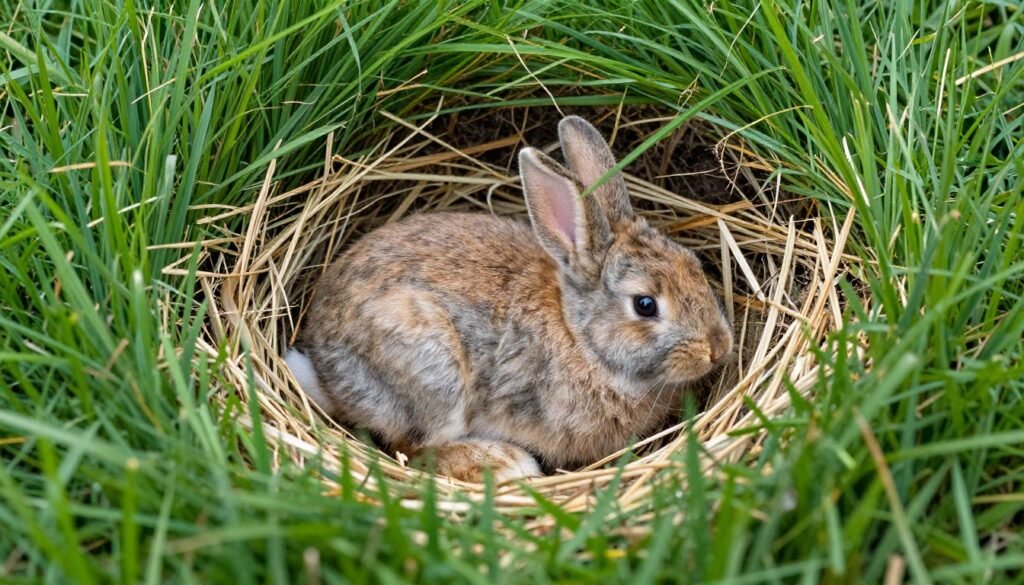
A rabbit nest in yard is usually small and hard to see. It is often made in a shallow hole in the grass. The mother rabbit covers it with dry grass and soft fur. This helps hide the babies from danger. The nest may look like a small patch of dead grass or a spot that seems slightly raised.
You may also notice loose fur or tiny openings in the grass. Sometimes the mother rabbit returns at dawn or dusk to feed the babies. She does not stay near the nest during the day. This can make the nest look empty. If you see these signs, you may have found a rabbit nest in yard.
What Does a Rabbit Nest Look Like?
A rabbit nest in yard looks like a small patch of grass that seems out of place. It is usually a shallow hole in the ground. The mother rabbit covers it with dry grass, leaves, and soft fur. This makes the nest blend in with the yard. It often looks like a little mound or a spot of dead grass.
If you gently look closer, you may see a small opening in the middle. Inside, there may be tiny baby rabbits curled together. They are usually quiet and still. The nest is simple but warm and safe. It is designed to hide the babies from predators and bad weather.
Signs Baby Rabbits Are Inside
A rabbit nest in yard often looks quiet from the outside. The babies stay still and silent most of the day. The mother visits only once or twice to feed them. Because of this, many people think the nest is empty. If you look closely, you may notice small movements or soft sounds from inside the grass.
There are a few simple signs that baby rabbits are inside the nest. You do not need to touch or open it.
Just watch the area from a safe distance and look for these clues:
- A small patch of grass that looks slightly raised or disturbed
- Soft fur mixed with dry grass on top of the nest
- Tiny movements under the grass cover
- The mother rabbit visiting at dawn or dusk
- Small, round droppings near the nest area
Why Rabbits Build Nests in Residential Yards
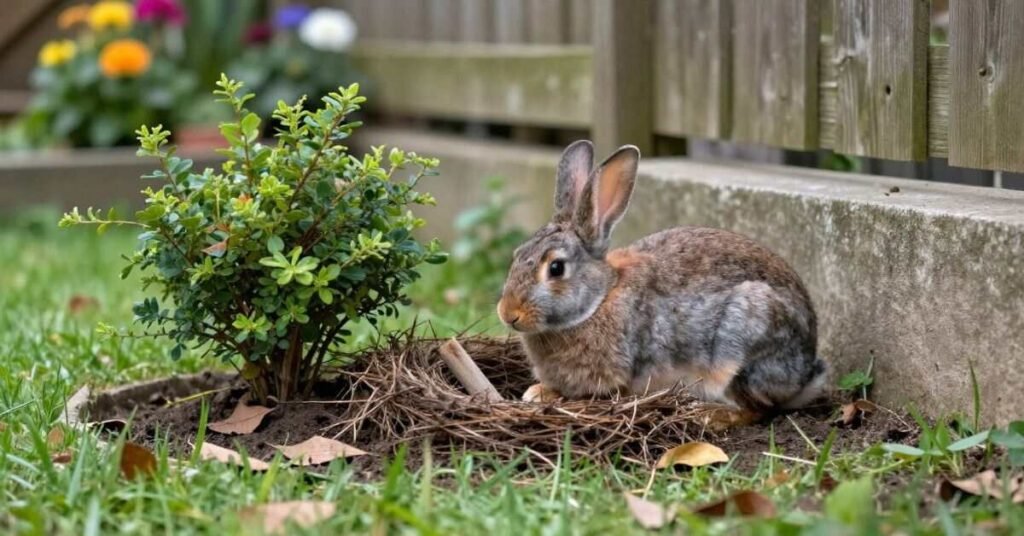
Rabbits often choose yards because they feel safe there. Many yards have soft soil, thick grass, and quiet corners. These spots are perfect for digging a shallow nest. Bushes, flower beds, and fences also give extra cover. This helps protect the babies from predators.
A rabbit nest in yard is usually placed where people do not walk often. The mother looks for calm and hidden areas. She may choose a spot under a bush or in tall grass. Yards also provide easy access to food like grass and plants. This makes them a good place for raising young rabbits.
Why Lawns Are Ideal for Cottontail Rabbits
Lawns are quiet and full of food. Grass is easy for rabbits to eat. The soil is soft and simple to dig. Many lawns also have bushes and flower beds. These spots help hide a nest from danger. That is why a rabbit nest in yard is very common in spring.
Cottontail rabbits feel safer in areas close to homes. There are often fewer wild predators. Yards also provide water, shade, and shelter. The mother rabbit can build a small nest and leave without being noticed. This makes lawns a perfect place to raise baby rabbits.
| Feature of Lawns | Why It Helps Cottontail Rabbits | Benefit for the Nest |
| Soft soil | Easy to dig shallow nests | Quick and simple nest building |
| Thick grass | Provides natural cover | Hides babies from predators |
| Bushes and shrubs | Extra protection | Safe and shaded nesting spot |
| Quiet corners | Less human activity | Reduced stress for mother |
| Nearby plants | Easy food source | Mother can feed and return fast |
| Fences | Block some predators | Extra safety barrier |
| Garden beds | Loose soil and cover | Good hidden nesting area |
| Water sources | Sprinklers or puddles | Keeps area fresh and cool |
| Mild spring weather | Comfortable temperature | Better survival for babies |
| Low wild animal traffic | Fewer threats | Higher chance of safety |
How Long Do Baby Rabbits Stay in the Nest?
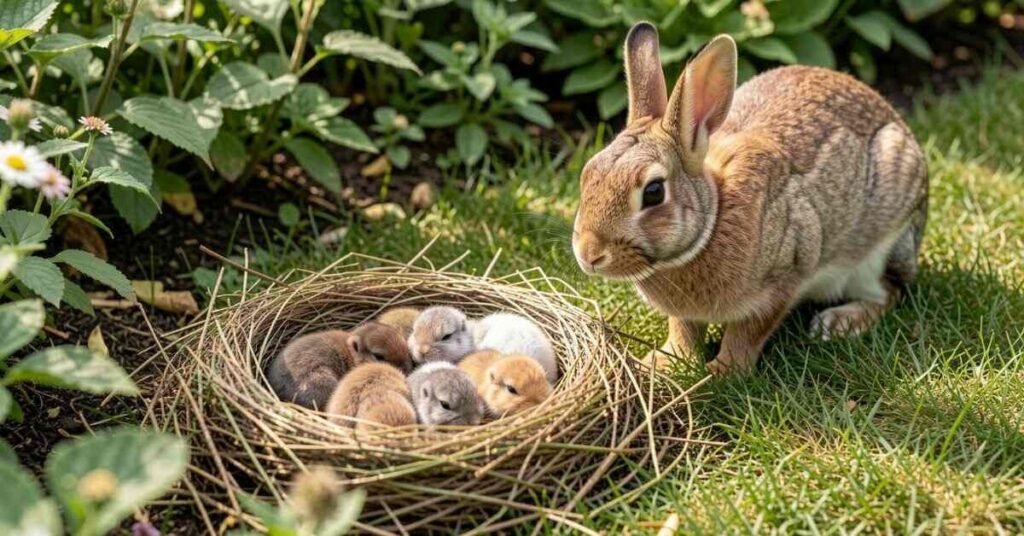
Baby rabbits grow very fast. They usually stay in the nest for about two to three weeks. During this time, the mother visits only once or twice a day to feed them. She does this to avoid drawing attention to the nest. Most of the day, the babies stay quiet and hidden under grass and fur.
As they grow, the babies become more active. Their eyes open, and they start to explore the area around the nest. By the time they are three to four weeks old, they are ready to leave. At this stage, they can eat grass and survive on their own. Even if you still see them nearby, they may no longer need the nest.
Development Timeline of Baby Cottontails
Baby cottontails grow very quickly. They change a lot in just a few weeks. They are tiny and helpless when they are born. Their eyes are closed, and they have no fur. The mother keeps them warm inside the rabbit nest in yard. She visits only to feed them and then leaves to keep them safe.Each week brings new growth and strength.
You can understand their progress with this simple timeline:
- Day 1–3: Born without fur. Eyes closed. Stay hidden and still.
- Day 4–7: Soft fur starts to grow. Bodies become stronger.
- Day 7–10: Eyes begin to open. They move a little more.
- Week 2: Fur is fuller. They start nibbling on grass.
- Week 3–4: Ready to leave the rabbit nest in yard and live on their own.
When the Nest Will Be Empty
A rabbit nest in yard does not stay active for long. Baby rabbits grow very fast. Most of them leave the nest in about two to three weeks. By this time, they have fur, open eyes, and can move around. They start eating grass and exploring nearby areas.
One day, the nest may suddenly look empty. This is normal and part of their growth. The mother does not move them to a new nest. The babies simply leave on their own. If you see small rabbits in your yard, it usually means they no longer need the nest.
Are Rabbit Nests Dangerous to Pets or Children?
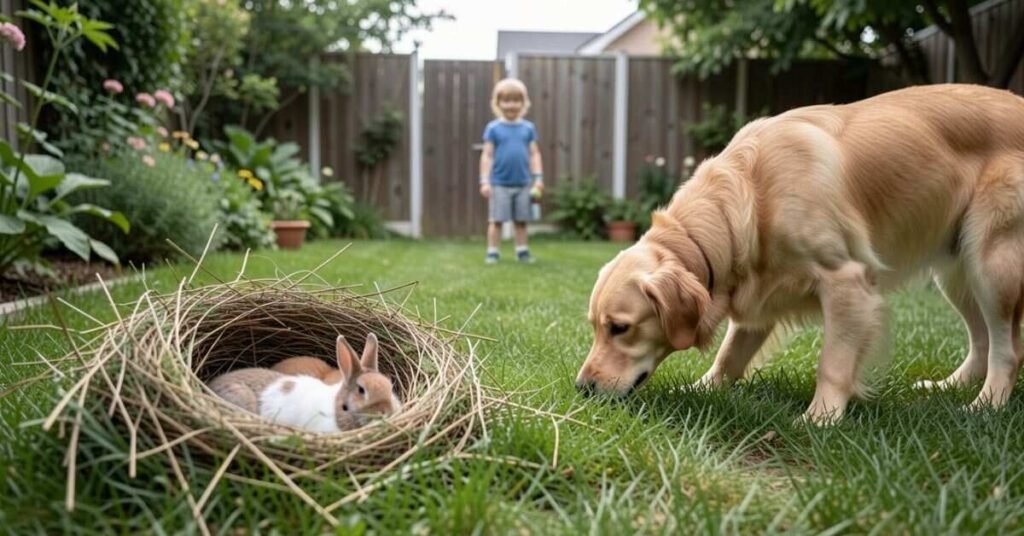
A rabbit nest in yard is usually not dangerous. Baby rabbits are small and shy. They do not bite or attack. Most of the risk comes if pets or children disturb the nest. Curious pets may try to dig or chase the babies. Small children may touch the nest out of curiosity. This can stress the mother and harm the babies.
It is important to watch and protect the nest. You can keep pets and children away until the babies leave. Understanding the risks helps you stay safe while helping the rabbits. Here is a simple guide to possible dangers and safety tips:
| Risk | Who Is Affected | Possible Outcome | Safety Tip |
| Pets digging | Dogs, cats | Babies may be injured or moved | Keep pets away from nest area |
| Pets chasing | Dogs, cats | Mother rabbit may abandon nest | Supervise pets in yard |
| Children touching | Toddlers, kids | Nest may be damaged; babies stressed | Teach children not to touch |
| Lawn mowers | Pets/children nearby | Nest could be destroyed | Check yard before mowing |
| Sprinklers or water | Babies | Wet babies can get cold | Avoid watering near nest |
| Predators | Cats, raccoons | Babies may be eaten | Create safe barriers if possible |
| Chemicals | Fertilizers, pesticides | Babies may be poisoned | Avoid chemicals near nest |
| Loud noises | Pets, children | Mother may avoid nest | Keep area calm |
| Trimming bushes | Pets, children | Nest may be exposed | Trim carefully and slowly |
| Curiosity | Everyone | Stress to rabbits | Observe from a distance |
Disease Risks and Safety Concerns
A rabbit nest in yard is mostly safe, but there are some risks. Wild rabbits can carry germs or parasites. Baby rabbits themselves do not bite, but touching them can spread bacteria. Pets or children who come into contact with the nest may get sick. It is important to observe the nest from a distance and avoid direct contact.
Here are some common risks and safety concerns with rabbit nests:
| Risk | How It Happens | Possible Effect | Safety Tip |
| Salmonella | Handling rabbits or their droppings | Stomach upset, fever | Wash hands thoroughly after contact |
| Parasites | Fleas, ticks, mites from nest or rabbits | Itching, skin irritation, infection | Keep pets away; do not touch nest |
| Giardia | Contact with contaminated soil or droppings | Diarrhea | Avoid letting pets or children near nest |
| Ringworm | Fungal infection from rabbits | Skin rash | Observe nest without touching |
| Allergies | Fur, dander, or droppings | Sneezing, watery eyes | Limit exposure to nest area |
| Scratches | Baby rabbits may try to wiggle | Minor scratches | Never pick up baby rabbits |
| Disease spread to pets | Cats or dogs contact nest | Vomiting, diarrhea | Keep pets away |
| Chemical contamination | Lawn chemicals near nest | Illness in rabbits | Avoid pesticides or fertilizers |
| Stress to mother | Disturbing nest | Mother may abandon babies | Observe quietly from a distance |
| Injuries | Pets digging or children playing | Babies may be harmed | Supervise pets and kids |
How to Prevent Rabbits from Nesting in Your Yard Again
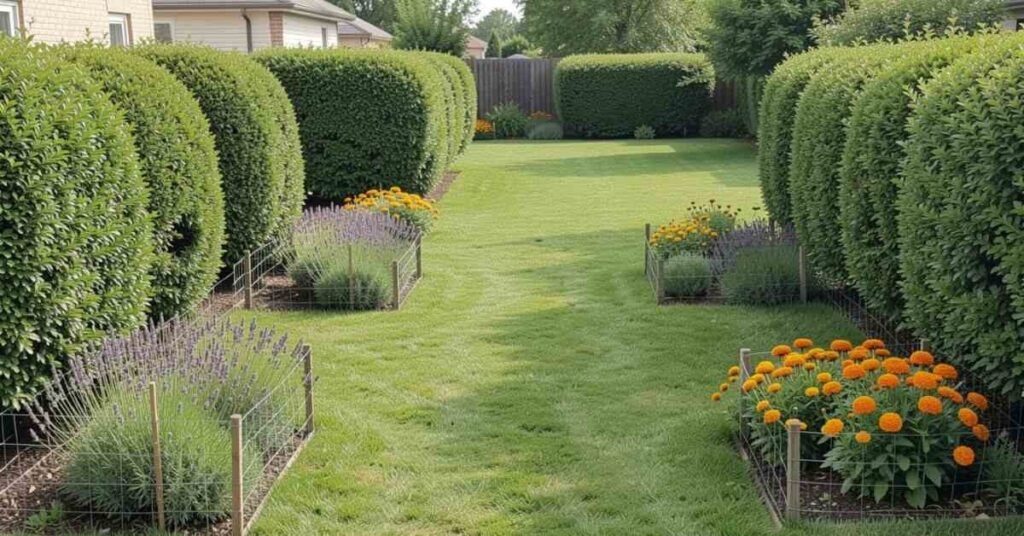
Rabbits may return to your yard if it is quiet and full of cover. You can make your yard less inviting without harming them. Removing thick grass, tall weeds, and brush helps. Clear areas where rabbits can hide and dig. Limiting food sources like fallen fruits or vegetables also helps.
Here are simple ways to prevent a rabbit nest in yard again:
- Keep grass short and trim bushes regularly
- Remove piles of leaves, brush, or garden debris
- Use fences or barriers around gardens and flower beds
- Cover exposed soil with mulch or rocks
- Avoid leaving pet food or fallen fruits outside
- Plant rabbit-resistant plants like lavender or marigolds
- Supervise pets to discourage digging in the yard
Yard Maintenance and Landscaping Tips
Good yard maintenance can help prevent rabbits from nesting. Keeping your lawn clean and trimmed reduces hiding spots. Remove weeds, tall grass, and piles of debris. Proper landscaping makes it harder for rabbits to build a nest in yard.
Here are useful tips for a rabbit-free yard:
| Tip | How It Helps | Action Steps |
| Keep grass short | Reduces cover for rabbits | Mow regularly and maintain even height |
| Trim bushes and shrubs | Limits hiding spots | Prune thick bushes and overgrown areas |
| Remove debris | Eliminates safe nesting areas | Clear leaves, branches, and compost piles |
| Plant rabbit-resistant plants | Deters rabbits naturally | Use lavender, marigolds, or daffodils |
| Use garden barriers | Prevents access to sensitive areas | Install low fences or mesh around flower beds |
| Cover exposed soil | Makes digging difficult | Use mulch, gravel, or decorative rocks |
| Clean up fallen food | Reduces attraction | Pick up fruits, vegetables, or pet food |
| Regular inspections | Spot early signs of nests | Walk yard weekly to check for disturbances |
| Limit shady corners | Reduces quiet hiding places | Keep open areas sunlit and clear |
| Pet supervision | Discourages digging | Monitor dogs or cats when outside |
Humane Rabbit Deterrent Methods
You can keep rabbits away without harming them. Gentle methods work best to protect your yard and the rabbits. Motion-activated sprinklers can scare them without danger. Planting rabbit-resistant flowers and herbs also helps. These plants are safe but not tasty to rabbits.
Other humane methods include fences and barriers. Low mesh fences around gardens stop rabbits from entering. You can also use natural repellents like garlic or citrus peels. Changing the yard layout by removing hiding spots makes it less attractive. These methods keep rabbits away safely and kindly.
Conclusion
Finding a rabbit nest in yard can be surprising, but it is completely normal. Mother rabbits choose safe spots to care for their babies. The nests are small, hidden, and usually harmless. With a little care, they can stay safe while you enjoy your yard.
It is best to observe the nest quietly. Do not touch the babies or move the nest. Disturbing it can scare the mother away. Let the little rabbits grow and leave on their own when ready.
You can also make your yard less attractive for future nests. Keep grass short, trim overgrown bushes, and remove piles of leaves or debris. Fences, barriers, and gentle repellents help without hurting the rabbits.
Rabbits are gentle creatures that live alongside nature. By giving them space and taking small precautions, you can protect both your garden and the rabbits. Patience and care are all it takes to keep everyone safe.
FAQs
1. How can I tell if there is a rabbit nest in my yard?
A rabbit nest in yard is usually small and hidden in grass or under bushes. Look for patches of raised grass, soft fur, or tiny openings. You may also notice the mother rabbit visiting at dawn or dusk.
2. Is it safe to touch a rabbit nest in yard?
No, it is best not to touch the nest. Handling the babies or moving the nest can stress the mother. Observing from a distance is the safest way to protect them.
3. How long do baby rabbits stay in the nest?
Baby rabbits usually stay in the nest for 2–3 weeks. During this time, they grow fur, open their eyes, and start moving around. After that, they leave the nest and explore nearby areas.
4. Can rabbit nests be dangerous for pets or children?
Rabbit nests are generally harmless. The main risk comes from pets or children disturbing the nest. Keep pets and kids away to prevent stress or injury to the babies.
5. How can I prevent rabbits from nesting in my yard again?
Keep grass trimmed, remove debris, and prune thick bushes. Use fences or barriers around gardens and plant rabbit-resistant flowers. Motion-activated sprinklers and natural repellents also help keep rabbits away safely.
