

Introduction
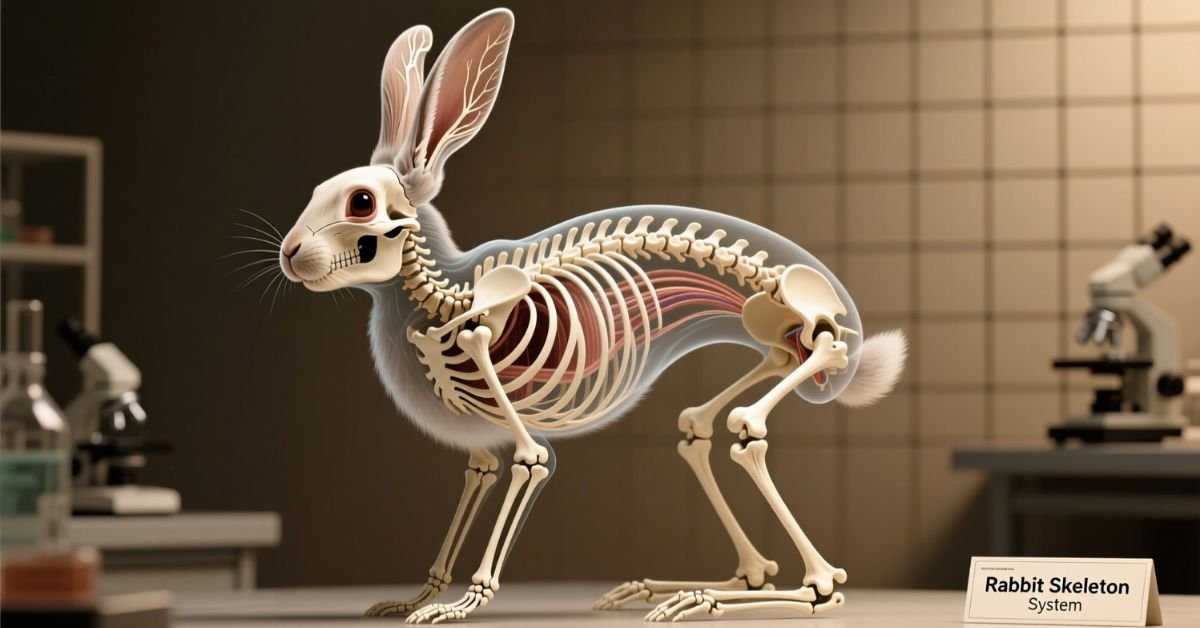
The rabbit skeleton system is the strong internal framework that gives shape and support to a rabbit’s body. It protects vital organs and allows smooth movement. A rabbit depends on its skeleton for balance, jumping, running, and sitting properly. Without a healthy skeleton system, a rabbit cannot live an active or comfortable life.
The rabbit skeleton system is lightweight but very strong. This design helps rabbits move quickly and escape danger. Their bones work closely with muscles and joints. Together, they support daily actions like hopping, digging, and grooming. A healthy skeleton system also supports growth and long-term well-being.
Rabbits have delicate bones compared to other animals. This makes proper care very important. Even small injuries can cause serious bone problems. Understanding the rabbit skeleton system helps owners prevent injuries and keep their pets safe and healthy.
Basic Structure and Purpose
The basic structure of the rabbit skeleton system includes bones, joints, and connective tissues. Each part has a clear role. Bones give shape and strength. Joints allow movement. Ligaments hold everything together.
The main purpose of the skeleton system is support and protection. It protects the brain, heart, and lungs. It also supports the rabbit’s weight while standing or moving. The skeleton system helps rabbits move fast and jump high.
Another key purpose is balance. Rabbits use their skeleton to stay stable while hopping or turning quickly. The skeleton system also helps with posture. A strong structure allows rabbits to sit and rest without pain or stress.
Main Parts of the Rabbit Skeleton
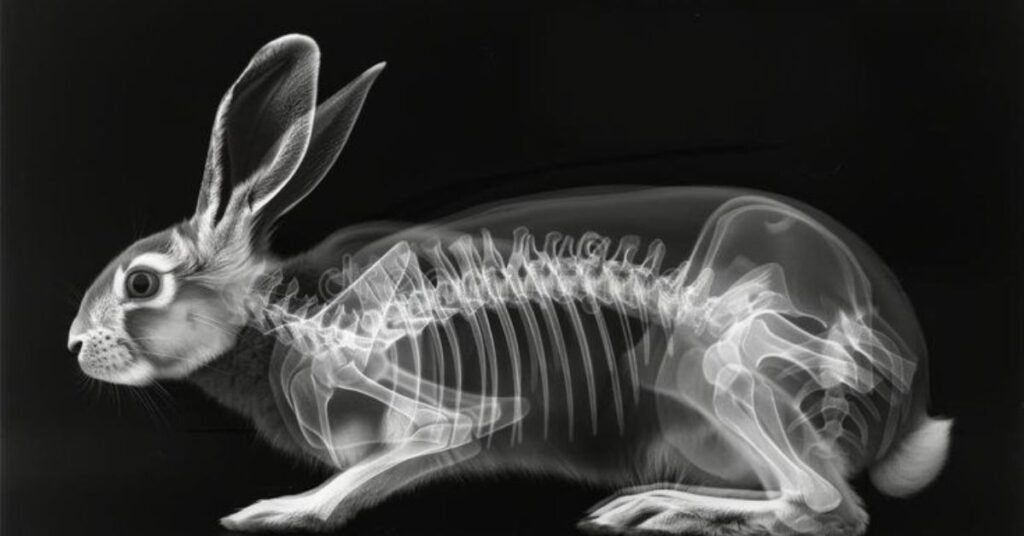
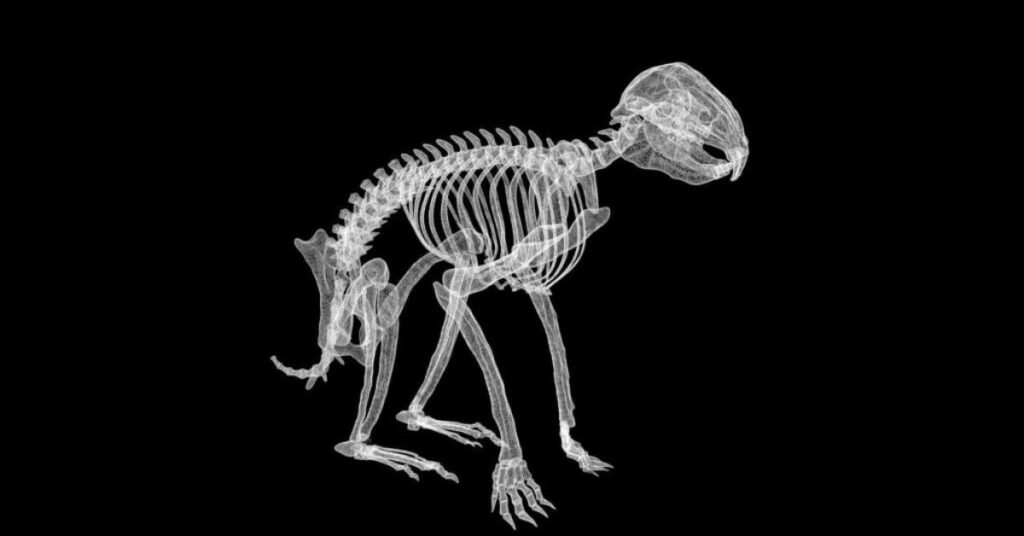
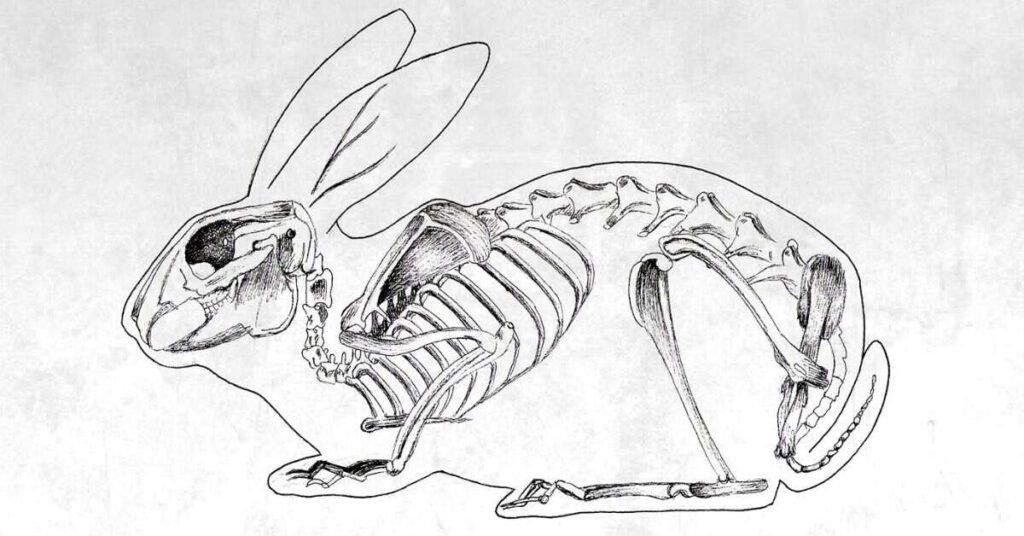
The rabbit skeleton system has several main parts that work together. These include the skull, spine, ribs, pelvis, and limb bones.Each part plays a specific role in protecting and moving the body.
The skeleton is divided into two main sections. Legs and pelvis are part of the appendicular skeleton. Both sections are important for daily life.
Rabbits rely heavily on their hind limbs. These limbs are longer and stronger than the front limbs. This design allows powerful jumping and fast movement. The skeleton system supports this natural behavior.
Skull and Spine Structure
The skull is a vital part of the rabbit skeleton system. It protects the brain and supports the teeth. Rabbit teeth grow continuously, so the skull must stay strong and balanced. Any damage can affect eating and health.
The spine runs from the skull to the tail.Protects the spinal cord and supports the body.The spine allows bending and twisting while hopping. It also absorbs shock during jumps.
Below is a simple table showing key skeleton parts and their roles:
| Skeleton Part | Function |
| Skull | Protects brain and supports teeth |
| Spine | Supports body and protects nerves |
| Rib cage | Protects heart and lungs |
| Pelvis | Supports hind legs |
| Limb bones | Enable movement and jumping |
How the Rabbit Skeleton Supports Movement
Movement is one of the most important roles of the rabbit skeleton system. Rabbits are natural jumpers and runners. Their skeleton allows fast and smooth motion. The lightweight bone structure reduces effort during movement.
The hind legs provide most of the power. Strong bones in the back legs push the body forward. The front legs help with balance and landing. The spine adds flexibility and strength.
The skeleton system also helps rabbits change direction quickly. This skill is important in the wild and still useful for pet rabbits. Healthy bones allow confident movement without pain or fear.
Role of Bones and Joints
Bones and joints work together in the rabbit skeleton system. Bones provide strength. Joints connect bones and allow movement. Flexible joints help rabbits hop, stretch, and turn easily.
Rabbit joints must stay healthy to prevent stiffness. Proper movement keeps joints active. Lack of exercise can weaken joints over time. Gentle activity supports joint health and bone strength.
Cartilage cushions joints and reduces friction. This helps prevent pain during movement. A balanced diet and safe environment protect bones and joints from damage.
Common Rabbit Skeleton Problems
Problems in the rabbit skeleton system can affect quality of life. Rabbits have fragile bones. Injuries can happen easily if handled incorrectly. Falls and sudden movements are common causes.
Bone weakness can develop from poor diet. Lack of calcium and vitamin D affects bone strength. Over time, this leads to thin or weak bones. Dental issues also link to skeleton problems.
Early care can prevent serious damage. Understanding common skeleton problems helps owners act quickly and protect their rabbits.
Injuries, Weak Bones, and Causes
Injuries are a major concern in the rabbit skeleton system. Fractures often happen in the spine or legs. Sudden kicking while being held can cause serious damage.
Weak bones often come from poor nutrition. A diet low in hay affects calcium balance. Lack of sunlight also reduces vitamin D levels. Both are important for bone health.
Other causes include obesity and lack of exercise. Extra weight puts stress on bones. Limited movement weakens the skeleton over time. Safe handling and proper diet reduce these risks.
Signs of Skeleton Issues in Rabbits
Early signs of rabbit skeleton system problems can be subtle. Rabbits hide pain well. Owners must observe behavior closely. Changes in movement often signal bone issues.
A rabbit may move less or avoid jumping. It may sit in unusual positions. Limping or stiffness is also common. These signs should never be ignored.
Behavior changes often appear before visible injuries. Early action improves recovery and reduces suffering.
How to Recognize Bone Problems Early
Recognizing early bone problems in the rabbit skeleton system requires attention. Watch how your rabbit moves each day. Normal movement should be smooth and confident.
Changes in posture are important signs. A rabbit that stays hunched or avoids activity may feel pain. Reduced appetite can also relate to bone discomfort.
Below is a helpful table for early signs:
| Sign | Possible Meaning |
| Limping | Bone or joint injury |
| Reduced jumping | Weak bones or pain |
| Hunched posture | Spine discomfort |
| Low activity | Joint or bone issues |
| Teeth grinding | Pain or stress |
Keeping a Rabbit’s Skeleton Healthy
A healthy rabbit skeleton system depends on daily care. Diet, exercise, and environment all play a role. Small habits can prevent serious problems.
Hay is essential for bone health. It supports digestion and calcium balance. Fresh water keeps joints lubricated. Safe movement strengthens bones naturally.
Regular handling should be gentle. Supporting the spine during lifting prevents injury. A calm environment reduces stress and sudden movements.
Daily Care and Injury Prevention Tips
Daily care protects the rabbit skeleton system from damage. Safe housing reduces fall risks. Soft flooring helps prevent joint stress. Exercise areas should be secure.
Handling technique matters greatly. Always support the hind legs. Never let a rabbit kick freely. Calm handling prevents spinal injuries.
Below are helpful care practices:
- Provide unlimited hay daily
- Allow safe daily movement
- Use non-slip flooring
- Handle gently and support the body
- Maintain a balanced diet
Conclusion
The rabbit skeleton system plays a vital role in a rabbit’s daily life. It supports movement, balance, and protection. Healthy bones allow rabbits to live active and comfortable lives.
Proper care makes a big difference. A good diet, safe handling, and regular observation protect the skeleton system. With the right care, rabbits can enjoy strong bones and long-term health.
FAQs
What is the main function of the rabbit skeleton system?
The rabbit skeleton system supports the body, protects organs, and allows movement.
Are rabbit bones fragile?
Yes, rabbit bones are light and fragile, so careful handling is very important.
Can diet affect rabbit bone health?
Yes, a poor diet can weaken bones and cause skeleton problems.
How can I protect my rabbit’s spine?
Support the body during handling and prevent sudden falls.
When should I see a vet for bone issues?
Visit a vet if you notice limping, pain, or reduced movement.
