


Introduction
A rabbit tail is a small, fluffy part at the back of a rabbit’s body. It is usually round and soft. Most people call it a “cotton tail” because it looks like a white ball of cotton. The tail may be small, but it plays an important role in a rabbit’s life.
Have you ever seen a rabbit run away and noticed its tail flash? That little tail can send signals to other rabbits. It can show fear, warn others, or help with balance. Many people think it is just cute, but there is more to it than meets the eye.
In this guide, you will learn simple facts about the rabbit tail. You will understand its purpose, behavior, and care. This will help you know your rabbit better and keep it happy and healthy.
What Is a Rabbit Tail?
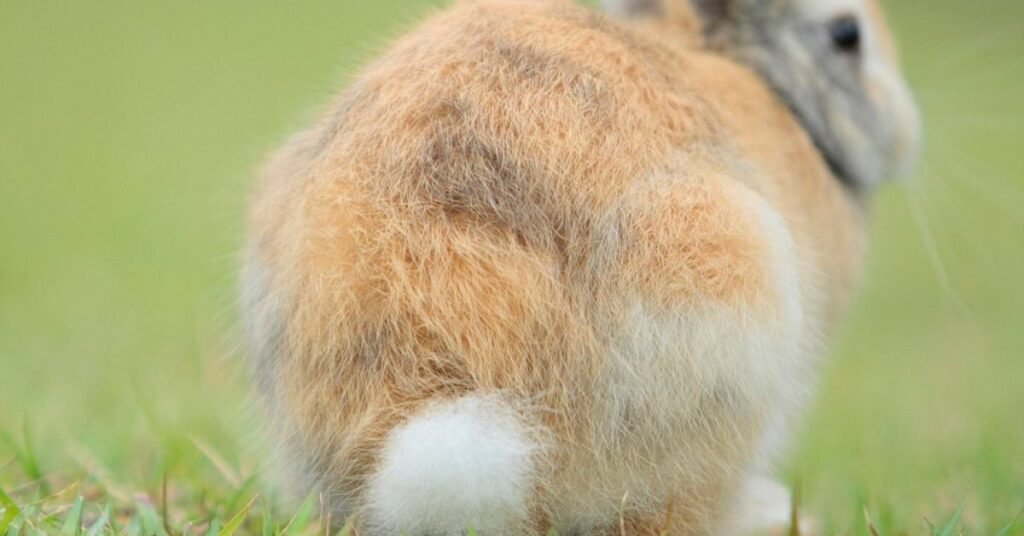
A is a small, round, and fluffy body part at the back of a rabbit. It is often white and looks like a soft cotton ball. Because of this, many people call rabbits “cottontails.” The tail is short, but it is still very useful for the rabbit.
The rabbit tail is not just for looks. It helps rabbits communicate with each other. When a rabbit runs, the white tail can act as a signal to warn others of danger. It can also help with balance when the rabbit moves quickly. Even though it is tiny, the rabbit tail has an important role in a rabbit’s daily life.
Why Rabbits Have Short Tails
Rabbits have short tails because it helps them stay safe in the wild. A small tail is harder for predators to grab. It also helps rabbits move fast and hide easily in grass or bushes. Rabbit long tail could slow them down or get caught while running.
A short tail is also useful for quick signals and balance. When a rabbit runs, its white tail can flash to warn others. It can also help with direction when turning quickly. Some key reasons include:
- Helps rabbits escape from predators
- Makes it easier to hide in nature
- Supports fast and quick movement
- Gives warning signals to other rabbits
- Helps with balance while running
What Is a Rabbit’s Tail Called?
A rabbit’s tail is commonly called a “cotton tail.” This name comes from its soft, fluffy look. The tail often appears white and round, just like a small ball of cotton. Many wild rabbits are even known as cottontail rabbits because of this feature.
The name “cotton tail” is not a scientific term, but it is widely used in everyday language. It helps people describe the rabbit’s cute and unique tail easily. Even though the name sounds simple, it clearly matches how the tail looks and feels.
Rabbit Tail Anatomy and Function
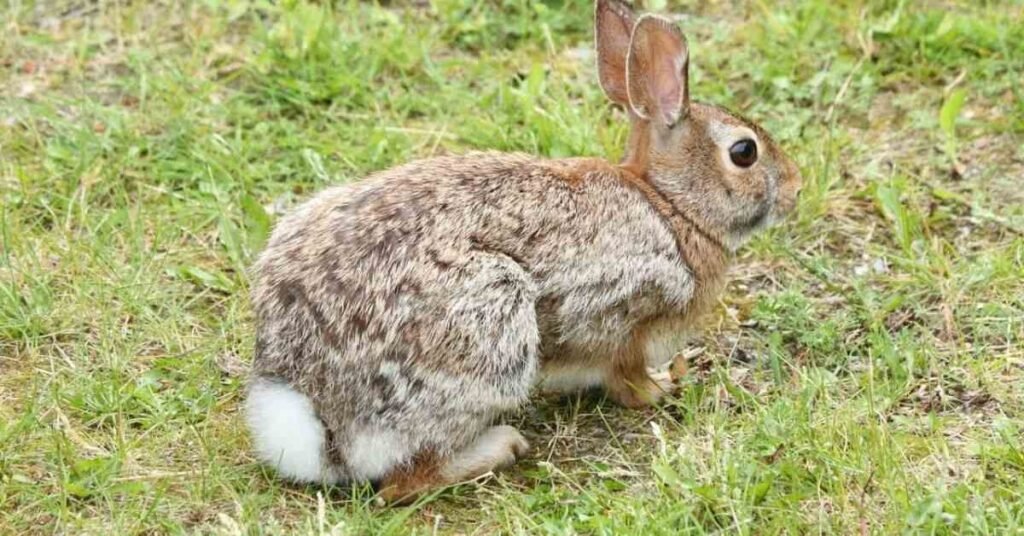
A rabbit tail is small but has a clear structure. It has bones, muscles, skin, and soft fur. The bones are part of the spine and are called vertebrae. Muscles help the tail move slightly. Its thick fur keeps it warm and protected. Although it looks simple, the tail has a useful design.
This small feature serves many purposes. It sends signals to other rabbits, especially during danger. The white underside can flash when the rabbit runs.This warns others to escape. The tail also helps with balance during fast movement. It may be small, but it supports the rabbit’s safety and daily life.
| Part of Rabbit Tail | Description | Function |
| Bones (Vertebrae) | Small bones at the end of the spine | Give structure and support |
| Muscles | Soft tissues around the bones | Help slight movement of the tail |
| Skin | Covers the tail | Protects inner parts |
| Fur | Thick and fluffy hair | Keeps the tail warm and safe |
| Nerves | Tiny nerve endings | Help the rabbit feel touch |
| Blood Vessels | Small tubes carrying blood | Provide nutrients and oxygen |
| White Underside | Lighter colored fur below | Acts as a warning signal |
| Tail Base | Area where tail connects to body | Supports movement and control |
How Rabbits Use Their Tails for Communication
Rabbits use their tails to send simple signals. A raised tail can show fear or alertness. When a rabbit runs, its white tail may flash. This can warn other rabbits about danger nearby. The tail works like a quick visual signal.
It also shows how a rabbit feels.It can change position based on mood. Other rabbits can understand these small signs. Some common tail signals include:
- A raised tail often means the rabbit feels scared or alert.
- Flashing the tail while running acts as a warning of danger.
- A relaxed, lowered tail shows the rabbit feels calm.
- Slight twitching can signal nervousness or unease.
- Keeping the tail close to the body usually means the rabbit feels safe and relaxed.
Different Types of Rabbit Tails by Breed
Rabbit tails may look similar, but they can vary by breed. Most rabbits have short and fluffy tails. Some are round and thick, while others are a bit thinner. The size, shape, and fur can change depending on the breed. These small differences make each rabbit unique.
Some rabbit breeds have more noticeable tail features. The tail may look fuller or softer in some breeds. In others, it may be less fluffy but still useful. Here are a few simple examples:
- Angora rabbits → Very fluffy tails with long, soft fur
- Rex rabbits → Short, velvety fur with a neat-looking tail
- Lionhead rabbits → Fluffy tails that match their thick mane
- Dutch rabbits → Small tails with clear color patterns
- Wild rabbits → Short tails with a white underside for warning signals
Wild Rabbits vs Domestic Rabbits
Wild and domestic rabbits both have short tails, but they use them differently.
In the wild, rabbits rely on their tails more for survival Their tails often have a bright white underside. This helps warn other rabbits when danger is near. Domestic rabbits do not face many predators, so their tails are used less for warning.
Domestic rabbits usually have softer and cleaner tails. Their tails can look fluffier because of selective breeding. Wild rabbits have tails that are more practical and less fluffy. Both types still use their tails for balance and small signals. The main difference is how often and why they use them.
| Feature | Wild Rabbits | Domestic Rabbits |
| Tail Purpose | Survival and warning signals | Basic communication and balance |
| Tail Color | Often brown with white underside | Varies by breed and color |
| Tail Size | Small and compact | Small but may look fluffier |
| Tail Fur | Short and practical | Soft and sometimes thicker |
| Use in Danger | Frequently used to warn others | Rarely used for warning |
| Living Environment | Forests, fields, and wild areas | Homes, cages, and safe spaces |
| Movement Use | Helps in fast escape and turning | Helps in normal movement |
| Visibility | More visible during running | Less used for signaling |
Breeds With Unique Tail Features
Some rabbit breeds have tails that look a little different. The shape is still short and round, but the fur can change. In some breeds, the tail is very fluffy and soft. In others, it looks neat and smooth. These small differences make each rabbit breed special.
For example, Angora rabbits have very fluffy tails with long fur. Rex rabbits have short and velvety tails that feel smooth. Lionhead rabbits have tails that match their thick and fluffy coat. Even though the tail size stays small, the texture and look can vary a lot between breeds.
Common Rabbit Tail Health Problems
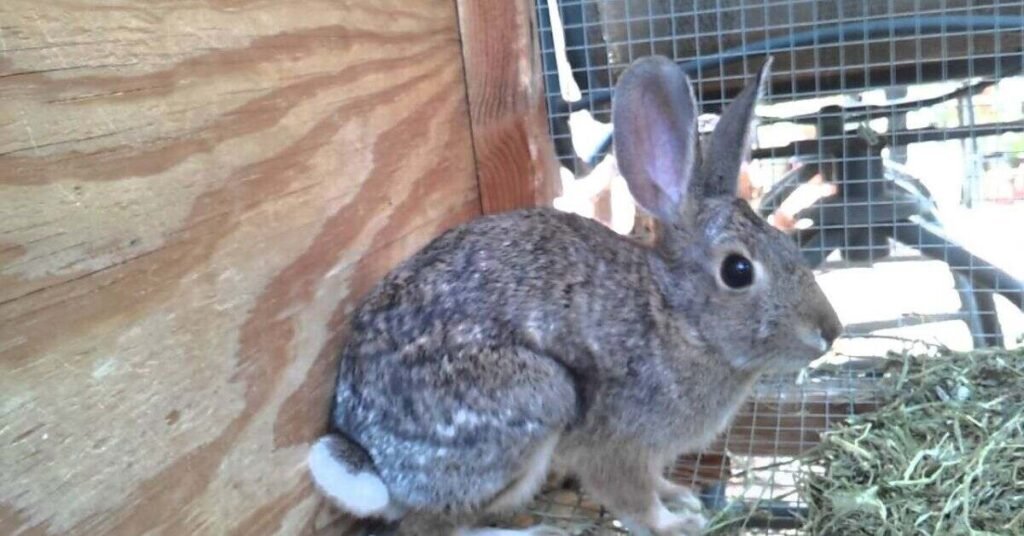
A rabbit’s tail is usually healthy, but problems can happen. Dirt, wetness, or poor hygiene can cause issues. Infections and sores may appear if the area is not clean. Rabbits may also develop flystrike, a serious condition caused by flies laying eggs on dirty tails.
Some common rabbit tail health problems include:
- Sores or cuts → Can become infected if untreated
- Flystrike → Caused by flies and dirty fur
- Fur matting → Fur sticks together and traps dirt
- Swelling → May indicate infection or injury
- Pain or sensitivity → Rabbit may avoid touching or cleaning the tail
Injuries and Broken Tails
Rabbits can hurt their tails if they fall or get caught in something. A tail injury may cause pain, swelling, or bleeding. Sometimes, the tail bone can break. Broken tails need quick attention to prevent infection and help the rabbit heal.
It is important to watch for signs of injury. Some common injuries include cuts, bruises, or fractures. Treatment may include cleaning, bandaging, or visiting a vet. The table below shows details of common tail injuries and care:
| Type of Injury | Signs | Possible Cause | Treatment |
| Cut or Scratch | Bleeding, redness, pain | Sharp objects, fights with other rabbits | Clean wound, apply antiseptic, monitor for infection |
| Bruise | Swelling, tenderness, slight discoloration | Falling, bumping tail | Rest, cold compress if safe, monitor healing |
| Broken Tail (Fracture) | Severe pain, tail hanging awkwardly, swelling | Accidents, improper handling | Visit a vet, possible splinting or surgery |
| Fur Matting Injury | Clumped fur, trapped dirt, skin irritation | Lack of grooming, long fur | Carefully trim/mat removal, clean area, regular grooming |
| Infection | Redness, pus, bad smell, sensitivity | Untreated wounds or dirty tail | Vet treatment, antibiotics, cleaning, prevent flystrike |
Parasites and Fur Loss Around the Tail
Rabbits can get parasites around their tails. Fleas, mites, and ticks are common problems. These parasites bite or irritate the skin. Rabbits may scratch or bite the area, causing fur loss. Fur loss can also lead to infections if not treated quickly.
Regular checks and cleaning can help prevent these issues. Some signs of parasites or fur loss include itching, redness, and small scabs. The table below shows common causes, signs, and treatments for tail parasites and fur loss:
| Problem | Signs | Possible Cause | Treatment |
| Fleas | Itching, small dark spots in fur | Infestation from environment or other pets | Flea treatment safe for rabbits, clean bedding |
| Mites | Redness, scabs, hair thinning | Skin parasite, often ear or tail area | Vet-prescribed anti-parasitic medication |
| Ticks | Visible small ticks, irritation, redness | Outdoor exposure | Carefully remove ticks, use safe anti-tick treatment |
| Fur Loss | Bald patches, broken fur, irritated skin | Parasites, over-grooming, stress | Treat underlying cause, clean area, monitor healing |
| Skin Infection | Red, swollen, sometimes pus | Untreated parasite bites or injuries | Vet visit, antibiotics, topical care |
How to Care for Your Rabbit’s Tail
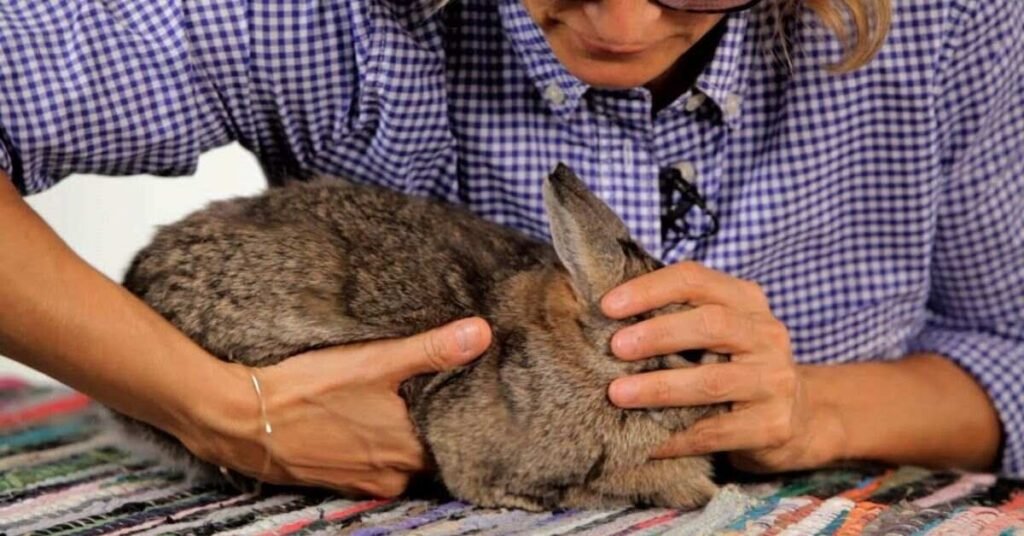
Caring for a rabbit’s tail is simple but important. Keep the tail clean and dry. Check it often for dirt, mats, or signs of injury. Regular brushing can prevent fur matting, especially in long-haired breeds.
Also, watch for parasites and infections. Trim fur around the tail if needed to avoid trapping dirt. Handle your rabbit gently to prevent injuries. Clean the living area regularly to keep the tail healthy and safe.
Grooming Tips for a Healthy Tail
Grooming your rabbit’s tail helps keep it clean and healthy. Regular brushing removes loose fur and prevents mats. Check the tail for dirt, parasites, or injuries while grooming. This also helps you notice any problems early.
Some simple grooming tips include:
- Brush the tail gently every few days, especially in long-haired breeds
- Remove any mats or tangled fur carefully with your fingers or a soft comb
- Wipe the tail with a damp cloth if it gets dirty
- Check for redness, swelling, or signs of parasites
- Keep the rabbit’s living area clean to prevent dirt and infections
Conclusion
A rabbit’s tail may be small, but it is very important. It helps with balance, communication, and even warning other rabbits of danger. Many people only see it as cute, but it has real uses in a rabbit’s life.
Different breeds may have tails that look a little different. Some tails are fluffy, some are smooth, and some match a rabbit’s thick coat. Even with these differences, the tail’s function stays the same. It is still used for signals, balance, and protection.
Tail health is important for every rabbit. Problems like injuries, parasites, or fur loss can affect their comfort. Regular checks, grooming, and a clean living space can prevent most issues. Taking care of the tail helps the rabbit stay happy and safe.
Understanding a rabbit’s tail also helps owners bond with their pets. By learning its signals and functions, you can notice when your rabbit is scared, relaxed, or alert. A healthy tail shows a healthy rabbit, so always pay attention to this small but important part of your pet.
FAQs
1. What is a rabbit tail called?
A rabbit tail is often called a “cotton tail” because it looks soft and round like cotton. This name is not scientific but is widely used. It is usually short and fluffy.
2. Why do rabbits have short tails?
Rabbits have short tails to help them stay safe. A small tail is harder for predators to grab. It also helps with balance and sends signals to other rabbits.
3. How do rabbits use their tails to communicate?
Rabbits use their tails to show mood or warn others. A raised tail shows fear or alertness. Flashing a white tail while running warns other rabbits of danger.
4. Can rabbit tails get sick or injured?
Yes, rabbits can have injuries, infections, or parasites around their tails. Cuts, broken tails, flystrike, or fur loss are common problems. Regular checks and grooming help prevent these issues.
5. How do I care for my rabbit’s tail?
Keep the tail clean and dry, and check it often. Brush away loose fur, remove mats, and monitor for injuries or parasites. A clean living area also keeps the tail healthy and safe.
