

Introduction
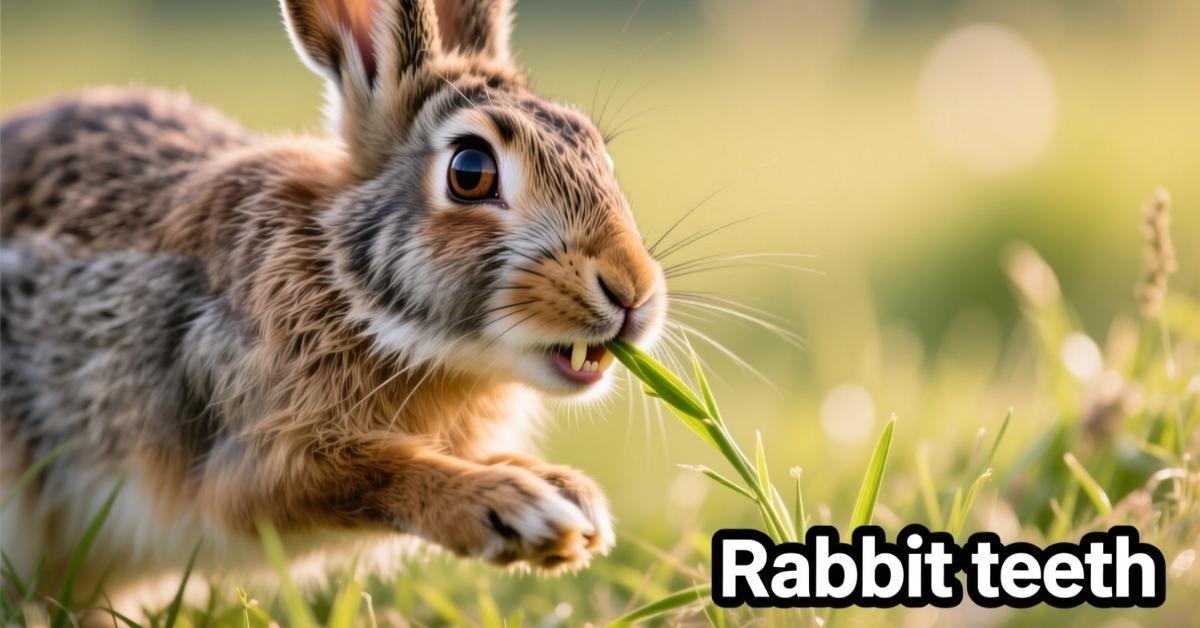
Rabbit teeth are unique and very important for their overall health. Unlike human teeth, a rabbit’s teeth grow continuously throughout their life. They need proper care to prevent problems like overgrowth, misalignment, or pain. Healthy teeth are essential for eating, chewing, and staying active.
Many rabbit owners don’t realize how easily dental issues can develop. A small problem with their teeth can lead to serious health issues if ignored. Learning how to care for your rabbit’s teeth early can save your pet from discomfort and costly vet visits.
This guide will explain everything you need to know about rabbit teeth. You will learn about common dental problems, daily care routines, diet tips, and how to recognize warning signs. All information is written in simple words to help you keep your rabbit’s smile healthy and strong.
Rabbit Teeth Overview
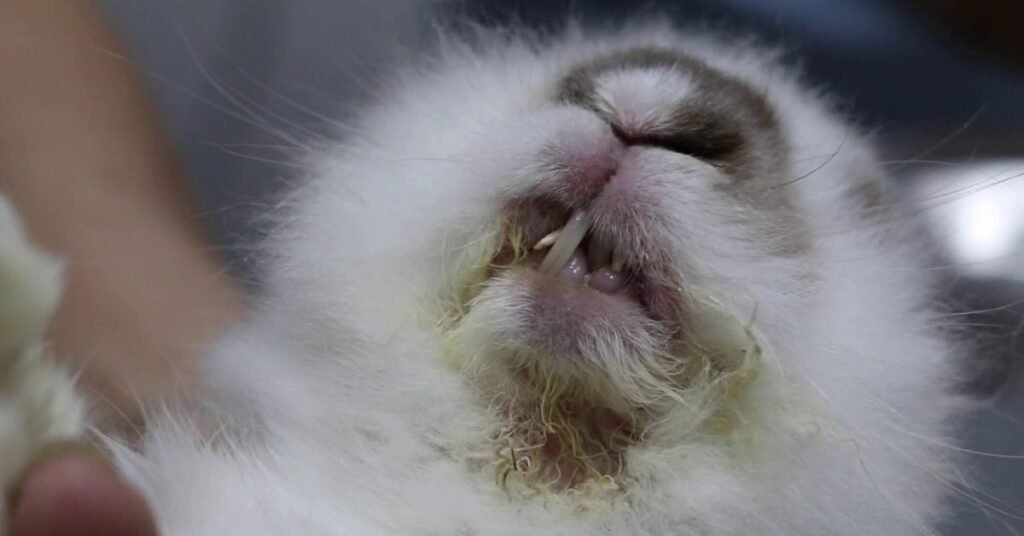
Rabbits have a very specialized dental system that requires constant care. Their teeth grow continuously, which is a natural adaptation for grazing animals. Proper dental health is essential for eating, digestion, and overall well-being. Problems with teeth can lead to pain, poor appetite, weight loss, and even digestive issues.
In the wild, rabbits chew on grasses, twigs, and bark to wear their teeth down naturally. Domesticated rabbits need the same type of chewing activity to maintain healthy teeth. A diet high in fiber, combined with safe chew toys, helps prevent overgrowth and keeps the mouth in good shape.
Structure and Types of Teeth
Rabbits have two main types of teeth: incisors at the front and molars at the back. Incisors are used for cutting food, while molars grind fibrous materials for digestion. Some rabbits also have “peg teeth,” small secondary incisors behind the top front teeth, which help with gnawing.
Key features of their dental structure include:
- Continuous growth of all teeth throughout life
- Hard enamel on the front surface of incisors
- Molars with flat surfaces designed for grinding
Table – Rabbit Teeth Structure:
| Tooth Type | Location | Function | Notes |
| Incisors | Front of mouth | Cutting and gnawing | Includes peg teeth behind top incisors |
| Molars | Back of mouth | Grinding fibrous foods | Grow continuously and need wear |
| Premolars | Between incisors & molars | Grinding support | Aligns with molars for effective chewing |
Why Teeth Grow Continuously
Continuous growth is crucial because rabbits’ natural diet is abrasive. Eating fibrous foods like hay naturally wears down teeth. If rabbits lack this wear, teeth may grow too long, curve, or develop sharp edges that can injure the tongue, cheeks, or jaw.
Misalignment, trauma, or insufficient chewing can cause uneven wear. Providing fibrous food and appropriate chew toys helps maintain proper alignment and prevents painful dental problems.
Common Dental Problems in Rabbits
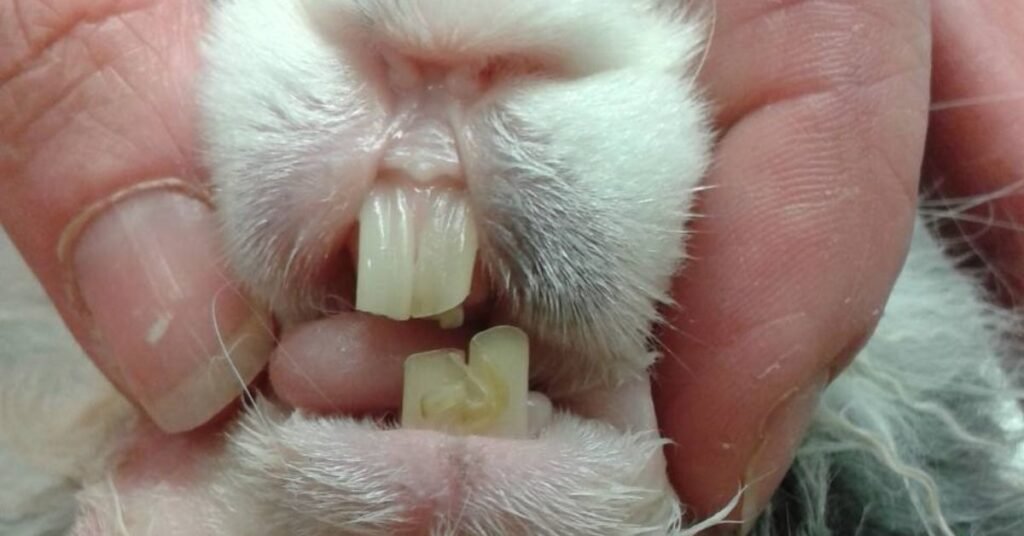
Dental problems are very common in rabbits and can affect their health quickly. Overgrown teeth, misaligned teeth, and sharp edges can make eating difficult and painful. If not treated, these issues can lead to weight loss, drooling, and even infections. Owners need to watch their rabbits closely for signs of discomfort or changes in eating habits.
Some rabbits develop root problems or abscesses when teeth grow unevenly. Molars can become sharp and injure the mouth or tongue. Behavioral changes like pawing at the face, avoiding food, or grinding teeth loudly are often the first signs. Early detection and care can prevent serious problems and keep rabbits healthy and happy.
Overgrown Teeth and Root Issues
When teeth grow excessively, rabbits may struggle to pick up food or chew correctly. Sharp edges can injure the tongue and cheeks, while overgrown roots can lead to abscesses.
Common signs of overgrown teeth include:
- Drooling or wet fur around the mouth
- Decreased appetite and weight loss
- Difficulty chewing or dropping food
- Swelling around the jaw
Signs of Dental Trouble
Behavioral changes often indicate dental problems before visible damage appears. Owners should look for subtle signs:
- Avoiding hard foods or chewing differently
- Pawing at the face or mouth
- Grinding teeth loudly due to pain
- Changes in droppings, indicating digestive issues
Early detection is crucial to prevent long-term problems.
Causes of Dental Issues
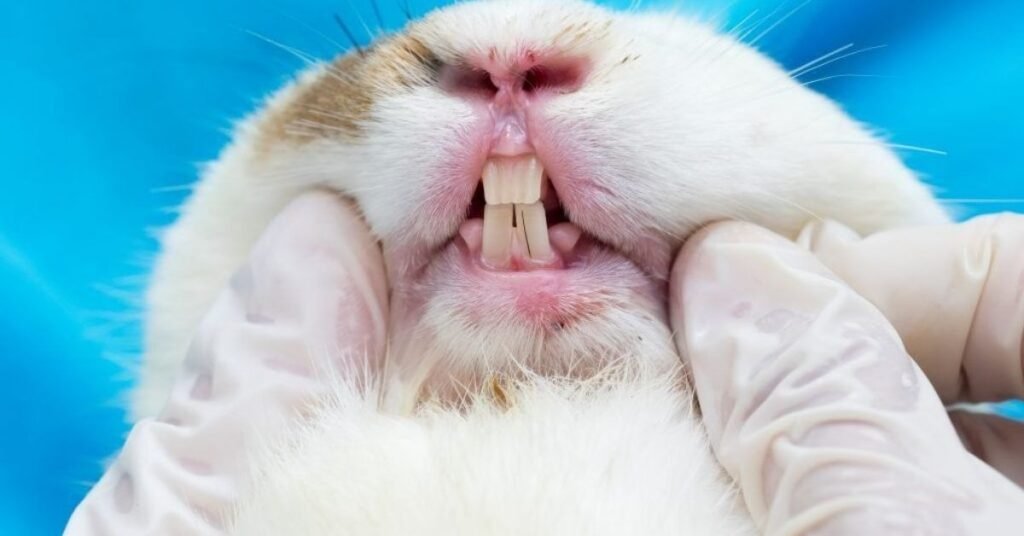
Dental issues in rabbits can happen for several reasons. A diet low in fiber or mainly soft foods can prevent teeth from wearing down naturally. Lack of chew toys or hard foods also contributes to overgrowth. Genetics can play a role, as some rabbits are born with misaligned teeth.
Other factors include injuries to the mouth or jaw and stress, which can affect chewing habits. Without proper care, these causes can lead to overgrown or uneven teeth. Providing a fibrous diet, safe chew toys, and regular observation helps prevent most dental problems.
Diet, Chewing, and Lifestyle Factors
A rabbit’s diet and chewing habits play a big role in dental health. Eating enough fibrous food like hay naturally wears down teeth. Soft or processed foods do not provide this wear, which can lead to overgrown teeth. Chew toys and safe wooden sticks help rabbits gnaw and keep their teeth healthy.
Lifestyle also affects dental health. Rabbits that are inactive or stressed may chew less, which can worsen tooth problems. Providing a balanced diet, enough exercise, and a calm environment supports strong teeth.
Table – Foods and Chew Items for Healthy Teeth
| Item | Purpose | Frequency | Notes |
| Fresh hay | Natural tooth wear | Unlimited daily | Main part of diet |
| Leafy greens | Vitamins and moisture | Daily | Introduce gradually |
| Root vegetables (carrot, beet) | Extra nutrients | Occasional | Limit sugar content |
| High-quality pellets | Balanced nutrition | Small amounts | Avoid overfeeding |
| Untreated wooden chew toys | Grinding and exercise | Daily | Safe for gnawing |
| Willow sticks / cardboard | Chewing and mental stimulation | Weekly rotation | Ensure clean and safe |
| Fresh grass (if safe) | Natural wear and variety | Seasonal / occasional | Avoid pesticides |
Maintaining Healthy Teeth
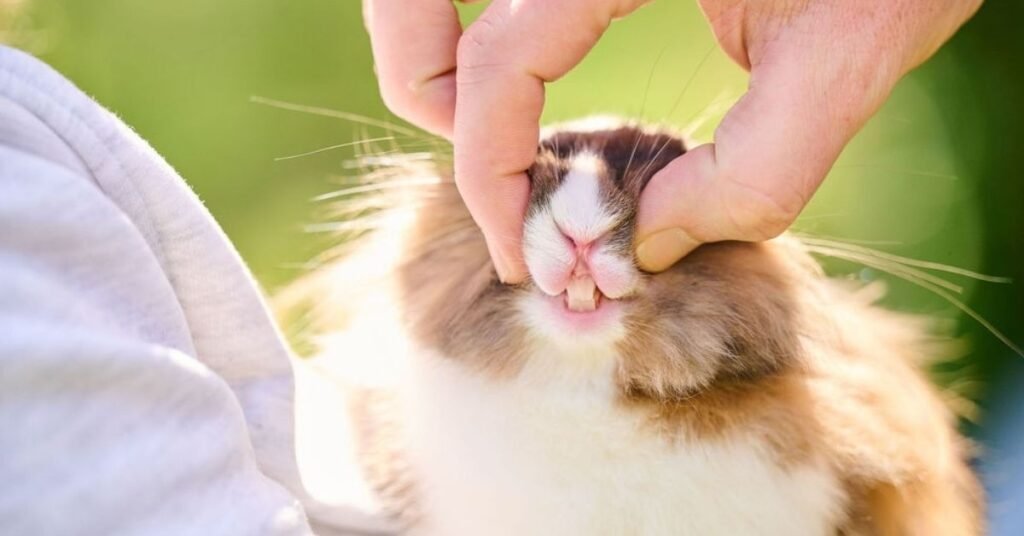
Keeping a rabbit’s teeth healthy requires daily attention and proper care. A diet rich in hay and fibrous foods is the most important factor. Chew toys and safe wooden sticks help teeth wear down naturally. Regular observation allows owners to spot early signs of problems before they become serious.
Other ways to maintain healthy teeth include:
- Providing unlimited fresh hay every day
- Offering fresh leafy greens and occasional vegetables
- Rotating chew toys to encourage gnawing
- Checking the mouth for uneven or sharp teeth
- Scheduling regular veterinary check-ups
Proper Diet and Chew Toys
Fiber is the key to healthy teeth. Unlimited fresh hay, vegetables, and small amounts of pellets support natural wear. Safe chew toys such as untreated wood, cardboard, and willow sticks encourage gnawing.
Diet and Chew Toys Table:
| Item | Purpose | Notes |
| Fresh hay | Wear teeth naturally | Unlimited daily |
| Leafy greens | Provide vitamins & moisture | Introduce gradually |
| Pellets | Balanced nutrients | Small portions only |
| Wooden chew toys | Help wear teeth | Ensure they are untreated and safe |
| Cardboard or willow sticks | Mental stimulation & chewing | Change regularly for hygiene |
Checking and Trimming Teeth
Rabbits should be observed daily for signs of dental problems. Some may require professional trimming to prevent injuries or misalignment.
When trimming may be needed:
- Uneven front teeth
- Sharp molar edges causing cuts
- Difficulty chewing or drooling
- Behavioral changes like reduced activity
Additional Tips for Owners
- Provide constant access to fresh hay and safe chew toys
- Rotate vegetables and greens to prevent boredom
- Keep the rabbit’s living area clean to reduce oral infections
- Observe daily eating habits to spot changes early
- Consider regular vet check-ups for preventive care
Conclusion
Dental health is very important for rabbits. Healthy teeth help them eat, stay active, and live longer. Providing a fibrous diet, safe chew toys, and regular checks keeps teeth in good condition. Observing your rabbit daily helps catch problems early and prevent serious issues.
Regular veterinary care and proper home care make a big difference. Rabbits with healthy teeth are happy, comfortable, and enjoy their environment. With patience, care, and love, you can ensure your rabbit has a strong and healthy smile.
FAQs
1. How often should I check my rabbit’s teeth?
Check their teeth daily for signs of overgrowth, uneven wear, or discomfort.
2. Can I trim my rabbit’s teeth at home?
No, trimming should be done by a veterinarian to avoid injury.
3. What foods help keep teeth healthy?
Unlimited hay, leafy greens, and occasional safe vegetables help wear teeth naturally.
4. How do I know if my rabbit has dental problems?
Watch for drooling, difficulty eating, pawing at the mouth, or weight loss.
5. How often should a rabbit visit the vet for teeth checks?
A dental check-up every 6-12 months is recommended, or sooner if problems appear.
