

Introduction
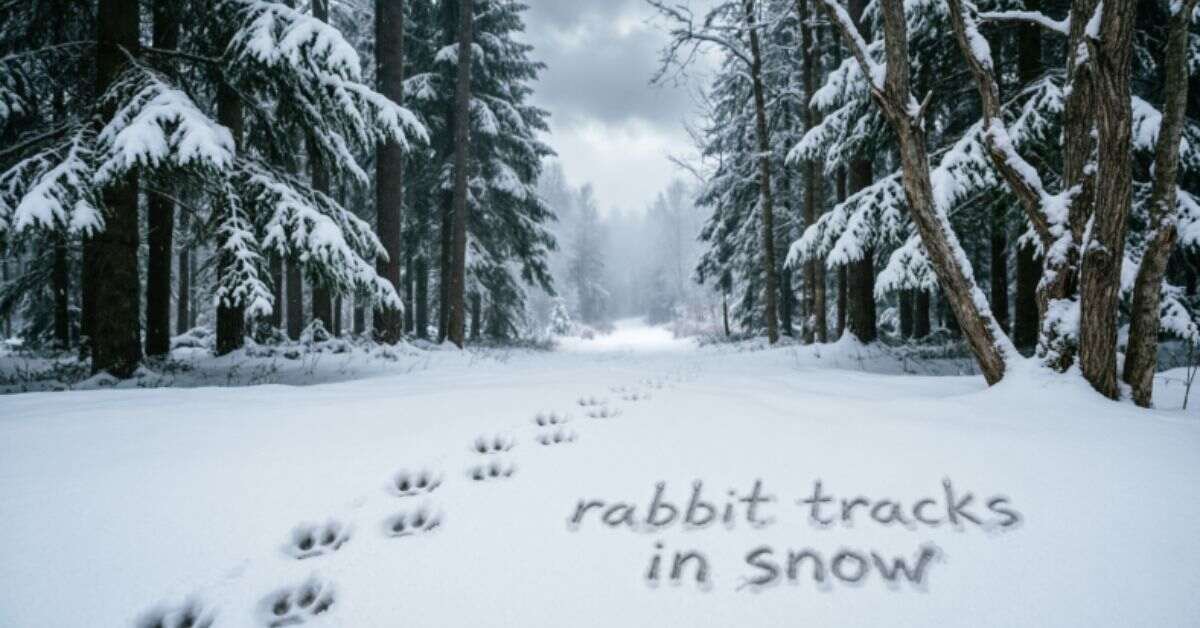
Rabbit tracks in snow are the footprints rabbits leave behind when they move across snowy ground. These tracks show how a rabbit hops and travels in winter. The marks are often small and grouped in a unique pattern. By looking at them closely, people can tell that a rabbit has passed through the area.
Have you ever walked outside after fresh snow and noticed tiny footprints on the ground? Many people see these marks but do not know which animal made them. Rabbit tracks in snow are very common in winter. Learning to recognize them can feel like solving a small nature mystery.
In this quick guide, you will learn what rabbit footprints look like and how to identify them. We will also explain the hopping pattern rabbits leave in the snow. This will help you understand rabbit movement and spot their tracks more easily in winter.
What Do Rabbit Tracks in Snow Look Like?
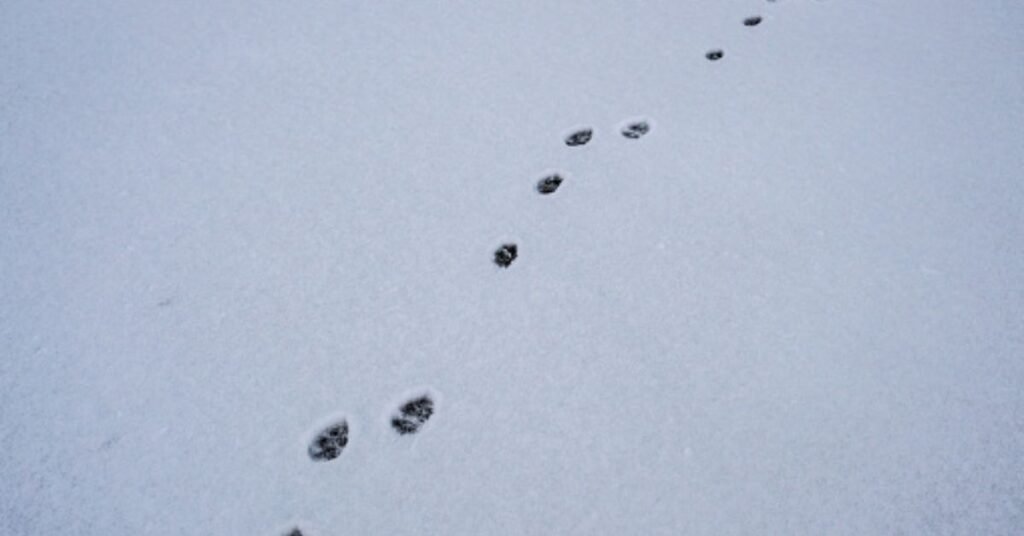
Rabbit tracks in snow have a very clear and unique pattern. You will usually see four prints together. The two larger prints are from the rabbit’s back feet. They land in front when the rabbit hops. The two smaller prints are from the front feet. They appear behind the larger ones.
These footprints often look like the letter “Y” or a small jumping pattern in the snow. The tracks may also show the direction the rabbit is moving. When you follow the prints, you can see where the rabbit hopped, stopped, or turned. This makes rabbit tracks in snow easy to recognize once you know the pattern.
Basic Shape of Rabbit Footprints
Rabbit footprints are usually small and oval in shape. The back feet leave longer prints, while the front feet leave smaller and rounder marks. These prints often appear close together in the snow. Sometimes you may also see light claw marks at the front of the prints.
The back feet are stronger, so their prints look deeper and clearer. The front feet are lighter, so their marks may look softer. When a rabbit hops, the back feet land ahead of the front feet. This creates the typical rabbit track pattern that many people notice in fresh snow.
Why Rabbit Tracks Form a Hopping Pattern
Rabbit tracks form a hopping pattern because rabbits move by jumping. They push off the ground with their strong back legs. This helps them move quickly across the snow. The back feet swing forward and land in front of the front feet.
The front feet touch the ground first when the rabbit starts the jump. Then the back feet land ahead of them. This creates the familiar hopping pattern seen in rabbit tracks in snow. It is a natural way for rabbits to travel fast and stay safe from predators.
How to Identify Rabbit Tracks in Snow Correctly
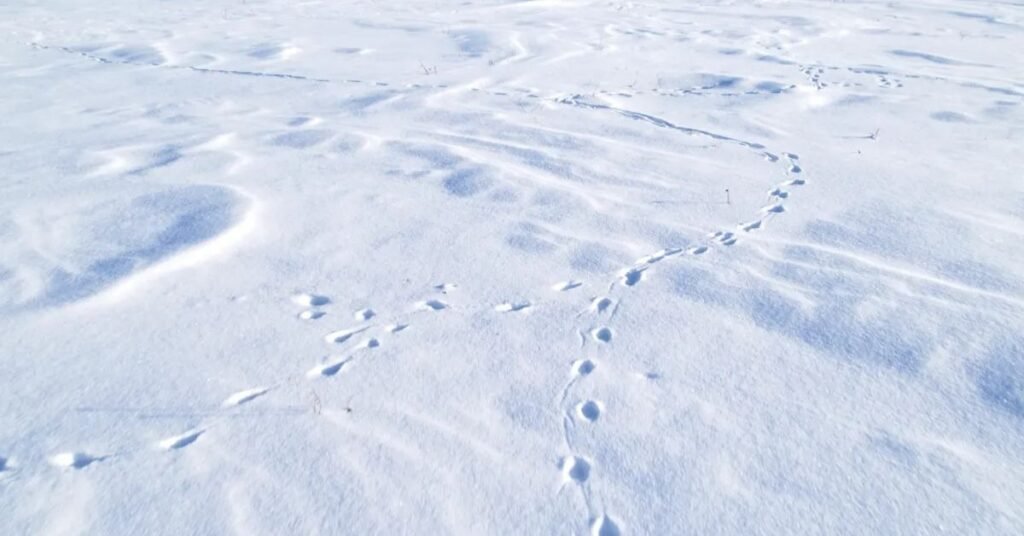
Rabbit tracks in snow are easy to recognize when you know what to look for. The tracks usually appear in groups of four prints. Two larger prints from the back feet land in front. Two smaller prints from the front feet stay behind. This pattern shows the rabbit’s hopping movement.
You can also look at the shape and direction of the prints. Rabbit footprints are often oval and close together. The tracks may lead to bushes, trees, or hiding places where rabbits like to rest.
Simple signs to identify rabbit tracks:
- Four prints appear together in a hopping pattern
- Two large back-foot prints in front
- Two small front-foot prints behind
- Oval-shaped footprints in the snow
- Tracks often lead toward plants or shelter areas
Front Feet vs Back Feet Marks
Rabbit tracks in snow show two different types of footprints. The front feet leave smaller and lighter marks. These prints are usually round or slightly oval. They appear behind the larger prints in the track pattern. The front feet touch the ground first when the rabbit begins a hop.
The back feet leave bigger and longer prints. These marks land in front of the front feet during the jump. Because the back legs are strong, their prints often look deeper in the snow. By comparing these two types of marks, it becomes easier to identify rabbit tracks in snow.
| Feature | Front Feet Marks | Back Feet Marks |
| Size | Small | Larger |
| Shape | Round or slightly oval | Long and oval |
| Position in Tracks | Appear behind the back feet prints | Land in front of the front feet prints |
| Depth in Snow | Usually lighter and shallow | Often deeper because of stronger legs |
| Function | Help balance the rabbit when it lands | Push the rabbit forward during a hop |
| Number of Prints | Two front footprints | Two back footprints |
| Visibility | Sometimes faint in soft snow | Usually more clear and easy to see |
| Role in Movement | Touch the ground first at the start of a hop | Swing forward and land ahead during the jump |
| Identification Clue | Smaller and closer together | Bigger and placed slightly ahead |
Why Rabbits Leave Tracks in Snow
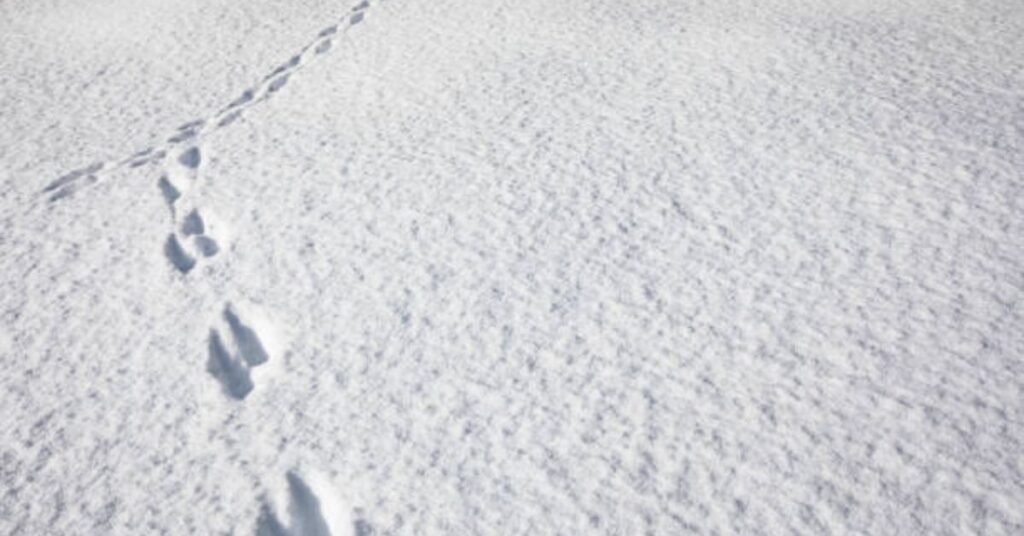
Rabbits leave tracks in snow because they move around to find food and shelter. During winter, food can be harder to find. Rabbits travel through snowy areas to look for grass, bark, and plants. As they hop across the ground, their feet press into the snow and leave clear footprints.
Snow acts like a natural surface that records animal movement. When a rabbit hops across fresh snow, its footprints stay visible for a while. These tracks can show where the rabbit traveled, stopped, or changed direction. This is why rabbit tracks in snow are often easy to spot during winter.
Escaping from Predators
Rabbits often run and jump to escape from predators. Animals like foxes, coyotes, and birds of prey hunt rabbits. When a rabbit senses danger, it quickly hops away. Its fast movement leaves a clear trail of tracks in the snow.
These tracks can show sudden turns or long jumps. This happens when the rabbit tries to confuse the predator. Sometimes the tracks stop near bushes or thick grass where the rabbit hides. The hopping pattern helps rabbits move quickly and stay safe in winter.
Where You Can Find Rabbit Tracks in Snow
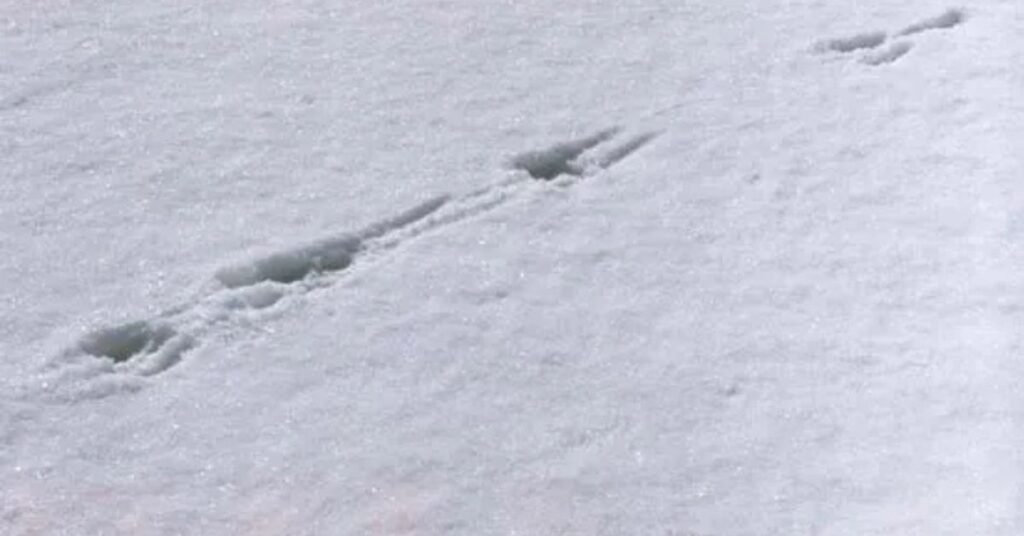
Rabbit tracks in snow are often found in places where rabbits search for food and shelter. You may see these tracks in forests, fields, gardens, and parks. Rabbits like areas with bushes, tall grass, or small trees. These places give them protection from predators and bad weather.
You can also find rabbit tracks near fences, under trees, or along the edges of yards. Rabbits often travel along the same paths while looking for plants to eat. After fresh snowfall, these footprints become easy to spot on the ground. Watching these tracks can help you understand where rabbits live and move during winter.
Near Bushes and Burrows
Rabbit tracks in snow are often found near bushes and burrows. Rabbits use these places for shelter and safety. They hide from predators and rest in these areas. Tracks near bushes or burrows usually show short hops or stops.
These areas are also where rabbits eat and explore. The tracks may lead into or out of a burrow. By observing these tracks, you can learn about rabbit behavior and their favorite spots in winter.
| Feature | Description |
| Location | Tracks are usually close to bushes, shrubs, or burrow entrances |
| Track Pattern | Short hops or clustered prints near hiding spots |
| Purpose | Shelter, resting, and protection from predators |
| Food Sources Nearby | Rabbits often feed on nearby grass, bark, or plants |
| Direction | Tracks may lead into or away from the burrow or bush |
| Frequency | High – rabbits often return to the same safe spots |
| Visibility | Tracks are usually clear near burrows and bushes |
| Behavior Indicated | Shows stopping, hiding, or cautious movement |
| Winter Activity | Rabbits use these areas to stay warm and safe |
| Identification Tip | Look for clusters of prints with back feet landing ahead of front feet |
What Other Animal Tracks Look Similar to Rabbit Tracks
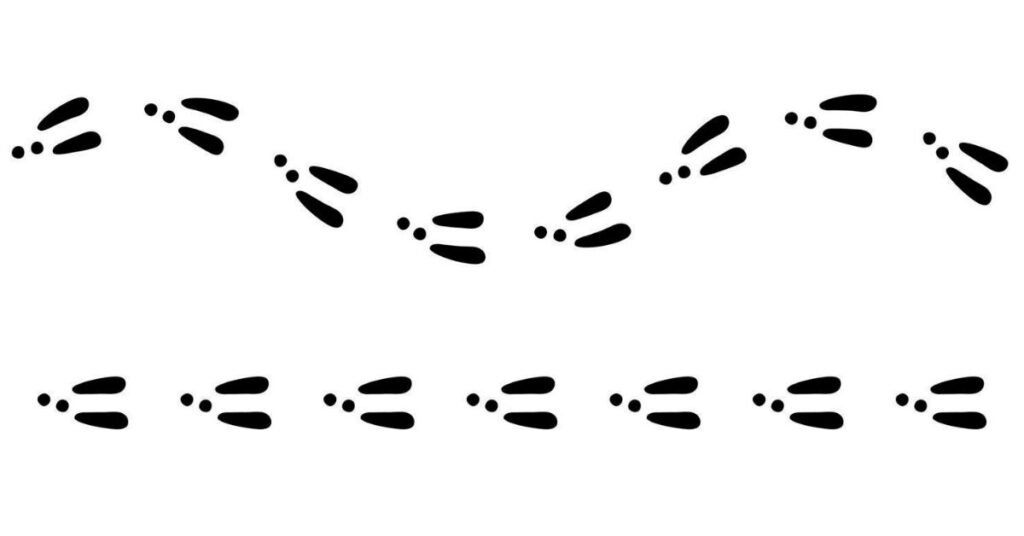
Sometimes, other animals leave tracks in snow that can be mistaken for rabbit tracks. Small mammals like squirrels or hares, and even some birds, can make prints that look similar at first glance. Their movement patterns—hopping, bounding, or running—can confuse beginners. Paying attention to size, shape, and spacing helps tell them apart from true rabbit tracks.
Here are some examples of similar-looking tracks:
- Squirrel Tracks: Tiny prints with claw marks, often leading to trees.
- Hare Tracks: Bigger and more spread out than rabbit tracks.
- Mouse Tracks: Very small, with faint tail drag lines between prints.
- Bird Tracks: Show three toes pointing forward and sometimes one backward, in a straight line or scattered pattern.
Hare Tracks
Hare tracks look similar to rabbit tracks but are bigger and more spaced out. Hares have longer back legs, so their footprints are longer. When they hop, the back feet land well ahead of the front feet, creating a stretched pattern in the snow.
Hares usually live in open fields or forests, so their tracks are often in wider areas. You may notice long jumps and fewer stops compared to rabbits. By looking at the size and spacing of the prints, you can tell hare tracks apart from rabbit tracks.
Small Mammal Tracks
Small mammals like mice, voles, and squirrels can leave tracks that look a little like rabbit tracks. Their footprints are much smaller and often closer together. You may also see tiny claw marks or a faint tail drag line in the snow.
These animals move differently than rabbits. They usually scurry or run instead of hopping. Their tracks are often in straight lines or zig-zag patterns. By noticing the size and movement style, you can easily tell small mammal tracks apart from rabbit tracks.
Conclusion
Rabbit tracks in snow are easy to spot once you know what to look for. The four-print hopping pattern is unique and shows how rabbits move. Back feet leave larger prints, and front feet leave smaller ones.
Observing tracks can teach you about rabbit behavior. You can see where they search for food, hide, or escape from predators. Tracks near bushes, burrows, or open fields tell you a lot about their winter habits.
Other animals can leave similar tracks, like hares, squirrels, or mice. By paying attention to size, shape, and movement patterns, you can tell the difference. This makes identifying rabbit tracks fun and interesting.
Learning to read rabbit tracks in snow is a simple way to connect with nature. It helps you understand how rabbits live and move during winter. Watching these tracks can make snowy walks more exciting and educational.
FAQs
1. What do rabbit tracks in snow look like?
Rabbit tracks usually show four prints in a hopping pattern. The larger back feet land ahead of the smaller front feet. The prints are oval-shaped and often close together.
2. How can I tell rabbit tracks apart from hare tracks?
Hare tracks are bigger and spaced farther apart. Hares make longer jumps and usually move in open areas. Rabbit tracks are smaller and often near bushes or burrows.
3. Why do rabbit tracks show a hopping pattern?
Rabbits move by hopping, using strong back legs to push forward. Their front feet land first, then back feet land ahead. This creates the familiar hopping pattern in the snow.
4. Where are rabbit tracks most commonly found?
You can find rabbit tracks near bushes, burrows, gardens, fields, and forest edges. Rabbits prefer areas that give them food and shelter.
5. Can other animals leave tracks that look like rabbits?
Yes, small mammals like squirrels, mice, and hares can leave similar-looking tracks. Birds may also leave confusing prints. Size, shape, and hopping patterns help you identify true rabbit tracks. 57
