

Yes, rabbits can eat celery, but only when it’s prepared correctly and given in small amounts. This crunchy vegetable has become a popular treat for pet rabbits, but many owners wonder if it’s truly safe for their furry friends.
Celery is safe for rabbits when you follow proper feeding guidelines. However, it should never replace hay as the main part of your rabbit’s diet. The vegetable works best as an occasional snack rather than a daily meal. Veterinarians confirm that celery offers several benefits, including hydration and fiber. Your rabbit can enjoy both the stalks and leaves. The key is understanding how to serve it properly to avoid any health risks.
Nutritional Benefits of Celery for Rabbits
Celery provides several important nutrients that support your rabbit’s health. This vegetable contains approximately 95 percent water, which helps keep your bunny well hydrated. The high water content makes it especially useful during hot weather when rabbits need extra fluids. The vegetable also delivers essential vitamins and minerals. It contains Vitamin A, which supports healthy vision and skin. Vitamin C helps boost the immune system. Vitamin K plays a role in blood clotting and bone health.
Additionally, celery provides B-complex vitamins that support red blood cell formation and nervous system function. The mineral content includes potassium, calcium, and magnesium. These nutrients help maintain healthy body functions, including metabolism and digestion. Celery is naturally low in calories and sugar, making it a better choice than many other treats. The fiber content aids in maintaining healthy digestion, though hay remains the primary fiber source your rabbit needs.
Health Risks and Concerns About Feeding Celery
Despite its benefits, celery poses some risks that every rabbit owner should understand. The biggest concern involves the stringy fibers found in celery stalks. These long, tough strings can create serious problems. They may get caught in your rabbit’s throat, creating a choking hazard. The strings can also become stuck between teeth or cause digestive blockages if swallowed whole. Rabbits cannot vomit, which makes choking especially dangerous for them. Too much celery can upset your rabbit’s digestive system. The high water content may cause loose stools or diarrhea when fed in large amounts. Some rabbits have sensitive stomachs that react poorly to new foods.
The calcium content in celery, while beneficial in small amounts, can contribute to urinary problems when consumed excessively. Baby rabbits under twelve weeks should not eat celery at all. Their digestive systems are too delicate to handle fibrous vegetables. Always wash celery thoroughly before feeding to remove any pesticides or chemicals that could harm your pet.
How Much Celery Should Rabbits Eat?
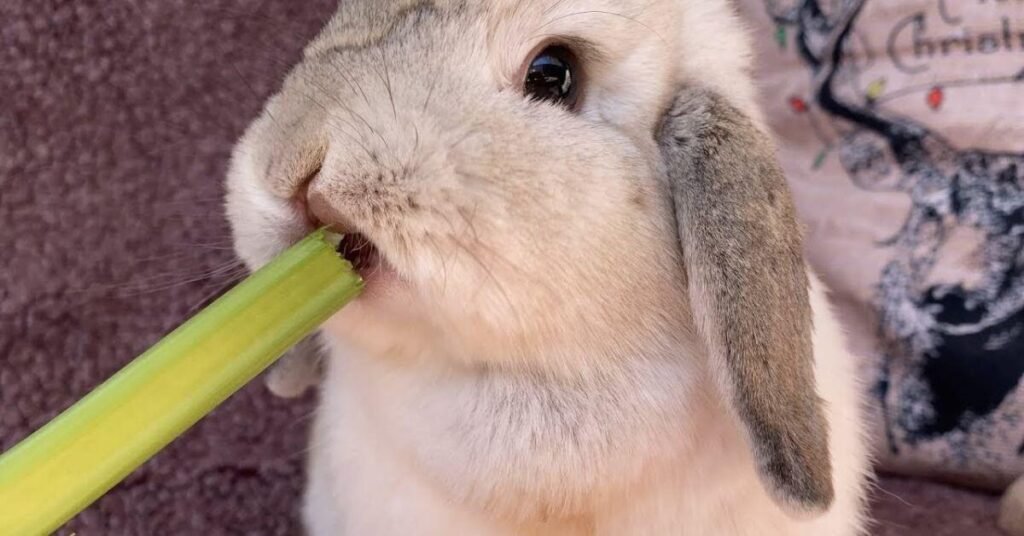
Portion control is crucial when feeding celery to rabbits. Adult rabbits should eat no more than half a celery stalk per day, which equals about two inches of celery. This amount should be divided into smaller servings throughout the week rather than given all at once. Most veterinarians recommend offering celery only one to three times per week.
For smaller breeds like Netherland Dwarfs or Holland Lops, reduce the portion size accordingly. Always cut the celery into bite-sized pieces, approximately half an inch to one inch in length. When introducing celery for the first time, start with just one or two small pieces. Watch your rabbit closely for twenty four hours, observing both their behavior and stool. If you notice any digestive upset, discontinue feeding celery immediately.
Remember that celery should make up only a small fraction of your rabbit’s vegetable intake. A balanced rabbit diet consists of approximately seventy five to eighty five percent hay, with fresh vegetables making up about fifteen to twenty percent.
Proper Preparation Methods for Celery
Preparing celery correctly makes it safe for your rabbit to enjoy. Start by washing the celery thoroughly under cool running water. This removes dirt, pesticides, and any harmful residue. Never feed unwashed celery to your pet. Next, cut the celery into small, manageable pieces. Slice the stalk widthwise first, then cut lengthwise to break up the long fibers. Aim for pieces no larger than half an inch, especially for smaller rabbits.
Remove visible strings by pulling them away from the stalk before serving. Always serve celery raw, never cooked. Cooking reduces the nutritional value and creates digestive problems for rabbits. Their gut bacteria cannot properly process cooked foods. Allow refrigerated celery to reach room temperature before feeding. Most rabbits prefer their food at normal temperature rather than cold.
Use a clean bowl or ceramic dish to serve the celery. Some owners hide small pieces around the cage for enrichment activities. Discard any uneaten celery within a few hours to prevent spoilage.
Should Rabbits Eat Celery Leaves?
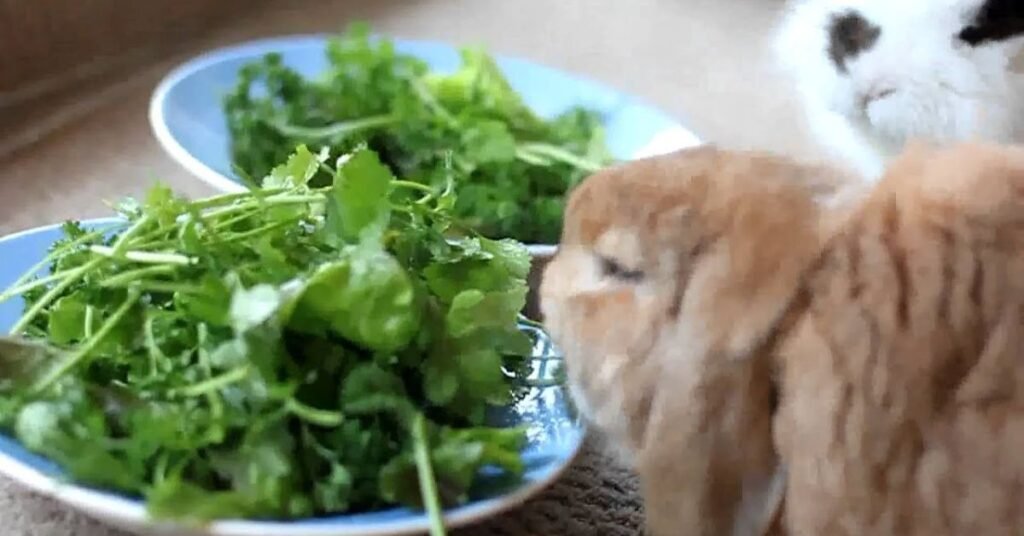
Celery leaves are actually safer and more nutritious than the stalks. The leaves contain more vitamins and minerals while having less sugar and water content. They don’t have the tough, stringy fibers that make stalks a choking hazard. Most rabbits find the leaves easier to chew and digest.
The softer texture makes them a preferred choice for many bunnies. You can offer celery leaves more frequently than stalks, incorporating them into your rabbit’s daily leafy greens. However, celery leaves still contain calcium and oxalates. These compounds can cause bladder stones and urinary problems when consumed in large quantities.
Always wash the leaves thoroughly, as they tend to trap more dirt and pesticide residue than stalks. Many grocery stores sell celery with the leaves already removed. If you want to feed leaves to your rabbit, consider growing your own celery or visiting a farmer’s market. Mix celery leaves with other safe greens like romaine lettuce, parsley, and basil for variety.
Alternative Vegetables for Rabbit Diet
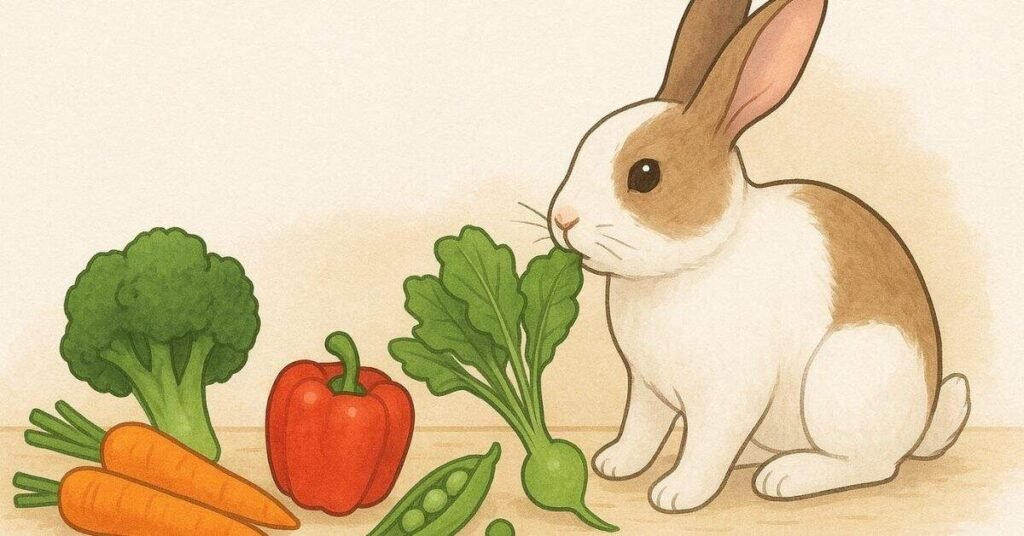
Rabbits need variety in their diet to receive all necessary nutrients. While celery offers benefits, other vegetables provide even more nutritional value. Romaine lettuce, parsley, and cilantro make excellent daily greens. These options deliver more nutrients than celery while posing fewer risks. Other safe vegetable choices include bok choy, carrot tops, spinach, mint, and endive.
Bell peppers (with seeds removed) provide vitamin C. Cucumber offers hydration, though it should be limited due to high water content. Dark leafy greens like kale and dandelion leaves contain valuable nutrients but should be rotated rather than fed daily. They can cause soft stools when given too frequently.
Avoid iceberg lettuce entirely, as it contains almost no nutritional value and too much water. Never pair celery with other watery vegetables in the same serving, as this increases the risk of digestive upset. A good rule is to offer three to five different vegetables in rotation to prevent boredom and ensure balanced nutrition.
Understanding Rabbit Dietary Needs
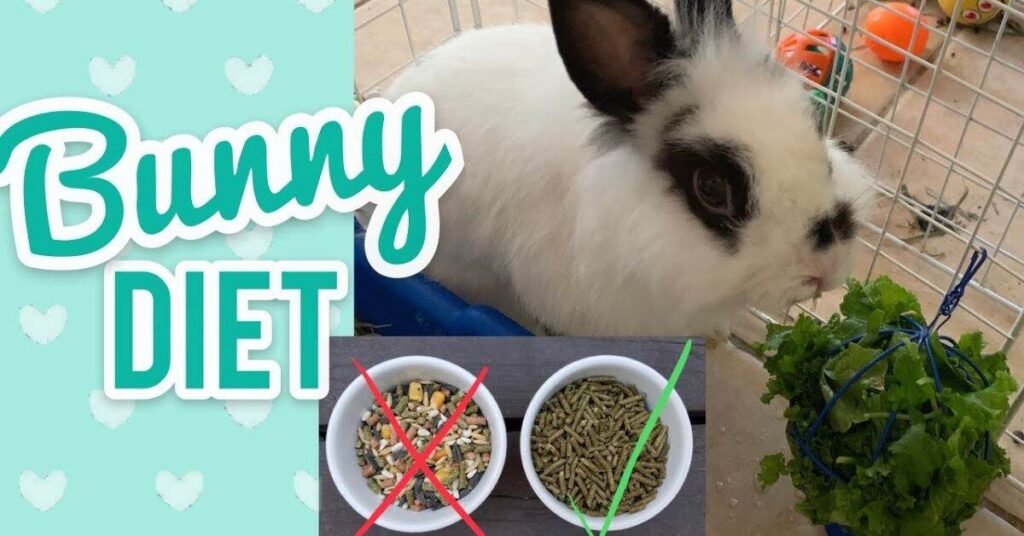
A proper rabbit diet follows a specific structure that ensures optimal health. Hay must form the foundation, making up at least seventy five percent of what your rabbit eats. Timothy hay, orchard grass, or meadow hay work best for adult rabbits. Hay provides the fiber necessary for healthy digestion and helps wear down constantly growing teeth.
Fresh vegetables should comprise about fifteen to twenty percent of the diet. Adult rabbits typically need one cup of vegetables per four pounds of body weight daily. These veggies provide essential vitamins, minerals, and variety. High-quality rabbit pellets can supplement the diet in small amounts. Most adult rabbits need only a quarter cup of pellets per day. Low-protein, high-fiber pellets are best.
Fresh, clean water must always be available.Clean the bowl regularly and change the water daily. Treats, including fruits and vegetables like celery, should make up no more than five to ten percent of the total diet. This ensures your rabbit receives proper nutrition without developing health problems.
Signs Your Rabbit Should Not Eat Celery
Some rabbits simply cannot tolerate celery, even when properly prepared. Watch for several warning signs that indicate celery doesn’t agree with your pet. Loose stools or diarrhea are the most common problems. If you notice your rabbit’s droppings becoming soft or watery within twenty four hours of eating celery, stop offering it immediately. Gas and bloating can also occur. Your rabbit may seem uncomfortable, hunched over, or reluctant to move.
Decreased appetite following celery consumption suggests digestive upset. If your rabbit stops eating hay or other normal foods, remove celery from their diet. Some rabbits show signs of choking or difficulty swallowing. This may indicate that strings got caught in the throat or digestive tract. Seek veterinary help immediately if you suspect choking. Unusual lethargy or changes in behavior warrant attention.
If your rabbit seems less active or shows any signs of pain after eating celery, consult your veterinarian. Every rabbit is unique, and what works for one may not work for another. Trust your observations and prioritize your pet’s wellbeing.
Best Practices for Introducing New Foods
Rabbits have sensitive digestive systems that require careful management when adding new foods. Always introduce celery gradually, starting with a tiny piece no larger than your thumbnail. Wait a full day before offering more to assess your rabbit’s reaction. Never introduce multiple new foods simultaneously. This makes it impossible to identify which food caused problems if digestive issues arise.
Keep a food diary to track what you feed and how your rabbit responds. Maintain your rabbit’s regular diet while testing new foods. The familiar hay and pellets provide stability during the transition. Increase the amount slowly over several weeks if your rabbit tolerates celery well. Continue monitoring throughout this process. Consistency matters when establishing a feeding routine.
Once you determine celery is safe for your rabbit, stick to a regular schedule. This helps their digestive system adapt and function properly. If you must discontinue celery due to adverse reactions, wait several weeks before attempting to reintroduce it. Sometimes rabbits need time before their systems can handle certain foods. Always consult with a veterinarian experienced in rabbit care if you have concerns about your pet’s diet.
Celery Nutrition Table for Rabbits
| Nutrient | Amount per 100g | Benefit for Rabbits |
| Water | 95% | Excellent hydration |
| Fiber | 1.6g | Supports digestion |
| Vitamin A | 449 IU | Vision and skin health |
| Vitamin K | 29.3 mcg | Blood clotting, bone health |
| Vitamin C | 3.1 mg | Immune system support |
| Potassium | 260 mg | Healthy body functions |
| Calcium | 40 mg | Bone and teeth health |
| Calories | 16 | Low-calorie treat option |
Safe Feeding Schedule for Celery
| Rabbit Size | Portion Size | Frequency | Piece Size |
| Small breeds | 1-2 inches | 1-2 times per week | ¼ inch pieces |
| Medium breeds | 2-3 inches | 2-3 times per week | ½ inch pieces |
| Large breeds | 3-4 inches | 2-3 times per week | ½-1 inch pieces |
| Baby rabbits (under 12 weeks) | None | Not recommended | N/A |
Conclusion
Celery can be a safe and refreshing treat for rabbits when given in small amounts. It adds a little crunch and hydration, which many bunnies enjoy. Just make sure it’s washed and cut into short pieces so it’s easy to chew.
Like all treats, celery should not replace hay or a balanced diet. A little goes a long way, and your rabbit will stay healthy with the right mix of food. With careful serving, celery can be a fun and safe addition to your rabbit’s snack list.
FAQs
1. Can rabbits eat celery?
Yes, rabbits can eat celery, but only in small, safe amounts.
2. Is celery healthy for rabbits?
It contains vitamins and water, which can be good, but it should not replace hay.
3. How much celery can a rabbit have?
A small slice or two is enough a few times a week.
4. Should I cut celery before giving it to my rabbit?
Yes, cutting it into small pieces prevents long strings from causing choking.
5. Can baby rabbits eat celery?
No, young rabbits should stick to hay and pellets until they are older.
