

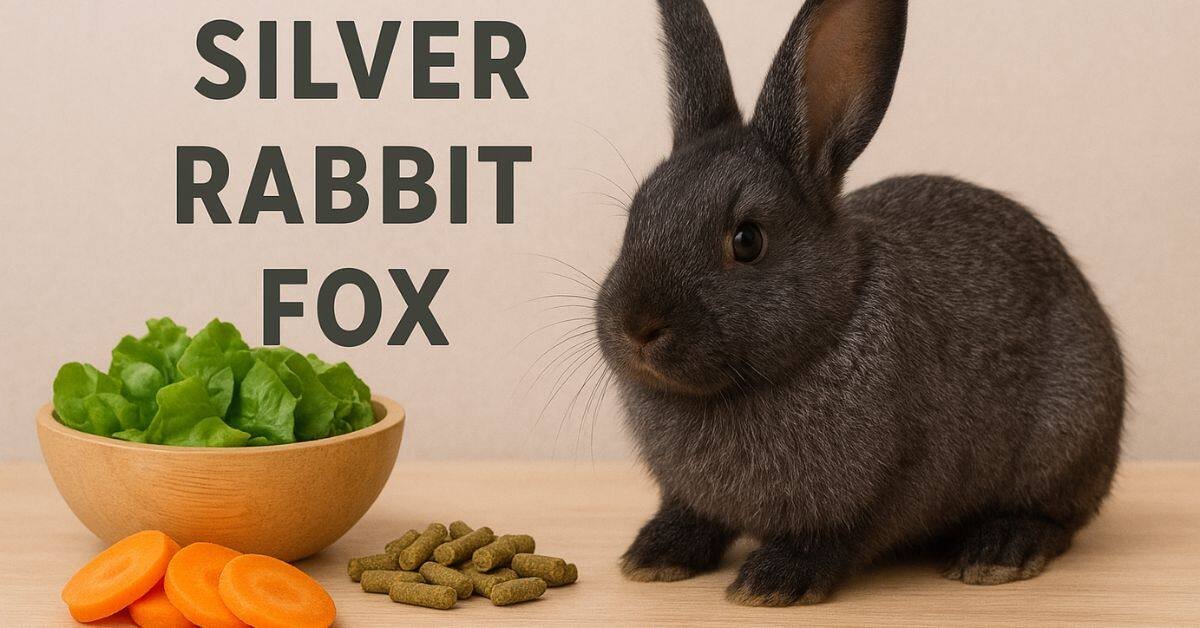
The silver fox rabbit stands out as one of America’s most beautiful and rare rabbit breeds. This gentle giant captures hearts with its stunning fur and friendly nature. Created in the 1920s in Ohio, this breed almost vanished from existence but is now making a strong comeback. These rabbits were originally bred for meat and fur but have become beloved family pets and show animals. Their unique standing coat and silvery appearance make them look just like their wild namesake. If you want a calm, intelligent, and gorgeous pet rabbit, the silver fox rabbit might be your perfect match.
History of the Silver Fox Rabbit

Walter B. Garland of North Canton, Ohio developed the silver fox rabbit in the 1920s. He wanted to create a rabbit with beautiful fur that resembled an Arctic silver fox. Garland worked for fourteen years to perfect this breed. He kept Checkered Giants, Champagne D’Argent, and English Silver rabbits in his rabbitry. Most experts believe he used these breeds to create the silver fox rabbit. The exact breeding formula remains a mystery because Garland never shared his methods.
The breed gained official recognition in 1925 at the Colorado Springs Convention. The American Rabbit Breeders Association accepted both black and blue varieties. The breed was first called American Heavyweight Silver but changed to Silver Fox in 1929. This rabbit became the third breed developed entirely in the United States. During World War I and the Great Depression, these rabbits provided affordable meat and valuable fur. Families across America raised them for food and income during hard times.
Physical Features of Silver Fox Rabbit
The silver fox rabbit is a large breed with impressive size. Adult does weigh between ten and twelve pounds. Adult bucks weigh slightly less at nine to eleven pounds. Their bodies are medium in length with well-filled shoulders and strong hindquarters. This commercial body type means they have excellent meat-to-bone ratio. These rabbits were designed to provide maximum meat in prime cuts.
The most striking feature is their unique fur. The coat stands upright when brushed from tail to head. This standing coat is found in no other rabbit breed. The fur measures about one and a half to two inches long. It feels dense and slightly coarse but incredibly beautiful. The silvery white hairs scattered throughout the black coat create a frosted appearance. Baby rabbits are born solid black and develop their silvering at about four weeks old. The complete silvering process takes four months. Black toenails are essential for show rabbits, and white toenails disqualify them from competition.
Colors and Varieties of Silver Fox Rabbit

Currently, only black and chocolate silver fox rabbits can compete for best of breed at shows. The American Rabbit Breeders Association officially recognized chocolate variety in 2021. Before this, only black rabbits could win championships. The blue variety was originally accepted but dropped in the 1970s. Not enough blue silver foxes appeared at shows, so the variety lost recognition.
Today, breeders work to bring blue back through a Certificate of Development program. Blue silver foxes can be shown in special exhibition classes with permission. Some breeders also work with lilac and white varieties. These colors cannot compete officially but exist in breeding programs. Very rare tortoiseshell colored silver foxes help recreate the extinct Alaskan Red Fox breed. The silvering gene creates the distinctive frosted look across all color varieties.
Temperament and Personality
The silver fox rabbit has a wonderfully gentle and docile nature. These rabbits are known for being calm and friendly with everyone. They love attention and enjoy being petted and handled. Their sweet temperament makes them excellent with children of all ages. Even small kids can safely interact with these patient rabbits. They rarely bite or scratch unless frightened or provoked.
These intelligent rabbits bond strongly with their owners. They show affection through nudging, licking, and sitting in laps. Many silver fox rabbits can be trained to come when called. They learn their names quickly and respond to basic commands. Their smart nature makes them easy to train for using litter boxes. These rabbits adapt well to both indoor and outdoor living. They adjust to changes in environment and routine without stress. First-time rabbit owners find them easy to care for and maintain.
Housing Requirements for Silver Fox Rabbit
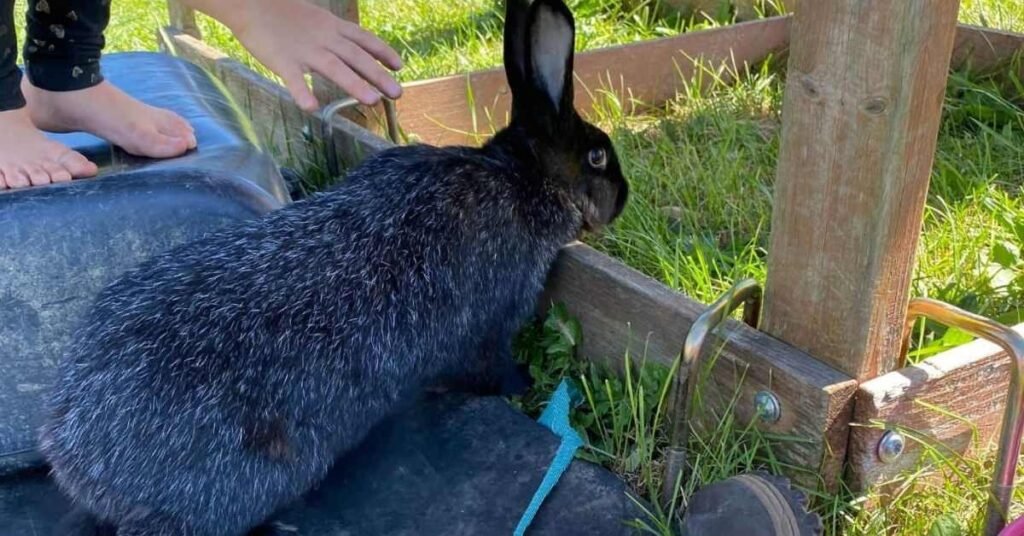
Your silver fox rabbit needs plenty of space because of its large size. The minimum cage size should be thirty-six inches by thirty inches with twenty-two inch height. Bigger is always better for these active rabbits. A cage measuring four feet by four feet gives them comfortable living space. Wire cages work well but need soft bedding on the bottom. Use hay or shredded paper to protect their feet from wire floors.
Outdoor rabbits need wooden hutches raised off the ground. This protects them from predators and dampness. The hutch should be at least twelve feet wide with good ventilation. Add a fenced bottom and ramp for extra security. Rabbits cannot handle extreme heat well. Make sure outdoor housing has plenty of shade and fresh water. Indoor rabbits need a rabbit-proofed room where they can exercise safely. Remove electrical cords, toxic plants, and small objects they might chew.
Clean the cage every day by removing soiled bedding and droppings. Do a complete bedding change once per week. Wash the cage and accessories with hot water and vinegar. This removes tough stains and urine deposits naturally. Good hygiene prevents health problems like flystrike. Your rabbit needs time outside its cage every single day. Set up a secure run or exercise area where they can hop and play.
Diet and Nutrition
Feeding your silver fox rabbit properly keeps them healthy and happy. At least seventy percent of their diet must be high-quality hay.The best hay for adult rabbits is Timothy hay.Leave fresh hay available at all times in multiple locations. Hay provides essential fiber for digestive health. It also helps wear down their constantly growing teeth naturally.
The remaining thirty percent includes rabbit pellets, vegetables, and occasional fruits. Give about one-quarter to one-half cup of pellets daily. Choose high-quality commercial rabbit food formulated for large breeds. Add two to three cups of fresh vegetables each day. Good choices include carrots, celery, broccoli, bell peppers, and bean sprouts. Dark leafy greens like romaine lettuce and parsley are excellent. Never feed iceberg lettuce because it contains laudanum which is dangerous for rabbits.
Fruits should be treats given once or twice weekly. Small amounts of banana, strawberries, oranges, or apples work well. Too much fruit causes digestive upset because of high sugar content. Avoid feeding cabbage, beans, and potatoes as they cause gas and bloating. Always provide unlimited fresh, clean water in a heavy bowl or bottle. Keep the water fresh by changing it daily.. Watch your rabbit’s weight and adjust food amounts as needed.
Grooming and Maintenance
The silver fox rabbit has low grooming needs despite its unique fur. Their standing coat does not require special care or styling. Brush your rabbit every two to three weeks with a slicker brush. This removes loose hair and keeps the coat looking shiny. During spring and fall shedding seasons, brush weekly to manage extra hair loss. Regular brushing prevents hairballs from forming in their stomach.
Never bathe your rabbit as this causes extreme stress. Use a damp cloth to spot-clean dirty areas instead. Clean their bottom regularly to remove any stuck droppings or urine. Every two to three months, check and trim their nails. Long nails can catch on things and cause injury. Use proper rabbit nail clippers and be careful not to cut the quick. Rabbits naturally clean themselves by licking their paws and grooming their fur. They stretch in interesting ways to reach all areas of their body.
Make sure your rabbit’s teeth are wearing down properly by checking them regularly. Hay helps keep teeth at the right length naturally. Watch for signs of overgrown teeth like drooling or difficulty eating. Inspect ears weekly for signs of mites or infection. Clean ears gently with a damp cotton ball if needed. Regular health checks help catch problems early before they become serious.
Health Concerns
The silver fox rabbit is generally a healthy breed with few genetic problems. However, they can develop common rabbit health issues. Overgrown teeth occur when rabbits do not get enough hay to chew. The teeth never stop growing and can become ingrown without proper wear. Feed plenty of hay to prevent this painful condition. Take your rabbit to the vet if you notice drooling or eating problems.
Flystrike is a serious concern, especially for outdoor rabbits. Flies lay eggs in dirty, soiled fur around the bottom area. When larvae hatch, they eat the rabbit from inside out. This causes terrible pain and can be fatal. Keep your rabbit’s bottom clean and dry. Check daily for any signs of fly eggs or larvae. Seek emergency vet care immediately if you suspect flystrike.
Gastrointestinal stasis happens when the digestive system slows or stops. This occurs from not eating enough fiber or swallowing too much hair. Symptoms include loss of appetite, small droppings, and lethargy. This is a medical emergency requiring immediate veterinary attention. Ear mites cause itching, head shaking, and crusty buildup in ears. These parasites are treatable with medication from your vet. Regular deworming keeps internal parasites under control. Rabbits can live seven to ten years with proper care. Some have reached ten years or more with excellent health management.
Breeding Silver Fox Rabbit

Female silver fox rabbits make excellent mothers with strong maternal instincts. Does typically have litters of six to eight kits. Some does produce enough milk to nurse their own babies plus orphaned kits. They are known for being calm and attentive mothers. Does should not be bred until at least eight months old. Breeding too early causes the doe to lose body condition and affects her health.
Baby rabbits are born completely helpless with eyes closed. They are solid black at birth with no silvering visible. The mother only nurses kits twice daily for about five minutes each time. This is normal rabbit behavior, not neglect. Kits begin showing silver hairs at around four weeks of age. Keep babies with their mother for at least eight weeks. Early weaning damages their immune system and digestive health.
Young rabbits should reach four pounds by eight weeks with proper nutrition. They grow quickly and reach five to seven pounds by twelve to sixteen weeks. Full adult size is achieved at eight months old. The breed was originally designed to dress out at sixty-five percent of live weight. This makes them valuable as meat rabbits. Responsible breeding helps preserve this rare American heritage breed.
Training Your Silver Fox Rabbit
The silver fox rabbit is intelligent and responds well to training. Start litter box training by placing a large box in their favorite corner. Make sure the box is big enough for your large rabbit to sit comfortably. Add paper-based pellet litter and place hay at one end. It is common for rabbits to eat while going to the bathroom. Be patient as training can take several weeks to several months.
Reward good behavior with small treats and gentle praise. Never punish your rabbit for accidents as this creates fear. Silver fox rabbits can learn their names and come when called. Use their name frequently with a happy tone. When they respond to their name, reward them. These rabbits can also learn tricks like jumping through hoops or spinning. Keep training sessions short and fun. Use reward-based methods with healthy treats.
Handle your rabbit gently from a young age to build trust. Support their bottom and chest when picking them up. Never grab rabbits by their ears or scruff. Teach children the proper way to hold and pet rabbits. Supervise all interactions between kids and rabbits. With consistent, patient training, your silver fox rabbit will be well-behaved and responsive.
Exercise and Activity Needs
Your silver fox rabbit needs plenty of exercise to stay healthy and happy. These rabbits are naturally active and energetic animals. They need several hours outside their cage every single day. Set up a safe, rabbit-proofed area for supervised playtime. Remove dangers like electrical cords, toxic plants, and small objects. Block off spaces where rabbits might get stuck or hide.
Outdoor exercise is important for mental and physical health. Create a secure outdoor run with shade and protection. Supervise outdoor time to protect from predators and escape. Rabbits are crepuscular, meaning most active at dawn and dusk. They sleep during late morning and early evening. Provide exercise opportunities when your rabbit is naturally most energetic.
Add enrichment items to keep your rabbit entertained. Cardboard boxes make excellent hiding spots and chew toys. Paper bags, tunnels, and ramps encourage exploration. Some rabbits enjoy balls and bells to play with. Rotate toys regularly to prevent boredom. Foraging activities keep rabbits mentally stimulated. Hide small treats in hay or puzzle toys. These intelligent animals need both physical exercise and mental challenges.
Why Choose a Silver Fox Rabbit
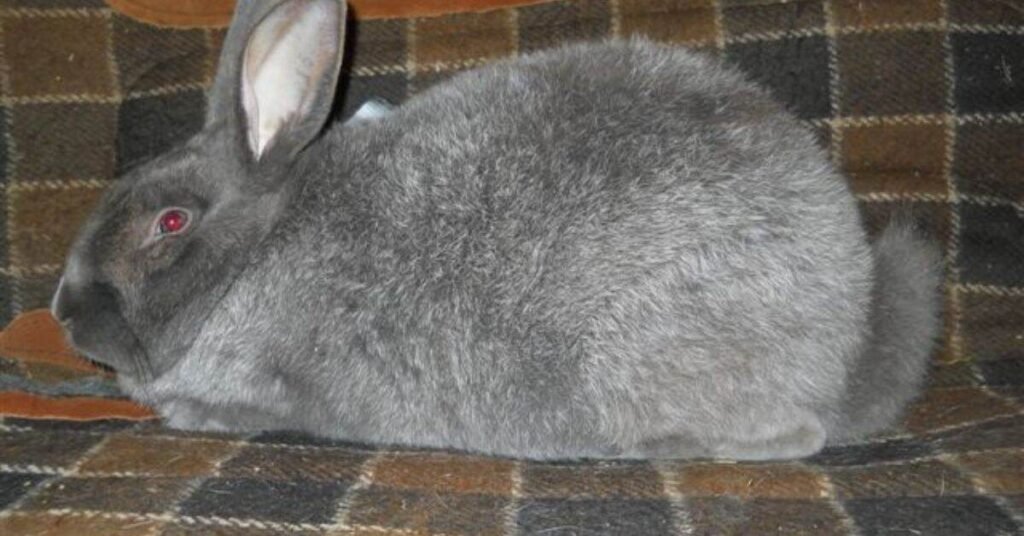
The silver fox rabbit makes an outstanding family pet for many reasons. Their gentle, docile nature suits households with children. They are patient with handling and rarely show aggression. First-time rabbit owners find them easy to care for and maintain. Their intelligence makes training simple and rewarding. These rabbits bond strongly with their families and show real affection.
Their stunning appearance turns heads everywhere. The unique standing fur and silvery coat are truly beautiful. Show enthusiasts love exhibiting these rare rabbits at competitions. The breed’s recovering status means you help preserve American heritage. Only about two thousand silver fox rabbits exist worldwide. Choosing this breed supports conservation efforts.
These multi-purpose rabbits serve many roles. They excel as meat rabbits with high dress-out percentages. Their fur is valuable and beautiful for crafts. They make calm, friendly pets that live seven to ten years. Show rabbits win prizes with their striking looks and proper conformation. Whether you want a pet, show animal, or homestead rabbit, the silver fox rabbit delivers.
Finding a Silver Fox Rabbit
The silver fox rabbit is rare but becoming easier to find. Prices typically range from twenty to one hundred dollars for pet quality. Show quality rabbits cost more depending on pedigree and coloring. Start your search online through rabbit breeder directories. Join social media groups dedicated to silver fox rabbits. The National Silver Fox Rabbit Club can connect you with reputable breeders.
Check reviews and references before buying from any breeder. Visit the rabbitry in person if possible to see conditions. Healthy rabbits should be alert, active, and well-groomed. Eyes should be clear and bright without discharge. The coat should be clean without bald patches or matting. Ask about the rabbit’s health history and parents’ information.
Avoid purchasing from pet stores as rabbits may come from poor breeding. Rescue organizations sometimes have silver fox rabbits available for adoption. Adopting gives a rabbit a second chance at a loving home. Be patient in your search as these rare rabbits are not always immediately available. The wait is worth it for this exceptional breed.
Conclusion
The Silver Fox rabbit is a beautiful and gentle breed that stands out because of its unique silver coat. Its calm nature makes it easy to bond with, and many people enjoy having it as a family pet. With a little daily care and attention, this breed stays healthy and happy.
These rabbits also enjoy soft grooming and a peaceful place to relax. When given proper space and good food, they become affectionate and trusting companions. They are a wonderful choice for anyone who wants a sweet and steady rabbit in their home.
FAQs
1. What is a Silver Fox rabbit?
It is a domestic rabbit breed known for its soft, silver-tipped fur and calm personality.
2. How big do Silver Fox rabbits grow?
They are a large breed, usually weighing between 9 and 12 pounds when fully grown.
3. Are Silver Fox rabbits friendly?
Yes, they are gentle, social, and good with families, which makes them easy to handle.
4. What kind of care do they need?
They need quality hay, fresh water, a spacious living area, and regular grooming because of their thick coat.
5. Do Silver Fox rabbits make good pets?
Yes, they are calm, affectionate, and adapt well to home environments.
