

Timothy rabbit hay comes from a perennial grass called Phleum pratense. This grass grows in cool climates and produces excellent nutrition for rabbits. Farmers harvest timothy grass multiple times during the growing season. Each harvest creates different cuts with unique textures and nutritional profiles. Your rabbit needs this hay as the foundation of their daily diet.
Timothy grass originated in Europe and spread worldwide over centuries. Farmers recognized its value for feeding livestock early on. Today this hay stands as the gold standard for rabbit nutrition. The grass grows tall, reaching up to six feet in ideal conditions. It thrives in areas with cold winters and warm summers.
The popularity of this grass hay stems from its perfect balance of nutrients. Rabbits evolved to eat grass and plants in the wild. Timothy hay closely matches what wild rabbits would naturally consume. This makes it easier for your bunny’s digestive system to process. Your rabbit’s body knows exactly how to break down and use these nutrients efficiently.
Why Rabbits Need Timothy Rabbit Hay
Rabbits require timothy rabbit hay for survival and proper health maintenance. Their digestive systems work differently from other pets like cats or dogs. A rabbit’s gut contains special bacteria that break down plant fiber. These bacteria need constant fiber to stay alive and function properly. Without enough hay, these beneficial bacteria die off quickly.
Your rabbit’s teeth grow continuously throughout their entire life. Teeth can grow up to five inches yearly without proper wear. This hay provides the rough texture needed to grind down teeth naturally. Chewing hay for hours each day keeps teeth at the right length. This prevents painful dental problems that require veterinary intervention.
The fiber in this grass keeps your rabbit’s intestines moving smoothly. Rabbits cannot vomit like humans can. This means food must move through their system in one direction only. High fiber content pushes everything along at the right pace. Poor gut motility causes dangerous conditions like gastrointestinal stasis that can become fatal within days.
Nutritional Benefits of Timothy Rabbit Hay

Timothy rabbit hay provides exceptional fiber content ranging from thirty to thirty-five percent. This fiber comes in two forms that serve different purposes. Indigestible fiber adds bulk and keeps food moving through the intestines. Digestible fiber feeds the good bacteria living in your rabbit’s cecum. Both types work together to maintain digestive health.
The protein content in this hay sits at eight to eleven percent depending on cutting and maturity. This moderate protein level suits adult rabbits perfectly. Too much protein can cause kidney problems over time. Too little protein leads to muscle loss and weakness. Timothy hay hits the sweet spot for long-term health.
Calcium levels in this grass remain low compared to legume hays like alfalfa. Adult rabbits need controlled calcium intake to prevent urinary stones. Excess calcium gets filtered through kidneys and appears in urine as white chalky residue. While some calcium is necessary for bone health, this hay provides just the right amount without overload.
Understanding Different Cuts of Timothy Rabbit Hay
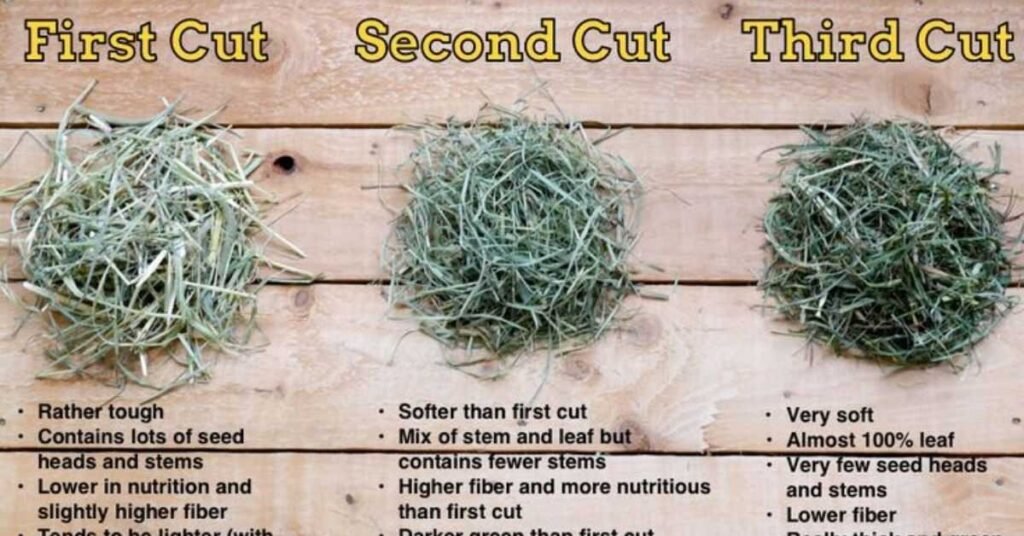
First cut timothy rabbit hay gets harvested in late spring or early summer. This cutting contains more stems and seed heads than later harvests. The texture feels coarse and crunchy when you touch it. First cut has the highest fiber content of all three cuttings. The stems are thicker and tougher to chew through.
Second cut timothy grows during mid-summer after the first harvest. This cutting achieves the best balance between leaves and stems. The texture feels softer than first cut but still maintains good fiber levels. Most rabbit owners choose second cut as their primary hay. It offers excellent nutrition while remaining palatable to picky eaters.
Third cut timothy rarely appears on the market due to short growing seasons. Farmers must push into fall months to achieve a third harvest. This cutting contains mostly leaves with very few stems. The soft texture appeals to rabbits with dental problems or sensitive mouths. However, third cut has less fiber and more calories than earlier cuttings.
| Cut Type | Fiber Content | Texture | Best For |
| First Cut | Highest | Coarse, thick stems | Weight loss, active chewers |
| Second Cut | Medium-High | Balanced, soft stems | Healthy adult rabbits |
| Third Cut | Lowest | Very soft, mostly leaves | Senior rabbits, dental issues |
How Much Timothy Rabbit Hay Rabbits Should Eat
Your rabbit needs unlimited access to timothy rabbit hay every single day. The amount they eat should equal their body size at minimum. Many rabbits consume hay equal to twice their body size daily. Never restrict hay intake for adult rabbits eating timothy varieties. Fresh hay should always be available in their feeding area.
Most rabbits eat more hay during evening and nighttime hours. This matches their natural behavior patterns as crepuscular animals. Your bunny becomes most active at dawn and dusk. Providing fresh hay during these peak times encourages healthy eating habits. Remove old hay and replace it with fresh portions daily.
Baby rabbits under seven months can eat timothy hay alongside alfalfa hay. Start mixing timothy into their diet around two months of age. Gradually increase timothy portions while decreasing alfalfa over several weeks. By six months old, most rabbits should eat primarily timothy hay. This transition prevents digestive upset from sudden diet changes.
Choosing Quality Timothy Rabbit Hay
High-quality timothy rabbit hay appears bright green in color throughout. Avoid hay that looks brown, yellow, or bleached. Fresh hay smells sweet and pleasant like dried grass. Musty or moldy odors indicate spoilage and potential health risks. Never feed hay that smells off to your rabbit.
The texture of good timothy hay feels dry and crisp to touch. Hay should not feel damp, sticky, or clump together. Check for visible mold spots which appear as white, gray, or black patches. Dusty hay irritates respiratory systems and should be shaken outside before feeding. Quality hay contains minimal dust particles.
Look for hay with a good ratio of leaves to stems. More leaves generally indicate better nutrition and palatability. Seed heads add variety that many rabbits enjoy eating. Avoid hay with excessive thick brown stems that rabbits often waste. Premium hay suppliers hand-select and package their products carefully for consistent quality.
Proper Storage for Timothy Rabbit Hay

Store timothy rabbit hay in a cool, dry location away from direct sunlight. Heat and light cause hay to lose nutrients and green color quickly. Basements work well if they remain dry with good air circulation. Closets, pantries, or spare rooms also make excellent storage spaces. Avoid garages or sheds where temperature and humidity fluctuate dramatically.
Hay needs airflow to prevent mold growth during storage. Never seal hay in airtight containers or plastic bags. Cardboard boxes with open tops work perfectly for hay storage. Large plastic bins with ventilation holes drilled in sides allow proper breathing. Wicker baskets or mesh bags also provide adequate airflow while containing loose hay.
Keep hay elevated off the floor to protect from pests and moisture. Use pallets, shelves, or raised platforms to store hay containers. Rotate your hay stock using the first-in-first-out method. Use older hay before opening new packages to ensure freshness. Properly stored timothy hay remains nutritious for twelve to eighteen months.
Signs Your Rabbit Loves Timothy Rabbit Hay
Healthy rabbits spend several hours daily eating timothy rabbit hay with enthusiasm. Your bunny should eagerly approach their hay feeder multiple times throughout the day. Watch for active chewing motions and content expressions while eating. Rabbits make soft grinding sounds with their teeth when enjoying their hay.
A rabbit who loves their hay produces plenty of round, firm droppings. Normal rabbit poops should be roughly pea-sized and hold their shape. You should see hundreds of these droppings daily from a healthy adult rabbit. Consistent poop production indicates your bunny eats enough hay to keep their digestion working properly.
Your rabbit may rearrange or play with hay before eating it. Some bunnies toss hay around their living space or build nests with it. This behavior shows comfort and engagement with their food source. Rabbits who reject hay often leave it completely untouched in their feeder. Sudden changes in hay consumption warrant veterinary attention.
Common Problems with Timothy Rabbit Hay
Some rabbits refuse to eat timothy rabbit hay due to poor quality or wrong cutting type. Picky eaters may reject hay that’s too coarse or lacks appealing seed heads. Try different cuts or brands to find what your rabbit prefers. Mix small amounts of other grass hays like orchard grass for variety and interest.
Dusty hay causes respiratory problems in sensitive rabbits and humans. Excessive dust makes rabbits sneeze or develop watery eyes. Shake hay outdoors before placing it in feeders to remove loose particles. Some suppliers offer dust-extracted hay specifically for allergy-prone households. Air purifiers near rabbit areas help control airborne hay particles.
Mold in hay presents serious health dangers to your rabbit. Never feed hay with visible mold spots or musty smells. Moldy hay causes digestive upset, respiratory infections, and potential organ damage. Check hay carefully before each feeding. Discard any questionable hay immediately rather than risking your rabbit’s health.
Timothy Rabbit Hay Versus Other Hay Types
Timothy rabbit hay contains less protein and calcium than alfalfa hay. Alfalfa works better for growing rabbits under six months old. Adult rabbits eating alfalfa often develop obesity or urinary problems. Timothy provides steady nutrition without excess calories or minerals. Most veterinarians recommend timothy as the primary hay for adult rabbits.
Orchard grass hay offers similar nutrition to timothy hay with different texture. Some rabbits prefer orchard grass’s softer feel and sweeter taste. Orchard grass makes an excellent alternative for rabbits or owners allergic to timothy. Both hays can be mixed together to provide variety. Either type supports healthy digestion equally well.
Meadow hay contains various grass species mixed together naturally. This variety adds interest and different textures to your rabbit’s diet. However, meadow hay quality varies greatly between batches and suppliers. Timothy hay provides more consistent nutrition and predictable results. Many owners use meadow hay as a supplement alongside timothy for enrichment.
Introducing Timothy Rabbit Hay to Baby Rabbits
Baby rabbits under two months old should eat primarily alfalfa hay for growth. Alfalfa provides extra protein and calcium needed for developing bones and muscles. Start offering small amounts of timothy rabbit hay around eight weeks of age. Place timothy alongside alfalfa so babies can explore both options safely.
Gradually increase timothy portions while decreasing alfalfa over several weeks. By four months old, timothy should make up about half their hay intake. At six months of age, most rabbits can transition completely to timothy hay. Some large breeds need alfalfa slightly longer for proper bone development.
Watch baby rabbits carefully during the transition to timothy hay. Their droppings should remain firm and plentiful throughout the change. Soft poops or reduced appetite indicates too-rapid transitions. Slow down the process if digestive upset occurs. Young rabbits adapt more easily when changes happen gradually over extended periods.
Timothy Rabbit Hay for Senior Rabbits
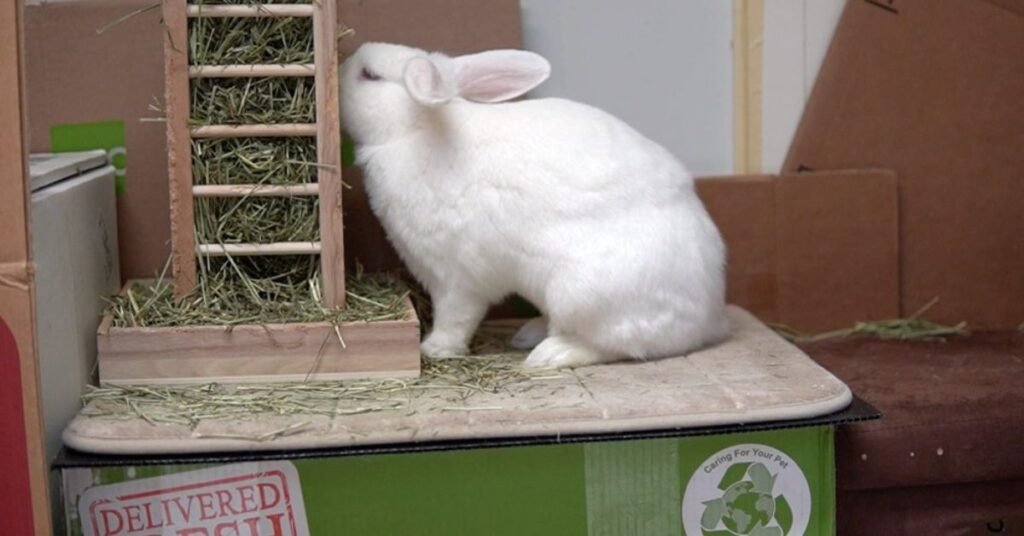
Older rabbits benefit greatly from continued timothy rabbit hay consumption throughout their lives. Senior bunnies may develop dental problems that make chewing difficult. Softer second or third cut timothy works better for aging mouths. Some owners soak hay briefly in water to soften tough stems for elderly rabbits.
Timothy hay helps senior rabbits maintain healthy weight as metabolism slows. The low-calorie content prevents obesity common in less-active older bunnies. High fiber keeps aging digestive systems functioning properly despite reduced gut motility. Continue offering unlimited timothy hay regardless of your rabbit’s age.
Arthritis or mobility issues may prevent senior rabbits from accessing hay feeders easily. Place hay in multiple locations around their living space. Keep hay at ground level where older rabbits can reach it comfortably. Monitor elderly bunnies closely to ensure they continue eating adequate amounts daily.
Health Benefits Beyond Nutrition
Timothy rabbit hay provides mental stimulation through natural foraging behavior. Rabbits evolved to spend most of their time searching for and eating grass. Offering unlimited hay allows them to express this instinctive behavior. Bored rabbits often develop destructive habits or depression. Hay keeps their minds engaged and satisfied.
Chewing hay reduces stress and anxiety in nervous rabbits. The repetitive motion of eating hay has a calming effect on bunny psychology. Rabbits who feel worried often seek out their hay for comfort. Providing constant access to hay helps anxious rabbits self-soothe naturally.
The rough texture of timothy hay aids in moving ingested fur through the digestive tract. Rabbits groom themselves constantly and swallow loose hair in the process. Unlike cats, rabbits cannot vomit up hairballs. Fiber from hay pushes hair through the system before it forms dangerous blockages. This natural process prevents serious intestinal complications.
Cost Considerations for Timothy Rabbit Hay
Buying timothy rabbit hay in bulk quantities saves money over time. Large boxes or bales cost less per pound than small bags. Calculate how much your rabbit eats monthly to determine bulk buying needs. Storage space becomes the limiting factor for most rabbit owners. Purchase the largest amount you can properly store and use within eighteen months.
Online suppliers often offer better prices on hay than pet stores. Shipping costs factor into total expenses, but bulk orders offset these fees. Compare prices between multiple vendors including shipping charges. Some companies offer subscription services with automatic deliveries at discounted rates. These programs ensure you never run out while saving money.
Quality hay costs more upfront but provides better value long-term. Cheap hay often contains excessive stems that rabbits waste. Premium hay has more edible leaves that rabbits actually consume. Better nutrition means healthier rabbits with fewer veterinary expenses. Investing in quality hay prevents expensive health problems down the road.
Making Timothy Rabbit Hay More Appealing
Refresh timothy rabbit hay multiple times daily to maintain interest and palatability. Rabbits prefer fresh hay over older portions sitting in feeders. Remove uneaten hay each morning and evening, then add new handfuls. This simple habit dramatically increases hay consumption in picky eaters.
Mix different cuts of timothy together for texture variety. Combine coarse first cut with softer second cut in the same feeder. This approach satisfies different preferences and encourages exploration. Some rabbits enjoy sorting through hay to find their favorite pieces. Variety prevents boredom with their primary food source.
Hide small treats within piles of hay to create foraging opportunities. Tuck a few pieces of herb or dried flowers into hay bundles. Your rabbit must dig through hay to find these treasures. This game makes hay more exciting while encouraging natural behaviors. Never replace hay with treats, only enhance it minimally.
Conclusion
Feeding your rabbit good-quality hay every day is one of the easiest ways to keep them strong and happy. It helps their digestion, supports dental health, and gives them something fun to chew on throughout the day.
Always make sure the hay is fresh, clean, and stored in a dry place. A steady supply of healthy hay keeps your rabbit active, satisfied, and full of energy. It’s a small habit that makes a big difference in their life.
FAQs
1. Why is hay important for rabbits?
It provides fiber for healthy digestion and helps keep their teeth in good shape.
2. How much hay should rabbits eat daily?
Rabbits should have unlimited access to fresh hay all day long.
3. Can young rabbits eat the same hay as adults?
Baby rabbits can start with alfalfa hay, then switch to timothy hay as they grow.
4. How do I know if the hay is good quality?
It should be green, smell fresh, and be free from dust or mold.
5. Can I mix different types of hay for my rabbit?
Yes, mixing a few kinds adds variety and keeps your rabbit interested in eating.
