


Introduction
A female rabbit is an adult female bunny, also called a doe. She has unique physical traits, behaviors, and care needs that differ from those of a male rabbit. Therefore, learning about these differences helps owners provide better daily care. A healthy diet, safe housing, and regular health checks all play an important role in keeping a female rabbit happy and active.
Many people choose a female rabbit because of her gentle nature and strong personality. However, some owners are surprised by changes in behavior as she grows older. Understanding these natural habits can prevent common mistakes and build a stronger bond with your pet. As a result, both you and your rabbit can enjoy a more comfortable and rewarding life together.
This complete guide explains everything you need to know about caring for a female rabbit. In addition, you will learn how to identify a female rabbit, understand her behavior, choose the right food, and maintain good health. The article also covers reproductive care, housing, grooming, and practical tips for first-time and experienced rabbit owners alike.
How to Identify a Female Rabbit

Identifying a female rabbit can be challenging, especially when the rabbit is still young. However, careful observation makes the process easier over time. Female rabbits have a vulva that appears as a narrow slit, while males have a more rounded opening. In addition, the distance between the genital opening and the anus is usually shorter in females. Therefore, checking these features gently can help you determine the rabbit’s sex more accurately.
Young rabbits are often difficult to identify because their reproductive organs are not fully developed. For this reason, many owners wait until the rabbit is several weeks old before making a final decision. Meanwhile, handling your rabbit with care helps prevent stress or injury during the examination. If you are unsure, a rabbit-savvy veterinarian or an experienced breeder can confirm the gender. As a result, you can provide the right care and make better decisions about housing and future breeding.
Physical Differences Between Female and Male Rabbits
Female and male rabbits look very similar, especially when they are young. However, a close examination reveals a few important physical differences. Female rabbits have a vulva that appears as a narrow slit, while males have a small, round opening. In addition, the space between the genital opening and the anus is shorter in females. Therefore, checking these features carefully helps identify the rabbit’s sex more accurately.
Adult male rabbits usually develop visible testicles, although they may pull them inside their body when frightened. Meanwhile, female rabbits do not have external reproductive organs like males. Some female rabbits also develop a fold of skin under the chin, called a dewlap, after reaching maturity. However, not every doe has a large dewlap, and some breeds show it more than others. As a result, combining several physical signs gives the most reliable identification.
| Feature | Female Rabbit (Doe) | Male Rabbit (Buck) |
| Genital Opening | Narrow vertical slit (vulva) | Small round or circular opening (penis) |
| Distance to Anus | Shorter distance | Slightly longer distance |
| External Testicles | Not present | Usually visible after maturity |
| Dewlap | Common in many adult females | Rare and usually very small |
| Body Shape | Often broader around the hips | Usually slimmer and more muscular |
| Pelvic Area | Wider to support reproduction | Narrower pelvis |
| Appearance in Young Rabbits | Difficult to identify | Difficult to identify |
| Best Age for Sexing | Around 8–12 weeks or older | Around 8–12 weeks or older |
| Ease of Identification | Moderate | Easier after the testicles descend |
| Most Reliable Method | Gentle genital examination by an experienced person or veterinarian | Gentle genital examination by an experienced person or veterinarian |
Signs to Determine a Rabbit’s Gender at Different Ages
A rabbit’s age plays an important role when identifying its gender. During the first few weeks, male and female rabbits look almost identical. Therefore, it is easy to make mistakes without enough experience. Around 8 to 12 weeks of age, the reproductive organs become easier to recognize. As a result, owners can identify the rabbit’s gender with greater confidence by checking carefully.
Older rabbits show clearer physical signs that help confirm their sex. Meanwhile, male rabbits often develop visible testicles after reaching maturity, while females do not. However, gentle handling is important because rabbits can become frightened during an examination. If you still feel unsure, a rabbit-savvy veterinarian can provide an accurate answer. Consider these common signs at different ages:
- Birth to 4 weeks: Gender is very difficult to identify accurately.
- 4 to 8 weeks: Small differences begin to appear, but mistakes are still common.
- 8 to 12 weeks: The genital area becomes easier to examine and identify.
- 3 to 6 months: Male testicles are usually visible, making identification more reliable.
- Adult rabbits: Physical differences are fully developed, making gender confirmation much easier.
Female Rabbit Personality and Natural Behavior

Every female rabbit has a unique personality, but many share similar natural behaviors. Some are calm and affectionate, while others are more independent and cautious. In addition, female rabbits often enjoy exploring their surroundings and creating safe hiding places. They become more confident when they feel secure in their environment. Therefore, patience and gentle interaction help build trust over time.
Many female rabbits become more social after spending time with their owners each day. Meanwhile, they may show protective behavior around their living space, especially after reaching maturity. However, this does not always mean they are aggressive, as they are simply following instincts. Proper care, daily exercise, and mental enrichment can reduce unwanted behaviors. As a result, your female rabbit is more likely to stay relaxed, active, and happy.
| Personality or Behavior | What It Means | How Owners Should Respond |
| Curious nature | Enjoys exploring new areas | Provide safe spaces and rabbit-proof the home |
| Gentle temperament | Forms close bonds with trusted people | Handle calmly and spend time together daily |
| Territorial behavior | Protects the cage or nesting area | Respect personal space and avoid sudden movements |
| Intelligent mind | Learns routines and recognizes people | Use positive reinforcement during training |
| Active periods | Most energetic at dawn and dusk | Schedule playtime during these hours |
| Digging instinct | Natural behavior for comfort and nesting | Offer digging boxes or safe toys |
| Chewing habit | Helps keep teeth healthy | Provide rabbit-safe chew toys and hay |
| Social interaction | Enjoys companionship when introduced properly | Bond slowly with other compatible rabbits |
| Alert behavior | Reacts quickly to unfamiliar sounds | Keep the environment calm and predictable |
| Affection signs | May nudge, lick, or follow owners | Respond gently to strengthen trust and bonding |
Common Temperament Traits
Most female rabbits have a gentle temperament, but each one develops a unique personality over time. Some enjoy human attention, while others prefer a little more personal space. In addition, many female rabbits are intelligent and learn daily routines quickly. They often recognize familiar voices and feeding times. Therefore, consistent care helps them feel safe and confident.
Many dogs become more affectionate after building trust with their owners. Meanwhile, they may protect their favorite resting or nesting spots. However, this behavior is usually natural and can improve with proper handling and socialization. Daily interaction, safe toys, and enough exercise encourage calm behavior and reduce stress. Common temperament traits include:
- Gentle and calm around trusted people.
- Curious about new places and objects.
- Intelligent and quick to learn routines.
- Independent but capable of forming strong bonds.
- Protective of their living space after maturity.
- Active during the early morning and evening.
- Playful when given enough space and enrichment.
- Alert to unfamiliar sounds and sudden movements.
Why Female Rabbits May Become Territorial
Female rabbits may become territorial because protecting their space is an instinct. They often guard their cage, nesting area, or favorite hiding spot from anything they see as a threat. In addition, hormonal changes during maturity can make this behavior more noticeable. Therefore, your rabbit may grunt, nudge, or chase away unwanted visitors. These actions are usually normal and do not always mean the rabbit is aggressive.
Proper care and gentle handling can help reduce territorial behavior over time. Meanwhile, giving your rabbit enough space and daily exercise helps lower stress and boredom. Spaying also reduces hormone-related behaviors in many female rabbits. However, each rabbit has a different personality, so changes may happen at different speeds. As a result, patience, positive interactions, and a stable environment help your female rabbit feel more secure and relaxed.
Housing and Daily Care for a Female Rabbit
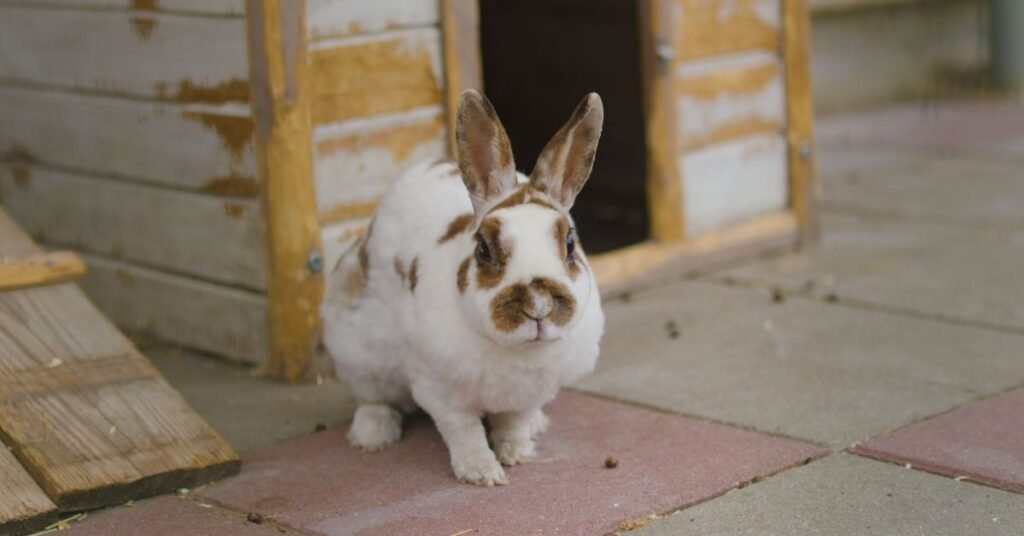
A clean and comfortable home helps a female rabbit stay healthy and relaxed. She needs enough room to hop, stretch, and play every day. In addition, the enclosure should include fresh hay, clean water, soft bedding, and a safe hiding place. Good airflow and regular cleaning also lower the risk of illness. Therefore, a well-maintained habitat supports both physical and mental health.
Daily care includes feeding, exercise, grooming, and gentle interaction. Meanwhile, spending time with your rabbit helps build trust and reduces stress. Brush her coat during shedding seasons and check for changes in eating or behavior. However, avoid sudden changes to her routine because rabbits enjoy stability. As a result, consistent care keeps your female rabbit active, comfortable, and happy.
| Care Area | Recommended Practice | Benefit |
| Living Space | Spacious enclosure | Encourages movement |
| Bedding | Soft, dust-free bedding | Improves comfort |
| Hay | Unlimited grass hay | Supports digestion |
| Water | Fresh water daily | Prevents dehydration |
| Diet | Fresh greens and measured pellets | Balanced nutrition |
| Hiding Spot | Tunnel or shelter | Reduces stress |
| Exercise | Daily supervised play | Keeps the rabbit fit |
| Grooming | Brush during shedding | Removes loose fur |
| Litter Box | Clean every day | Improves hygiene |
| Cleaning | Deep clean weekly | Reduces bacteria |
| Chew Toys | Safe wooden toys | Supports dental health |
| Health Check | Watch appetite and droppings | Detects problems early |
Creating a Safe and Comfortable Living Space
Every female rabbit needs a secure living space where she can rest and move freely. A large enclosure allows her to hop, stretch, and explore without feeling confined. In addition, provide soft bedding, fresh hay, clean water, and a quiet hiding place. Keep the habitat in a cool, well-ventilated area away from direct sunlight and loud noises. Therefore, a peaceful environment helps reduce stress and supports better overall health.
Placing rabbit-safe toys and tunnels inside the enclosure keeps your pet active and mentally stimulated. Meanwhile, remove electrical cords, toxic plants, and small objects from areas where she plays. Clean the enclosure regularly to prevent odors and harmful bacteria from building up. However, avoid using strong cleaning chemicals because their fumes may affect your rabbit. As a result, a clean and safe home helps your female rabbit stay comfortable, confident, and healthy.
| Living Space Feature | Recommendation | Benefit |
| Enclosure Size | Large enough to hop and stretch | Promotes daily exercise |
| Bedding | Soft, dust-free material | Improves comfort |
| Hay Rack | Keep filled with fresh hay | Supports healthy digestion |
| Water Source | Clean bowl or bottle | Provides constant hydration |
| Hideout | Wooden house or tunnel | Makes the rabbit feel secure |
| Flooring | Non-slip solid surface | Protects feet from injury |
| Ventilation | Good airflow without drafts | Maintains fresh air |
| Toys | Safe chew toys and tunnels | Prevents boredom |
| Play Area | Rabbit-proof the room | Reduces accident risks |
| Cleaning Routine | Spot clean daily and deep clean weekly | Keeps the habitat hygienic |
Best Diet for a Female Rabbit

A balanced diet is essential for keeping a female rabbit healthy and active. Fresh grass hay should make up most of her daily food because it supports digestion and dental health. In addition, offer leafy green vegetables and a small portion of quality rabbit pellets each day. Clean, fresh water should always be available for proper hydration. Therefore, a consistent feeding routine helps your rabbit maintain a healthy weight and a strong immune system.
Different life stages may require small changes to a female rabbit’s diet. Meanwhile, sugary treats and processed foods should only be given rarely or avoided completely. Introduce new foods slowly to prevent digestive upset and monitor your rabbit’s response. However, remove any uneaten fresh vegetables after a few hours to keep them safe. A healthy diet should include:
- Unlimited fresh grass hay every day.
- Fresh leafy greens in suitable portions.
- High-quality rabbit pellets in moderation.
- Clean, fresh water available at all times.
- Safe treats like small pieces of apple or carrot only occasionally.
- Avoid chocolate, onions, garlic, iceberg lettuce, and processed human foods.
Foods That Should Always Be Avoided
Certain foods can seriously harm a female rabbit and should never be included in her diet. Chocolate, onions, garlic, avocado, and processed snacks contain ingredients that rabbits cannot digest safely. In addition, sugary foods may upset the digestive system and lead to weight gain. Therefore, offering only rabbit-safe foods is the best way to protect her long-term health. Always check whether a food is safe before feeding it to your pet.
Fresh vegetables are healthy, but not every vegetable is suitable for rabbits. Meanwhile, sudden diet changes can also cause stomach problems and reduce appetite. Introduce new foods slowly and watch for signs of digestive discomfort or unusual droppings. However, if your rabbit shows signs of illness after eating something new, contact a veterinarian promptly. Avoid feeding these foods:
- Chocolate and candy.
- Onions, garlic, and leeks.
- Avocado.
- Iceberg lettuce.
- Rhubarb leaves and stems.
- Potato and raw potato peels.
- Bread, biscuits, and other baked foods.
- Sugary cereals and processed snacks.
- Dairy products.
- Meat, eggs, and other animal-based foods.
Female Rabbit Health and Common Medical Issues
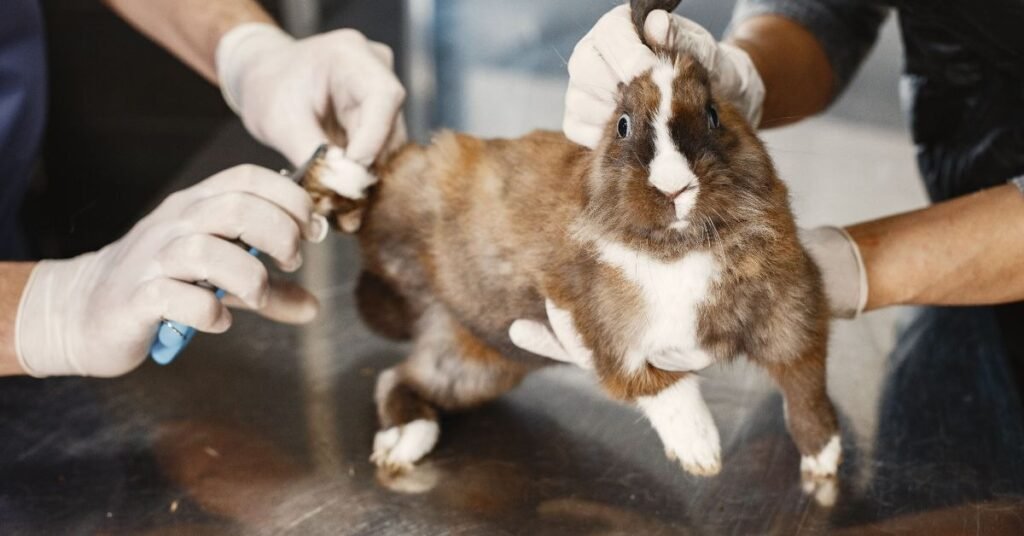
Keeping a female rabbit healthy requires regular care and close observation. She may hide signs of illness, so small changes in behavior should never be ignored. In addition, a balanced diet, clean housing, and daily exercise help prevent many common health problems. Regular veterinary checkups also support early diagnosis and treatment. Therefore, paying attention to your rabbit’s routine can improve her quality of life.
Several medical issues affect female rabbits more often as they grow older. Meanwhile, digestive problems, dental disease, and reproductive disorders are among the most common concerns. Check her appetite, droppings, weight, and energy level every day for early warning signs. However, seek veterinary care quickly if she stops eating or appears weak. As a result, prompt treatment gives your rabbit the best chance of a full recovery.
| Health Issue | Common Signs | Prevention Tips |
| Digestive Stasis | Loss of appetite, few droppings | Feed unlimited hay and encourage exercise |
| Dental Problems | Drooling, difficulty eating | Provide hay and safe chew toys |
| Obesity | Weight gain, reduced activity | Control pellet portions and promote exercise |
| Uterine Disease | Bloody discharge, behavior changes | Consider spaying at the recommended age |
| Respiratory Infection | Sneezing, nasal discharge | Keep housing clean and well ventilated |
| Parasites | Itching, fur loss | Maintain good hygiene and regular health checks |
| Overgrown Nails | Difficulty walking | Trim nails regularly or ask a veterinarian |
| Heat Stress | Panting, weakness | Keep the environment cool and provide fresh water |
Early Signs of Illness Every Owner Should Notice
Rabbits often hide illness until they feel very unwell. Therefore, small changes in daily habits deserve close attention. A female rabbit may eat less, drink differently, or produce fewer droppings than usual. In addition, she may become quiet, hide more often, or lose interest in normal activities. Early observation can help owners notice problems before they become serious.
Changes in physical appearance can also signal a health concern. Meanwhile, unusual breathing, discharge, diarrhea, or a dirty bottom should not be ignored. However, one unusual sign does not always show the exact cause of illness. Contact a rabbit-savvy veterinarian quickly if your pet stops eating or seems weak. Watch for these warning signs:
- Reduced appetite or refusal to eat.
- Fewer, smaller, or unusual droppings.
- Sudden weight loss or weakness.
- Hiding more than usual.
- Difficulty breathing or frequent sneezing.
- Diarrhea or a dirty rear area.
- Drooling or trouble chewing food.
- Unusual discharge from the eyes or nose.
- Sudden changes in behavior or movement.
Why Regular Veterinary Checkups Matter
Regular veterinary checkups help protect a female rabbit’s health before small problems become serious. Rabbits often hide pain and illness, so a professional examination can reveal concerns that owners may miss. In addition, a veterinarian can check the teeth, weight, nails, eyes, ears, and overall condition. Therefore, routine visits support early detection and better treatment outcomes. These checkups become especially important as a rabbit grows older.
During an examination, your veterinarian can also offer advice about diet, housing, vaccinations where appropriate, and reproductive health. Meanwhile, spaying may help reduce the risk of serious reproductive diseases in female rabbits. However, the right timing and procedure should always be discussed with a rabbit-savvy veterinarian. Seek professional advice if you notice:
- Loss of appetite or fewer droppings.
- Sudden weight loss or unusual weakness.
- Breathing problems or nasal discharge.
- Changes in behavior or movement.
- Dental problems, drooling, or trouble eating.
- Unusual bleeding or discharge.
- Persistent diarrhea or digestive changes.
Female Rabbit Reproductive Health
Reproductive health is an important part of caring for a female rabbit. A doe can become sexually mature at a young age, although the exact timing varies by breed and individual development. Therefore, owners should understand the risks of accidental breeding and pregnancy. Hormonal changes may also affect behavior, causing nesting, mounting, or territorial habits. Proper veterinary guidance helps protect her health as she matures.
Spaying is often discussed because unspayed female rabbits face a higher risk of reproductive diseases as they age. Meanwhile, a veterinarian can explain the benefits, risks, and suitable timing for the procedure. Pregnancy also requires careful nutrition, safe housing, and professional support. However, breeding should never be planned without understanding the health and welfare needs of both the mother and her kits. As a result, responsible reproductive care supports a longer and healthier life.
Understanding Heat Cycles and Mating Behavior
Female rabbits do not have a regular heat cycle like some other pets. Instead, they are induced ovulators, so mating can trigger the release of eggs. Therefore, a female may become receptive at different times. Signs may include restlessness, raised hindquarters, and increased interest in a male. However, these behaviors can vary from one rabbit to another.
Male rabbits can show mating interest throughout the year. Meanwhile, a receptive female may become more active or allow mounting behavior. Consequently, accidental breeding can happen very quickly when intact rabbits share the same space. For this reason, owners should separate males and females unless planned breeding is managed carefully. Additionally, a veterinarian can provide helpful guidance about safe reproductive care.
| Behavior or Sign | Possible Meaning | Helpful Advice |
| Raised hindquarters | The female may be receptive. | Observe her behavior. |
| Restlessness | Hormonal changes may affect activity. | Check for other possible causes. |
| Increased interest in a male | She may be ready to mate. | Keep breeding plans controlled. |
| Mounting | Mating or dominance behavior may occur. | Separate rabbits if fighting starts. |
| Nest building | Hormones may trigger nesting. | False pregnancy can also cause it. |
| Chin rubbing | The rabbit may be marking territory. | This is usually normal behavior. |
| Male chasing | The male may be showing mating interest. | Prevent unwanted breeding promptly. |
| Aggression | Hormones or territorial stress may be involved. | Give rabbits separate spaces if needed. |
Training and Socializing a Female Rabbit
Training a female rabbit works best with patience and gentle handling. Start with short sessions in a quiet area. Then, use small rabbit-safe treats to reward calm behavior. Gradually, teach her to come when called and enter her carrier. Avoid shouting or punishment because these methods can create fear. Instead, repeat simple training steps until she feels comfortable.
Socialization also helps a female rabbit become more confident around people. Allow her to approach you at her own pace. Meanwhile, sit quietly nearby and speak in a calm voice. Over time, gentle interaction can help build trust and reduce nervous behavior. Furthermore, supervised time with a compatible rabbit may provide companionship. However, introductions should be slow and carefully managed to prevent fighting.
| Training or Socialization Goal | Helpful Method | Important Tip |
| Building trust | Sit quietly near your rabbit | Let her approach first |
| Learning her name | Repeat her name calmly | Reward attention |
| Coming when called | Use a consistent sound | Offer a small reward |
| Carrier training | Leave the carrier open nearby | Make it feel safe |
| Gentle handling | Support the body properly | Never grab the ears |
| Reducing fear | Use calm movements | Avoid sudden actions |
| Meeting new people | Introduce one person at a time | Keep sessions brief |
| Meeting another rabbit | Use gradual introductions | Supervise every session |
| Learning boundaries | Redirect unwanted behavior | Avoid punishment |
| Improving confidence | Provide safe exploration | Let her move at her own pace |
Litter Training Tips for Better Results
Litter training becomes easier when your rabbit has a consistent routine. Start by placing a litter box near the area she already uses. Then, add some clean hay beside or above the box because rabbits often eat while using it. Reward good habits with gentle praise and a small healthy treat. However, accidents are normal during the learning process. Therefore, clean mistakes well so lingering smells do not encourage repeated accidents.
Choose a litter box that is large enough for your female rabbit to turn around comfortably. Meanwhile, keep the box clean because a dirty space may discourage regular use. Place extra boxes in larger living areas to make training easier. Additionally, watch for signs that she needs to go and gently guide her toward the box. With patience and consistency, most rabbits gradually develop reliable litter habits.
Helpful litter training tips:
- Use rabbit-safe litter without harmful dust or strong fragrances.
- Place hay near the litter box to encourage regular use.
- Clean accidents quickly with a safe, odor-removing cleaner.
- Provide extra litter boxes in large or multi-level spaces.
- Avoid punishment because it can create fear and confusion.
- Reward consistent litter box use with calm praise.
Building Trust and Strengthening Your Bond
Trust grows when your female rabbit feels safe around you. Begin by sitting quietly near her without forcing contact. Then, allow her to approach and investigate you at her own pace. Gentle strokes can help when she becomes comfortable with your presence. However, avoid sudden movements because they may cause fear. Over time, calm and regular interaction can make her feel more secure.
Daily routines can also strengthen your relationship with your rabbit. Offer food, fresh water, playtime, and gentle attention at similar times each day. Meanwhile, observe her body language and respect signs that she wants space. Furthermore, interactive activities can provide positive experiences together. As a result, your rabbit may become more confident and develop a stronger bond with you.
| Trust Building Activity | How It Helps | Helpful Tip |
| Sitting quietly nearby | Helps your rabbit feel safe | Avoid sudden movements |
| Offering treats by hand | Creates positive associations | Use small healthy portions |
| Gentle petting | Builds comfort with touch | Stop if she seems stressed |
| Speaking softly | Helps her recognize your voice | Use a calm tone |
| Floor time together | Allows natural interaction | Let her approach first |
| Regular routines | Creates predictability | Keep daily care consistent |
| Interactive play | Encourages positive experiences | Use safe rabbit toys |
| Respecting personal space | Prevents fear and stress | Never force contact |
| Watching body language | Shows how she feels | Respond to signs of discomfort |
Conclusion
Caring for a female rabbit requires patience, consistency, and gentle attention. A safe home helps her feel comfortable and secure. In addition, a balanced diet supports her health and daily energy. Regular grooming, exercise, and clean living areas also improve her overall well-being.
Training can make daily care much easier. For example, litter training helps keep her living space cleaner. Similarly, gentle socialization can build confidence and reduce fear. However, every rabbit has a unique personality, so progress may take time.
Understanding her behavior is equally important. Therefore, watch for changes in appetite, activity, and body language. Respect her need for personal space, while offering regular interaction and enrichment. As trust grows, your rabbit may become more relaxed and affectionate.
Ultimately, a strong bond develops through daily care and positive experiences. Provide patience, safe handling, healthy food, and plenty of attention. Moreover, seek veterinary advice when unusual health or behavior changes appear. With proper care, your female rabbit can enjoy a healthy, comfortable, and happy life.
Frequently Asked Questions
1. How can I build trust with a female rabbit?
Start by spending quiet time near her without forcing contact. Then, allow her to approach you at her own pace. Gentle handling and small treats can create positive experiences. Over time, patience and regular care can strengthen your bond.
2. Is litter training difficult for female rabbits?
Litter training is usually easier with a consistent routine. Place the box near an area she already uses, and add hay nearby. Additionally, clean accidents quickly and avoid punishment. With patience, many rabbits develop reliable litter habits.
3. How should I socialize my female rabbit?
Introduce new people and experiences slowly. Meanwhile, allow your rabbit to explore at a comfortable pace. Calm voices and gentle interaction can help reduce fear. Furthermore, introductions to another rabbit should always be gradual and supervised.
4. What can I do if my rabbit seems nervous?
Give her a quiet and safe space where she can retreat. Avoid sudden movements and loud noises around her. Instead, use calm interaction and allow her to approach you. If nervous behavior continues or suddenly worsens, seek veterinary advice.
5. How can I keep my female rabbit happy and confident?
Provide a clean living area, a suitable diet, daily exercise, and safe enrichment. Also, offer regular attention while respecting her need for personal space. Consequently, a predictable routine can help her feel secure. Regular observation can also help you notice changes early.
