

Introduction
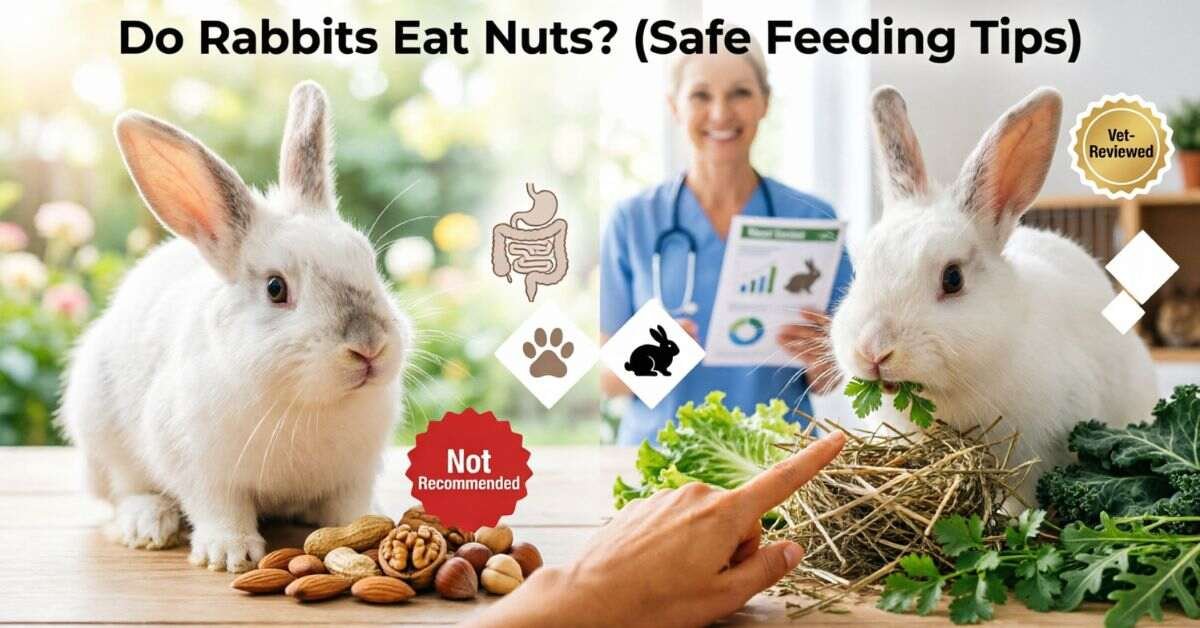
Rabbits are small, gentle animals that many people keep as pets. They have a very sensitive digestive system. Their diet mainly includes hay, fresh vegetables, and clean water. Because of this, even small changes in their food can affect their health. This is why understanding what they can and cannot eat is very important for every rabbit owner.
Many new rabbit owners often wonder about different foods, especially nuts. At first, nuts may look harmless because they are natural and healthy for humans. However, what is safe for people is not always safe for rabbits. This creates confusion and sometimes leads to feeding mistakes that can harm a rabbit’s stomach and overall health.
So, do rabbits eat nuts, or should they be avoided completely? This is an important question because rabbits need a very specific diet to stay healthy. In this topic, we will look at whether nuts are safe for rabbits, how they affect their digestion, and what owners should know before offering any new food.
Do Rabbits Eat Nuts Safely?
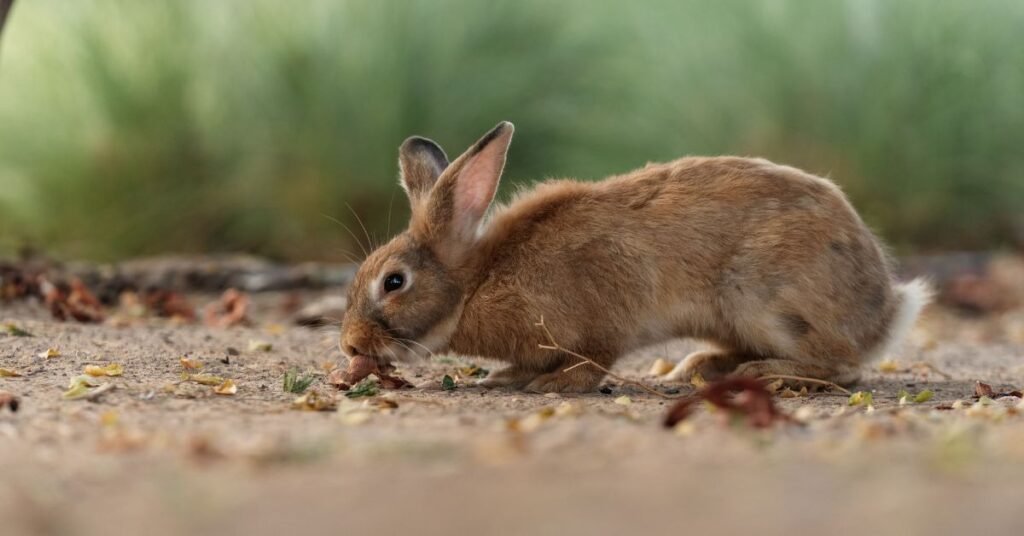
Although rabbits may nibble on many foods, nuts are not considered a safe choice for them. Their digestive system is designed to process high-fiber foods such as hay and leafy greens. In contrast, nuts contain large amounts of fat and calories. Consequently, rabbits may have difficulty digesting them. Therefore, regular nut consumption may increase the risk of digestive discomfort and other health issues.
Moreover, nuts provide very little nutritional value that rabbits cannot get from safer foods. Even a small amount can upset a rabbit’s sensitive stomach in some cases. Additionally, frequent consumption may contribute to unwanted weight gain over time. Instead, rabbit owners should offer healthy treats such as fresh vegetables and rabbit-safe fruits in moderation. Consequently, avoiding nuts is the best way to support a balanced and healthy rabbit diet.
Why Rabbits Like the Taste of Nuts
Many rabbits are naturally curious about different foods and flavors. Because nuts contain natural oils and fats, they often have a rich taste that attracts rabbits. In addition, the crunchy texture can make them seem enjoyable to chew. However, liking a food does not always mean it is healthy. Therefore, rabbits may show interest in nuts even when they are not suitable for regular feeding.
Meanwhile, these qualities can make nuts appealing, but they do not provide the fiber rabbits need. As a result, owners should not assume that a rabbit’s preference makes nuts a safe treat. Instead, offering rabbit-friendly foods is a much better choice for long-term health. Furthermore, rabbits often explore food by smelling and tasting small amounts. Some characteristics that may attract them include:
- Crunchy texture
- Rich flavor from natural fats
- Strong aroma compared to hay
- Novelty of a different food item
Are Nuts Natural Food for Rabbits?
Wild rabbits mainly eat grasses, weeds, leaves, and other high-fiber plants. Their bodies have adapted to process these foods efficiently over time. In contrast, nuts are not a regular part of a rabbit’s natural diet. Although rabbits may occasionally come across nuts in the wild, they do not actively depend on them for nutrition. Therefore, nuts cannot be considered a natural staple food for rabbits.
Moreover, a rabbit’s digestive system works best when it receives plenty of fiber each day. Nuts contain more fat and fewer fibers than the foods rabbits normally eat. As a result, feeding nuts does not match their natural nutritional needs. Instead, hay, leafy greens, and safe vegetables provide the nutrients rabbits require. Consequently, following a diet that resembles what rabbits naturally eat helps support better health and digestion.
Types of Nuts Rabbits May Try to Eat
Curious rabbits may show interest in different kinds of nuts when they find them around the home. Because nuts often have a strong smell and a crunchy texture, they can quickly attract attention. However, interest in these foods does not mean they are suitable for rabbits. Most nuts contain high levels of fat and calories, which are not ideal for a rabbit’s digestive system.
Meanwhile, pet owners sometimes assume that natural foods are always safe for rabbits. Yet many nuts can be difficult for rabbits to digest properly. In addition, salted, roasted, or flavored nuts may contain ingredients that are even more harmful. Therefore, allowing rabbits to eat nuts regularly is not recommended. Instead, offering hay, leafy greens, and rabbit-safe treats is a much healthier choice. Consequently, rabbits receive the nutrients they need without the risks linked to nuts.
Some common nuts that rabbits may try to eat include:
- Almonds
- Peanuts
- Walnuts
- Cashews
- Pistachios
Can Rabbits Eat Almonds, Walnuts, and Cashews?
Although almonds, walnuts, and cashews are popular snacks for humans, they are not recommended for rabbits. These nuts contain large amounts of fat and calories. This puts extra strain on a rabbit’s digestive system. In addition, rabbits do not need nuts to meet their nutritional requirements. Therefore, it is best to avoid offering these foods as treats.
Moreover, each type of nut presents similar concerns for rabbit health. Some nuts may also create a choking risk if eaten in large pieces. Meanwhile, rabbits benefit far more from high-fiber foods such as hay and leafy greens. The table below shows a simple comparison of these common nuts. Consequently, owners can better understand why they are not suitable choices.
| Type of Nut | Can Rabbits Eat It? | Main Concern | Recommendation |
| Almonds | Not Recommended | High fat content | Avoid feeding |
| Walnuts | Not Recommended | High fat and calories | Avoid feeding |
| Cashews | Not Recommended | Difficult to digest | Avoid feeding |
| Roasted Almonds | Not Recommended | Added oils and salt | Avoid feeding |
| Salted Cashews | Not Recommended | Excess salt | Avoid feeding |
| Flavored Walnuts | Not Recommended | Artificial ingredients | Avoid feeding |
Health Risks of Feeding Nuts to Rabbits

Feeding rabbits nuts can lead to several health problems over time. Because nuts are high in fat, they can upset a rabbit’s sensitive digestive system. In addition, regular consumption may lead to unhealthy weight gain.
Furthermore, rabbits need foods that are rich in fiber rather than fat. When nuts replace healthier options, digestion may become less efficient. As a result, rabbits may not receive the nutrients required for good health. Meanwhile, flavored or salted nuts can raise additional concerns due to added ingredients. Consequently, owners should focus on hay, leafy greens, and rabbit-safe treats to support long-term wellness and proper digestion.
Some common risks include:
- Digestive discomfort
- Obesity and excess weight
- Reduced appetite for hay
- Choking hazards from large pieces
Digestive Problems and Choking Risks
Since rabbits have delicate digestive systems, nuts can sometimes cause stomach-related problems. Their bodies are designed to process fiber-rich foods rather than fatty snacks. As a result, eating nuts may lead to bloating, discomfort, or changes in normal digestion. In addition, excessive fat can impair healthy gut function over time. Therefore, rabbit owners should be careful about foods that do not match a rabbit’s natural diet.
Likewise, nuts can also present a choking risk, especially when offered in large or hard pieces. Some rabbits may try to swallow food quickly without chewing it well. Consequently, pieces of nuts can become difficult to handle safely. Meanwhile, the table below highlights common concerns linked to feeding nuts. Thus, understanding these risks can help owners make safer feeding choices.
| Potential Risk | How It Can Affect Rabbits | Why It Matters |
| Bloating | Causes stomach discomfort | May reduce appetite |
| Digestive Upset | Disrupts normal digestion | It can affect overall health |
| Excess Fat Intake | Adds unnecessary calories | May contribute to obesity |
| Reduced Hay Consumption | Rabbits may prefer treats | Lowers fiber intake |
| Choking Hazard | Hard pieces may be difficult to chew | Can create an emergency |
| Poor Nutritional Balance | Replaces healthier foods | Limits essential nutrients |
| Gut Function Problems | The digestive system may slow down | Impacts digestive health |
What Happens If a Rabbit Eats Nuts?
Occasionally, a rabbit may eat a small piece of a nut without showing immediate signs of illness. In many cases, one tiny amount may not cause a serious problem. However, rabbits can react differently depending on their size, health, and the type of nut consumed. As a result, owners should watch their pets closely after any accidental exposure. Therefore, paying attention to behavior and eating habits is very important.
Meanwhile, larger amounts of nuts can increase the risk of digestive issues and discomfort. A rabbit may show signs such as reduced appetite, fewer droppings, or lower energy levels. In addition, the high fat content can place extra stress on the digestive system. Consequently, regular nut consumption may lead to more serious health concerns over time. Instead, providing plenty of hay and fresh water can help support normal digestion and overall well-being.
Signs Your Rabbit Ate Too Many Nuts
After eating too many nuts, a rabbit may begin to show signs of digestive discomfort. Because rabbits have sensitive stomachs, changes can appear fairly quickly. Additionally, some rabbits may sit quietly or seem less active than usual. In certain cases, they may drink less water or avoid their favorite foods. As a result, these changes can signal that the digestive system is not working properly.
Meanwhile, symptoms that last for several hours should not be ignored. Consequently, contacting a rabbit-savvy veterinarian is a wise step if your pet shows ongoing signs of illness or discomfort. Some symptoms that owners should watch for include:
- Reduced appetite
- Smaller or fewer droppings
- Low energy levels
- Stomach bloating
- Less interest in normal activities
Are Any Nuts Safe for Rabbits in Small Amounts?
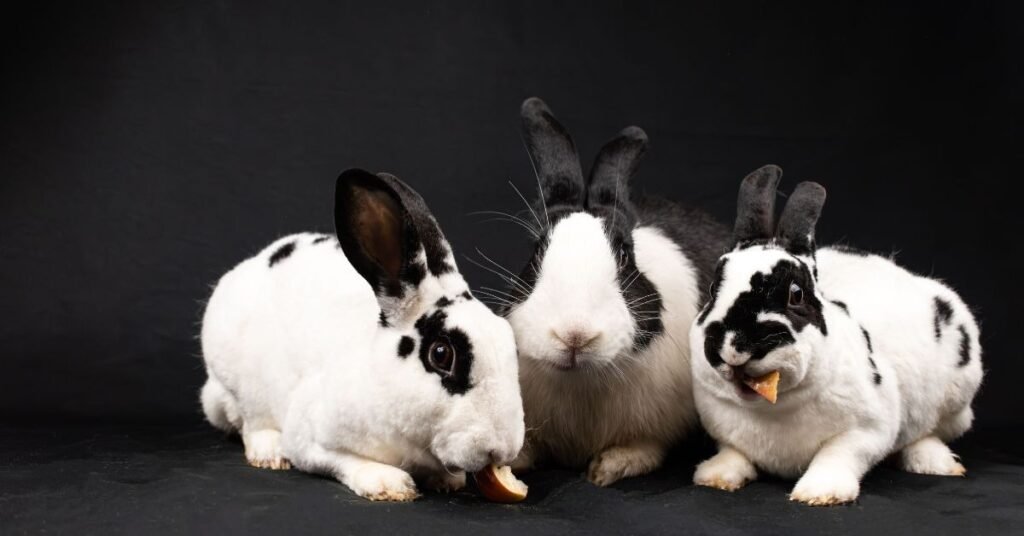
Generally, nuts are not recommended for rabbits, even in small amounts. Although a tiny piece may not always cause immediate harm, it still offers little nutritional benefit. In addition, the high fat content does not match a rabbit’s dietary needs. As a result, many veterinarians and rabbit care experts suggest avoiding nuts altogether. Therefore, it is better to choose foods that support healthy digestion and long-term wellness.
Instead, rabbits should receive treats that are naturally rich in fiber and easier to digest. Small portions of rabbit-safe fruits or leafy greens are usually better options. Moreover, these foods fit more closely with a rabbit’s natural eating habits. Meanwhile, feeding nuts regularly can increase the risk of digestive upset and weight gain. Consequently, avoiding nuts remains the safest approach for maintaining a balanced and healthy rabbit diet.
Safe Portion Size for Rabbits
Unlike some other treats, nuts do not have a recommended safe portion size for rabbits. Because they are high in fat and low in fiber, they are not suitable as part of a healthy rabbit diet. In addition, even small amounts provide little nutritional value. Therefore, the safest portion is no nuts at all. Instead, choose treats that support healthy digestion and natural eating habits.
Meanwhile, the table below compares nuts with safer alternatives for rabbits. As a result, it becomes easier to understand which foods should be offered and which should be avoided. Moreover, healthy treats should always be given in moderation alongside unlimited hay. Consequently, rabbits receive balanced nutrition without unnecessary health risks.
| Food | Safe for Rabbits? | Recommended Portion | Feeding Frequency | Notes |
| Almonds | No | None | Never | High in fat and difficult to digest |
| Walnuts | No | None | Never | Too rich for rabbits |
| Cashews | No | None | Never | Low in fiber and high in calories |
| Peanuts | No | None | Never | Not a natural rabbit food |
| Timothy Hay | Yes | Unlimited | Daily | Main part of the diet |
| Leafy Greens | Yes | 1–2 cups per 2 kg (4.4 lb) of body weight daily | Daily | Choose a variety of rabbit-safe greens |
| Rabbit-Safe Fruits | Yes | 1–2 teaspoons | Occasional treat | Feed in small amounts because of natural sugar |
Healthy Alternatives to Nuts for Rabbits
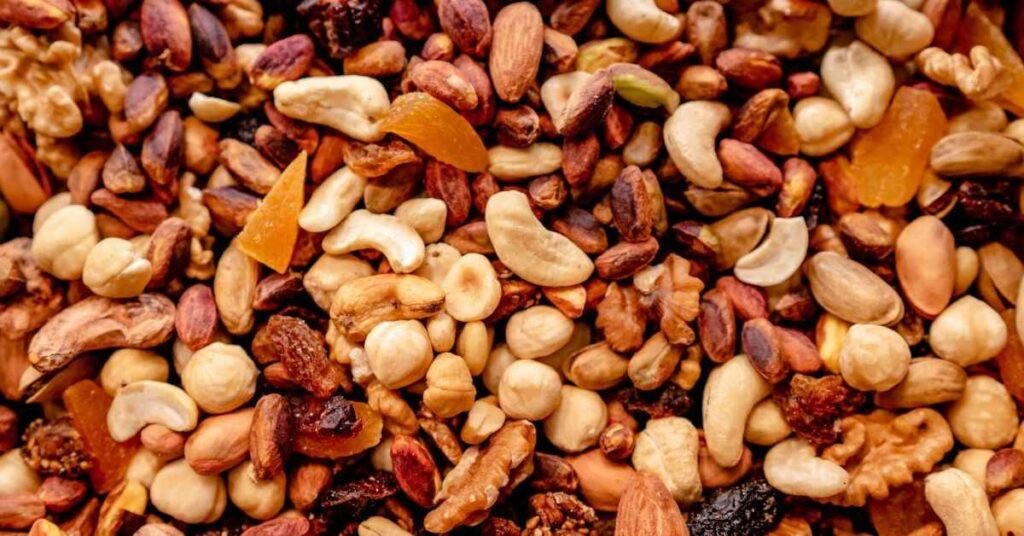
Rather than feeding nuts, choose foods that support a rabbit’s natural diet and digestive health. High-fiber treats are much safer and provide better nutrition. Similarly, healthy treats should always be offered in moderation alongside unlimited hay and fresh water. In addition, introducing one new food at a time makes it easier to notice any digestive changes.
As a result, rabbits can enjoy variety without upsetting their sensitive stomachs. Meanwhile, avoiding fatty foods like nuts helps maintain a healthy weight and proper digestion. Consequently, choosing fiber-rich alternatives supports your rabbit’s overall health and long-term well-being. Some excellent alternatives include:
- Timothy hay or orchard grass hay
- Fresh leafy greens such as romaine lettuce and cilantro
- Small pieces of carrot as an occasional treat
- Rabbit-safe herbs like parsley and basil
- Tiny portions of apple or strawberry without seeds
Best Fruits and Vegetables for Rabbits
Fresh vegetables should make up an important part of a rabbit’s daily diet after hay. They provide vitamins, minerals, and hydration while adding variety to meals. In addition, small portions of fruit can be offered as an occasional treat because of their natural sugar content. Therefore, choosing rabbit-safe produce helps support good digestion and overall health. However, every new food should be introduced gradually to avoid stomach upset.
Likewise, offering a mix of safe vegetables keeps mealtime interesting and balanced. Moreover, fruits should remain limited and never replace hay or leafy greens. As a result, rabbits receive the nutrients they need without eating too much sugar. Meanwhile, the table below highlights some of the best options for pet rabbits. Consequently, owners can plan healthier and safer meals with confidence.
| Food | Category | Safe for Rabbits? | Recommended Amount | Feeding Frequency | Notes |
| Romaine Lettuce | Vegetable | Yes | Small handful | Daily | Good source of hydration |
| Cilantro | Herb | Yes | Small handful | Daily | Safe and flavorful |
| Parsley | Herb | Yes | Small handful | Several times a week | Feed as part of a varied diet |
| Bok Choy | Vegetable | Yes | Small portion | Several times a week | Introduce gradually |
| Bell Pepper | Vegetable | Yes | Thin slices | Several times a week | Remove seeds and stem |
| Carrot | Vegetable | Yes | Small slices | Occasionally | Higher in natural sugar |
| Cucumber | Vegetable | Yes | A few slices | Occasionally | Provides extra hydration |
| Apple (Seedless) | Fruit | Yes | 1–2 small pieces | Occasionally | Remove all seeds and core |
| Strawberry | Fruit | Yes | One small berry | Occasionally | Feed as a treat |
| Blueberries | Fruit | Yes | 2–3 berries | Occasionally | High in natural sugar |
Safe Treats Rabbits Enjoy Daily
Instead of giving nuts, offer treats that match a rabbit’s natural diet and nutritional needs. High-fiber foods are much safer and help support healthy digestion. Additionally, treats should only make up a small part of a rabbit’s overall diet. Hay should always remain the main food because it supports healthy teeth and digestion.
Moreover, fresh water must be available at all times to keep rabbits hydrated. As a result, balanced feeding habits help maintain a healthy weight and good energy levels. Consequently, choosing safe daily treats allows rabbits to enjoy mealtime while staying healthy for years to come. Some rabbit-friendly options include:
- Fresh romaine lettuce
- Cilantro and parsley
- Basil and mint leaves
- Timothy hay cubes
- Small pieces of bell pepper
Foods Rabbits Should Never Eat
Besides nuts, several everyday foods can be harmful to rabbits and should always be avoided. Their digestive system is delicate and works best with high-fiber foods. Furthermore, many human foods contain too much fat, sugar, salt, or starch for rabbits to digest safely. In addition, spoiled food or moldy vegetables can also make rabbits sick.
As a result, feeding the wrong foods may lead to digestive upset, obesity, or other health concerns. Meanwhile, fresh hay, leafy greens, and clean water should remain the foundation of every rabbit’s diet. Consequently, choosing safe foods every day is one of the best ways to keep your rabbit healthy and active. Some foods that rabbits should never eat include:
- Chocolate
- Onions and garlic
- Avocado
- Bread, cookies, and crackers
- Sugary candy and processed snacks
Dangerous Snacks That Harm Rabbits
Many popular human snacks are not safe for rabbits, even if they seem harmless. Because rabbits have sensitive digestive systems, processed foods can quickly cause health problems. In addition, foods high in sugar, fat, or salt provide no real nutritional value. Therefore, owners should avoid sharing human snacks with their pets. Instead, stick to foods that are made for rabbits or naturally safe for them.
Likewise, knowing which snacks to avoid helps prevent accidental feeding mistakes. Moreover, replacing unhealthy treats with hay and fresh greens supports better digestion and long-term health. As a result, rabbits stay active and maintain a healthy weight. Meanwhile, the table below highlights common snacks that should never be offered. Consequently, you can make safer choices every day.
| Snack or Food | Safe for Rabbits? | Main Risk | Better Alternative |
| Chocolate | No | Toxic and harmful | Timothy hay |
| Potato Chips | No | High in salt and fat | Romaine lettuce |
| Cookies | No | High in sugar and fat | Fresh parsley |
| Candy | No | Excess sugar | Small piece of apple (seedless) |
| Bread | No | High in starch | Orchard grass hay |
| Crackers | No | Processed ingredients | Cilantro |
| Nuts | No | High fat and choking risk | Bell pepper slices |
| Popcorn | No | Choking hazard and low nutrition | Fresh herbs |
| Breakfast Cereal | No | Added sugar and grains | Leafy greens |
| Pretzels | No | Too much salt | Timothy hay cubes |
Conclusion
In conclusion, do rabbits eat nuts is a question every rabbit owner should understand before offering new foods. The answer is no—nuts should not be part of a rabbit’s regular diet. Although rabbits may enjoy the taste, nuts are too high in fat and too low in fiber for their sensitive digestive system. Therefore, feeding nuts can increase the risk of digestive problems, weight gain, and other health concerns. Instead, a diet based on hay, fresh leafy greens, and clean water is much safer.
Moreover, if you are still wondering, do rabbits eat nuts, it is important to remember that healthy treats should always support digestion rather than interfere with it. Understanding a rabbit’s natural nutritional needs helps owners make better feeding decisions. In addition, fruits should only be given in small amounts because they contain natural sugar. As a result, choosing the right foods helps rabbits stay active, healthy, and comfortable.
Likewise, preventing feeding mistakes is easier when you know which foods to avoid. Nuts, processed snacks, chocolate, and other human foods should never become part of a rabbit’s daily meals. Meanwhile, offering rabbit-safe vegetables and herbs provides variety without unnecessary health risks. Consequently, your rabbit can enjoy a balanced diet that supports long-term well-being.
Finally, when asking do rabbits eat nuts, always remember that your rabbit depends on you to make safe and nutritious food choices. Even if your rabbit seems interested in nuts, it is always better to choose healthier alternatives. Furthermore, introducing new foods slowly allows you to monitor your rabbit’s response. By following these simple feeding habits, you can help your rabbit live a happier, healthier, and longer life.
FAQs
1. Can rabbits eat peanuts?
No, rabbits should not eat peanuts. Although peanuts are technically legumes rather than true nuts, they are still high in fat and calories. Therefore, they are not suitable for a rabbit’s sensitive digestive system. Instead, offer hay or leafy greens as healthier treats.
2. What should I do if my rabbit accidentally eats a nut?
First, stay calm and observe your rabbit closely for any unusual behavior. In many cases, a tiny piece may not cause immediate problems. However, watch for reduced appetite, fewer droppings, or low energy. If these signs appear or continue, contact a rabbit-savvy veterinarian as soon as possible.
3. Why are nuts unhealthy for rabbits?
Unlike hay and leafy greens, nuts contain large amounts of fat and very little fiber. As a result, they do not meet a rabbit’s nutritional needs. Moreover, regular feeding can increase the risk of digestive problems, obesity, and poor gut health. Consequently, nuts should be avoided.
4. Which treats are safer than nuts for rabbits?
Instead of nuts, choose fiber-rich and rabbit-safe treats. Fresh herbs, leafy greens, and small amounts of seedless fruits are much better options. Additionally, unlimited hay should always remain the main part of a rabbit’s diet. Therefore, these foods support healthy digestion and overall well-being.
5. Can baby rabbits eat nuts?
Young rabbits should never be given nuts. Their digestive systems are still developing and need a simple, high-fiber diet. Furthermore, baby rabbits mainly require hay, appropriate pellets, and fresh water after weaning. Consequently, avoiding nuts helps support healthy growth and proper digestion.
