


Introduction
Rabbits are small herbivores that love to eat fresh foods. Their main diet is hay, but they can also enjoy some fruits and vegetables. Many owners ask, can rabbits eat plums and is it safe for them. Plums are sweet and juicy fruits, but not every human food is good for rabbits. It is important to understand what they can and cannot eat.
You may feel tempted to share a bite of plum with your rabbit. After all, rabbits enjoy sweet treats. But giving the wrong food can harm their health. Too much sugar or the wrong part of a fruit can cause serious problems. So, before you offer plums, it is smart to learn the facts.
In this guide, you will learn everything about can rabbits eat plums. We will talk about benefits, risks, and safe feeding tips. You will also find out which parts of the plum are safe and which to avoid. This will help you keep your rabbit healthy and happy.
Can Rabbits Eat Plums Safely
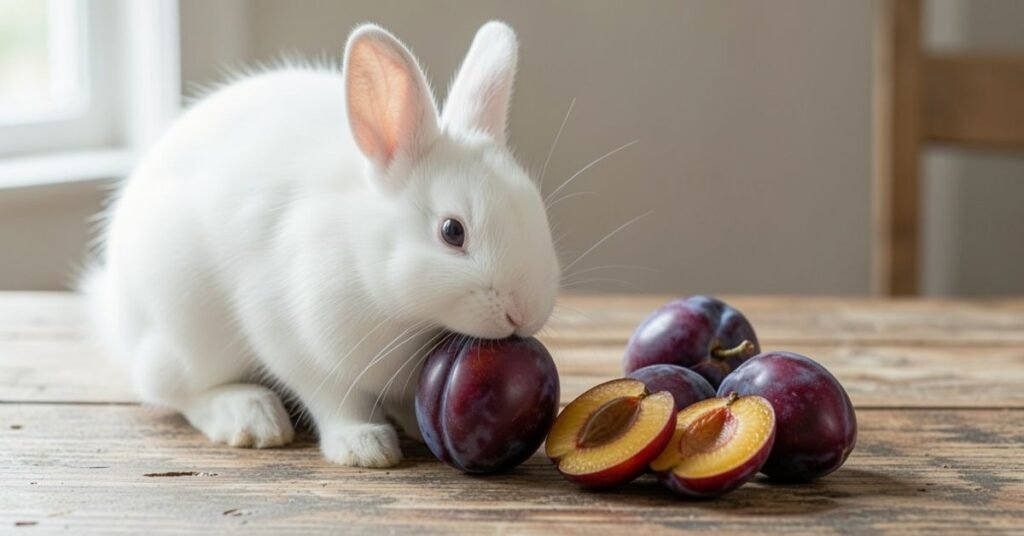
Yes, rabbits can eat plums, but only in small amounts. Plums are sweet and contain natural sugar. Too much sugar is not good for a rabbit’s stomach. Their digestive system is very sensitive and works best with hay and fiber rich foods. So, plums should only be given as an occasional treat, not a daily food.
If you want to feed plums, always prepare them properly. Remove the pit because it is toxic and unsafe. Wash the fruit well and give only a small piece. Watch your rabbit after feeding to make sure there are no bad reactions. This way, you can safely include plums in your rabbit’s diet without harming their health.
Are Plums Good or Bad for Rabbits
Plums can be both good and bad for rabbits. They contain some vitamins and water that can help keep your rabbit hydrated. In small amounts, plums can be a tasty treat. Rabbits may enjoy the sweet taste, and it can add variety to their diet. But this fruit should never replace their main food like hay.
On the other hand, plums have a high sugar content. Too much sugar can upset a rabbit’s stomach and cause digestive problems. It may lead to weight gain or soft stools. Also, the pit inside the plum is toxic and must always be removed. So, plums are safe only when given in small amounts and with proper care.
| Factor | Good Side | Bad Side | Final Verdict |
| Nutrients | Contains vitamins and water | Not very rich in fiber | Limited benefit |
| Sugar Level | Gives quick energy | Too much sugar is harmful | Feed rarely |
| Taste | Rabbits enjoy sweet flavor | Can lead to overeating | Give small pieces |
| Digestion | Easy to eat in tiny amounts | Can upset stomach if overfed | Monitor closely |
| Plum Pit | Not applicable | Toxic and dangerous | Always remove |
| Frequency | Good as an occasional treat | Harmful if given daily | Once or twice a week |
| Overall Safety | Safe in moderation | Risky in excess | Balanced approach needed |
Nutritional Value of Plums for Rabbits
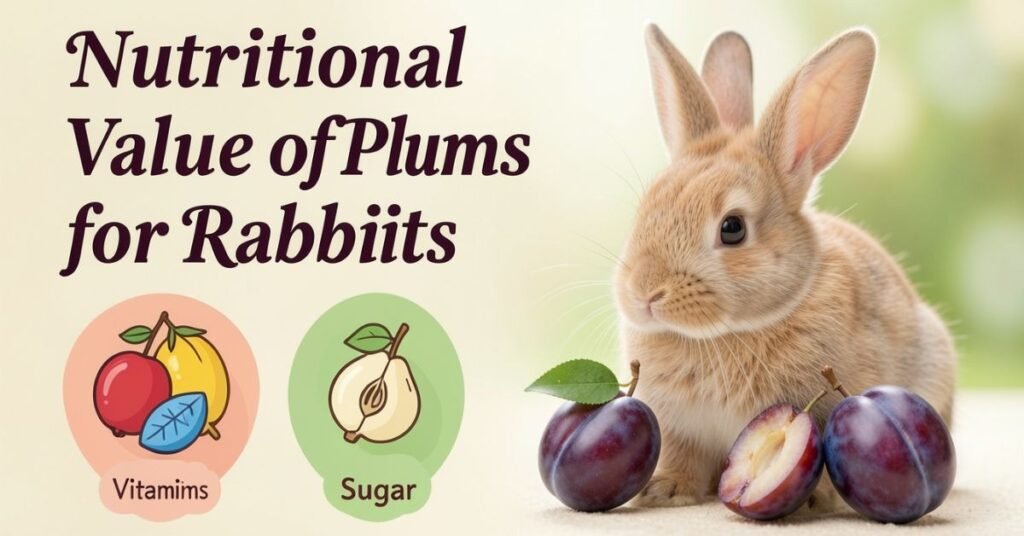
Plums contain some useful nutrients, but they are not a necessary food for rabbits. This fruit has vitamins and water that can support hydration. However, it is low in fiber, which is the most important part of a rabbit’s diet. Rabbits need high fiber foods like hay to keep their digestion healthy. So, plums should only be seen as a small treat, not a healthy staple.
Even though plums offer a few benefits, their high sugar content is a concern. Too much sugar can harm your rabbit over time. It can affect digestion and lead to weight problems. That is why it is important to feed plums in very small amounts and only once in a while.
Nutrients found in plums:
• Vitamin C for basic immune support
• Vitamin A for eye health
• Water content to help with hydration
• Natural sugars that provide quick energy
• Small amounts of fiber, but not enough for daily needs
Vitamins and Sugar Content in Plums
Plums contain a few important vitamins that can support your rabbit’s health. They have vitamin C and vitamin A in small amounts. These vitamins help with basic body functions like immunity and vision. Plums also have a high water content, which can help keep your rabbit hydrated. But these benefits are only helpful when the fruit is given in small portions.
At the same time, plums are high in natural sugar. This is the main concern for rabbit owners. Too much sugar can upset your rabbit’s stomach and cause soft stools. It can also lead to weight gain if fed often. Because of this, plums should only be given as an occasional treat and not as a regular part of the diet.
| Nutrient | Amount in Plums | Benefit for Rabbits | Risk Level | Feeding Advice |
| Vitamin C | Low to moderate | Supports immune system | Low risk | Safe in small amounts |
| Vitamin A | Small amount | Helps eye health | Low risk | Occasional treat only |
| Water Content | High | Keeps rabbit hydrated | Very low risk | Good in tiny portions |
| Natural Sugar | High | Provides quick energy | High risk if overfed | Limit strictly |
| Fiber | Very low | Helps digestion slightly | Not enough benefit | Not a fiber source |
| Antioxidants | Present | Supports overall health | Low risk | Minor benefit only |
| Calories | Moderate | Energy source | Can cause weight gain | Feed rarely |
| Overall Value | Mixed | Some benefits | High sugar concern | Best as a treat only |
Health Benefits of Plums for Rabbits
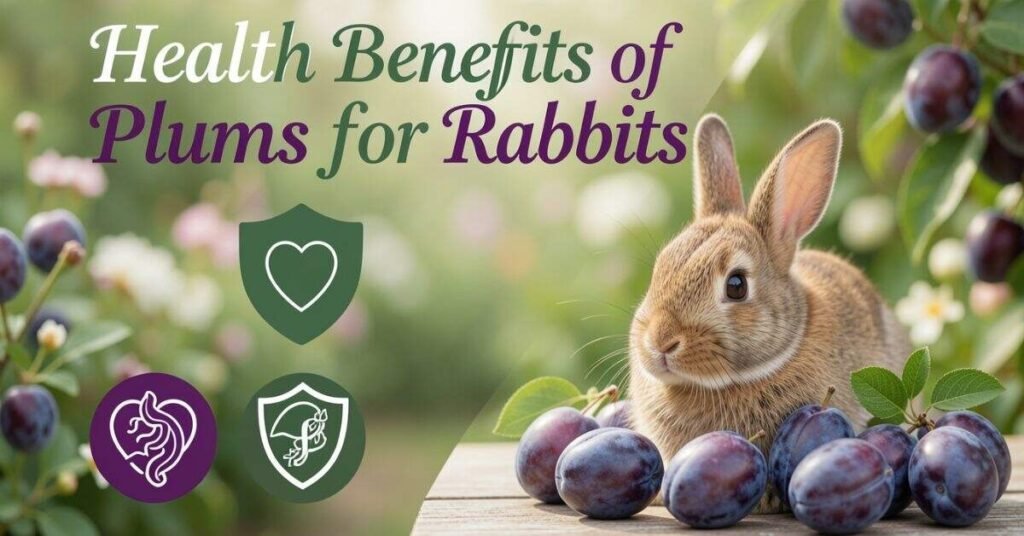
Plums can offer a few small health benefits when given in very small amounts. They contain vitamins and antioxidants that help support your rabbit’s body. The high water content can also help keep your rabbit hydrated, especially in warm weather. Some rabbits enjoy the sweet taste, which can make plums a nice occasional treat.
However, these benefits are limited because plums are not high in fiber. Rabbits need fiber the most for a healthy digestive system. So, plums should never replace hay or leafy greens. Think of plums as a rare treat that adds a little variety, not as a main food. Always keep portions small to avoid health problems.
Possible benefits of plums for rabbits:
• Provide small amounts of vitamins for basic health
• Help with hydration due to high water content
• Contain antioxidants that support overall wellness
• Add variety and enjoyment to the diet
• Can be used as a reward during bonding or training
When Plums Can Be a Healthy Treat
Plums can be a healthy treat when given in very small amounts. They should only be offered once in a while, not every day. A small slice is enough for most rabbits. It is best to give plums after your rabbit has eaten hay. This helps protect their digestion and keeps their diet balanced.
Plums are also useful as a reward during bonding or gentle training. You can offer a tiny piece to encourage good behavior. Always remove the pit and wash the fruit before feeding. Watch your rabbit after eating to make sure there are no problems. If your rabbit has a sensitive stomach, it is better to avoid plums or try safer fruits instead.
Risks of Feeding Plums to Rabbits
Plums may look safe, but they can cause problems if not given carefully. The biggest risk is the high sugar content. Too much sugar can upset your rabbit’s stomach and lead to soft stools or diarrhea. Rabbits have a delicate digestive system that needs fiber, not sugary foods. Feeding plums too often can also cause weight gain and reduce appetite for healthy foods like hay.
Another serious risk is the plum pit. The pit is toxic and can be very dangerous if eaten. It is also a choking hazard for small animals. Even the skin and flesh should be given in small amounts only. Some rabbits may not tolerate plums well and can show signs of discomfort. Always introduce new foods slowly and watch your rabbit closely.
Common risks of feeding plums to rabbits:
• High sugar can cause digestive issues
• May lead to diarrhea or soft stools
• Can cause weight gain if overfed
• Plum pit is toxic and dangerous
• Risk of choking if not prepared properly
• May reduce appetite for hay
• Some rabbits may have sensitive reactions
Can Rabbits Eat Plum Skin and Flesh
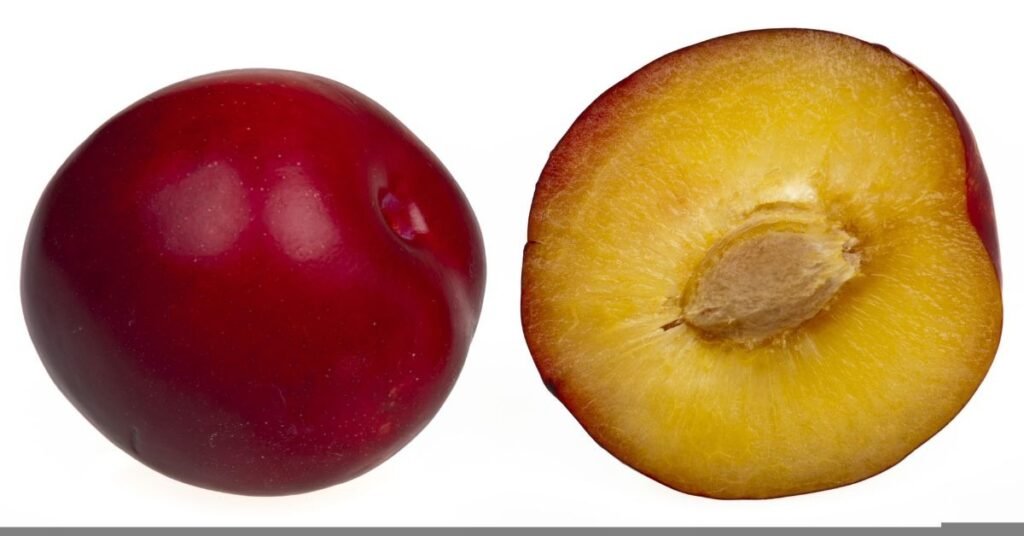
Rabbits can eat plum flesh in very small amounts. The soft part of the plum is not toxic and can be a sweet treat. However, it should only be given as an occasional snack. Too much can upset their stomach because of the high sugar. Always start with a tiny piece to see how your rabbit reacts.
The skin of the plum is also safe for rabbits, but it may be harder to digest. Some rabbits may handle it well, while others may get stomach discomfort. It is important to wash the fruit properly to remove chemicals or dirt. The pit must always be removed because it is dangerous and not safe at all.
| Part of Plum | Safe for Rabbits | Benefits | Risks | Feeding Advice |
| Flesh | Yes, in small amounts | Contains water and vitamins | High sugar can upset digestion | Offer tiny pieces only |
| Skin | Yes, but limited | Adds small fiber content | May be hard to digest for some rabbits | Wash thoroughly before feeding |
| Pit (Seed) | No | No benefit | Toxic and choking hazard | Always remove completely |
| Juice Content | Yes (natural moisture) | Helps hydration | Too much sugar | Very small treat only |
| Overall Fruit | Partially safe | Tasty occasional snack | Digestive upset if overfed | Feed rarely and in moderation |
Which Parts of Plum Are Safe
Some parts of a plum are safe for rabbits, but only in small amounts. The soft flesh is the safest part and can be given as an occasional treat. It contains water and natural vitamins that may benefit your rabbit. The skin is also safe, but it should be washed properly before feeding. Always cut the plum into tiny pieces to avoid overfeeding.
Not all parts of a plum are safe for rabbits. The pit is very dangerous and must always be removed. It can cause choking and may be toxic if eaten. Rabbits should never be allowed to chew or swallow it. Even small mistakes can lead to health problems, so careful preparation is very important.
| Part of Plum | Safe or Not | Health Effect | Risk Level | Feeding Tip |
| Plum Flesh | Safe in small amounts | Provides water and small vitamins | Low to medium (due to sugar) | Give tiny pieces occasionally |
| Plum Skin | Safe but limited | Adds slight fiber | Mild digestive risk for some rabbits | Wash well before feeding |
| Plum Pit | Not safe | No benefit | Very high (toxic and choking hazard) | Always remove completely |
| Plum Juice | Safe naturally in flesh | Helps hydration | High sugar risk if too much | Only small bites, not juice feeding |
| Whole Plum | Partly safe | Small nutritional value | High if not prepared properly | Feed only as rare treat |
Can Rabbits Eat Plum Seeds or Pits
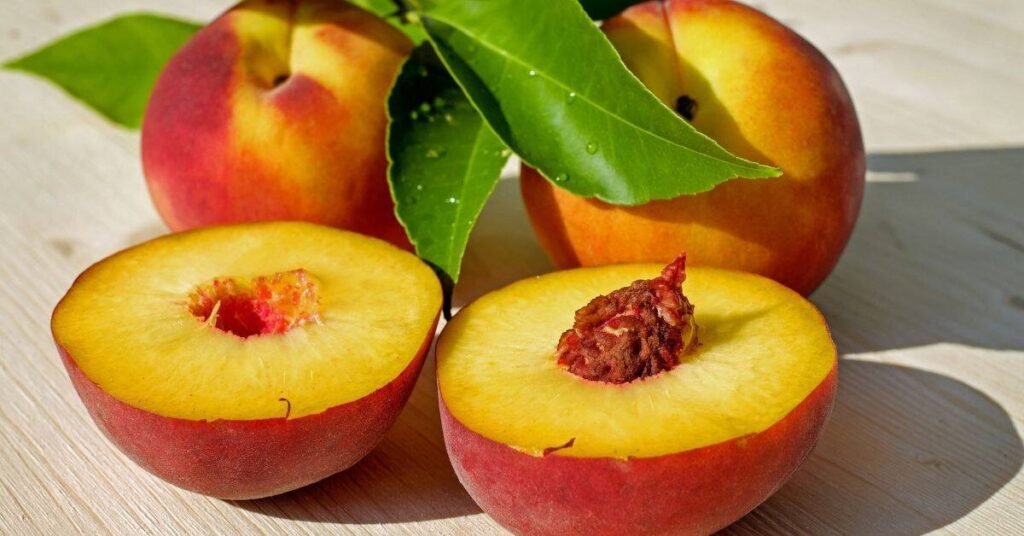
Rabbits should never eat plum seeds or pits. These parts are not safe at all. The pit is hard and can cause choking. It also contains toxic substances that can harm your rabbit’s health. Even a small bite can be dangerous, so it must always be removed before feeding any plum.
It is very important to check fruit carefully before giving it to your rabbit. Many people forget about the pit, but it is the most dangerous part of the plum. Always cut the fruit into small pieces and throw the seed away. This simple step can protect your rabbit from serious health problems.
| Part of Plum | Safe for Rabbits | Main Risk | Danger Level | What You Should Do |
| Plum Seed | No | Toxic and unsafe chemicals | Very High | Never allow access |
| Plum Pit | No | Choking and internal blockage | Very High | Always remove completely |
| Inner Kernel | No | May contain harmful compounds | Very High | Do not feed under any condition |
| Whole Uncut Plum | No | Includes dangerous pit inside | High | Always cut and remove pit first |
| Plum Flesh (without seed) | Yes (small amount) | High sugar if overfed | Low to Medium | Feed only as rare treat |
| Plum Skin | Yes (washed) | Mild digestion issues | Low | Feed in very small pieces |
Why Plum Pits Are Toxic for Rabbits
Plum pits are very dangerous for rabbits. They contain natural chemicals that can turn into toxic substances when digested. These substances can harm your rabbit’s body and affect their breathing and digestion. Even a small piece of the pit can cause serious health problems. That is why it should never be given to rabbits under any condition.
Plum pits are also hard and sharp, which makes them a choking risk. Rabbits can easily get their teeth or throat injured if they try to chew them. In some cases, it can also block their digestive system. This can become an emergency situation and may need a vet.
Why plum pits are harmful for rabbits:
• Contain toxic compounds that can harm the body
• Can cause breathing and digestion problems
• Very hard and may damage teeth
• High choking risk for small animals
• Can block the digestive tract
• May lead to serious health emergencies
• Not safe in any amount or form
Best Alternatives to Plums for Rabbits
If you want safer options than plums, there are many healthy fruits and vegetables for rabbits. These foods are lower in sugar and better for digestion. Rabbits need a diet mainly made of hay, but small treats can be given sometimes. Choosing the right fruits helps keep your rabbit healthy and active.
There are many better alternatives that you can safely offer instead of plums. These options are more natural for a rabbit’s stomach and cause fewer health risks. Always give them in small amounts to avoid overfeeding.
Safe alternatives to plums for rabbits:
• Apple (without seeds)
• Banana (very small pieces)
• Strawberries
• Blueberries
• Pear (without seeds)
• Carrot (small amounts only)
• Cucumber slices
• Lettuce (romaine or leafy types)
Conclusion
In the end, many rabbit owners ask can rabbits eat plums and the answer is yes, but only in small amounts. Plums are not a main food for rabbits. They are only an occasional treat. Too much can cause health problems because of high sugar content.
You should always be careful when feeding plums to your rabbit. Remove the pit completely because it is toxic and dangerous. Only give a small piece of the soft flesh. This helps you avoid stomach issues and keeps your rabbit safe and healthy.
It is important to remember that can rabbits eat plums is not just a simple yes or no question. It depends on how much and how often you feed them. Rabbits need a diet mainly made of hay, fresh water, and safe vegetables. Fruits like plums should always stay a rare treat.
So, can rabbits eat plums safely? Yes, but only with proper care and in very small portions. If you follow the right feeding rules, your rabbit can enjoy a tiny sweet bite without any harm. Always prioritize your rabbit’s health over treats.
FAQs
1. Can rabbits eat plums safely every day?
No, rabbits should not eat plums every day. Plums have high sugar, which can harm their digestion. They are only safe as an occasional treat. Feeding them daily can cause health problems like diarrhea and weight gain.
2. Can rabbits eat plums with skin on?
Yes, rabbits can eat plum skin in small amounts. But it must be washed properly to remove chemicals and dirt. Some rabbits may find it harder to digest. Always give only a tiny piece to avoid stomach issues.
3. Can rabbits eat plums without removing the pit?
No, rabbits should never eat plums without removing the pit. The pit is toxic and very dangerous. It can also cause choking or internal blockage. Always remove it completely before feeding.
4. Can rabbits eat plums as a regular treat?
No, plums should not be a regular treat for rabbits. They contain too much sugar for frequent feeding. Rabbits need hay and leafy greens as their main diet. Plums should only be given once in a while in very small pieces.
5. Can rabbits eat plums without any risk?
No food is completely without risk, including plums. However, plums can be safe if given properly and in small amounts. Always remove the pit and limit the portion size. Careful feeding helps reduce any health risks.
