


Introduction
A rabbit nose is an important part of a rabbit’s health. It helps rabbits smell food, sense danger, and explore their surroundings. A healthy rabbit nose is usually clean, slightly moist, and always moving. New rabbit owners should learn how a normal rabbit nose looks and acts.
Many rabbit owners ignore small nose changes at first. A runny nose, crust, or strange breathing sound may look harmless, but these signs can point to health problems. Knowing the early symptoms can help you protect your rabbit before the condition becomes serious.
Rabbit nose care is simple when you follow the right habits. Clean living spaces, healthy food, and regular health checks can keep your rabbit happy and active. In this guide, you will learn useful rabbit nose care tips, common problems, and the best ways to keep your rabbit healthy.
What Does a Healthy Rabbit Nose Look Like?
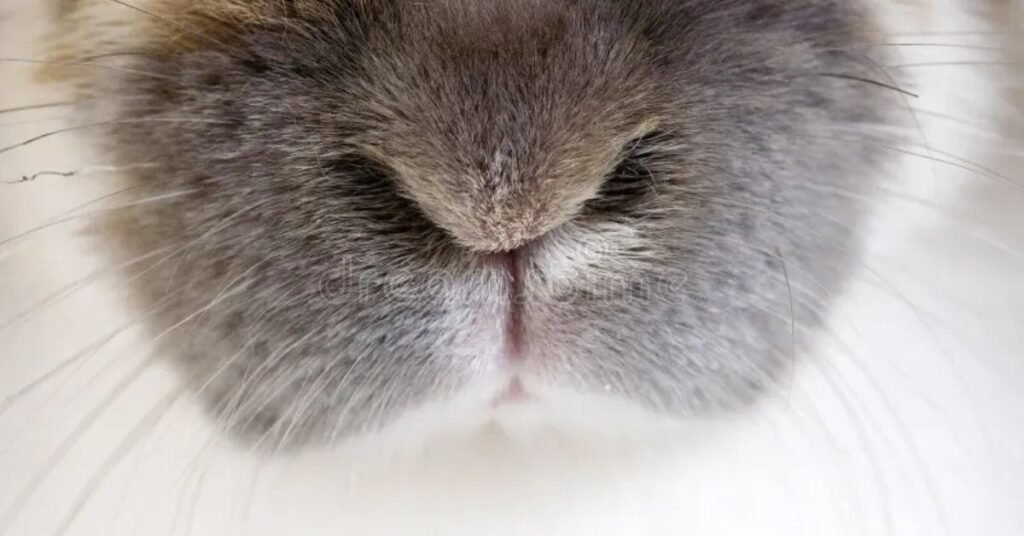
A healthy rabbit nose should look clean and slightly moist. It should not have thick mucus, crust, or blood around it. Most rabbits also twitch their nose many times every minute. This is normal behavior and helps them smell things around them. The skin near the rabbit nose should look smooth and free from swelling.
You should also pay attention to your rabbit’s breathing. A healthy rabbit breathes quietly without wheezing or strange sounds. Clear nostrils are another good sign of a healthy rabbit nose. If you notice sneezing, wet fur around the nose, or trouble breathing, it may mean your rabbit needs medical care.
Normal Rabbit Nose Color and Texture
A normal rabbit nose usually looks soft, smooth, and slightly damp. The color can be light pink, brown, gray, or black depending on the rabbit breed. Some rabbits also have spots or mixed colors on the nose. This is completely normal and not a sign of illness. The rabbit nose should not look cracked, swollen, or very dry.
The texture of a healthy rabbit nose should stay clean and free from thick discharge. A little moisture is normal because rabbits use their nose for smelling and breathing. The fur around the rabbit nose should also stay dry and neat. If you notice sticky mucus, crust, or wet fur, your rabbit may have a health problem that needs attention.
| Rabbit Nose Feature | Healthy Signs | Warning Signs |
| Nose Color | Pink, brown, gray, or black | Redness or unusual pale color |
| Texture | Soft and smooth | Cracked or rough skin |
| Moisture Level | Slightly damp | Very dry or too wet |
| Nose Movement | Fast twitching | Little or no movement |
| Nasal Discharge | Clear or none | Thick white, yellow, or green mucus |
| Fur Around Nose | Clean and dry | Wet, dirty, or sticky fur |
| Breathing Sound | Quiet breathing | Wheezing or noisy breathing |
| Swelling | No swelling | Puffy or enlarged nose area |
| Crust Formation | No crust | Hard crust around nostrils |
| Smell | No bad smell | Strong or unpleasant odor |
Why Rabbits Twitch Their Nose So Often
Rabbits twitch their nose because it helps them understand the world around them. A rabbit nose has a very strong sense of smell. Rabbits use it to find food, recognize people, and notice danger nearby. Fast nose twitching is a normal and healthy rabbit behavior. Most rabbits twitch their nose almost all the time when they are awake.
The speed of rabbit nose twitching can also change with emotions and activity. A rabbit may twitch faster when excited, curious, or nervous. During rest or sleep, the nose usually moves more slowly. If the rabbit nose suddenly stops twitching or breathing looks difficult, it could be a sign of illness. Watching your rabbit nose movement can help you understand your pet’s health and mood better.
Common Rabbit Nose Problems
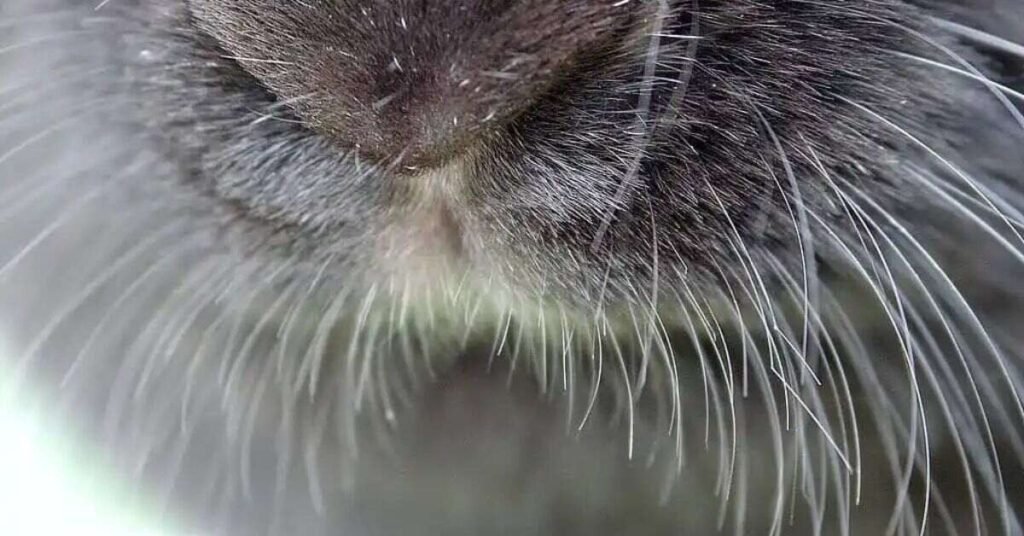
Rabbit nose problems are common in both young and adult rabbits. Some issues are mild, while others may become serious if ignored. A healthy rabbit nose should stay clean and slightly moist. Changes in breathing, discharge, or nose texture can be early warning signs of illness. Dust, bacteria, allergies, and infections are some common causes of rabbit nose problems.
Many rabbit owners notice symptoms too late because rabbits often hide sickness. Regular checks can help you spot problems early and protect your rabbit’s health. If symptoms continue for many days, a vet visit is important.
Common rabbit nose problems include:
• Runny nose
• Sneezing often
• Thick mucus from the nose
• Dry or crusty nostrils
• Noisy breathing
• Swollen nose area
• Wet fur around the nose
• Nose infections caused by bacteria
• Allergies from dust or strong smells
• Breathing trouble during activity
Dry or Crusty Rabbit Nose Signs
A dry or crusty rabbit nose can be a sign that something is wrong with your rabbit’s health. A healthy rabbit nose is usually soft and slightly moist. If the nose becomes very dry, rough, or covered with crust, it may point to dehydration, infection, or irritation. Some rabbits also develop flaky skin around the nostrils when they are sick or living in a dusty environment.
You should also watch for other symptoms along with a dry rabbit nose. Sneezing, breathing problems, or thick mucus can mean the condition is getting worse. Early treatment can help prevent serious infections and keep your rabbit comfortable. Cleaning the cage often and providing fresh water can also support better rabbit nose health.
| Dry or Crusty Rabbit Nose Signs | What It May Mean |
| Dry nose surface | Lack of moisture or dehydration |
| Hard crust around nostrils | Dried mucus or infection |
| Flaky skin near the nose | Skin irritation or dryness |
| Thick nasal discharge | Bacterial infection |
| Frequent sneezing | Allergies or respiratory illness |
| Red or swollen nose | Inflammation or irritation |
| Wet fur mixed with crust | Ongoing nasal discharge |
| Trouble breathing | Serious respiratory problem |
| Loss of appetite | Pain or illness |
| Less nose twitching | Weakness or discomfort |
| Bad smell from the nose | Infection inside the nasal area |
| Scratching the nose often | Irritation or mites |
| Cracked skin on the nose | Severe dryness |
| Sleeping more than usual | Low energy from sickness |
| Noisy breathing sounds | Blocked airways or infection |
Rabbit Nose Infection Symptoms
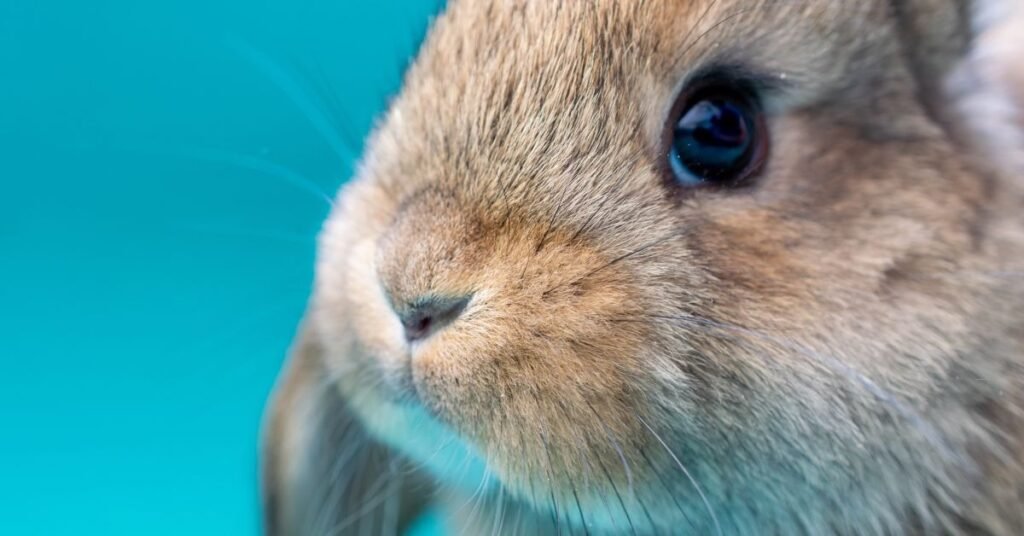
Rabbit nose infections can cause serious health problems if they are not treated early. These infections often affect breathing and make rabbits feel weak or uncomfortable. A healthy rabbit nose should stay clean and slightly moist. Thick mucus, sneezing, or noisy breathing can be early signs of infection. Some rabbits may also stop eating or become less active during illness.
Rabbit nose infections are commonly caused by bacteria, poor cage hygiene, dust, or stress. It is important to notice symptoms quickly because rabbits usually hide sickness in the beginning. Early care and proper treatment can help your rabbit recover faster and avoid bigger health issues.
Common rabbit nose infection symptoms include:
• Thick white or yellow nasal discharge
• Frequent sneezing
• Wet fur around the nose
• Loud or difficult breathing
• Crust around the nostrils
• Swollen nose area
• Loss of appetite
• Tired or weak behavior
• Watery eyes with nose discharge
• Less nose twitching than normal
• Bad smell coming from the nose
• Trouble eating because of breathing problems
Sneezing and Nasal Discharge in Rabbits
Sneezing in rabbits is sometimes normal, but frequent sneezing is not a good sign. A healthy rabbit may sneeze once in a while due to dust or smell. But repeated sneezing can point to irritation or infection in the nose. It often happens when the rabbit is exposed to dirty bedding, dust, or strong odors.
Nasal discharge means fluid coming out from the rabbit nose. It can be clear, white, yellow, or green. Clear discharge can be mild, but thick or colored mucus is a warning sign. If sneezing and discharge happen together, it may show a respiratory infection that needs attention.
| Symptom | What It Looks Like | Possible Cause | Risk Level |
| Occasional sneezing | Sneezes once in a while | Dust or mild irritation | Low |
| Frequent sneezing | Sneezing many times a day | Allergy or infection | Medium |
| Clear nasal discharge | Thin and watery fluid | Mild irritation or stress | Low |
| White mucus | Thick white discharge | Early infection | Medium |
| Yellow discharge | Thick yellow mucus | Bacterial infection | High |
| Green discharge | Very thick green mucus | Serious infection | Very High |
| Wet nose area | Damp fur around nose | Ongoing discharge | Medium |
| Crust around nostrils | Dried mucus buildup | Long-term infection | High |
| Noisy breathing | Wheezing or snorting sound | Blocked airways | High |
| Loss of appetite | Eating less food | Illness or discomfort | High |
| Red nose skin | Irritated nose area | Infection or rubbing | Medium |
| Tired behavior | Less active than normal | Weakness from illness | High |
| Head shaking | Frequent head movement | Nose discomfort | Medium |
| Eye discharge with sneezing | Watery eyes with nasal issues | Respiratory infection | High |
| Bad smell from nose | Unpleasant odor | Severe infection | Very High |
Breathing Problems Linked to Rabbit Nose Issues
Breathing problems in rabbits are often linked to nose health. A rabbit uses its nose to take in air properly. If the nose is blocked or infected, breathing becomes hard. You may notice your rabbit breathing faster than normal. Sometimes, the rabbit may also make strange sounds while breathing.
These problems should never be ignored. A small nose infection can turn into a serious breathing issue. Dust, bacteria, or allergies are common causes. Early care is very important to keep your rabbit safe and comfortable.
Common breathing problem signs linked to rabbit nose issues:
• Fast breathing even at rest
• Noisy breathing or wheezing sounds
• Open mouth breathing
• Chest moving very hard while breathing
• Loss of energy and tired behavior
• Sitting still for long time
• Reduced appetite
• Head held higher than normal while breathing
• Nasal blockage or thick mucus
• Frequent sneezing with breathing trouble
• Blue or pale lips in severe cases
• Difficulty in running or moving normally
Why Is My Rabbit Nose Wet?
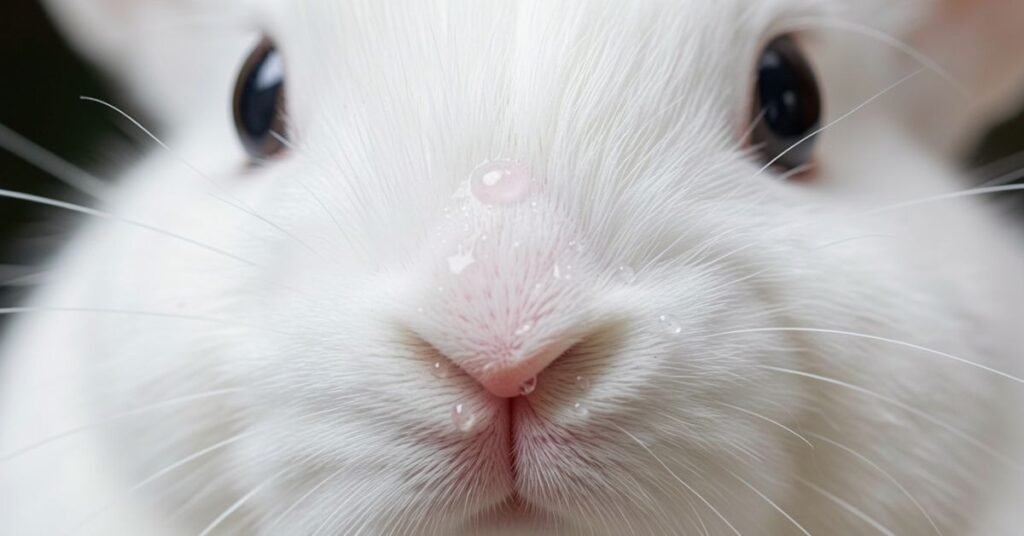
A slightly wet rabbit nose is normal in many cases. Rabbits naturally keep their nose a little moist to help with smelling and breathing. This moisture helps them detect food and stay alert in their surroundings. A healthy rabbit nose should not be dripping or overly wet.
Sometimes, a wet rabbit nose can also happen due to simple reasons. These include warm weather, light activity, or mild excitement. However, if the nose is too wet or has discharge, it may show a health problem. It is important to observe other signs along with a wet nose.
A wet rabbit nose can be normal or a warning sign depending on the situation. Always check how your rabbit is behaving overall. If you see thick mucus, sneezing, or breathing trouble, it may need veterinary care.
Normal Moisture vs Excess Nasal Fluid
A rabbit nose is usually a little wet. This normal moisture is part of a healthy rabbit body. It helps the rabbit smell food and stay aware of its surroundings. The nose should look clean, soft, and slightly damp, not dry or cracked.
Excess nasal fluid is not normal. It means there is too much liquid coming from the nose. This can happen due to infection, allergy, or dust irritation. It may look thick, colored, or constant. This condition should be watched carefully.
| Feature | Normal Nose Moisture | Excess Nasal Fluid |
| Moisture level | Light and natural dampness | Heavy and constant wetness |
| Nose appearance | Clean and smooth | Wet with mucus buildup |
| Fluid type | Thin and clear moisture | Thick or sticky discharge |
| Flow pattern | No dripping | Continuous dripping or leaking |
| Color | Transparent | White, yellow, or green |
| Smell | No smell | Unpleasant odor may appear |
| Rabbit behavior | Active and normal | Lethargic or slow |
| Sneezing | Rare or none | Frequent sneezing episodes |
| Breathing sound | Quiet breathing | Wheezing or noisy breathing |
| Eating habits | Normal appetite | Reduced eating or refusal |
| Fur around nose | Dry and clean | Wet, sticky, or matted fur |
| Eye condition | Normal eyes | Watery or infected eyes |
| Cause | Natural body function | Infection, allergy, or illness |
| Risk level | Low concern | Medium to high concern |
| Action needed | No treatment required | Vet consultation recommended |
Rabbit Nose Mites and Allergies
Rabbit nose mites and allergies can both cause discomfort and health issues. Nose mites are tiny parasites that live in or around the nose and irritate the skin. Allergies happen when a rabbit reacts to dust, hay, smoke, or strong smells. Both problems can make the rabbit nose itchy, red, or watery.
These issues should be treated early to avoid serious problems. Rabbits with nose mites may scratch their face often and develop crust around the nose. Allergies can cause sneezing and clear nasal discharge. A clean environment and proper care can help reduce both conditions.
| Condition | Cause | Common Signs | Nose Appearance | Behavior Changes | Risk Level |
| Nose mites | Parasites on skin | Itching, scratching | Crust and irritation | Restless behavior | Medium |
| Allergies | Dust, hay, smoke | Sneezing, watery nose | Slight redness or wetness | Mild discomfort | Low to Medium |
| Dust irritation | Dirty environment | Sneezing, rubbing nose | Dry or watery nose | Mild stress | Low |
| Strong smells | Perfume, chemicals | Sneezing, avoidance | Watery discharge | Hiding behavior | Low |
| Poor bedding | Dirty hay or litter | Nasal irritation | Wet or crusty nose | Reduced activity | Medium |
| Bacterial infection (secondary) | Untreated mites/allergies | Thick mucus, sneezing | Swollen nose area | Weakness | High |
| Fungal irritation | Damp environment | Skin irritation | Crust around nose | Scratching face | Medium |
| Stress-related reaction | Loud noise or change | Sneezing, rubbing nose | Slight moisture | Nervous behavior | Low |
| Mixed condition | Multiple triggers | Severe sneezing | Thick discharge | Loss of appetite | High |
| Chronic exposure | Long-term irritation | Ongoing symptoms | Constant wet nose | Low energy | High |
Signs of Nose Irritation in Rabbits
Nose irritation in rabbits is a common problem. It usually happens when the nose becomes sensitive or exposed to dust, smoke, or dirty bedding. A healthy rabbit nose should stay clean and slightly moist. When irritation starts, the nose may look red, wet, or uncomfortable. The rabbit may also start rubbing its face more often.
You can notice irritation early if you watch your rabbit carefully. Small changes in behavior or nose condition can be important warning signs. If ignored, irritation can turn into infection or breathing problems. Clean surroundings and fresh air can help reduce this issue.
Common signs of nose irritation in rabbits:
• Frequent nose rubbing with paws
• Sneezing more than usual
• Slight redness around the nose
• Watery or clear nasal discharge
• Wet fur near the nostrils
• Mild swelling of the nose area
• Restless or uncomfortable behavior
• Avoiding dusty or smelly places
• Reduced interest in food
• Head shaking or face scratching
• Mild breathing noise in some cases
• Sensitive reaction to strong smells
• Increased grooming of face area
Common Allergy Triggers for Rabbit Nose Problems
Rabbit nose allergies happen when a rabbit reacts to something in its environment. The nose becomes sensitive and starts showing irritation. This can lead to sneezing, watery nose, or mild breathing issues. A healthy rabbit nose should stay clean and calm, without constant discharge or discomfort.
Allergies are usually caused by everyday things inside or outside the rabbit’s living area. Even small changes in the environment can trigger symptoms. It is important to find and remove the cause early. This helps keep the rabbit comfortable and healthy.
Common allergy triggers for rabbit nose problems include:
• Dust from hay or bedding
• Dirty or unclean cage environment
• Strong smells like perfume or cleaning sprays
• Smoke from cigarettes or cooking
• Mold or damp areas in the cage
• Pollen from grass or plants
• Chemical cleaners or disinfectants
• Poor ventilation in the rabbit room
• Scented litter or wood shavings
• Sudden temperature changes
• Air pollution or outdoor dust
• Overcrowded or stressful environment
How to Clean a Rabbit Nose Safely
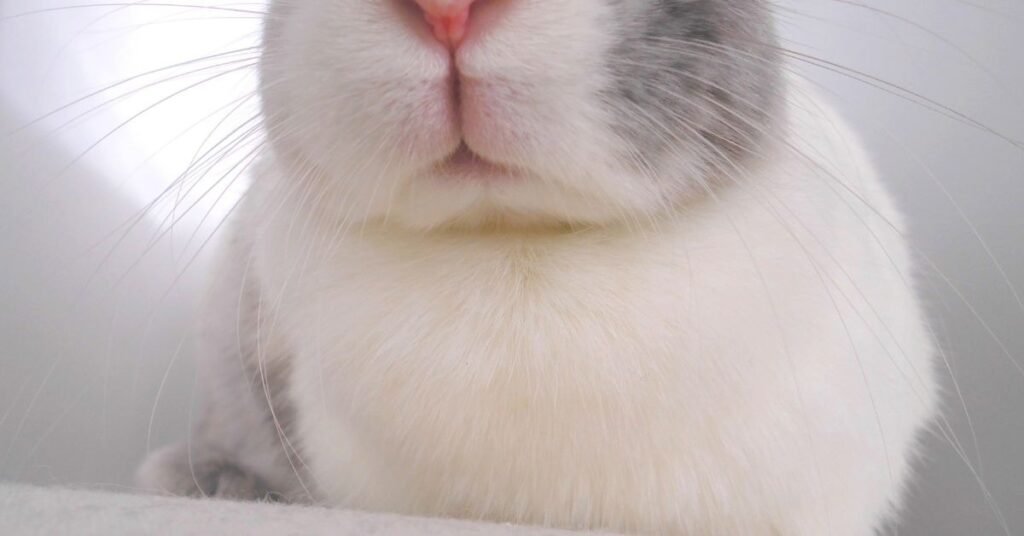
Cleaning a rabbit nose must be done very carefully. A rabbit nose is sensitive, so harsh cleaning can cause pain or stress. In most cases, you should only clean the outside area if there is light dirt or dried mucus. Always use soft and gentle methods to avoid harming your rabbit.
It is also important to understand that cleaning does not cure the main problem. If there is thick discharge or infection, a vet is needed. Safe cleaning is only for mild cases and daily care. Always watch your rabbit’s behavior while cleaning to keep it calm and safe.
Safe Cleaning Methods for Rabbits
Safe cleaning methods are very important for your rabbit’s health. A rabbit nose is sensitive, so cleaning must be gentle and careful. You should only clean the outside area if there is light dirt or dried mucus. Never try to clean deep inside the nose because it can cause injury or stress.
Always use soft and simple materials when cleaning your rabbit. Warm water is usually enough for safe cleaning. Keep your rabbit calm and hold it gently during the process. If your rabbit shows signs of serious discharge or infection, stop cleaning and contact a vet.
Safe cleaning methods for rabbits:
• Use a soft cotton cloth or clean tissue
• Dip it in lukewarm water only
• Gently wipe the outer nose area
• Do not use soap, shampoo, or chemicals
• Keep cleaning time short and calm
• Hold your rabbit gently and securely
• Clean only visible dirt or crust
• Avoid cleaning if the rabbit is stressed
• Dry the nose area softly after cleaning
• Wash your hands before and after cleaning
• Clean bedding regularly to prevent dirt buildup
• Visit a vet if mucus is thick or ongoing
When to Visit a Vet for Rabbit Nose Problems
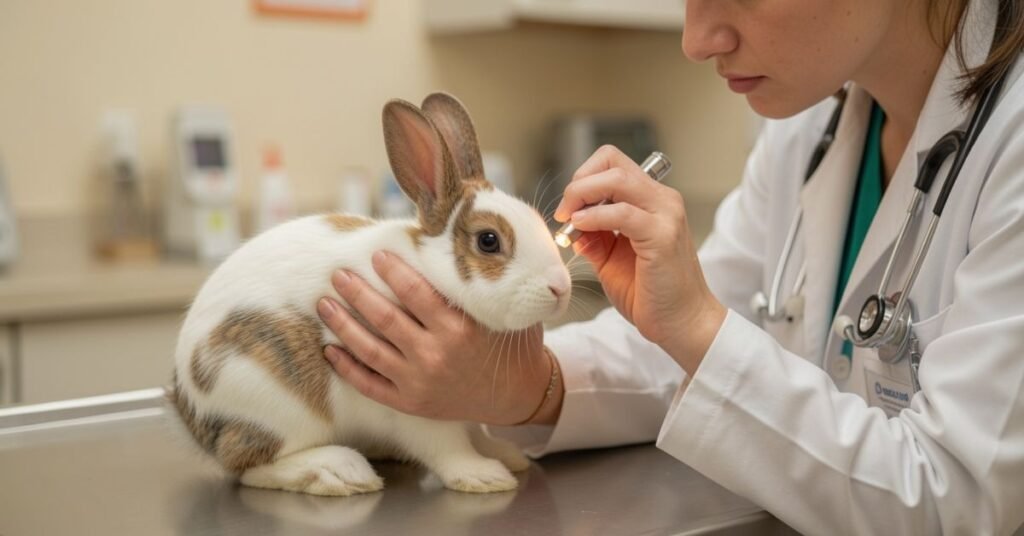
You should visit a vet if your rabbit nose problems do not improve in a short time. A healthy rabbit nose should stay clean and slightly moist. If you see constant sneezing, thick discharge, or breathing difficulty, it is not normal. These signs can mean infection or a serious health issue that needs medical care.
Some rabbit nose problems can get worse very quickly. Early treatment can save your rabbit from pain and complications. Never ignore changes in breathing, eating, or behavior. A vet can check the cause and give proper treatment for recovery.
Conclusion
Rabbit nose health is very important for your rabbit’s overall well being. A healthy nose should stay clean, slightly moist, and free from thick discharge. Small changes in the nose can give early signs of health problems.
Many rabbit nose problems start from simple causes like dust, poor hygiene, or allergies. If you notice sneezing, wet nose, or crust, you should pay attention quickly. Early care can stop small issues from becoming serious infections.
Good care habits can protect your rabbit every day. A clean cage, fresh food, and a dust free environment can reduce nose problems. Regular checking of your rabbit nose helps you notice changes early.
Always remember that rabbits hide sickness very well. So even small symptoms should not be ignored. If you are unsure, a vet visit is the safest choice to keep your rabbit healthy and happy.
FAQs
1. What is a healthy rabbit nose like?
A healthy rabbit nose is slightly moist and clean. It should not have thick mucus or bad smell. The nose also moves or twitches often, which is normal behavior. Breathing should be quiet and easy.
2. Why is my rabbit’s nose always wet?
A slightly wet nose is normal in rabbits. It helps them smell and breathe better. But if the nose is very wet or dripping, it may be a sign of infection or allergies. You should watch for other symptoms like sneezing or mucus.
3. What causes rabbit nose problems?
Rabbit nose problems are usually caused by dust, poor hygiene, allergies, or bacteria. Dirty bedding and strong smells can also trigger issues. In some cases, infections can make the condition worse. Clean living space helps reduce risk.
4. When should I worry about rabbit sneezing?
You should worry if sneezing happens often or for many days. Occasional sneezing is normal, but constant sneezing is not. If it comes with discharge or breathing trouble, it may be an infection. A vet check is recommended.
5. Can rabbit nose infections be treated at home?
Mild cases can be managed with cleanliness and good care. But most infections need veterinary treatment. Thick mucus, bad smell, or breathing issues are serious signs. Always consult a vet for safe and proper treatment.
