

Introduction
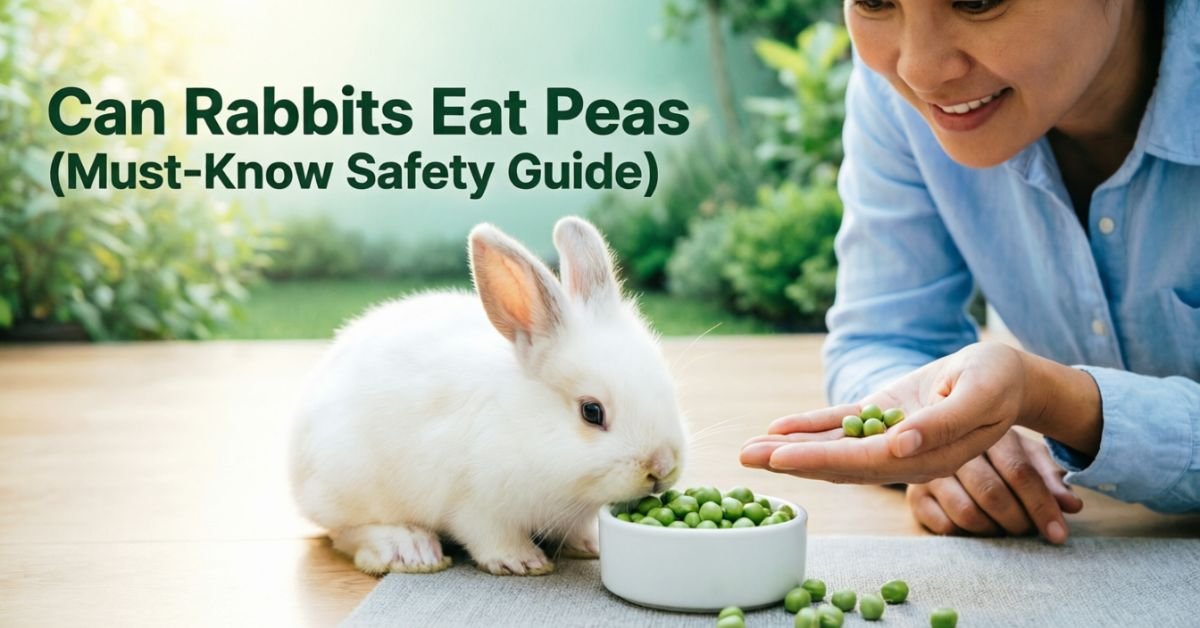
Rabbits can eat peas, but only in small amounts. Peas are not a main part of a rabbit’s natural diet. They are considered a treat rather than daily food. While they contain some nutrients, they are also high in sugar and starch.
Are you thinking about feeding peas to your rabbit? Many owners feel confused about what is safe and what is not. Giving the wrong food can cause health problems. That is why it is important to understand the right way to feed peas.
In this guide, you will learn everything about feeding peas to rabbits. We will explain the benefits, risks, and safe portion sizes. This will help you make better choices for your rabbit’s diet and health.
Can Rabbits Eat Peas?
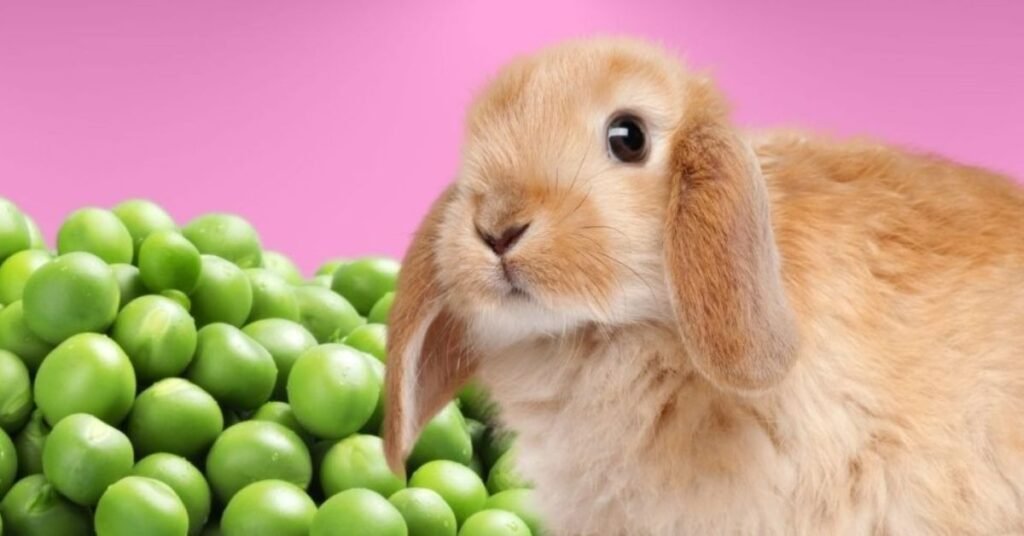
Rabbits can eat peas, but only in small amounts. Peas are not a natural part of their daily diet. They contain sugar and starch, which are not good in large quantities. Because of this, peas should be given only as an occasional treat.
It is important to feed peas carefully and not too often. Too many peas can upset a rabbit’s stomach and cause digestive problems. A small portion once in a while is enough. A balanced diet with hay and fresh greens is always better for their health.
Are Peas Safe or Harmful for Rabbits?
Peas can be safe for rabbits when given in small amounts. They contain some vitamins and nutrients that can support health. However, they are also high in sugar and starch, which can cause problems if fed too often. Because of this, peas should only be given as an occasional treat.
If rabbits eat too many peas, they may develop digestive issues. Their stomach is sensitive and needs a high-fiber diet, mainly from hay. Feeding too many sugary foods can lead to weight gain and other health problems. So, it is important to keep the portion small and balanced.
| Factor | Safe Side | Harmful Side |
| Sugar Content | Low amount is manageable | High intake can cause digestive upset |
| Starch Level | Small portions are okay | Too much can disturb gut health |
| Nutritional Value | Provides some vitamins | Not essential for daily diet |
| Feeding Frequency | Occasional treat | Daily feeding can cause issues |
| Digestive Impact | Safe in limited quantity | May lead to bloating or gas |
| Overall Effect | Can be included rarely | Overuse can harm rabbit health |
Nutritional Value of Peas for Rabbits
Peas offer a mix of nutrients that can support a rabbit’s health when given in small amounts. They contain vitamins and minerals that help the body function properly. However, they are not rich in fiber like hay, which is the most important part of a rabbit’s diet. Because of this, peas should only be used as an extra food, not a main source of nutrition.
At the same time, peas include natural sugars and starch. These can be harmful if fed too often or in large portions. A small serving once in a while is enough to avoid any problems. Keeping the diet balanced is the best way to maintain a rabbit’s health and energy.
Key nutrients found in peas:
• Vitamins such as A, C, and K
• Moderate protein that supports body strength
• Some fiber, but less compared to hay
• Minerals like potassium and iron
• Natural sugars that should be limited in intake
What Nutrients Do Peas Contain?
Peas include several nutrients that can support a rabbit’s health when given in small amounts. They provide useful vitamins and minerals that help with body functions and energy. Even though they offer some value, they are not suitable as a main food source for rabbits.
At the same time, peas contain natural sugars and carbohydrates that need to be controlled. Too much of these can disturb digestion and cause health issues. That is why peas should only be added occasionally to keep the diet balanced.
Nutritional components in peas:
• Vitamin A supports vision and body health
• Vitamin C helps with overall immunity
• Potassium supports muscle and nerve function
• Iron helps in maintaining healthy blood
• Carbohydrates provide quick energy but should be limited
Health Benefits of Feeding Peas to Rabbits
Peas can offer some small health benefits to rabbits when given in moderation. They contain useful vitamins and nutrients that may support basic body functions. In small amounts, they can add variety to a rabbit’s diet and make mealtime more interesting. However, they should never replace hay or leafy greens.
When fed correctly, peas can give a light nutritional boost. They are best used as an occasional treat rather than a regular food. This helps rabbits enjoy the benefits without any health risks. A balanced diet is still the key to keeping them healthy and active.
Possible benefits of peas:
• Provide small amounts of vitamins for body support
• Add variety to the regular diet
• Offer quick energy in small portions
• Make feeding time more engaging
• Can be used as an occasional healthy treat
Risks of Feeding Peas to Rabbits
Feeding peas to rabbits can cause problems if they are given too often. Peas contain sugar and starch, which are not good for a rabbit’s sensitive stomach. A high amount can upset digestion and make the rabbit feel uncomfortable. Because of this, peas should only be given in small amounts.
Too many peas can also lead to weight gain and other health issues. Rabbits need a high-fiber diet, mainly from hay, to stay healthy. Foods with low fiber and high sugar can disturb their gut balance. It is important to keep their diet simple and well balanced.
Possible risks include:
• Digestive problems like gas or bloating
• Weight gain due to extra sugar
• Imbalance in gut health
• Reduced appetite for healthy foods like hay
• Risk of long-term health issues if overfed
Why Too Many Peas Can Be Harmful
Feeding too many peas to rabbits can cause serious health problems. Peas contain sugar and starch, which are hard for a rabbit’s stomach to handle in large amounts. Their digestive system is designed for high-fiber foods like hay, not rich or starchy foods. Because of this, overeating peas can quickly disturb their digestion.
When rabbits eat peas too often, it can lead to weight gain and poor gut health. They may also lose interest in their normal healthy diet. Over time, this can make them weak and increase the risk of illness. That is why peas should always be limited and given only as a rare treat.
How Many Peas Can Rabbits Eat?
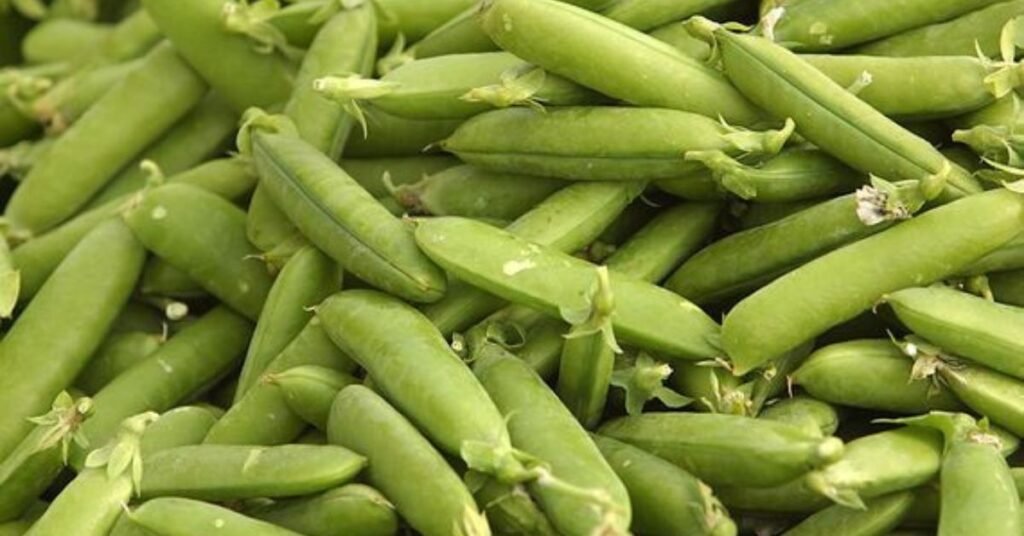
Rabbits can eat peas, but only in very small amounts. They should not be part of their daily diet. A small serving once in a while is enough to avoid health problems. The main focus should always be on hay and fresh greens.
Giving too many peas can upset their stomach and affect digestion. Because of this, portion control is very important. Peas should be treated as an occasional snack, not a regular food. Keeping the amount small helps maintain a healthy balance in their diet.
Safe Portion Size for Rabbits
Rabbits should only eat peas in very small amounts. A few pieces are enough as an occasional treat. They do not need peas in their daily diet because their main food should always be hay and fresh greens. Keeping the portion small helps protect their digestion.
It is also important to avoid feeding peas too often. Even healthy foods can cause problems if given in large quantities. A controlled portion keeps the rabbit safe and prevents stomach issues or weight gain.
| Rabbit Age/Type | Safe Portion Size | Frequency | Notes |
| Adult rabbit | 3–6 peas | Once or twice a week | Only as a treat |
| Small rabbit | 2–4 peas | Once a week | Very small amount only |
| Young rabbit | Not recommended | Avoid | Digestive system is sensitive |
| Large rabbit | 5–8 peas | Rarely | Still keep it limited |
Can Baby Rabbits Eat Peas?
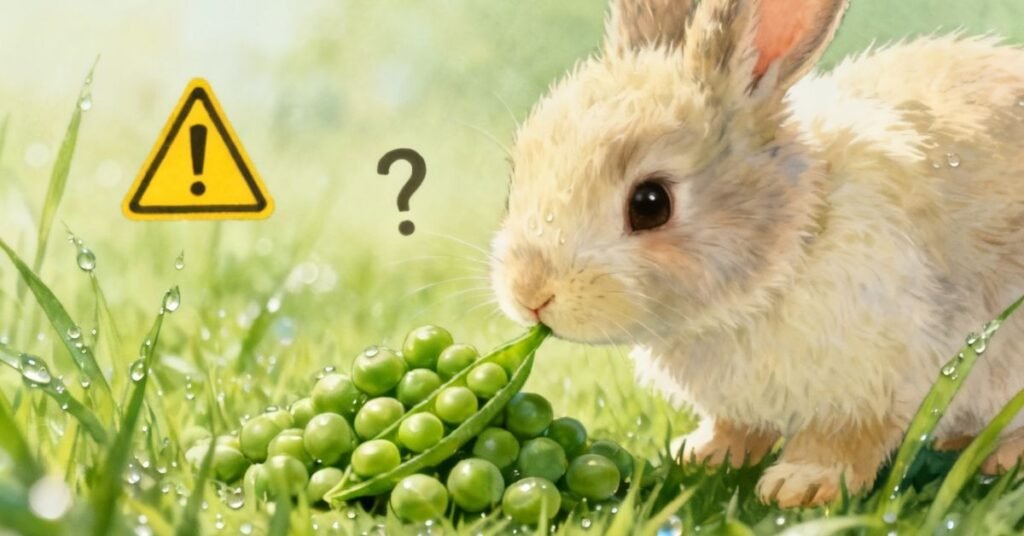
Baby rabbits should not eat peas at an early age. Their digestive system is still developing and is very sensitive. They need a simple diet that mainly includes mother’s milk (when very young) and later hay and safe greens. Introducing peas too early can cause stomach problems.
As they grow older, small amounts of safe vegetables can be introduced slowly. However, peas are still not the best choice for baby rabbits. It is always better to focus on high-fiber foods that support healthy growth and digestion. A careful diet helps them develop strong and healthy bodies.
Is It Safe for Young Rabbits?
Young rabbits have very sensitive stomachs, so peas are not fully safe for them. Their digestive system is still developing and needs simple, high-fiber foods. Introducing rich or starchy foods too early can lead to digestion problems. That is why peas should usually be avoided in their early diet.
As they grow, only very small and careful changes should be made in their food. Even then, peas should be offered with caution and in very tiny amounts. A slow and proper diet plan helps young rabbits grow healthy and strong.
Key points for young rabbits:
• Best diet is hay and mother’s milk in early stages
• Avoid peas in the first months of life
• Stomach is sensitive to sugar and starch
• New foods should be introduced very slowly
• High-fiber food is most important for growth
Best Ways to Feed Peas to Rabbits
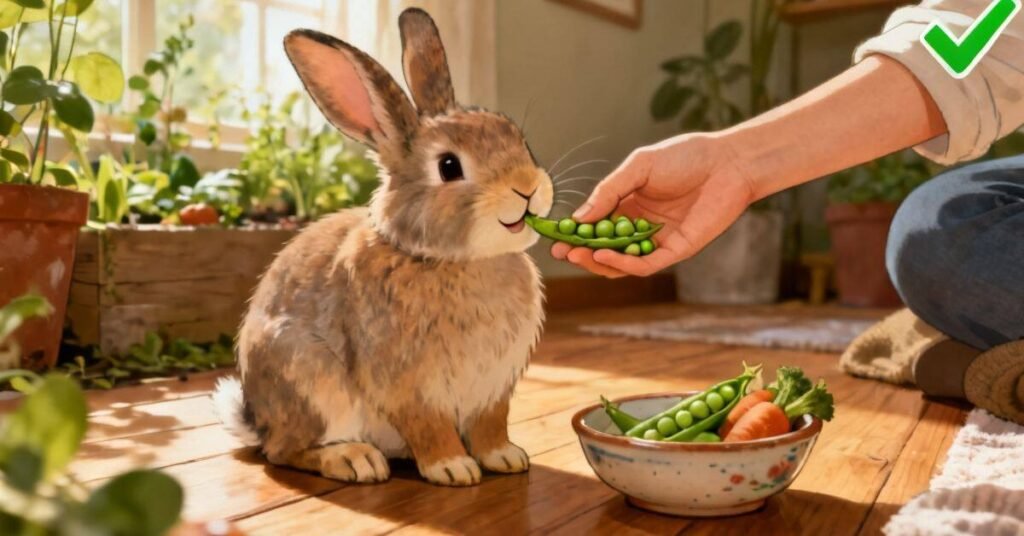
Peas should be given to rabbits in a very careful and simple way. They are not a daily food, so they must only be used as an occasional treat. Always make sure the peas are fresh and clean before feeding. A small portion is enough to avoid any health issues.
It is also important to introduce peas slowly and watch how the rabbit reacts. If any digestive problems appear, stop feeding them immediately. Mixing peas with a balanced diet helps keep the rabbit healthy and safe.
Best ways to feed peas:
• Give only fresh or properly thawed peas
• Serve in very small portions
• Offer only once or twice a week
• Introduce slowly to check tolerance
• Always combine with a high-fiber diet like hay
Fresh, Frozen, or Cooked Peas?
Rabbits can be offered peas in different forms, but not all types are equally safe. Fresh peas are the best option because they are natural and not processed. Frozen peas can also be used if they are fully thawed and served plain. Cooked peas are not recommended because they may lose nutrients and become too soft for a rabbit’s digestion.
It is important to always serve peas in their simplest form. Avoid adding salt, spices, or any seasoning. Clean and natural peas are the safest choice when given as an occasional treat.
| Type of Peas | Safety Level | Best Use | Notes |
| Fresh peas | Safe in small amounts | Occasional treat | Natural and most recommended |
| Frozen peas | Safe if thawed | Rare feeding | Must be served plain and unseasoned |
| Cooked peas | Not recommended | Avoid | Can lose nutrients and upset digestion |
Alternative Vegetables for Rabbits
Rabbits need a healthy and balanced diet, and vegetables play an important role in it. Instead of peas, there are many safer vegetables that can be given regularly. These vegetables are lower in sugar and better for digestion. They help keep rabbits active and healthy.
Choosing the right vegetables is important for their long-term health. Fresh leafy greens are usually the best option because they are rich in fiber. They support digestion and prevent stomach problems.
Healthier vegetable options:
• Lettuce (especially romaine lettuce)
• Spinach in small amounts
• Carrot tops and leaves
• Coriander (cilantro)
• Kale in limited portions
Conclusion
Rabbits can eat peas, but only in very small amounts. They are not a natural part of their main diet. Peas should always be treated as an occasional snack, not daily food.
A rabbit’s health depends mostly on hay, fresh water, and safe vegetables. These foods support good digestion and keep them strong. Peas can be added sometimes, but they should never replace healthy basics.
It is also important to be careful with portion size. Too many peas can cause stomach problems and weight gain. A simple and balanced diet is always the best choice for rabbits.
In the end, proper care and correct feeding habits keep rabbits healthy and active. When you choose safe foods and avoid overfeeding treats, your rabbit can live a happy and comfortable life.
Conclusion
Rabbits can eat peas, but only in very small amounts. They are not a natural part of their main diet. Peas should always be treated as an occasional snack, not daily food.
A rabbit’s health depends mostly on hay, fresh water, and safe vegetables. These foods support good digestion and keep them strong. Peas can be added sometimes, but they should never replace healthy basics.
It is also important to be careful with portion size. Too many peas can cause stomach problems and weight gain. A simple and balanced diet is always the best choice for rabbits.
In the end, proper care and correct feeding habits keep rabbits healthy and active. When you choose safe foods and avoid overfeeding treats, your rabbit can live a happy and comfortable life.
FAQs
1. Can rabbits safely eat peas?
Yes, rabbits can eat peas, but only in small amounts. Peas should be treated as an occasional treat, not regular food. Their main diet should always be hay and fresh vegetables.
2. How often can I give peas to my rabbit?
You can give peas once or twice a week in very small portions. Overfeeding can cause stomach problems and weight gain. Always keep their diet mostly based on fiber-rich foods.
3. Are peas good for a rabbit’s health?
Peas have some vitamins and nutrients, but they are not essential. They can be included sometimes for variety. However, too many peas can harm digestion.
4. Can baby rabbits eat peas?
No, baby rabbits should not eat peas. Their digestive system is very sensitive and still developing. They need a simple diet like mother’s milk and hay.
5. What is the safest way to feed peas?
The safest way is to give fresh or thawed plain peas in small amounts. Avoid seasoning, cooking, or adding salt. Always feed them as an occasional treat only.
