


Introduction
The chinchilla rabbit is a popular rabbit breed known for its soft, dense fur. It looks similar to a chinchilla because of its unique grey color. These rabbits are medium to large in size and are gentle by nature. Many people keep them as pets because they are calm and easy to handle.
Are you thinking about getting a chinchilla rabbit as a pet? You might be wondering if it is easy to care for. Many beginners feel confused about feeding, housing, and grooming. The good news is that with the right knowledge, caring for this rabbit can be simple and enjoyable.
In this guide, you will learn everything you need to know about the chinchilla rabbit. We will cover its diet, behavior, housing, and health needs. This will help you take better care of your rabbit and keep it happy and healthy.
What Is a Chinchilla Rabbit?
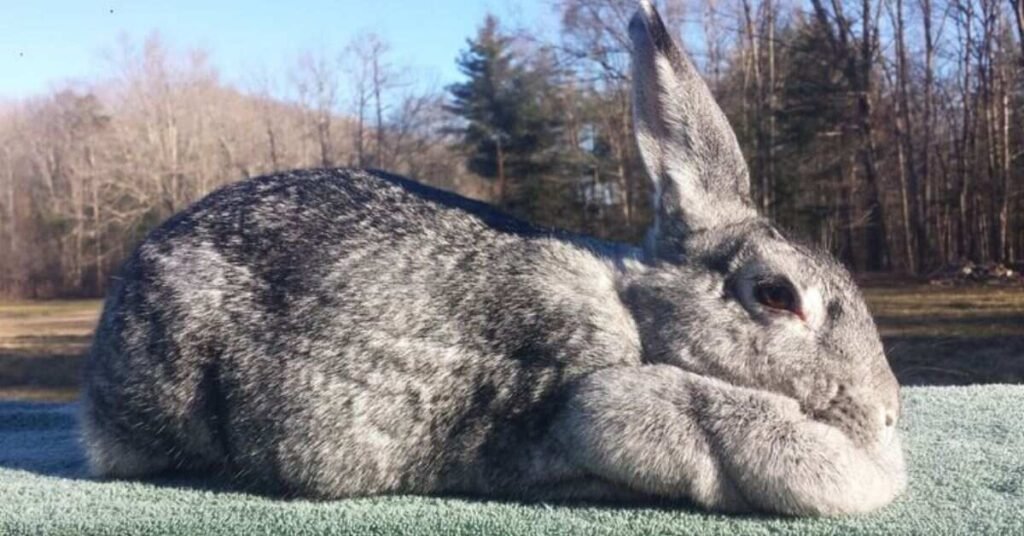
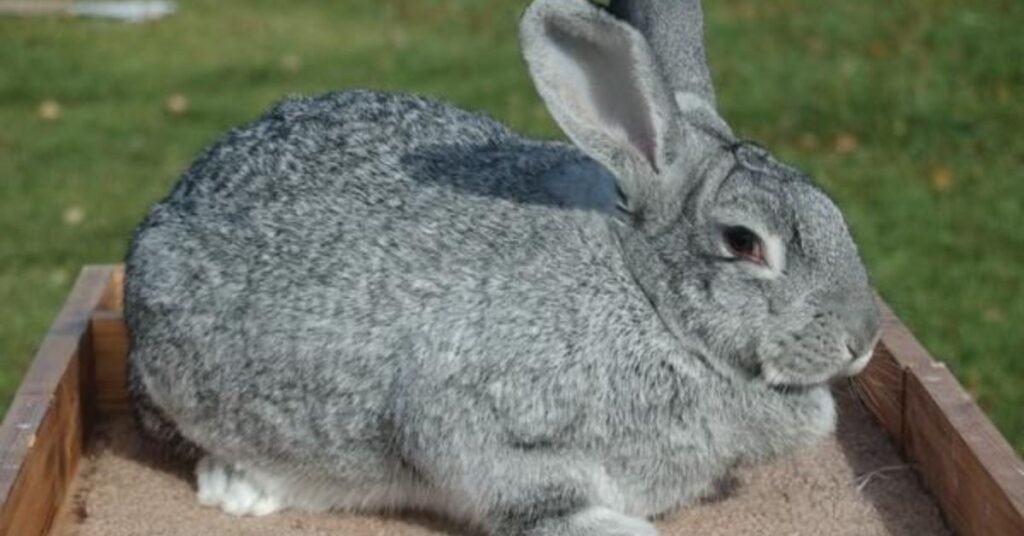
A chinchilla rabbit is a domestic rabbit breed known for its rich, layered fur and attractive grey shade. Its coat has a mix of dark, light, and silver tones, which gives it a soft glowing look. This breed was developed by breeders to copy the fur style of a chinchilla animal. Over time, it became popular for both its appearance and strong body.
These rabbits are known for their relaxed and gentle personality. They are not very aggressive and usually enjoy a calm environment. Because of their easy nature, they are a good choice for new pet owners. With proper care and attention, a chinchilla rabbit can become a friendly and enjoyable companion in any home.
Why Is It Called a Chinchilla Rabbit?
The chinchilla rabbit is named after its fur, not because it is related to a chinchilla animal. Its coat has a soft blend of grey, white, and silver tones. This color pattern looks very close to the fur of a chinchilla. Because of this visual similarity, breeders gave it the name “chinchilla rabbit.”
Even though the name suggests a connection, it is only about appearance. The rabbit and the chinchilla are completely different animals. Over time, the name stayed because it clearly describes the rabbit’s unique fur style. Today, this name helps people quickly recognize this special and beautiful rabbit breed.
History and Origin of the Chinchilla Rabbit
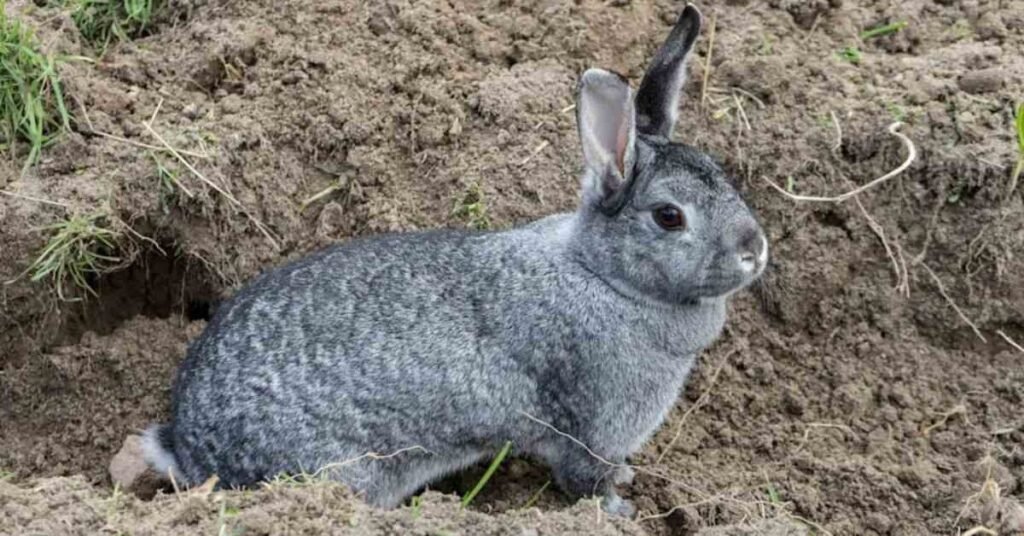
The chinchilla rabbit was first developed in the early 1900s in France. Breeders wanted a rabbit with soft, high-quality fur that looked like a chinchilla animal. They carefully selected and bred wild and domestic rabbits to create this new breed. The result was a rabbit with a unique grey coat and strong body.
| Year/Period | Event | Place | Purpose |
| Early 1900s | Breed development begins | France | To create rabbits with soft, valuable fur |
| Around 1919 | First chinchilla-type rabbits introduced | France | Improve fur quality and appearance |
| 1920s–1930s | Breed becomes more stable | Europe | Standardize color and size traits |
| Later years | American and Giant types developed | United States | Increase size and improve farming use |
| Today | Popular pet and show rabbit | Worldwide | Kept as pet and for exhibitions |
How the Chinchilla Rabbit Breed Was Developed
The chinchilla rabbit breed was developed through careful and selective breeding. Breeders wanted to create a rabbit with soft, dense fur that looked like a chinchilla animal. They crossed different rabbit types and selected the best ones over many generations. This process helped improve both fur quality and body strength.
The main goal was to produce a rabbit with a beautiful coat and good farming value. Over time, the breed became more stable and consistent in appearance.
Some key points of its development include:
- Breeding started with careful selection of grey-colored rabbits
- Only rabbits with soft and dense fur were chosen
- Each generation improved fur texture and body size
- The breed was refined for both beauty and usefulness
- Later, larger varieties were created in different countries
Types of Chinchilla Rabbits
There are different types of chinchilla rabbits, and each one has its own size and features. All of them share the same soft grey fur, but they differ in weight, body shape, and purpose. These types were developed over time in different regions to improve their fur quality and usefulness.
The main types are well known and commonly found in many countries. Each type has its own special characteristics, but all are gentle and easy to care for.
Main types of chinchilla rabbits:
Standard Chinchilla Rabbit: medium size, original type, and soft dense fur
American Chinchilla Rabbit: larger body, heavier weight, and commonly used in farming
Giant Chinchilla Rabbit: largest type, strong build, and fast growth rate
Standard, American, and Giant Chinchilla Rabbits
The chinchilla rabbit breed is divided into three main types. These types are Standard, American, and Giant chinchilla rabbits. Each type looks similar in fur color but differs in size, weight, and purpose. All of them are known for their soft grey coat and calm nature.
These types were developed to meet different needs like pets, shows, and farming. Some are small and easy to handle, while others are large and grow faster. Each type has its own unique value and characteristics.
| Type | Size | Weight | Main Use | Key Feature |
| Standard Chinchilla Rabbit | Medium | Moderate | Pet and show | Original breed with balanced body |
| American Chinchilla Rabbit | Large | Heavier | Farming and meat | Bigger body and strong build |
| Giant Chinchilla Rabbit | Very large | Heaviest | Farming and breeding | Fast growth and powerful structure |
Physical Characteristics of Chinchilla Rabbits
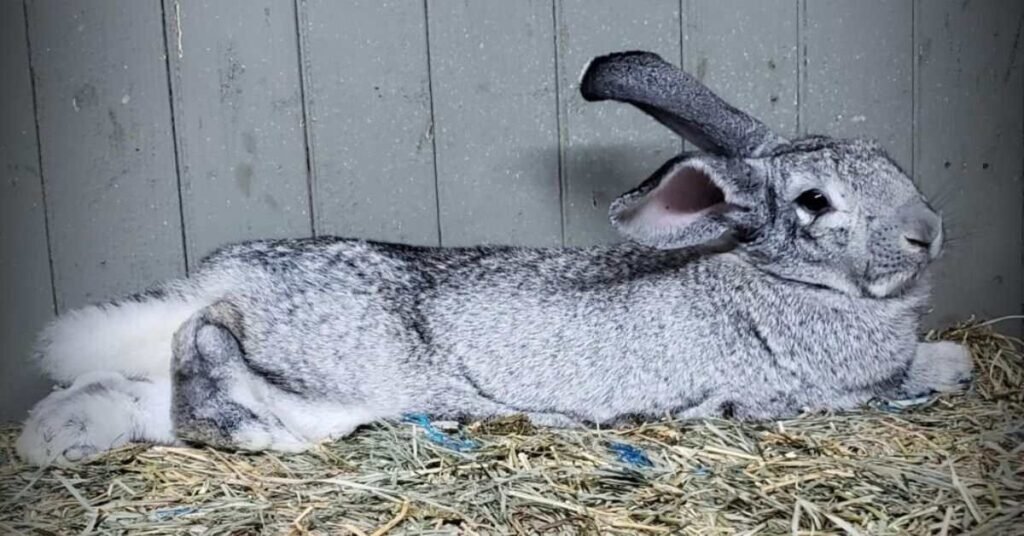
These rabbits are well known for their thick and velvety fur. Their coat shows a natural blend of light and dark grey tones, which creates a soft and shiny appearance. Because of this unique coloring, they look very attractive compared to many other breeds. In terms of size, they are generally medium to large and have a strong, well-developed body.
In addition, they have a calm facial expression with soft and gentle eyes. Their ears stand upright and are covered with fine fur. The overall body structure is balanced, which gives them a healthy and active look.
Key physical features:
• Dense and smooth fur with a natural silver-grey shade
• Body size ranges from medium to large based on the type
• Ears stand upright and are covered with soft fur
• Strong legs support a well-balanced body shape
• Soft eyes that reflect a calm and gentle nature
Size, Weight, and Fur Details
These rabbits vary in size based on their specific type. Some are medium-sized, while others grow much larger and stronger. In addition, their weight differs from one type to another. Standard types are usually lighter, whereas American and Giant varieties are heavier and more powerful.
Moreover, their fur is one of their most noticeable features. It is thick, soft, and highly dense, which adds to their appeal. The coat often shows a mix of grey, silver, and white shades. As a result, they have a smooth and shiny appearance that makes them stand out among other rabbit breeds.
| Type of Chinchilla Rabbit | Size | Weight Range | Fur Quality | Appearance |
| Standard Chinchilla Rabbit | Medium | Light to moderate | Soft and dense | Balanced body with smooth coat |
| American Chinchilla Rabbit | Large | Heavier | Very thick fur | Strong build with rich grey color |
| Giant Chinchilla Rabbit | Very large | Heaviest | Extra dense fur | Powerful body with full coat |
Temperament and Behavior
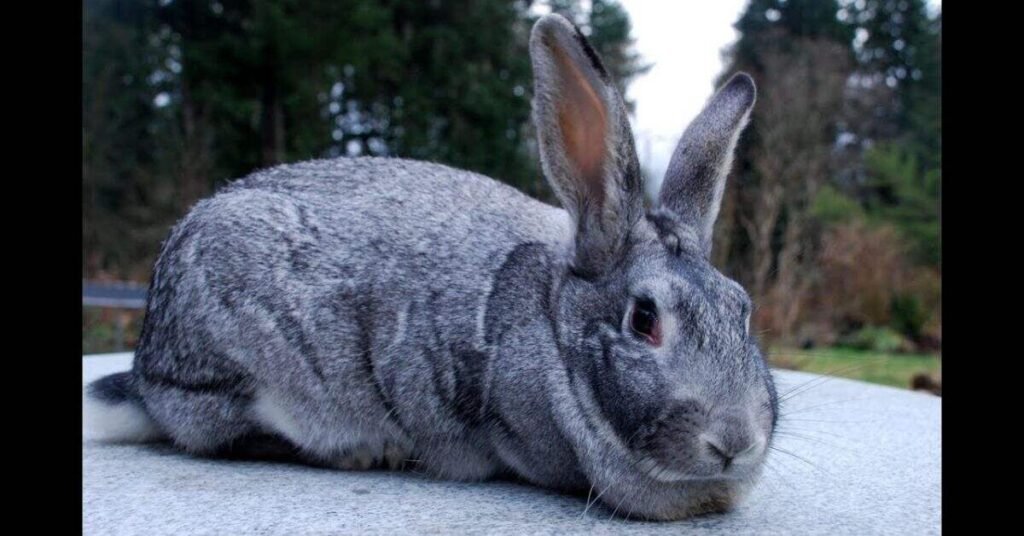
Chinchilla rabbits are naturally calm animals with a soft and peaceful personality. They do not get aggressive easily and prefer quiet surroundings. Most of the time, they stay relaxed and observe their environment calmly. This gentle nature makes them suitable for indoor living and beginner pet owners.
Their behavior depends a lot on how they are raised and treated. When handled with care, they become trusting and comfortable around people. Over time, they can recognize their owner and respond calmly to interaction. They do not like loud noise or rough handling, so a peaceful environment keeps them happy.
| Behavior Factor | Description |
| Nature | Calm, gentle, and non-aggressive |
| Human Interaction | Builds trust with soft and regular handling |
| Activity Style | Balanced, with periods of rest and light movement |
| Learning Ability | Adapts slowly to routine and care habits |
| Environment Preference | Quiet and stress-free spaces |
| Emotional Response | Sensitive to noise and sudden changes |
Are Chinchilla Rabbits Friendly Pets?
Chinchilla rabbits are generally friendly pets when they are treated with care and patience. They are calm animals and do not show aggressive behavior easily. If you handle them gently from a young age, they can become comfortable around humans. They may take some time to trust, but they can form a good bond with their owner.
These rabbits enjoy a peaceful environment and simple interaction. They are not very demanding and can live happily in a quiet home. With regular care, they become more social and easy to handle.
Friendly behavior signs:
• Stay calm when held gently
• Sit quietly near their owner
• Respond slowly to voice and touch
• Show curiosity instead of fear
• Become relaxed in a safe environment
Diet and Nutrition
Chinchilla rabbits need a simple and healthy diet to stay active and strong. Their main food is hay, which helps their digestion and keeps their teeth healthy. Fresh vegetables are also important in small amounts. Clean water should always be available for them.
A balanced diet keeps them happy and prevents many health problems. Overfeeding or giving the wrong food can make them sick. So, it is important to follow a proper feeding routine every day.
| Food Type | Examples | Benefits | Feeding Amount |
| Hay | Timothy hay, grass hay | Improves digestion, keeps teeth healthy | Unlimited daily |
| Fresh Vegetables | Carrot tops, lettuce, spinach | Provides vitamins and minerals | Small portions daily |
| Pellets | Rabbit pellets | Gives extra nutrition | Limited amount |
| Water | Clean fresh water | Keeps body hydrated | Always available |
| Fruits (treats) | Apple, banana (small pieces) | Occasional treat | Rarely, in very small amounts |
What Do Chinchilla Rabbits Eat Daily?
Chinchilla rabbits eat a very simple but balanced diet every day. The main part of their food is hay, which they chew most of the time. It keeps their stomach working properly and helps maintain healthy teeth. Fresh and clean water is also very important for their daily health.
Along with hay, they eat small amounts of fresh greens and a few pellets. These foods give them extra nutrients and energy for daily activity. Treat foods like fruits should be given only sometimes and in very small pieces.
Daily diet includes:
• Fresh hay as the main food throughout the day
• Clean water available at all times
• Small servings of leafy greens like lettuce or herbs
• Limited pellets for balanced nutrition
• Very small fruit pieces only as occasional treats
Common Health Issues
Chinchilla rabbits are generally healthy animals, but they can still face some common health problems. Most issues happen because of poor diet, stress, or unclean living conditions. Regular care and observation can help prevent many of these problems.
It is important for owners to notice early signs of illness. Small changes in eating habits, behavior, or movement can indicate a health issue. Quick action can keep the rabbit safe and comfortable.
Common health issues include:
• Digestive problems due to low fiber diet
• Overgrown teeth from lack of chewing hay
• Ear infections caused by poor hygiene
• Stress from loud noise or unsafe environment
• Skin issues like mites or fur loss
Conclusion
Rabbits are gentle and attractive animals known for their soft fur and calm nature. In fact, many people prefer them because they are easy to handle and friendly. Because of this, they are often considered a great pet choice for beginners and families.
Taking care of a rabbit is not very difficult. For example, they need simple food, clean water, and a safe place to live. In addition, regular care and attention help them stay healthy and active. As a result, a peaceful environment keeps them happy and relaxed.
Moreover, rabbits come in different types and sizes. Each type has its own unique features, but all share a soft and gentle nature. Therefore, understanding their needs is very important before bringing one home as a pet.
Overall, rabbits make wonderful companions. Not only do they bring joy, but they also add calmness to a home. With love, care, and patience, they can live a long and healthy life with their owners.
FAQs
1. What is special about this rabbit?
It is special because of its soft fur and calm nature. It looks very smooth and attractive compared to many other pets. This makes it popular as a pet and show animal.
2. Are these rabbits good pets for beginners?
Yes, they are good pets for beginners. They are calm, gentle, and easy to handle. With proper care, they quickly become friendly with humans.
3. What do rabbits eat daily?
They mainly eat hay, which should always be available. They also eat small amounts of vegetables and limited pellets. Fresh water is very important for their health.
4. How long do rabbits live?
They usually live around 7 to 10 years with good care. A healthy diet and clean environment help them live longer. Regular attention also improves their lifespan.
5. Do rabbits need special care?
They do not need very complex care, but they need regular attention. Clean housing, proper food, and gentle handling are important. Grooming also keeps them healthy and clean.
