

Introduction
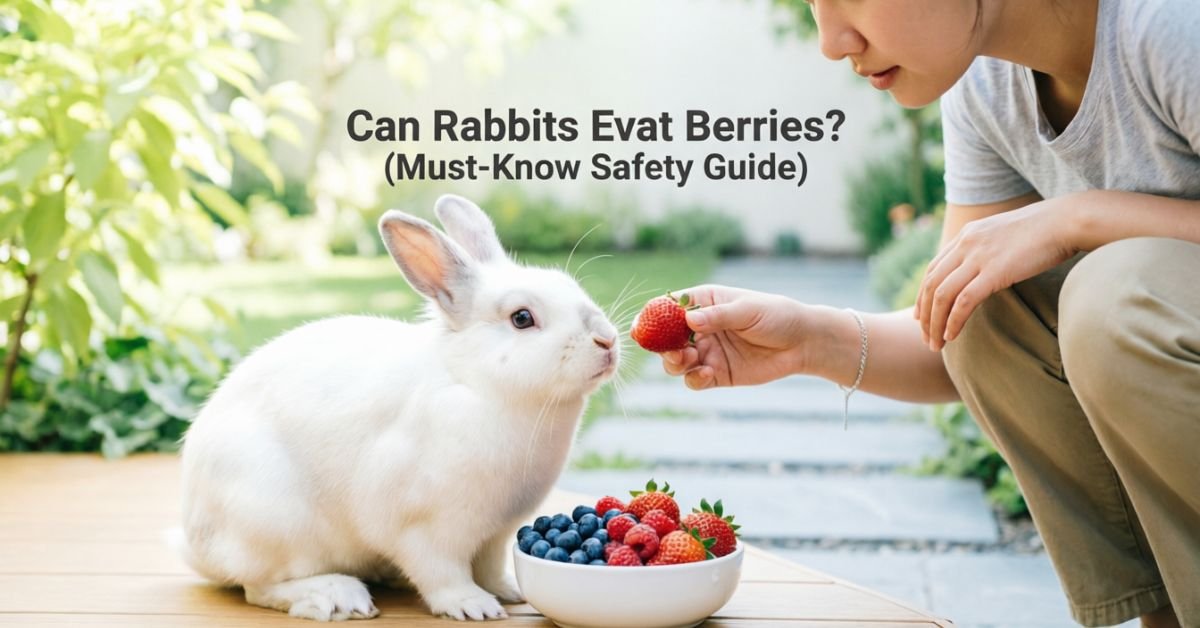
Rabbits can eat some berries in small amounts. Berries are sweet fruits that contain vitamins, fiber, and antioxidants. Many rabbit owners give berries as an occasional treat. Strawberries, blueberries, and raspberries are some common choices for rabbits. However, too many berries can upset a rabbit’s stomach because of the natural sugar.
Many people think all fruits are safe for rabbits, but that is not always true. Some berries are healthier than others, and feeding the wrong amount can cause problems. Rabbit owners often wonder which berries are safe and how often they should be given. Knowing the right information can help keep your rabbit healthy and active.
In this guide, you will learn which berries rabbits can eat safely. You will also discover the health benefits, possible risks, and the best serving tips for your bunny. This information will help you make better food choices for your pet rabbit.
Do Rabbits Eat Berries Safely?
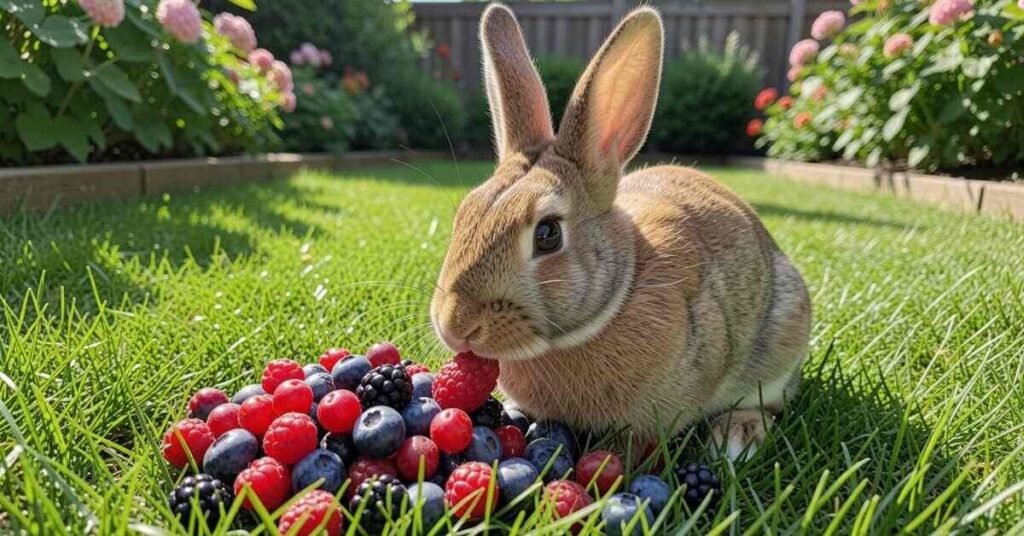
Yes, rabbits can eat berries safely when they are given in small amounts. Many berries contain healthy vitamins and antioxidants that support a rabbit’s body. Fresh strawberries, blueberries, raspberries, and blackberries are usually safe for healthy adult rabbits. These fruits can be a tasty treat and add some variety to your rabbit’s diet.
However, berries should not become a daily meal for rabbits. They contain natural sugar, and too much sugar may cause stomach problems or weight gain. Rabbits mainly need hay, fresh water, and leafy greens to stay healthy. Always wash berries properly before feeding them, and give only a few small pieces at a time.
Are Berries Good for Rabbit Health?
Berries can be good for rabbit health when they are fed in moderation. They contain useful nutrients that may support the immune system and overall health of rabbits. Fresh berries also contain water, which can help rabbits stay hydrated during hot weather. Many rabbits enjoy the sweet taste, so berries can be a fun and healthy treat once or twice a week.
Even though berries have health benefits, rabbits should not eat too many. Too much fruit sugar can upset their stomach and cause digestive issues. Hay should always be the main food in a rabbit’s diet. Give berries in small portions and watch your rabbit for any unusual signs after feeding them.
Some healthy benefits of berries for rabbits include:
- Vitamins that support body health
- Antioxidants that help protect cells
- Fiber that supports digestion
- Natural water content for hydration
Types of Berries Rabbits Can Eat
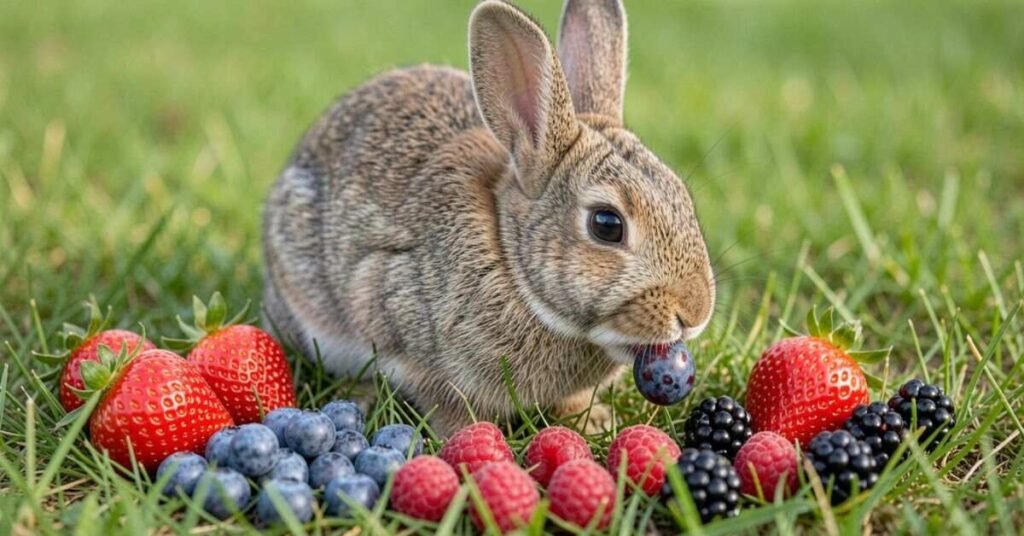
Rabbits can eat several types of berries as an occasional treat. Most fresh berries are safe when they are washed properly and served in small amounts. These fruits contain vitamins, fiber, and antioxidants that may support rabbit health. However, berries should only be a small part of a rabbit’s diet because they contain natural sugar.
Fresh berries are usually the best choice for rabbits. Avoid berries that contain added sugar, syrup, or artificial flavors. Dried berries are not recommended because they have a higher sugar content. Always introduce one new berry at a time so you can see how your rabbit reacts to it.
Some safe berries for rabbits include:
- Strawberries
- Blueberries
- Raspberries
- Blackberries
- Cranberries in small amounts
Can Rabbits Eat Strawberries, Blueberries, and Raspberries?
Yes, rabbits can eat strawberries, blueberries, and raspberries in small amounts. These berries are popular treats because they are soft, juicy, and full of nutrients. Many rabbits enjoy their sweet taste and texture. Fresh berries can be a fun snack for rabbits when they are served properly and not given too often.
Each type of berry has different benefits for rabbits. Strawberries contain vitamin C and water. Blueberries are rich in antioxidants, while raspberries contain fiber that may support digestion. Even though these berries are safe, rabbit owners should only offer a few pieces once or twice a week. Too much fruit sugar can lead to stomach problems and unhealthy weight gain.
| Berry Type | Safe for Rabbits | Main Benefits | Serving Tips | Things to Avoid |
| Strawberries | Yes | Vitamin C and hydration | Cut into small pieces | Do not add sugar |
| Blueberries | Yes | Rich in antioxidants | Give 2–3 berries only | Avoid canned blueberries |
| Raspberries | Yes | Good source of fiber | Feed fresh and clean berries | Do not overfeed |
| Blackberries | Yes | Contains vitamins and fiber | Serve in moderation | Avoid spoiled berries |
| Cranberries | Yes, in small amounts | Antioxidants | Offer occasionally | Avoid dried cranberries |
| Dried Berries | Not recommended | Very high sugar | Best to avoid | Can upset digestion |
| Frozen Berries | Sometimes | Cooling treat in hot weather | Thaw before serving | Do not serve ice hard |
Berries That Rabbits Should Avoid
Not all berries are safe for rabbits. Some berries may contain added sugar, chemicals, or ingredients that can harm a rabbit’s sensitive stomach. Rabbits should only eat fresh and natural berries in small amounts. Processed berry products are usually unhealthy and should stay away from your rabbit’s diet.
Rabbit owners should be careful before feeding any new fruit. Moldy or spoiled berries can also make rabbits sick very quickly. It is always better to choose fresh, clean, and organic berries whenever possible.
Berries and berry products rabbits should avoid:
- Dried berries with added sugar
- Canned berries in syrup
- Chocolate-covered berries
- Moldy or rotten berries
- Artificial berry-flavored snacks
- Berry jams and jellies
- Frozen berries with sweeteners
Health Benefits of Berries for Rabbits
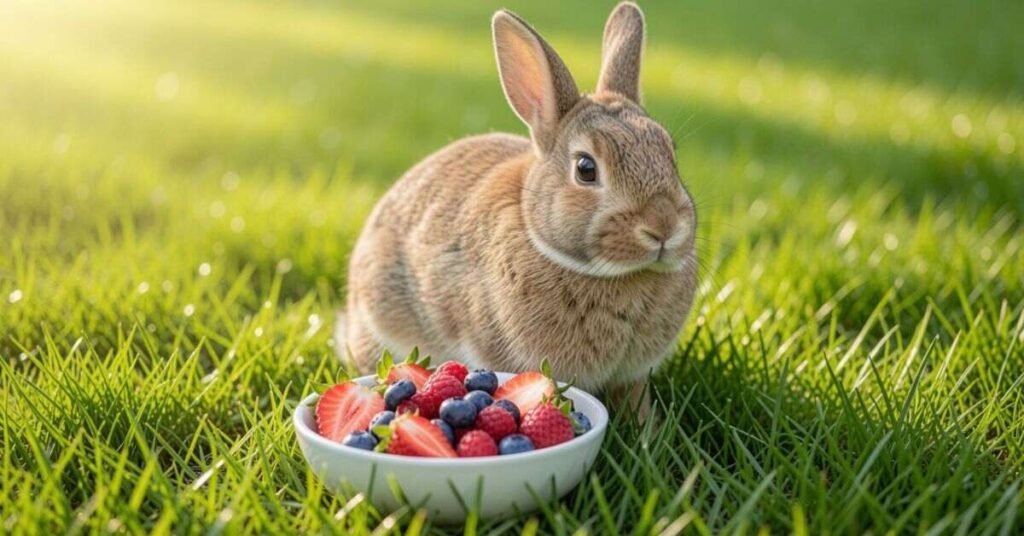
Berries can offer several health benefits to rabbits when they are fed in small amounts. These fruits contain vitamins, antioxidants, and fiber that may support a rabbit’s overall health. Fresh berries also contain water, which can help rabbits stay hydrated, especially during warm weather. Many rabbit owners use berries as a healthy reward during training or bonding time.
Some important benefits of berries for rabbits include:
- Antioxidants that help protect body cells
- Fiber that supports healthy digestion
- Vitamins that support the immune system
- Natural water content for hydration
- A tasty treat that adds variety to the diet
Vitamins and Antioxidants Found in Berries
Berries contain many useful vitamins and antioxidants that may support rabbit health. These nutrients help protect the body and support normal growth and energy. Different berries provide different nutrients, so feeding small amounts of mixed berries can give rabbits some variety. Fresh berries are usually healthier than processed or sweetened berry products.
Antioxidants found in berries may help protect rabbit cells from damage. Vitamins can also support the immune system, skin, and overall body health. Even though berries are healthy, rabbits should still eat them only as a treat because of their sugar content.
| Berry Type | Important Vitamins | Antioxidants | Possible Benefits for Rabbits |
| Strawberries | Vitamin C, Vitamin K | Anthocyanins | Supports hydration and body health |
| Blueberries | Vitamin C, Vitamin A | Powerful antioxidants | Helps protect body cells |
| Raspberries | Vitamin C, Vitamin E | Polyphenols | Supports digestion and immunity |
| Blackberries | Vitamin K, Vitamin C | Flavonoids | May support healthy growth |
| Cranberries | Vitamin C, Vitamin E | Antioxidant compounds | Supports overall wellness |
| Mulberries | Vitamin C, Iron | Resveratrol | Helps provide energy and nutrients |
| Gooseberries | Vitamin A, Vitamin C | Carotenoids | Supports skin and eye health |
Risks of Feeding Too Many Berries to Rabbits
Feeding too many berries to rabbits can cause several health problems. Berries are sweet and contain natural sugar. Rabbits have very sensitive digestive systems. Too much sugar can quickly upset their stomach. It can also lead to long-term health issues if given regularly.
Some common risks of overfeeding berries include:
- Diarrhea or loose stool
- Stomach pain and bloating
- Weight gain and obesity
- Loss of appetite for hay
- Dental and digestive imbalance
Sugar Content and Digestive Problems in Rabbits
Berries contain natural sugar. This sugar can be hard for rabbits to handle in large amounts. Rabbits have very sensitive stomachs. Too much sugar can disturb their gut balance. It may lead to slow digestion or stomach discomfort.
When rabbits eat too many sugary foods, their digestive system can stop working properly. This is dangerous because rabbits need a healthy gut to stay alive. Their diet must stay high in fiber from hay. Sugar should always stay very low.
| Problem | Cause | Symptoms in Rabbits | Risk Level |
| Gas buildup | Too much sugar | Swollen belly, discomfort | Medium |
| Diarrhea | Overfeeding berries | Loose stool, dehydration | High |
| Gut imbalance | High sugar diet | Loss of appetite | High |
| Obesity | Frequent fruit feeding | Weight gain, low activity | Medium |
| Reduced hay intake | Too many sweet treats | Poor digestion | High |
| Stomach pain | Sudden diet change | Lethargy, hiding behavior | High |
Common Symptoms of Stomach Upset in Rabbits
Stomach upset in rabbits can happen when they eat too many berries or other sugary foods. Rabbits have very delicate digestive systems. Even a small change in diet can cause discomfort. It is important for rabbit owners to watch their pets closely after feeding new foods like berries.
Some common symptoms of stomach upset in rabbits include:
- Diarrhea or soft stool
- Reduced or no appetite
- Swollen or hard belly
- Lethargy or low energy
- Grinding teeth (pain sign)
- Sitting in a hunched position
How Much Berries Can Rabbits Eat?
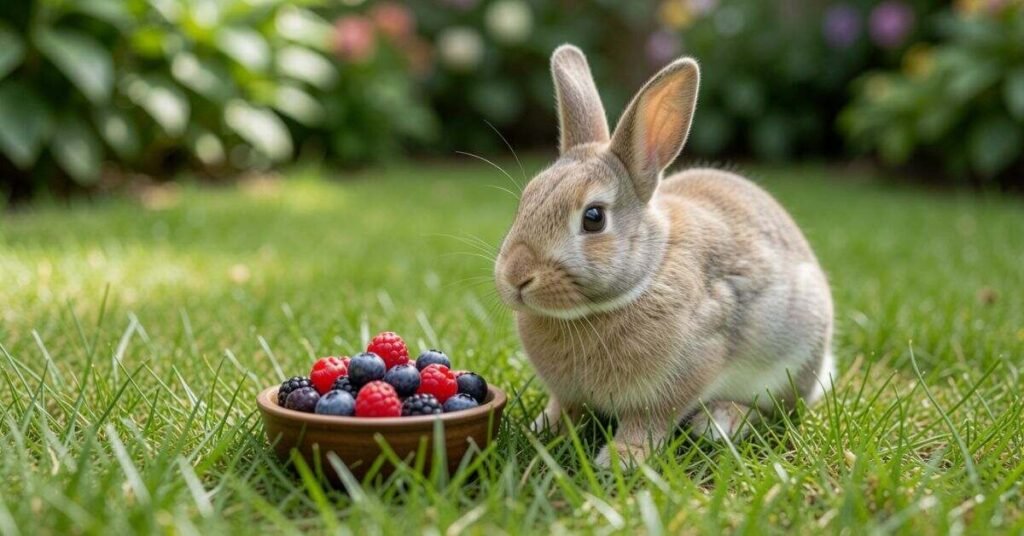
Rabbits should eat berries only in very small amounts. Berries are not a main food for them. They are only an occasional treat. Most rabbits can handle a few small pieces.Too much can upset their stomach.
Adult rabbits can safely eat berries once or twice a week. One or two strawberries or a few blueberries is usually enough. Small rabbit breeds should get even less. Always start with a tiny amount first. This helps you see how your rabbit reacts.
Rabbits should always eat more hay than anything else. Hay keeps their digestion healthy and working properly. Fresh water and leafy greens should also be part of their daily diet. Treats like berries should stay very limited to avoid health problems.
Safe Portion Sizes for Small and Adult Rabbits
Safe portion sizes of berries depend on the rabbit’s size and age. Small rabbits need less fruit because their stomachs are more sensitive. Adult rabbits can have a slightly larger amount, but still only as a treat. Berries should never become a daily food. They must stay a small part of the diet.
It is always better to start with a very small portion. Watch how your rabbit reacts after eating berries. If there are no digestive problems, you can continue giving small amounts once or twice a week. Overfeeding should always be avoided.
| Rabbit Type | Safe Serving Size | Frequency | Example Portion | Notes |
| Small rabbits | 1–2 small berries | 1–2 times per week | 1 blueberry or ½ strawberry | Very sensitive stomach |
| Medium rabbits | 2–4 small berries | 1–2 times per week | 2 strawberries or 3 blueberries | Monitor digestion |
| Large rabbits | 4–6 small berries | 1–2 times per week | 3–4 strawberries or mixed berries | Still treat only |
| Young rabbits | Avoid or very tiny amount | Rarely | Tiny berry piece | Only after 12 weeks old |
| Elderly rabbits | 1–2 small berries | Occasionally | Small soft berries | Depends on health |
Best Ways to Serve Berries to Rabbits
Berries should always be served fresh and clean. Wash them properly before giving them to your rabbit. Cut large berries into small pieces to make them easier to eat. This also helps prevent choking and makes portion control easier.
You can serve berries in simple and safe ways like:
- Fresh and raw berries only
- Small chopped pieces
- Mixed with leafy greens (small amount)
- As an occasional treat after hay
- Served at room temperature
Fresh, Frozen, or Dried Berries for Rabbits
Fresh berries are the best choice for rabbits. They are natural, soft, and full of water. Fresh berries do not contain added sugar or preservatives. Rabbits can eat them safely in small amounts. Always wash them well before serving.
Frozen berries can also be given, but only after thawing. Cold or hard berries should never be served directly. Dried berries are not safe for rabbits. They contain very high sugar and can harm digestion. Processed berries should always be avoided.
| Type of Berry | Safe for Rabbits | Benefits | Risks | Serving Advice |
| Fresh berries | Yes | Natural nutrients and water | Very low risk if limited | Wash and serve small pieces |
| Frozen berries | Sometimes | Same nutrients as fresh | Too cold if not thawed | Thaw before feeding |
| Dried berries | Not recommended | Long shelf life | Very high sugar, digestion issues | Avoid completely |
| Canned berries | No | None for rabbits | Sugar syrup, chemicals | Never feed |
| Cooked berries | No | Soft texture | Nutrient loss, additives | Avoid feeding |
Conclusion
Berries can be a tasty treat for rabbits. They are safe in small amounts. Fresh berries like strawberries, blueberries, and raspberries can be given occasionally. But they should never become a main part of the diet.
Rabbits have very sensitive stomachs. Too many berries can cause digestion problems. Sugar in fruits can also lead to weight gain. That is why portion control is very important.
Hay should always be the main food for rabbits. Fresh water and leafy greens are also needed every day. These foods keep the rabbit’s digestive system healthy and strong.
In short, berries are safe only as a small treat. Give them carefully and in limited amounts. A balanced diet will keep your rabbit happy, active, and healthy.
FAQs
1. Do rabbits eat berries safely in small amounts?
Yes, rabbits can eat berries safely in small amounts. Berries like strawberries and blueberries are fine as an occasional treat. They should not be given every day. Too many berries can upset a rabbit’s stomach.
2. Do rabbits eat berries like strawberries and blueberries regularly?
No, rabbits should not eat berries regularly. Even safe berries should only be given once or twice a week. Rabbits need hay as their main food. Fruits are only for occasional treats.
3. Do rabbits eat berries without causing health problems?
Rabbits can eat berries without problems if the amount is small. Overfeeding can lead to diarrhea or bloating. Always introduce berries slowly. Watch your rabbit after feeding.
4. Do rabbits eat berries and benefit from their nutrients?
Yes, berries contain vitamins and antioxidants that may help rabbits. They support general health when given in small amounts. But the benefits are small compared to hay and greens. So they should not replace main food.
5. Do rabbits eat berries or should they avoid them completely?
Rabbits do not need to avoid berries completely. They are safe as an occasional treat. The key is moderation and correct portion size. Always avoid dried or sugary berry products.
